

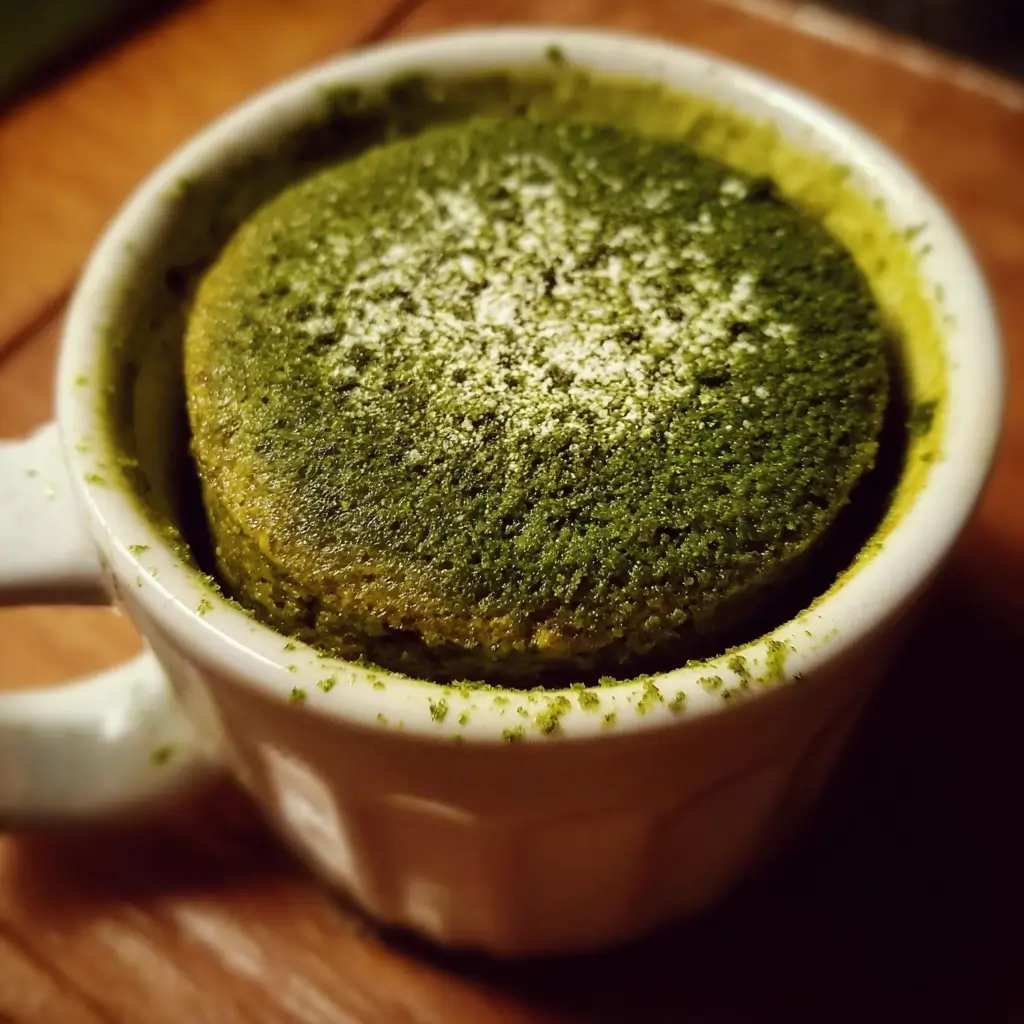

Of all the fleeting cravings that strike on a busy weeknight, the desire for something sweet, warm, and comforting is perhaps the most powerful. Last Tuesday, after a particularly long day, that exact feeling hit me. I wanted a dessert, but the thought of pulling out the stand mixer, preheating the oven, and dealing with a mountain of dishes felt utterly exhausting. I needed something quick, something for just one person, and something a little more sophisticated than a simple chocolate chip cookie. Rummaging through my pantry, my eyes landed on a canister of vibrant green matcha powder. A lightbulb went on. Could I create a cafe-worthy treat in less than five minutes? The result of that experiment is the recipe you’re about to read: the Easy Matcha Mug Cake. This isn’t just a recipe; it’s a revelation. In the time it takes to brew a cup of tea, you can have a fluffy, vibrant, and perfectly portioned cake. The first time I made it, the aroma alone—that unique blend of earthy green tea and sweet vanilla—filled my kitchen and immediately soothed my frazzled nerves. When my partner came home and saw me blissfully eating from a mug, he was intrigued. I whipped one up for him, and his reaction confirmed it: this was a keeper. He was astonished at how something so delicious and elegant could come from a microwave. It has since become our go-to emergency dessert, our little secret weapon against sweet cravings. This recipe delivers a tender, moist crumb infused with the complex, slightly grassy, and deeply satisfying flavor of high-quality matcha, all balanced by the perfect amount of sweetness. It’s a sophisticated dessert disguised as a simple convenience, ready to elevate any ordinary moment into a small, personal celebration.
Ingredients
Here are the simple components you’ll need to create your single-serving matcha masterpiece. Each one plays a crucial role in achieving the perfect balance of flavor and texture.
- 4 tablespoons All-Purpose Flour: This forms the fundamental structure of your cake, giving it body and a soft, tender crumb.
- 2 tablespoons Granulated Sugar: Provides the necessary sweetness to balance the earthy bitterness of the matcha. You can adjust this slightly to your personal taste.
- ½ teaspoon Baking Powder: This is the leavening agent that works its magic in the microwave, causing the cake to rise and become light and fluffy.
- 1 teaspoon Culinary-Grade Matcha Powder: The star of the show! A quality culinary-grade matcha will provide a vibrant green color and a robust, authentic green tea flavor without being overly bitter.
- 3 tablespoons Milk: Adds moisture and richness, contributing to a tender texture. Whole milk, 2%, or even a plant-based alternative like almond or soy milk will work beautifully.
- 2 tablespoons Melted Unsalted Butter or Neutral Oil: This is key for a moist, rich cake. Melted butter adds a classic, rich flavor, while a neutral oil like canola or vegetable oil ensures moisture without competing with the matcha flavor.
- ¼ teaspoon Vanilla Extract: A small amount of vanilla enhances the other flavors in the cake, adding a layer of aromatic warmth that complements the matcha perfectly.
Instructions
Follow these step-by-step instructions carefully for a foolproof matcha mug cake every single time. The process is designed to be quick, easy, and mess-free.
- Choose Your Mug: Select a standard-sized, microwave-safe mug (approximately 12-16 ounces). Using a mug that is too small can cause the batter to overflow as it cooks and rises.
- Combine Dry Ingredients: In your chosen mug, add the all-purpose flour, granulated sugar, baking powder, and matcha powder. Use a small whisk or a fork to mix these ingredients together thoroughly. Continue whisking until the color is a uniform, pale green and there are no lumps of flour or matcha remaining. This step is crucial for preventing a bitter pocket of matcha in your finished cake.
- Incorporate Wet Ingredients: Pour the milk, melted butter (or oil), and vanilla extract directly into the mug on top of the dry ingredients.
- Mix the Batter: Using the same fork or whisk, mix everything together until just combined. Scrape the bottom and sides of the mug to ensure all the flour is incorporated, but be careful not to overmix. The batter should be smooth, but a few small lumps are perfectly fine. Overmixing can lead to a tough, rubbery cake.
- Microwave to Perfection: Place the mug in the center of your microwave. Cook on high power for 70 to 90 seconds. Microwave times can vary significantly based on your machine’s wattage. It’s best to start with a shorter time (e.g., 70 seconds) and check for doneness.
- Check for Doneness: The cake is done when the top looks set and is springy to the touch. It might still look slightly moist in the very center, but it will continue to cook from the residual heat. You can also insert a toothpick into the center; if it comes out with a few moist crumbs attached, it’s ready. If it comes out with wet batter, microwave it for another 10-15 seconds.
- Cool and Enjoy: Carefully remove the mug from the microwave—it will be very hot! Let the cake cool for at least 1-2 minutes. This allows the cake to set fully and prevents you from burning your mouth. You can eat it directly from the mug or carefully run a knife around the edge and invert it onto a small plate.
Nutrition Facts
This nutritional information is an estimate and can vary based on the specific ingredients used (e.g., type of milk or oil).
- Servings: 1 mug cake
- Calories Per Serving: Approximately 350-400 kcal
- Carbohydrates: This cake is a good source of quick energy, primarily from the flour and sugar, making it a satisfying treat.
- Fat: The butter or oil provides richness and moisture, contributing to the overall decadent feel of the dessert.
- Protein: The milk and flour provide a small amount of protein.
- Sodium: Contains a minimal amount of sodium, primarily occurring naturally in the ingredients.
Preparation Time
This recipe is the epitome of instant gratification. The total time from gathering your ingredients to taking your first delicious bite is under 5 minutes.
- Preparation: 2-3 minutes
- Cook Time: 70-90 seconds
It is the perfect solution for a sudden dessert craving, a quick afternoon pick-me-up, or a comforting treat at the end of a long day.
How to Serve
While this matcha mug cake is delightful on its own, a few simple additions can elevate it from a simple snack to a truly impressive dessert. Here are some serving suggestions:
- The Classic Duo:
- A dusting of powdered sugar or extra matcha powder on top adds a touch of elegance and an extra flavor kick.
- A generous dollop of freshly whipped cream or a scoop of cool vanilla bean ice cream creates a wonderful temperature and texture contrast with the warm cake.
- Fruit Pairings:
- Fresh Berries: The tartness of fresh raspberries, strawberries, or blueberries cuts through the richness of the cake beautifully.
- Citrus Zest: A little bit of lemon or lime zest sprinkled over the top can brighten the earthy notes of the matcha.
- Sauces and Drizzles:
- White Chocolate Sauce: The creamy sweetness of white chocolate is a classic and perfect pairing for matcha. Drizzle melted white chocolate over the warm cake.
- Honey or Maple Syrup: A light drizzle of honey or maple syrup can add a different dimension of natural sweetness.
- Condensed Milk: For an extra decadent, Asian-inspired treat, a drizzle of sweetened condensed milk is absolutely divine.
- Texture and Crunch:
- Toasted Nuts: Sprinkling some chopped, toasted almonds, pistachios, or walnuts on top adds a welcome crunch.
- Toasted Coconut Flakes: The nutty, tropical flavor of toasted coconut complements the matcha surprisingly well.
Additional Tips
Unlock the full potential of your matcha mug cake with these eight expert tips designed to ensure perfection and allow for creative customization.
- Invest in Quality Matcha: The flavor of your cake is almost entirely dependent on the quality of your matcha. For baking, you don’t need expensive ceremonial-grade matcha, but a good culinary-grade powder is essential. Lower-quality matcha can be yellowish-brown instead of bright green and may taste overly bitter or muddy. A good powder will yield a vibrant color and a smooth, rich green tea flavor.
- Do Not Overmix the Batter: This is the most common mistake with any cake, but it’s especially critical for a mug cake’s texture. Mix the wet and dry ingredients only until they are just combined. A few small lumps are okay. Overmixing develops the gluten in the flour, which will result in a dense, chewy, and rubbery cake instead of a light and fluffy one.
- Know Your Microwave’s Wattage: Not all microwaves are created equal. A 1200-watt microwave will cook the cake much faster than a 700-watt one. The first time you make this recipe, err on the side of caution. Start with the minimum recommended time (e.g., 70 seconds) and add 10-15 second increments as needed. Make a note of the perfect time for your specific microwave for future reference.
- The Mug Matters: The size and shape of your mug influence how the cake cooks. A wide, shallow mug will cook faster and more evenly than a tall, narrow one. Ensure your mug has a capacity of at least 12 ounces to give the cake batter room to rise without spilling over and creating a mess.
- For a Gluten-Free Version: You can easily make this recipe gluten-free. Substitute the all-purpose flour with a good quality 1-to-1 gluten-free baking flour blend (one that contains xanthan gum). The texture will be slightly different but still delicious. Almond flour can also be used, but you may need to adjust the liquid content as it absorbs more moisture.
- Make It Vegan and Dairy-Free: This recipe is incredibly adaptable. To make it vegan, simply use your favorite plant-based milk (almond, soy, or oat milk all work well) and substitute the melted butter with a neutral-flavored oil (like canola or avocado oil) or melted coconut oil.
- Adjust Sweetness to Your Liking: The recipe calls for 2 tablespoons of sugar, which creates a balanced flavor. However, if you have a sweeter tooth, feel free to increase it to 2.5 or 3 tablespoons. Conversely, if you prefer the earthy matcha flavor to be more prominent, you can reduce the sugar to 1.5 tablespoons.
- Sift Your Dry Ingredients: For the absolute smoothest, most lump-free batter, take an extra 30 seconds to sift the dry ingredients (flour, sugar, baking powder, and matcha) together before adding them to the mug. This is especially helpful for matcha powder, which has a tendency to clump. This guarantees an even distribution of flavor and leavening.
FAQ Section
Here are answers to some of the most frequently asked questions about making the perfect Easy Matcha Mug Cake.
1. Why did my matcha mug cake turn out rubbery and tough?
A rubbery texture is the number one enemy of a good mug cake and is almost always caused by one of two things: overmixing the batter or overcooking the cake. When you mix the batter too vigorously, you overdevelop the gluten in the flour, leading to a chewy texture. When you overcook it, the moisture evaporates, and the proteins tighten up, making it tough. Mix only until the ingredients are combined, and cook until the top is just set.
2. Can I make this matcha mug cake without an egg?
Yes! This specific recipe is designed to be egg-free, which makes it incredibly simple and accessible. The baking powder provides all the lift necessary, and the milk and butter/oil provide the moisture and richness that an egg might otherwise contribute. This also makes the batter safe to taste before cooking.
3. What is the difference between culinary and ceremonial matcha, and which one should I use?
Ceremonial-grade matcha is the highest quality, made from the youngest tea leaves, and is intended to be whisked with water and consumed on its own. It has a very delicate, smooth flavor. Culinary-grade matcha is designed for cooking and baking. It has a more robust, slightly more bitter flavor profile that is meant to stand up to other ingredients like sugar, flour, and fat. For this recipe, a good quality culinary-grade matcha is the ideal and most cost-effective choice.
4. Can I prepare the batter in advance?
It is not recommended to prepare the batter in advance. The baking powder is activated as soon as it comes into contact with the wet ingredients. If you let the batter sit for too long before microwaving, the baking powder will lose its leavening power, and your cake will turn out dense and flat instead of light and fluffy. The recipe is so quick that it’s best made fresh right when you want it.
5. My mug cake overflowed in the microwave. What went wrong?
This almost always happens because the mug used was too small. The batter will nearly double in size as it cooks. To prevent a messy overflow, make sure you use a microwave-safe mug that is at least 12 ounces in capacity, and never fill your mug more than halfway with batter.
6. How can I make my mug cake taste less bitter?
The bitterness in a matcha cake can come from two sources: the quality of the matcha or the ratio of matcha to sugar. First, ensure you are using a good culinary-grade matcha, as lower-quality powders are often very bitter. Second, if you are sensitive to the earthy flavor, you can either reduce the amount of matcha powder slightly (e.g., use ¾ teaspoon instead of 1 teaspoon) or increase the amount of sugar to better balance the flavors.
7. Can I bake this in an oven instead of a microwave?
Yes, you can! If you prefer to use an oven, preheat it to 350°F (175°C). Prepare the batter in an oven-safe ramekin instead of a standard mug. Bake for approximately 12-15 minutes, or until a toothpick inserted into the center comes out clean. The texture will be slightly different—more like a traditional cupcake—but still delicious.
8. Is this matcha mug cake recipe considered healthy?
“Healthy” can be subjective. This mug cake is a single-serving portion-controlled dessert, which can be a healthier choice than eating a large slice of a full-sized cake. Matcha itself is rich in antioxidants. However, it still contains sugar and flour, making it a treat rather than a health food. You can make it healthier by reducing the sugar, using whole wheat flour (which will create a denser cake), or using a natural sweetener alternative. It’s best enjoyed as a balanced part of a diet, a perfect and mindful indulgence.

Easy Matcha Mug Cake Recipe
Ingredients
Here are the simple components you’ll need to create your single-serving matcha masterpiece. Each one plays a crucial role in achieving the perfect balance of flavor and texture.
- 4 tablespoons All-Purpose Flour: This forms the fundamental structure of your cake, giving it body and a soft, tender crumb.
- 2 tablespoons Granulated Sugar: Provides the necessary sweetness to balance the earthy bitterness of the matcha. You can adjust this slightly to your personal taste.
- ½ teaspoon Baking Powder: This is the leavening agent that works its magic in the microwave, causing the cake to rise and become light and fluffy.
- 1 teaspoon Culinary-Grade Matcha Powder: The star of the show! A quality culinary-grade matcha will provide a vibrant green color and a robust, authentic green tea flavor without being overly bitter.
- 3 tablespoons Milk: Adds moisture and richness, contributing to a tender texture. Whole milk, 2%, or even a plant-based alternative like almond or soy milk will work beautifully.
- 2 tablespoons Melted Unsalted Butter or Neutral Oil: This is key for a moist, rich cake. Melted butter adds a classic, rich flavor, while a neutral oil like canola or vegetable oil ensures moisture without competing with the matcha flavor.
- ¼ teaspoon Vanilla Extract: A small amount of vanilla enhances the other flavors in the cake, adding a layer of aromatic warmth that complements the matcha perfectly.
Instructions
Follow these step-by-step instructions carefully for a foolproof matcha mug cake every single time. The process is designed to be quick, easy, and mess-free.
- Choose Your Mug: Select a standard-sized, microwave-safe mug (approximately 12-16 ounces). Using a mug that is too small can cause the batter to overflow as it cooks and rises.
- Combine Dry Ingredients: In your chosen mug, add the all-purpose flour, granulated sugar, baking powder, and matcha powder. Use a small whisk or a fork to mix these ingredients together thoroughly. Continue whisking until the color is a uniform, pale green and there are no lumps of flour or matcha remaining. This step is crucial for preventing a bitter pocket of matcha in your finished cake.
- Incorporate Wet Ingredients: Pour the milk, melted butter (or oil), and vanilla extract directly into the mug on top of the dry ingredients.
- Mix the Batter: Using the same fork or whisk, mix everything together until just combined. Scrape the bottom and sides of the mug to ensure all the flour is incorporated, but be careful not to overmix. The batter should be smooth, but a few small lumps are perfectly fine. Overmixing can lead to a tough, rubbery cake.
- Microwave to Perfection: Place the mug in the center of your microwave. Cook on high power for 70 to 90 seconds. Microwave times can vary significantly based on your machine’s wattage. It’s best to start with a shorter time (e.g., 70 seconds) and check for doneness.
- Check for Doneness: The cake is done when the top looks set and is springy to the touch. It might still look slightly moist in the very center, but it will continue to cook from the residual heat. You can also insert a toothpick into the center; if it comes out with a few moist crumbs attached, it’s ready. If it comes out with wet batter, microwave it for another 10-15 seconds.
- Cool and Enjoy: Carefully remove the mug from the microwave—it will be very hot! Let the cake cool for at least 1-2 minutes. This allows the cake to set fully and prevents you from burning your mouth. You can eat it directly from the mug or carefully run a knife around the edge and invert it onto a small plate.
Nutrition
- Serving Size: one normal portion
- Calories: 400