
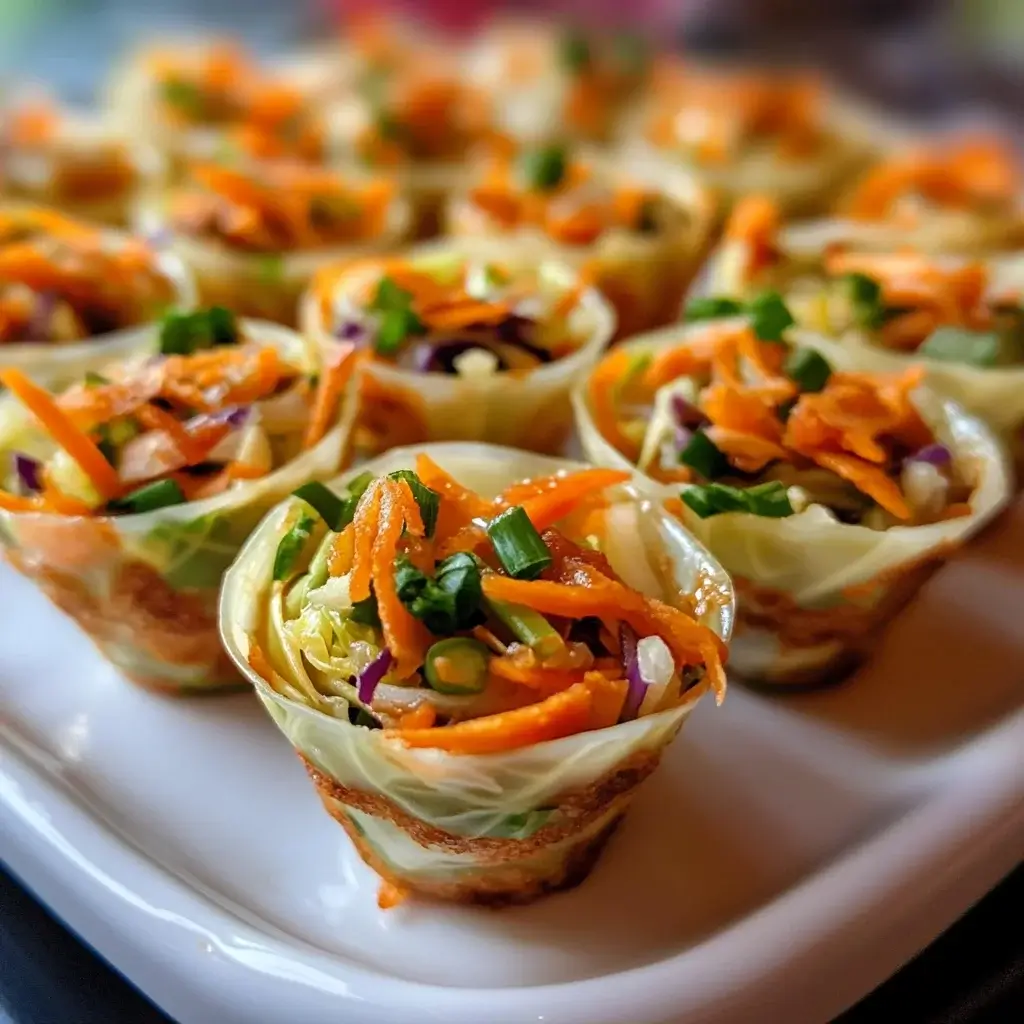

I remember the first time I made these Cabbage Spring Roll Cups. It was a frantic Tuesday night, the kind where takeout menus start looking dangerously appealing. I wanted something flavorful and satisfying, reminiscent of our favorite crispy spring rolls, but without the deep-frying hassle (and subsequent cleanup!). I’d seen similar ideas floating around and decided to wing it with what I had. Shredded cabbage, some ground chicken, carrots, the usual Asian-inspired aromatics… Instead of painstakingly rolling wrappers, I had the idea to use tender cabbage leaves as natural, edible cups. The result? An absolute revelation! My family, initially skeptical (“Cabbage instead of wrappers?”), devoured them. The savory, slightly sweet filling bursting with fresh vegetables, nestled in those soft, yielding cabbage leaves, was an instant hit. They loved the interactive nature of picking them up, drizzling extra sauce, and getting all the spring roll flavor in a lighter, arguably more interesting format. It’s since become a staple – easy enough for a weeknight, yet impressive enough for guests. They feel wholesome, vibrant, and deliver that craveable umami punch we adore, proving that sometimes, the simplest twists create the most memorable meals.
Ingredients
Here’s what you’ll need to create these delightful Cabbage Spring Roll Cups:
- 1 large head Napa Cabbage (or Savoy Cabbage): Approximately 12-16 large outer leaves needed. These form the ‘cups’ holding the delicious filling. Napa is often preferred for its tenderness and mild sweetness.
- 1 tablespoon Olive Oil (or Sesame Oil): Used for sautéing the aromatics and cooking the filling. Sesame oil adds a more distinct nutty, Asian flavor.
- 1 pound Ground Chicken (or Ground Pork, Turkey, or Firm Tofu, crumbled): The protein base of the filling. Choose based on preference or dietary needs. For a vegetarian/vegan option, finely crumbled firm tofu or minced mushrooms work beautifully.
- 3 cloves Garlic, minced: A fundamental aromatic, providing a pungent depth of flavor.
- 1 tablespoon Ginger, freshly grated: Adds a warm, zesty, and slightly spicy kick that is characteristic of spring roll fillings.
- 1 medium Onion, finely chopped: Provides a savory base and sweetness when cooked down.
- 2 large Carrots, shredded or julienned: Offer a pop of color, slight sweetness, and a pleasant crunch.
- 4 cups Shredded Green Cabbage: Added to the filling itself for bulk, texture, and classic spring roll flavor. Can use pre-shredded coleslaw mix (without dressing) in a pinch.
- 1 cup Bean Sprouts (optional): Add a fresh, crisp texture. Add them towards the end of cooking to maintain their crunch.
- 1/2 cup Water Chestnuts, chopped (optional): Provide a distinctive, enjoyable crunchy texture.
- 1/4 cup Soy Sauce (or Tamari for gluten-free): The primary source of salty, umami flavor. Tamari is a gluten-free alternative.
- 2 tablespoons Rice Vinegar: Adds a subtle tanginess that balances the savory flavors.
- 1 tablespoon Sesame Oil (toasted): Used primarily for flavor, adding a rich, nutty aroma. A little goes a long way.
- 1 teaspoon Sugar (or honey/maple syrup, optional): Helps to balance the saltiness and acidity, enhancing the overall flavor profile.
- Salt and Black Pepper: To taste. Adjust seasoning as needed throughout the cooking process.
- Optional Garnishes: Toasted sesame seeds, chopped fresh cilantro, sliced green onions (scallions), Sriracha or chili garlic sauce for heat.
- Dipping Sauce: Sweet chili sauce, peanut sauce, hoisin sauce, or a simple soy-ginger dipping sauce (see ‘How to Serve’).
Instructions
Follow these steps carefully for perfect Cabbage Spring Roll Cups:
- Prepare the Cabbage Leaves: Gently remove 12-16 large outer leaves from the head of Napa or Savoy cabbage. Wash them thoroughly. Bring a large pot of salted water to a boil. Carefully place the cabbage leaves into the boiling water and blanch for 1-2 minutes, just until they become slightly tender and pliable (they should turn a brighter green). You might need to do this in batches. Immediately transfer the blanched leaves to an ice bath (a large bowl filled with ice and cold water) to stop the cooking process and preserve their vibrant color. Once cooled, carefully remove the leaves from the ice bath and pat them dry with paper towels. If the thick central stem at the base of the leaf is very rigid, you can carefully shave it down slightly with a sharp knife to make folding or cupping easier, being careful not to cut through the leaf. Set aside.
- Prepare the Filling Base: Heat the 1 tablespoon of olive oil (or your first measure of sesame oil) in a large skillet or wok over medium-high heat. Add the ground chicken (or pork, turkey, tofu). Break it apart with a spoon and cook until browned and cooked through, about 5-7 minutes. If using tofu, cook until it’s slightly golden and firm. Drain off any excess fat if necessary.
- Sauté Aromatics: Push the cooked protein to one side of the skillet. Add the minced garlic, grated ginger, and finely chopped onion to the empty side. Sauté for 1-2 minutes until fragrant and the onion begins to soften.
- Combine and Cook Vegetables: Stir the aromatics into the cooked protein. Add the shredded carrots and the 4 cups of shredded green cabbage to the skillet. Cook, stirring frequently, for about 5-7 minutes, or until the cabbage has wilted significantly and the carrots are tender-crisp. You want the vegetables cooked but retaining some texture.
- Add Optional Ingredients: If using bean sprouts and/or chopped water chestnuts, add them now. Stir them into the mixture and cook for just another 1-2 minutes – you want the bean sprouts to remain crisp.
- Season the Filling: In a small bowl, whisk together the soy sauce (or tamari), rice vinegar, 1 tablespoon of toasted sesame oil, and optional sugar until combined. Pour this sauce mixture over the filling in the skillet. Stir everything together thoroughly to ensure the filling is evenly coated.
- Simmer and Reduce: Continue to cook the filling for another 2-3 minutes, allowing some of the liquid to evaporate and the flavors to meld together. The filling should be moist but not overly wet. Taste and season with salt and black pepper if needed. Remove from heat.
- Assemble the Cups: Lay a prepared cabbage leaf flat on your work surface (or hold it cupped in your hand). Spoon a generous amount of the warm spring roll filling (approximately 1/4 to 1/3 cup, depending on leaf size) into the center or base of the cabbage leaf.
- Serve: Arrange the filled Cabbage Spring Roll Cups on a platter. Garnish generously with toasted sesame seeds, chopped cilantro, and/or sliced green onions, if desired. Serve immediately while the filling is warm, alongside your favorite dipping sauces.
Nutrition Facts
Approximate values per serving (assuming recipe makes 4 servings, about 3-4 cups each):
- Servings: 4
- Calories per Serving: Approximately 350-450 kcal (will vary based on protein choice and exact ingredient amounts). This provides a satisfying portion size that can work as a light main course or a substantial appetizer.
- Protein: Approximately 25-35g. Essential for muscle repair, satiety, and overall bodily function. Higher if using lean meat.
- Fiber: Approximately 6-8g. Supports digestive health, helps regulate blood sugar, and contributes to feelings of fullness. Primarily from the cabbage and other vegetables.
- Carbohydrates: Approximately 20-30g (Net Carbs likely lower due to fiber). Provides energy. Significantly lower in carbs compared to traditional spring rolls with wrappers.
- Sodium: Approximately 800-1200mg (largely dependent on soy sauce amount/type). Important for fluid balance, but be mindful if watching sodium intake; using low-sodium soy sauce can reduce this significantly.
Disclaimer: These are estimates. Actual nutritional values can vary based on specific ingredients, brands, and portion sizes used.
Preparation Time
- Prep Time: Approximately 25-30 minutes. This includes washing and chopping vegetables, mincing aromatics, preparing the cabbage leaves (blanching and cooling), and mixing the sauce. Efficiency in chopping can reduce this time. Using pre-shredded vegetables can also save time.
- Cook Time: Approximately 20-25 minutes. This covers cooking the protein, sautéing the vegetables, simmering the filling, and allowing flavors to meld.
- Total Time: Approximately 45-55 minutes. This makes the recipe manageable for a weeknight dinner, but it’s also relaxed enough for weekend cooking or prepping for a gathering.
How to Serve
These Cabbage Spring Roll Cups are versatile and can be presented in various appealing ways:
- As an Appetizer: Arrange 2-3 cups per person on small plates. Perfect for starting a meal or serving at parties and gatherings. They are visually appealing and easy for guests to handle.
- As a Light Lunch or Dinner: Serve a larger portion (3-5 cups per person) as a main course. Pair with a side of steamed rice (white or brown) or quinoa for a more substantial meal.
- Family Style Platter: Arrange all the filled cups beautifully on a large platter placed in the center of the table. Provide small bowls of various dipping sauces and garnishes so everyone can customize their own.
- Interactive Experience: Serve the warm filling in a large bowl and the prepared cabbage leaves separately. Allow individuals to assemble their own cups just before eating, ensuring maximum freshness and crispness (if desired).
Serving Enhancements:
- Dipping Sauces are Key: Offer a variety!
- Sweet Chili Sauce: The classic spring roll pairing – sweet, tangy, with a mild kick.
- Peanut Sauce: Creamy, savory, and slightly sweet. (Combine peanut butter, soy sauce, lime juice, honey/maple syrup, ginger, garlic, and a little water to thin).
- Soy-Ginger Dipping Sauce: Simple, savory, and zesty. (Combine soy sauce, rice vinegar, grated ginger, minced garlic, a dash of sesame oil, and optionally some chopped scallions).
- Hoisin Sauce: Thick, sweet, and savory Chinese dipping sauce.
- Sriracha or Chili Garlic Sauce: For those who like extra heat.
- Garnishes Add Flair: Don’t skip these!
- Toasted Sesame Seeds: Add nutty flavor and visual appeal.
- Fresh Cilantro: Provides a bright, herbaceous counterpoint.
- Sliced Green Onions (Scallions): Offer a mild oniony bite and fresh color.
- Crushed Peanuts: Add extra crunch and nutty flavor, especially good if serving with peanut sauce.
- Lime Wedges: A squeeze of fresh lime juice brightens all the flavors.
Additional Tips
Enhance your Cabbage Spring Roll Cup experience with these handy tips:
- Choose the Right Cabbage: Napa cabbage is generally the best choice due to its tender leaves and elongated shape, making perfect cups. Savoy cabbage is a good alternative with its crinkled, pliable leaves. Standard green cabbage can be used, but the leaves are thicker and might need slightly longer blanching; they also have a stronger flavor.
- Don’t Over-Blanch: The goal is to make the cabbage leaves pliable, not mushy. Blanch them just until they wilt and turn bright green (usually 1-2 minutes). Immediately plunging them into an ice bath is crucial to stop the cooking and retain a pleasant texture.
- Manage Moisture in Filling: If your filling seems too wet (some vegetables release a lot of water), continue simmering for a few extra minutes to allow more liquid to evaporate. Alternatively, you can use a slotted spoon to transfer the filling to the cabbage cups, leaving excess liquid behind in the skillet. A slightly thicker filling is easier to handle.
- Make-Ahead Components: You can prepare parts of this recipe in advance to save time. The filling can be cooked completely, cooled, and stored in an airtight container in the refrigerator for up to 2-3 days. The cabbage leaves can be blanched, dried, and stored separately in the fridge (layered with paper towels in an airtight container or bag) for 1-2 days. Reheat the filling gently on the stovetop or in the microwave before assembling.
- Protein Variations: Feel free to experiment beyond chicken, pork, or turkey. Ground beef, crumbled sausage, or even finely chopped shrimp would work well. For a seafood twist, use cooked shrimp chopped into bite-sized pieces and add them towards the very end of cooking just to heat through.
- Vegetable Swaps & Additions: This recipe is forgiving! Add other vegetables you enjoy, such as finely chopped bell peppers (any color), mushrooms (shiitake, cremini), bamboo shoots, or snow peas. Adjust cooking times accordingly. Using a bag of pre-shredded coleslaw mix (without the dressing) is a great shortcut.
- Adjusting Flavors: Taste the filling before assembling and adjust seasonings. Want more umami? Add a bit more soy sauce or a dash of fish sauce (if not vegetarian). More tang? A splash more rice vinegar. More heat? Add red pepper flakes, sriracha, or finely minced chili peppers along with the garlic and ginger. More sweetness? A touch more sugar, honey, or maple syrup.
- Handling Torn Leaves: Don’t despair if a cabbage leaf tears slightly! You can often still use it by overlapping the torn edges when you fill it. Alternatively, you can use two slightly smaller or torn leaves layered together to form one cup. If a leaf is unusable as a cup, simply chop it up and add it to the filling mixture itself or save it for another use (like soups or stir-fries).
FAQ
Here are answers to some frequently asked questions about Cabbage Spring Roll Cups:
- Can I make these Cabbage Spring Roll Cups vegetarian or vegan?
Absolutely! Substitute the ground meat with 1 pound of crumbled firm or extra-firm tofu, sautéed crumbled tempeh, or finely minced mushrooms (like shiitake or cremini, or a mix). Ensure your soy sauce is vegan (most are) and if using sugar, confirm it’s vegan or use maple syrup. If using fish sauce for extra umami, omit it or use a vegan fish sauce alternative. The rest of the ingredients are typically plant-based. - Are these gluten-free?
Yes, they can easily be made gluten-free. The main source of gluten is typically soy sauce. Simply substitute the regular soy sauce with Tamari (a Japanese soy sauce usually brewed without wheat) or a certified gluten-free soy sauce alternative. Double-check that any other processed ingredients (like hoisin sauce for dipping, if using) are also certified gluten-free. - What’s the best way to store leftovers?
Store leftover filled Cabbage Spring Roll Cups in an airtight container in the refrigerator for up to 2-3 days. It’s even better to store the cooked filling and blanched cabbage leaves separately if possible, and assemble just before eating for the best texture. The cabbage leaves can become softer upon storing once filled. - How do I reheat them?
You can reheat leftover filled cups gently in the microwave for 1-2 minutes, or in a skillet over medium-low heat (covered) until warmed through. You could also place them in an oven-safe dish and reheat at 350°F (175°C) for 10-15 minutes. If reheating separated filling, do so on the stovetop or microwave, then assemble with the cool cabbage leaves. - Can I freeze Cabbage Spring Roll Cups?
Freezing the assembled cups is generally not recommended. The cabbage leaves tend to become very soft and watery upon thawing, losing their pleasant texture. However, the cooked filling itself freezes quite well. Cool the filling completely, transfer it to freezer-safe containers or bags, and freeze for up to 2-3 months. Thaw in the refrigerator overnight and reheat before assembling with freshly blanched cabbage leaves. - My filling seems watery. How can I fix it?
Cabbage and other vegetables can release significant water during cooking. If your filling is too wet, simply continue simmering it over medium-high heat, stirring occasionally, to allow excess moisture to evaporate. You can also try draining the cooked protein very well initially, or using a slotted spoon to serve the filling into the cups, leaving liquid behind. Adding a tiny bit of cornstarch slurry (1 tsp cornstarch mixed with 1 tbsp cold water) stirred into the simmering filling can also help thicken it slightly, but use sparingly. - Can I use regular green cabbage instead of Napa or Savoy?
Yes, you can use green cabbage, but there are differences. Green cabbage leaves are generally thicker, less naturally cup-shaped, and have a stronger ‘cabbage’ flavor. You may need to blanch them slightly longer (perhaps 2-3 minutes) to make them pliable enough. You might also need to shave down the central rib more significantly. The overall taste and texture profile will be slightly different but still enjoyable. - Instead of cups, can I use the filling for actual spring rolls?
Yes, absolutely! This filling is perfect for traditional spring rolls. Let the filling cool completely before using it. Place a portion of the filling onto a spring roll wrapper (rice paper wrappers for fresh rolls, or wheat-based wrappers for fried/baked rolls), fold in the sides, and roll tightly according to wrapper instructions. Then proceed with frying, baking, or serving fresh, depending on the wrapper type used. This recipe makes a generous amount of versatile filling.
Cabbage Spring Roll Cups
Ingredients
Here’s what you’ll need to create these delightful Cabbage Spring Roll Cups:
- 1 large head Napa Cabbage (or Savoy Cabbage): Approximately 12-16 large outer leaves needed. These form the ‘cups’ holding the delicious filling. Napa is often preferred for its tenderness and mild sweetness.
- 1 tablespoon Olive Oil (or Sesame Oil): Used for sautéing the aromatics and cooking the filling. Sesame oil adds a more distinct nutty, Asian flavor.
- 1 pound Ground Chicken (or Ground Pork, Turkey, or Firm Tofu, crumbled): The protein base of the filling. Choose based on preference or dietary needs. For a vegetarian/vegan option, finely crumbled firm tofu or minced mushrooms work beautifully.
- 3 cloves Garlic, minced: A fundamental aromatic, providing a pungent depth of flavor.
- 1 tablespoon Ginger, freshly grated: Adds a warm, zesty, and slightly spicy kick that is characteristic of spring roll fillings.
- 1 medium Onion, finely chopped: Provides a savory base and sweetness when cooked down.
- 2 large Carrots, shredded or julienned: Offer a pop of color, slight sweetness, and a pleasant crunch.
- 4 cups Shredded Green Cabbage: Added to the filling itself for bulk, texture, and classic spring roll flavor. Can use pre-shredded coleslaw mix (without dressing) in a pinch.
- 1 cup Bean Sprouts (optional): Add a fresh, crisp texture. Add them towards the end of cooking to maintain their crunch.
- 1/2 cup Water Chestnuts, chopped (optional): Provide a distinctive, enjoyable crunchy texture.
- 1/4 cup Soy Sauce (or Tamari for gluten-free): The primary source of salty, umami flavor. Tamari is a gluten-free alternative.
- 2 tablespoons Rice Vinegar: Adds a subtle tanginess that balances the savory flavors.
- 1 tablespoon Sesame Oil (toasted): Used primarily for flavor, adding a rich, nutty aroma. A little goes a long way.
- 1 teaspoon Sugar (or honey/maple syrup, optional): Helps to balance the saltiness and acidity, enhancing the overall flavor profile.
- Salt and Black Pepper: To taste. Adjust seasoning as needed throughout the cooking process.
- Optional Garnishes: Toasted sesame seeds, chopped fresh cilantro, sliced green onions (scallions), Sriracha or chili garlic sauce for heat.
- Dipping Sauce: Sweet chili sauce, peanut sauce, hoisin sauce, or a simple soy-ginger dipping sauce (see ‘How to Serve’).
Instructions
Follow these steps carefully for perfect Cabbage Spring Roll Cups:
- Prepare the Cabbage Leaves: Gently remove 12-16 large outer leaves from the head of Napa or Savoy cabbage. Wash them thoroughly. Bring a large pot of salted water to a boil. Carefully place the cabbage leaves into the boiling water and blanch for 1-2 minutes, just until they become slightly tender and pliable (they should turn a brighter green). You might need to do this in batches. Immediately transfer the blanched leaves to an ice bath (a large bowl filled with ice and cold water) to stop the cooking process and preserve their vibrant color. Once cooled, carefully remove the leaves from the ice bath and pat them dry with paper towels. If the thick central stem at the base of the leaf is very rigid, you can carefully shave it down slightly with a sharp knife to make folding or cupping easier, being careful not to cut through the leaf. Set aside.
- Prepare the Filling Base: Heat the 1 tablespoon of olive oil (or your first measure of sesame oil) in a large skillet or wok over medium-high heat. Add the ground chicken (or pork, turkey, tofu). Break it apart with a spoon and cook until browned and cooked through, about 5-7 minutes. If using tofu, cook until it’s slightly golden and firm. Drain off any excess fat if necessary.
- Sauté Aromatics: Push the cooked protein to one side of the skillet. Add the minced garlic, grated ginger, and finely chopped onion to the empty side. Sauté for 1-2 minutes until fragrant and the onion begins to soften.
- Combine and Cook Vegetables: Stir the aromatics into the cooked protein. Add the shredded carrots and the 4 cups of shredded green cabbage to the skillet. Cook, stirring frequently, for about 5-7 minutes, or until the cabbage has wilted significantly and the carrots are tender-crisp. You want the vegetables cooked but retaining some texture.
- Add Optional Ingredients: If using bean sprouts and/or chopped water chestnuts, add them now. Stir them into the mixture and cook for just another 1-2 minutes – you want the bean sprouts to remain crisp.
- Season the Filling: In a small bowl, whisk together the soy sauce (or tamari), rice vinegar, 1 tablespoon of toasted sesame oil, and optional sugar until combined. Pour this sauce mixture over the filling in the skillet. Stir everything together thoroughly to ensure the filling is evenly coated.
- Simmer and Reduce: Continue to cook the filling for another 2-3 minutes, allowing some of the liquid to evaporate and the flavors to meld together. The filling should be moist but not overly wet. Taste and season with salt and black pepper if needed. Remove from heat.
- Assemble the Cups: Lay a prepared cabbage leaf flat on your work surface (or hold it cupped in your hand). Spoon a generous amount of the warm spring roll filling (approximately 1/4 to 1/3 cup, depending on leaf size) into the center or base of the cabbage leaf.
- Serve: Arrange the filled Cabbage Spring Roll Cups on a platter. Garnish generously with toasted sesame seeds, chopped cilantro, and/or sliced green onions, if desired. Serve immediately while the filling is warm, alongside your favorite dipping sauces.
Nutrition
- Serving Size: one normal portion
- Calories: 450
- Sodium: 1200mg
- Carbohydrates: 30g
- Fiber: 8g
- Protein: 35g