
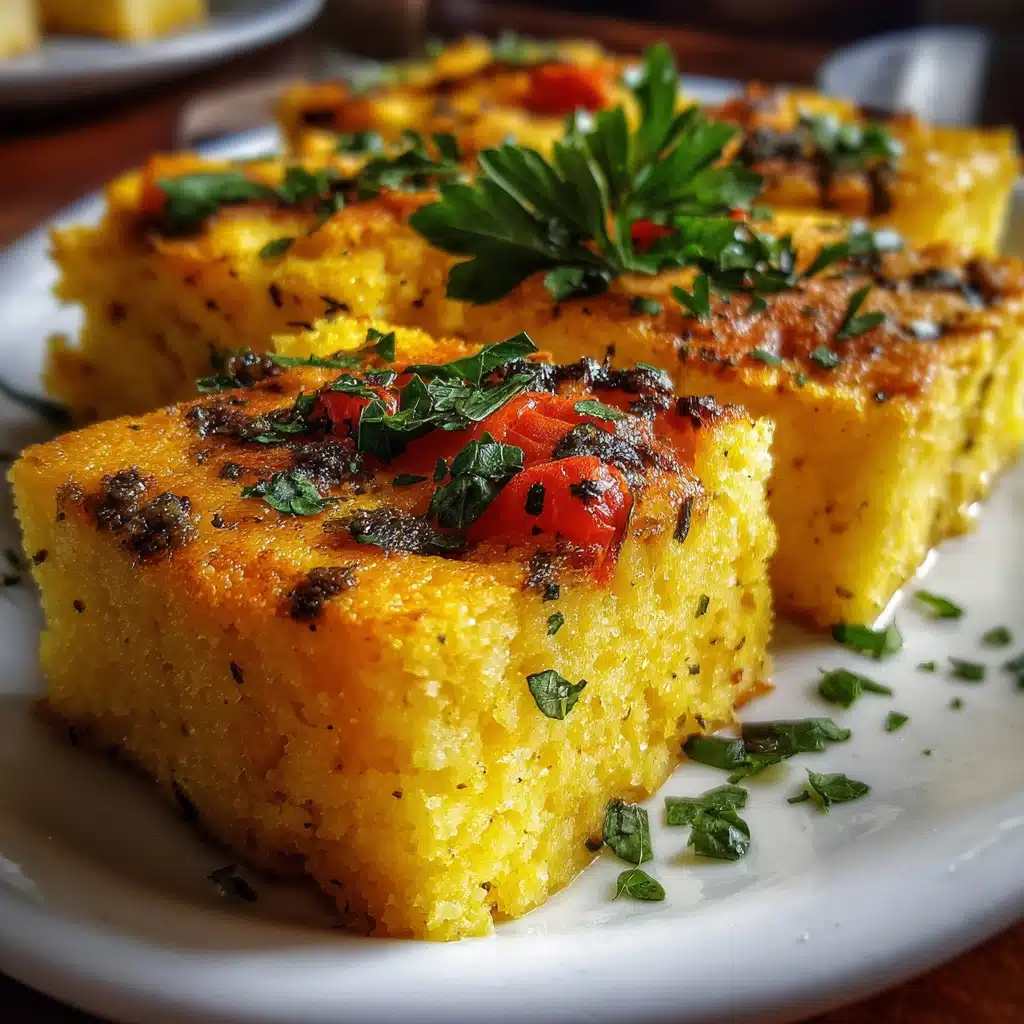
Of all the dishes in my culinary repertoire, few bring a bigger smile to my family’s face than these Cheesy Polenta Squares. I remember the first time I made them, I was looking for something a bit different—a side dish that could stand up to a hearty main course but was also elegant enough to serve as an appetizer for guests. The kitchen filled with the comforting aroma of simmering cornmeal and melting Parmesan, a scent that immediately signaled something special was underway. When I pulled the golden, bubbling tray from the oven, my husband, typically a man of few words when it comes to food, simply said, “Wow.” The kids, initially skeptical of the “yellow stuff,” were instantly won over by the crispy, pan-fried edges and the gloriously gooey, cheesy center. They’ve since become a staple for everything from weeknight dinners, where they perfectly accompany a simple roasted chicken, to holiday gatherings, where they disappear from the appetizer platter in minutes. This Cheesy Polenta Squares recipe is more than just a set of instructions; it’s a gateway to a versatile, crowd-pleasing, and surprisingly simple dish that feels both rustic and refined.
Ingredients
- 4 cups Vegetable or Chicken Broth: This forms the flavorful liquid base for our polenta. Using broth instead of water adds a significant layer of savory depth.
- 1 cup Coarse-Ground Cornmeal (Polenta): The star of the show. Coarse-ground cornmeal provides the best texture, creating a final product that is hearty and satisfying, not mushy.
- 1 teaspoon Salt: Essential for seasoning the polenta from the inside out. Adjust to your taste, especially depending on the saltiness of your broth and cheese.
- 1/2 teaspoon Black Pepper: Adds a gentle, warming spice that complements the cheese and corn flavors. Freshly ground is always best.
- 4 tablespoons Unsalted Butter: This adds richness, a silky mouthfeel, and helps create a creamy consistency.
- 1 cup Grated Parmesan Cheese: The primary source of our cheesy, nutty, and savory flavor. Use freshly grated Parmesan for the best melting and taste.
- 1/2 cup Grated Sharp Cheddar or Gruyère Cheese: This secondary cheese adds a delightful sharpness and a wonderful “cheese-pull” factor to the polenta squares.
- 2 tablespoons Olive Oil or additional Butter: For pan-frying the squares to achieve that irresistible golden-brown and crispy exterior.
Instructions
- Prepare the Pan: Lightly grease an 8×8 inch or 9×9 inch baking pan with butter or non-stick spray. This will prevent the polenta from sticking and ensure easy removal later. Set it aside.
- Boil the Liquid: In a large, heavy-bottomed saucepan or Dutch oven, bring the 4 cups of broth to a rolling boil over medium-high heat.
- Whisk in the Polenta: Once the broth is boiling, reduce the heat to low. While whisking constantly and vigorously, slowly pour the cornmeal into the hot broth in a thin, steady stream. This gradual addition and constant whisking are the most crucial steps to prevent lumps from forming.
- Cook the Polenta: Continue to whisk as the mixture begins to thicken, which will happen quite quickly. Once it has thickened to the consistency of porridge (about 2-3 minutes), switch from a whisk to a wooden spoon or spatula.
- Simmer and Stir: Continue cooking on low heat, stirring frequently to prevent it from sticking to the bottom of the pan. The polenta is cooked when it pulls away from the sides of the pan as you stir and is very thick. This process should take about 20-25 minutes for traditional polenta. Be patient, as this cooking time is essential for developing flavor and achieving a creamy texture.
- Add the Flavor: Remove the saucepan from the heat. Immediately stir in the 4 tablespoons of butter, the grated Parmesan cheese, the grated Cheddar (or Gruyère), salt, and black pepper. Stir vigorously until the butter and cheeses are completely melted and incorporated, creating a smooth, glossy, and cheesy mixture. Taste and adjust seasoning if necessary.
- Chill the Polenta: Promptly pour the hot polenta mixture into your prepared baking pan. Use a spatula to spread it into an even, flat layer. Let it cool on the counter for about 30 minutes before covering it with plastic wrap and transferring it to the refrigerator.
- Firm Up: Refrigerate the polenta for at least 2 hours, or up to 2 days, until it is completely firm and solid to the touch. This step is non-negotiable for getting clean, sharp squares that hold their shape.
- Cut the Squares: Once chilled and firm, carefully run a knife around the edges of the pan. Invert the pan onto a large cutting board. The slab of polenta should release easily. Cut the polenta into your desired shape—squares, rectangles, or even triangles. A 3×3 grid (for 9 large squares) or a 4×4 grid (for 16 smaller squares) works well.
- Pan-Fry to Perfection: Heat the 2 tablespoons of olive oil or butter in a large non-stick skillet or cast-iron pan over medium-high heat. When the oil is shimmering, carefully place a few polenta squares in the pan, ensuring not to overcrowd it.
- Get Crispy: Fry the squares for 4-6 minutes per side, or until a deep golden-brown, crispy crust forms. Carefully flip them with a thin spatula and repeat on the other side.
- Serve Immediately: Transfer the hot, crispy polenta squares to a serving platter. You can garnish them with fresh parsley or a sprinkle of extra Parmesan cheese. Serve warm and enjoy the contrast between the crispy outside and the creamy inside.
The Ultimate Guide to Polenta
Before we dive deeper into perfecting this specific recipe, it’s worth taking a moment to appreciate its core ingredient: polenta. For many, polenta is a bit of a mystery, often seen on fancy restaurant menus but rarely attempted at home. However, understanding this humble ingredient is the key to unlocking a world of culinary possibilities.
At its most basic, polenta is simply cornmeal—dried corn that has been ground into fine, medium, or coarse granules. Historically, it was a staple food in Northern Italy, a humble, hearty dish that sustained peasant families. It was often cooked slowly in large copper pots and eaten soft and porridge-like, sometimes with a simple sauce or a bit of cheese.
The magic of polenta lies in its versatility, which stems from the different types available:
- Coarse-Ground Polenta: This is the traditional choice and the one recommended for this recipe. The larger granules provide a more distinct, toothsome texture and a robust corn flavor. It takes longer to cook (20-30 minutes) but the result is well worth the effort.
- Fine-Ground Polenta: This type cooks faster but can sometimes result in a pastier texture. It’s better suited for softer, creamier polenta dishes rather than squares that need to hold their shape.
- Instant Polenta: This has been pre-cooked and then dried, so it rehydrates and cooks in just a few minutes. While incredibly convenient for a quick meal, it often lacks the deep flavor and satisfying texture of its slow-cooked counterpart. It can be used in a pinch for this recipe, but the final texture may be softer.
- White Polenta: Made from white corn instead of yellow, it has a slightly more delicate flavor and a creamier consistency. It’s a fantastic alternative if you can find it.
Polenta is a culinary chameleon. When served hot and soft, it’s a comforting, creamy base for stews, braised meats, or roasted vegetables. But when it’s allowed to cool and firm up, it transforms. This solidified polenta can be cut into any shape you desire, becoming the perfect vehicle for grilling, baking, or, as we do in this recipe, pan-frying. This dual nature is what makes polenta such an invaluable ingredient in any home cook’s pantry.
Mastering the Perfect Polenta Texture
The difference between mediocre polenta and truly spectacular polenta all comes down to texture. The goal for this recipe is twofold: a luxuriously creamy and cheesy interior encased in a shatteringly crisp, golden-brown exterior. Achieving this perfect contrast requires attention to a few key techniques.
For the Creamy Interior:
- The Right Ratio: The ratio of liquid to cornmeal is crucial. A 4:1 ratio (four parts liquid to one part cornmeal) is the standard for a polenta that will be served soft. For polenta that needs to set firmly, like in this recipe, this ratio is perfect because it’s hydrated enough to be creamy but not so loose that it won’t solidify.
- Slow and Steady Stream: As mentioned in the instructions, pouring the cornmeal into the boiling liquid slowly while whisking is non-negotiable. Dumping it all in at once is the number one cause of lumpy polenta. The whisking action separates the granules, allowing each one to be hydrated evenly by the hot liquid.
- Low and Slow Simmer: Once the polenta has thickened, the work isn’t over. The 20-25 minute simmer on low heat is where the magic happens. During this time, the cornmeal granules are not just absorbing water; they are swelling, softening, and releasing their starches. This process, known as gelatinization, is what creates the inherently creamy texture, even before you add any butter or cheese. Rushing this step will result in a gritty, undercooked texture.
- Enrich with Fat: The final addition of butter and cheese does more than just add flavor. The fat coats the starch molecules, contributing to a richer, silkier mouthfeel and preventing the polenta from becoming gluey.
For the Crispy Exterior:
- Complete Chilling: There is no shortcut here. The polenta must be completely cold and firm before you even think about cutting and frying it. Warm or semi-set polenta will fall apart in the hot pan. Chilling for at least two hours is the minimum.
- A Hot Pan is Key: You need a sufficiently hot pan to create a crust. Medium-high heat is ideal. If the pan is too cool, the polenta will absorb the oil and become greasy instead of crispy. You’ll know the pan is ready when the oil shimmers or a drop of water sizzles and evaporates instantly.
- Don’t Overcrowd: This is a universal rule for achieving crispiness. Placing too many polenta squares in the pan at once will lower the temperature of the oil and cause the squares to steam rather than fry. Cook in batches, leaving ample space between each piece.
- Leave Them Alone: Resist the urge to poke, prod, or move the squares around once they are in the pan. Let them sit undisturbed for a full 4-6 minutes. This allows a solid, golden crust to develop. You can gently lift a corner to peek, but avoid constant flipping.
By focusing on these two distinct stages—creating the initial creamy base and then executing the final crisping fry—you will guarantee a perfect textural experience every time.
Nutrition Facts
- Servings: 9 large squares
- Calories per serving: Approximately 250 kcal
- Protein: A good source of protein, primarily from the cheese, providing around 10g per square, which contributes to satiety.
- Carbohydrates: At about 20g per square, these provide a great source of energy. Cornmeal is a complex carbohydrate, offering a more sustained release of energy.
- Fat: The butter and cheese contribute to the fat content, which is essential for flavor and the absorption of fat-soluble vitamins.
- Calcium: Thanks to the generous amount of Parmesan and Cheddar cheese, each square provides a decent amount of calcium, crucial for bone health.
- Gluten-Free: Polenta is naturally gluten-free, making this an excellent and satisfying option for individuals with celiac disease or gluten sensitivity (always check your broth and other ingredients to ensure they are certified gluten-free).
Preparation time
The preparation is broken into active cooking time and passive chilling time. Active preparation and cooking will take approximately 35 minutes. The crucial chilling time required for the polenta to set is a minimum of 2 hours, though it can be made a day or two in advance.
How to Serve
These Cheesy Polenta Squares are incredibly versatile. They can be the star appetizer, a humble sidekick, or even the base of a main course. Here are some of our favorite ways to serve them:
- As a Crowd-Pleasing Appetizer:
- With Marinara: Serve the hot squares on a platter with a bowl of warm, high-quality marinara sauce for dipping. The combination of cheesy polenta and tangy tomato is a classic.
- Topped with Pesto: Place a small dollop of vibrant basil pesto on top of each square and garnish with a toasted pine nut for an elegant and flavorful bite.
- With a Mushroom Ragout: Spoon a rich, earthy mushroom and herb ragout over the squares for a sophisticated appetizer that is perfect for autumn or winter gatherings.
- As a Hearty Side Dish:
- Alongside Roasted Meats: These squares are the perfect substitute for potatoes or pasta. They pair beautifully with roasted chicken, a hearty beef stew, or seared steak.
- With Grilled Vegetables: Serve a few squares next to a colorful medley of grilled zucchini, bell peppers, and eggplant for a complete and satisfying vegetarian meal.
- In Place of Bread: Use them to soak up the delicious sauces from dishes like chicken cacciatore or beef short ribs.
- As a Creative Main Course:
- Polenta “Benedict”: Top a warm polenta square with a slice of savory ham, a perfectly poached egg, and a drizzle of hollandaise sauce for a stunning brunch dish.
- With Sautéed Greens and Sausage: Serve two or three squares in a bowl and top with sautéed spinach or kale and crumbled, cooked Italian sausage for a rustic and filling dinner.
- “Parmesan” Style: Top each square with a spoonful of marinara sauce, a slice of fresh mozzarella, and a sprinkle of Parmesan. Place under the broiler until the cheese is melted and bubbly for a fun twist on chicken or eggplant parmesan.
Additional tips
- Go Herbal: Don’t be afraid to add fresh or dried herbs to the polenta mixture for an extra layer of flavor. A tablespoon of finely chopped fresh rosemary, thyme, or chives stirred in with the cheese can elevate the entire dish.
- Spice it Up: For a subtle kick, add a pinch of red pepper flakes or a dash of cayenne pepper to the polenta as it cooks. Smoked paprika can also add a wonderful, smoky depth.
- Cheese Variations: This recipe is a fantastic template for experimenting with different cheeses. Try using smoked gouda for a smoky flavor, fontina for an extra creamy melt, or even a bit of crumbled gorgonzola for a sharp, tangy bite.
- Make-Ahead Master: The polenta base can be made up to three days in advance. Simply cook it, spread it in the pan, and keep it covered in the refrigerator. When you’re ready to serve, just cut and fry. This makes it a perfect dish for stress-free entertaining.
- Achieving a Perfect Release: If you’re worried about the polenta sticking, line the pan with parchment paper, leaving a bit of overhang on two sides to act as “handles.” This makes it incredibly easy to lift the entire block of polenta out of the pan.
- Don’t Discard Leftovers: Leftover fried squares can be stored in an airtight container in the refrigerator for up to 3 days. Reheat them in a 375°F (190°C) oven or in an air fryer for 5-7 minutes to bring back their crispiness. Avoid the microwave, as it will make them soft.
- Grilling or Baking Option: If you want to avoid frying, you can also grill or bake the squares. For grilling, brush them with oil and grill over medium-high heat for 4-5 minutes per side until char marks appear. For baking, place them on a greased baking sheet, brush with melted butter or oil, and bake at 400°F (200°C) for 20-25 minutes, flipping halfway through, until golden and crisp.
- Use a Heavy-Bottomed Pot: Using a thin pot increases the risk of the polenta scorching on the bottom before it’s fully cooked. A heavy-bottomed Dutch oven or saucepan distributes heat more evenly, making the stirring process more forgiving and effective.
FAQ section
1. What is the difference between polenta and cornmeal?
Polenta is technically a dish, not an ingredient. It’s the Italian term for a porridge made from ground corn. However, in many countries (like the US), packages of cornmeal specifically intended for making this dish are labeled “Polenta.” Essentially, you are using cornmeal to make polenta. The key is to use medium or coarse-ground cornmeal for the best texture.
2. Is this Cheesy Polenta Squares recipe gluten-free?
Yes, it is naturally gluten-free. Corn is a gluten-free grain. However, it’s always wise to check the labels of your cornmeal to ensure it was processed in a facility that avoids cross-contamination with wheat. Also, verify that your broth is certified gluten-free.
3. Why did my polenta turn out lumpy?
Lumps are the most common polenta problem and they almost always happen at the very beginning. The cause is adding the cornmeal too quickly to the liquid or not whisking vigorously enough. To avoid this, pour the cornmeal in a very slow, thin stream while whisking constantly. If you do get a few lumps, you can often whisk them out with a bit of extra effort right at the beginning.
4. Can I make this recipe vegan?
Absolutely! To make a vegan version, use vegetable broth. Replace the butter with a good quality vegan butter or olive oil. For the cheese, use your favorite brand of vegan Parmesan and cheddar-style shreds, and add a tablespoon or two of nutritional yeast to boost the cheesy, savory flavor.
5. Do I have to use a 9×9 inch pan? Can I use a different size?
You can use a different pan, but it will affect the thickness of your squares. An 8×8 pan will yield slightly thicker squares, while a 9×13 pan will result in much thinner squares that will cook faster and be crispier. Simply adjust your frying time accordingly.
6. Can I freeze the polenta squares?
Yes, they freeze beautifully. For best results, freeze them after cutting but before frying. Place the cut squares on a parchment-lined baking sheet in a single layer and freeze until solid. Then, transfer them to a freezer bag or airtight container. They can be stored for up to 3 months. You can fry them directly from frozen; just add a few extra minutes to the cooking time.
7. My polenta never seems to get firm enough to cut. What am I doing wrong?
This usually points to one of two issues. First, the polenta may not have been cooked long enough to become thick enough before chilling. It should be very thick, pulling away from the sides of the pan. Second, it might not have been chilled for long enough. Give it at least two hours in the refrigerator, but even longer is better. A night in the fridge guarantees a perfectly firm block.
8. Can I add mix-ins to the polenta?
Yes, this is a great way to customize the recipe! After you’ve stirred in the cheese and butter, you can fold in other ingredients before pouring the polenta into the pan to set. Some great options include finely chopped sun-dried tomatoes, roasted red peppers, sautéed garlic, or crumbled cooked ham. Just be sure not to add too much, as it could compromise the structural integrity of the squares.
Cheesy Polenta Squares Recipe
Ingredients
- 4 cups Vegetable or Chicken Broth: This forms the flavorful liquid base for our polenta. Using broth instead of water adds a significant layer of savory depth.
- 1 cup Coarse-Ground Cornmeal (Polenta): The star of the show. Coarse-ground cornmeal provides the best texture, creating a final product that is hearty and satisfying, not mushy.
- 1 teaspoon Salt: Essential for seasoning the polenta from the inside out. Adjust to your taste, especially depending on the saltiness of your broth and cheese.
- 1/2 teaspoon Black Pepper: Adds a gentle, warming spice that complements the cheese and corn flavors. Freshly ground is always best.
- 4 tablespoons Unsalted Butter: This adds richness, a silky mouthfeel, and helps create a creamy consistency.
- 1 cup Grated Parmesan Cheese: The primary source of our cheesy, nutty, and savory flavor. Use freshly grated Parmesan for the best melting and taste.
- 1/2 cup Grated Sharp Cheddar or Gruyère Cheese: This secondary cheese adds a delightful sharpness and a wonderful “cheese-pull” factor to the polenta squares.
- 2 tablespoons Olive Oil or additional Butter: For pan-frying the squares to achieve that irresistible golden-brown and crispy exterior.
Instructions
- Prepare the Pan: Lightly grease an 8×8 inch or 9×9 inch baking pan with butter or non-stick spray. This will prevent the polenta from sticking and ensure easy removal later. Set it aside.
- Boil the Liquid: In a large, heavy-bottomed saucepan or Dutch oven, bring the 4 cups of broth to a rolling boil over medium-high heat.
- Whisk in the Polenta: Once the broth is boiling, reduce the heat to low. While whisking constantly and vigorously, slowly pour the cornmeal into the hot broth in a thin, steady stream. This gradual addition and constant whisking are the most crucial steps to prevent lumps from forming.
- Cook the Polenta: Continue to whisk as the mixture begins to thicken, which will happen quite quickly. Once it has thickened to the consistency of porridge (about 2-3 minutes), switch from a whisk to a wooden spoon or spatula.
- Simmer and Stir: Continue cooking on low heat, stirring frequently to prevent it from sticking to the bottom of the pan. The polenta is cooked when it pulls away from the sides of the pan as you stir and is very thick. This process should take about 20-25 minutes for traditional polenta. Be patient, as this cooking time is essential for developing flavor and achieving a creamy texture.
- Add the Flavor: Remove the saucepan from the heat. Immediately stir in the 4 tablespoons of butter, the grated Parmesan cheese, the grated Cheddar (or Gruyère), salt, and black pepper. Stir vigorously until the butter and cheeses are completely melted and incorporated, creating a smooth, glossy, and cheesy mixture. Taste and adjust seasoning if necessary.
- Chill the Polenta: Promptly pour the hot polenta mixture into your prepared baking pan. Use a spatula to spread it into an even, flat layer. Let it cool on the counter for about 30 minutes before covering it with plastic wrap and transferring it to the refrigerator.
- Firm Up: Refrigerate the polenta for at least 2 hours, or up to 2 days, until it is completely firm and solid to the touch. This step is non-negotiable for getting clean, sharp squares that hold their shape.
- Cut the Squares: Once chilled and firm, carefully run a knife around the edges of the pan. Invert the pan onto a large cutting board. The slab of polenta should release easily. Cut the polenta into your desired shape—squares, rectangles, or even triangles. A 3×3 grid (for 9 large squares) or a 4×4 grid (for 16 smaller squares) works well.
- Pan-Fry to Perfection: Heat the 2 tablespoons of olive oil or butter in a large non-stick skillet or cast-iron pan over medium-high heat. When the oil is shimmering, carefully place a few polenta squares in the pan, ensuring not to overcrowd it.
- Get Crispy: Fry the squares for 4-6 minutes per side, or until a deep golden-brown, crispy crust forms. Carefully flip them with a thin spatula and repeat on the other side.
- Serve Immediately: Transfer the hot, crispy polenta squares to a serving platter. You can garnish them with fresh parsley or a sprinkle of extra Parmesan cheese. Serve warm and enjoy the contrast between the crispy outside and the creamy inside.
Nutrition
- Serving Size: one normal portion
- Calories: 250
- Carbohydrates: 20g
- Protein: 10g