
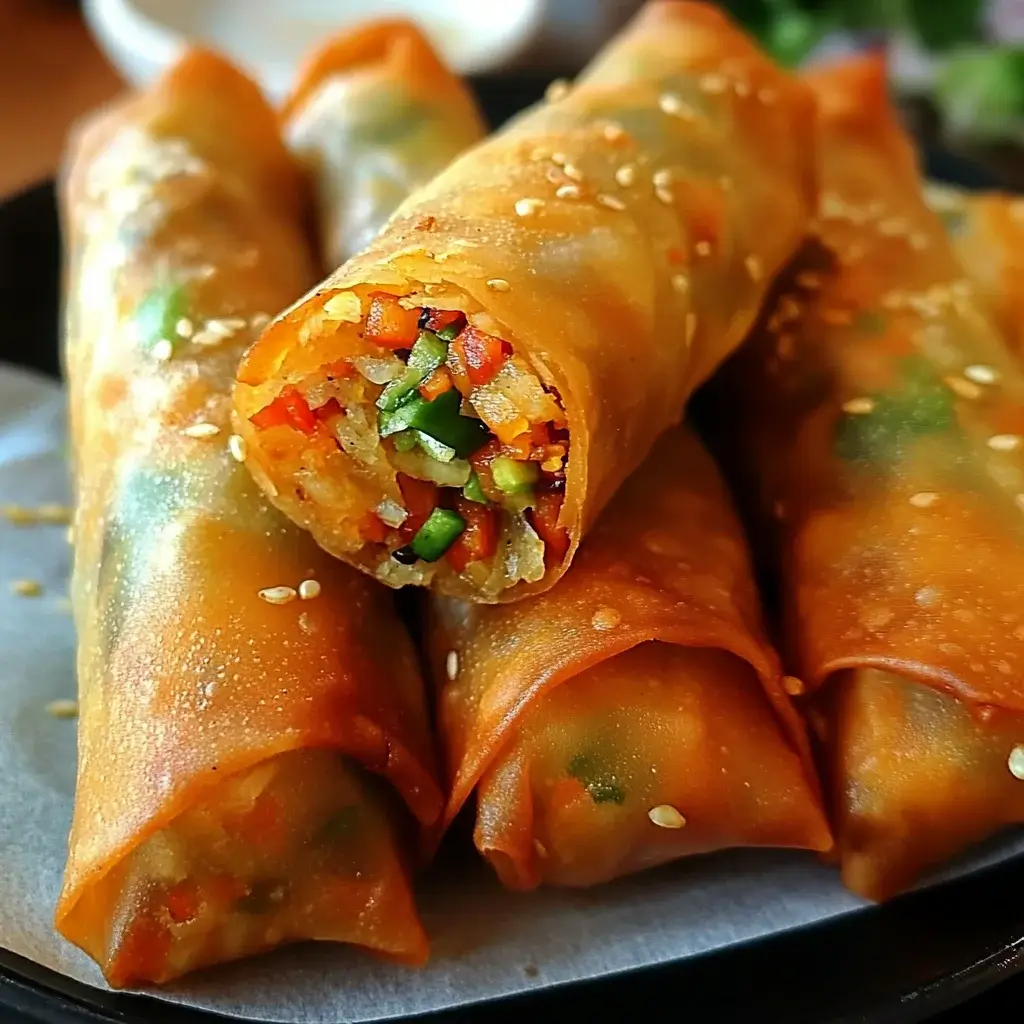
Okay, get ready to dive into the world of delicious and crispy goodness! Honestly, these Crispy Veggie Spring Rolls have become a real hit in my household. Even my picky eaters, who usually side-eye anything remotely green, gobble these up like there’s no tomorrow. The combination of crunchy, golden-brown wrappers and the burst of fresh, flavorful vegetables inside is just irresistible. Whether it’s a light lunch, a fun appetizer for gatherings, or even a satisfying snack, these spring rolls are always a crowd-pleaser. The best part? They’re surprisingly easy to make at home, and you can customize the fillings to your heart’s content. Trust me, once you try these homemade veggie spring rolls, you’ll be ditching the takeout menus for good!
Ingredients
- Spring Roll Wrappers: (Rice paper wrappers, essential for that signature crispy and delicate texture. Look for the circular or square kind in the Asian aisle of your grocery store.)
- Cabbage: (Finely shredded, providing a mild, slightly sweet base and bulk to the filling. Green cabbage is classic, but you can also use Napa or Savoy.)
- Carrots: (Julienned or grated, adding sweetness, color, and a delightful crunch.)
- Bell Peppers: (Thinly sliced, offering a vibrant color, sweetness, and a subtle tang. Use a mix of colors for visual appeal and varied flavor.)
- Shiitake Mushrooms: (Thinly sliced, bringing an earthy, umami-rich flavor. Rehydrated dried shiitake mushrooms work wonderfully too – just remember to soak them and squeeze out excess water.)
- Glass Noodles (Cellophane Noodles): (Soaked and softened, adding a delicate, slippery texture and absorbing the flavors of the filling. Made from mung bean starch, they are light and gluten-free.)
- Green Onions: (Chopped, lending a fresh, mild oniony flavor and a pop of green.)
- Garlic: (Minced, essential for adding aromatic depth and savory notes to the filling.)
- Ginger: (Grated or minced, providing a warm, zesty kick and aromatic complexity.)
- Soy Sauce: (Low sodium, for seasoning and adding umami depth. It balances the sweetness of the vegetables.)
- Sesame Oil: (Toasted, for a nutty aroma and flavor that enhances the Asian-inspired profile of the spring rolls.)
- Rice Vinegar: (Adding a touch of acidity to balance the flavors and brighten the filling.)
- Cornstarch: (For creating a slurry to seal the spring rolls and for a light dusting before frying for extra crispiness.)
- Vegetable Oil: (For frying, choose a neutral oil with a high smoke point like canola, sunflower, or peanut oil.)
- Optional: Dipping Sauce Ingredients: (Sweet chili sauce, peanut sauce, soy sauce with ginger and sesame oil, or your favorite Asian dipping sauce.)
Instructions
- Prepare the Vegetables: Start by thoroughly washing all your vegetables. For the cabbage, remove the outer leaves and finely shred it. Peel and julienne or grate the carrots. Remove the seeds and membranes from the bell peppers and thinly slice them. If using fresh shiitake mushrooms, clean them and thinly slice. If using dried shiitake mushrooms, soak them in hot water for about 20-30 minutes until softened. Squeeze out any excess water and thinly slice them. Chop the green onions. Mince the garlic and ginger. Having all your vegetables prepped and ready to go will make the cooking process much smoother and faster. This step is crucial for efficient spring roll assembly.
- Soak the Glass Noodles: Place the glass noodles in a bowl and cover them with hot water. Let them soak for about 5-7 minutes, or until they are softened but still slightly firm – al dente, like pasta. Over-soaking can make them mushy, which we want to avoid. Once softened, drain the noodles thoroughly and use kitchen shears or a knife to roughly chop them into shorter lengths. This makes them easier to incorporate into the filling and prevents long strands from sticking out of the spring rolls.
- Sauté the Aromatic Base: Heat a large skillet or wok over medium-high heat. Add about 1-2 tablespoons of vegetable oil or sesame oil. Once the oil is hot, add the minced garlic and ginger. Sauté for about 30 seconds to 1 minute, until fragrant, being careful not to burn them. This step infuses the oil with aromatic flavors, creating a flavorful base for the vegetable filling. The aroma of sautéing garlic and ginger is a wonderful indicator that you’re on the right track!
- Sauté the Vegetables: Add the shredded cabbage, carrots, and bell peppers to the skillet. Stir-fry for about 5-7 minutes, or until the vegetables are slightly softened but still retain some of their crispness. We don’t want them to become completely mushy; a little bit of texture is key to a satisfying spring roll filling. Stir frequently to ensure even cooking and prevent sticking.
- Add Mushrooms and Noodles: Add the sliced shiitake mushrooms and chopped glass noodles to the skillet with the vegetables. Continue to stir-fry for another 2-3 minutes, allowing the mushrooms to soften and the noodles to heat through and absorb some of the vegetable flavors. Ensure everything is well combined and evenly distributed in the skillet.
- Season the Filling: Pour in the soy sauce, sesame oil, and rice vinegar over the vegetable mixture. Stir well to combine and ensure the seasoning is evenly distributed throughout the filling. Taste the filling and adjust seasonings as needed. You might want to add a pinch of salt or a dash of black pepper if you feel it needs it. Remember, you want a flavorful filling because it will be wrapped in a relatively bland wrapper. Continue to stir-fry for another minute or two to allow the flavors to meld together beautifully.
- Cool the Filling: Remove the skillet from the heat and let the vegetable filling cool completely. This is a crucial step. Hot filling will make the rice paper wrappers tear and become soggy, making them difficult to handle and roll. Cooling the filling also prevents steam from building up inside the spring rolls during frying, which can also lead to soggy wrappers. You can speed up the cooling process by spreading the filling out on a large plate or baking sheet.
- Prepare the Rice Paper Wrappers: While the filling is cooling, prepare your workspace for rolling the spring rolls. Fill a shallow dish or pan with warm water – not too hot, just comfortably warm to the touch. This water will be used to soften the rice paper wrappers. Have a clean, damp kitchen towel or a large cutting board ready to place the softened wrappers and roll the spring rolls.
- Assemble the Spring Rolls: Take one rice paper wrapper and carefully submerge it in the warm water for about 5-10 seconds, or until it becomes pliable and slightly softened. Be careful not to over-soak it, as it will become too sticky and tear easily. Remove the wrapper from the water and lay it flat on the damp kitchen towel or cutting board.
- Fill and Roll: Place about 2-3 tablespoons of the cooled vegetable filling in the center of the rice paper wrapper, closer to the edge closest to you. Fold the edge of the wrapper closest to you over the filling, tucking it in tightly. Then, fold in the sides of the wrapper towards the center, like you’re wrapping a burrito. Finally, roll the spring roll tightly away from you, sealing the edge as you go. Make sure to roll them firmly but gently to avoid tearing the wrappers. Repeat this process with the remaining wrappers and filling.
- Seal the Spring Rolls (Optional but Recommended): In a small bowl, whisk together 1 tablespoon of cornstarch with 2 tablespoons of water to create a cornstarch slurry. Brush a little bit of this slurry along the final edge of the wrapper just before you finish rolling to help seal the spring roll tightly and prevent it from unraveling during frying. This is especially helpful if you are new to rolling spring rolls.
- Prepare for Frying: Heat about 2-3 inches of vegetable oil in a deep pot or Dutch oven over medium-high heat. The oil is ready when a small piece of rice paper wrapper sizzles and browns quickly when dropped into it (or use a thermometer to aim for 350-375°F or 175-190°C). Make sure you have enough oil to fully submerge the spring rolls for even cooking and crisping.
- Fry the Spring Rolls: Carefully place the spring rolls in the hot oil, working in batches to avoid overcrowding the pot and lowering the oil temperature too much. Fry for about 3-5 minutes per side, or until they are golden brown and crispy all over, turning them occasionally to ensure even cooking. Monitor the heat and adjust as needed to prevent them from burning.
- Drain and Cool: Once the spring rolls are golden brown and crispy, remove them from the hot oil using a slotted spoon or tongs and place them on a wire rack lined with paper towels to drain excess oil. Allow them to cool slightly before serving. The wire rack helps to keep the spring rolls crispy by allowing air to circulate around them, preventing them from becoming soggy from sitting on paper towels.
- Serve and Enjoy: Serve the crispy veggie spring rolls immediately while they are hot and at their crispiest. They are delicious on their own or with your favorite dipping sauce. Sweet chili sauce, peanut sauce, soy sauce with a touch of sesame oil and ginger, or a tangy plum sauce are all excellent choices. Garnish with fresh herbs like cilantro or mint, if desired, for an extra touch of freshness.
Nutrition Facts
(Per serving, approximate values, may vary based on specific ingredients and brands)
- Servings: Approximately 12 spring rolls (recipe yields about 12-15 spring rolls)
- Serving Size: 2 spring rolls
- Calories: 250-300 kcal
- Fat: 12-15g
Note: Nutritional information is an estimate and can vary based on specific ingredients used and portion sizes. For accurate nutritional information, use a nutrition calculator with the specific brands and quantities of ingredients you use.
Preparation Time
- Prep Time: 45 minutes (includes vegetable chopping, noodle soaking, and filling preparation)
- Cook Time: 20-30 minutes (includes spring roll rolling and frying)
- Total Time: Approximately 1 hour 5 minutes – 1 hour 15 minutes
This recipe requires a bit of preparation, mainly in chopping the vegetables. However, the rolling and frying process is relatively quick. You can save time by prepping the vegetables in advance or even making the filling a day ahead and storing it in the refrigerator. Rolling spring rolls can also be a fun activity to do with family or friends!
How to Serve
- Dipping Sauces:
- Sweet Chili Sauce: A classic pairing, offering a sweet and spicy kick.
- Peanut Sauce: Creamy, nutty, and savory, adds richness and depth of flavor.
- Soy Sauce with Ginger and Sesame Oil: Simple yet flavorful, highlighting the umami and Asian flavors.
- Plum Sauce: Tangy and sweet, provides a fruity counterpoint to the savory spring rolls.
- Nuoc Cham: Vietnamese dipping sauce, a vibrant and refreshing mix of fish sauce, lime juice, sugar, chili, and garlic (for a non-vegetarian option, omit fish sauce or substitute with soy sauce and seaweed flakes for umami).
- As an Appetizer: Perfect for parties, gatherings, or as a starter before a main meal. Arrange them beautifully on a platter with dipping sauce on the side.
- Light Lunch or Snack: Enjoy 2-3 spring rolls for a satisfying and relatively light meal or afternoon snack. Pair with a side salad for a more complete lunch.
- Part of a Larger Asian-Inspired Meal: Serve alongside other Asian dishes like stir-fries, noodles, or soups to create a complete and flavorful meal.
- Garnish:
- Fresh cilantro sprigs
- Fresh mint leaves
- Sesame seeds
- Thinly sliced green onions
- Lime wedges
Additional Tips
- Don’t Overfill the Wrappers: Overfilling will make the spring rolls difficult to roll and more prone to tearing. Stick to about 2-3 tablespoons of filling per wrapper. It’s better to make more spring rolls with a slightly smaller filling than to have them burst open during frying.
- Keep Wrappers Moist While Working: Rice paper wrappers dry out quickly and become brittle. Keep the stack of wrappers covered with a damp towel while you are working to prevent them from drying out.
- Roll Tightly and Securely: Rolling tightly ensures a crispy spring roll and prevents the filling from leaking out during frying. Make sure to tuck in the sides firmly and seal the final edge well, especially if you are not using the cornstarch slurry.
- Control the Oil Temperature: Maintain the oil temperature between 350-375°F (175-190°C) for optimal frying. If the oil is too hot, the spring rolls will brown too quickly on the outside and may not be cooked through inside. If it’s too cold, they will absorb too much oil and become greasy. Use a thermometer if you have one, or test with a small piece of wrapper.
- Fry in Batches: Avoid overcrowding the pot when frying. Overcrowding lowers the oil temperature and can result in soggy spring rolls. Fry in batches, allowing enough space for the spring rolls to cook evenly and maintain the oil temperature.
- Baking or Air Frying for a Healthier Option: For a less oily version, you can bake or air fry the spring rolls. Preheat your oven to 400°F (200°C) or air fryer to 375°F (190°C). Brush the spring rolls lightly with oil and bake for about 15-20 minutes, flipping halfway through, or air fry for 10-15 minutes, flipping halfway, until golden brown and crispy. They won’t be as deeply golden and crispy as fried ones, but still delicious and healthier.
- Make-Ahead Tips: You can prepare the vegetable filling a day in advance and store it in the refrigerator. You can also roll the spring rolls a few hours ahead of time and keep them covered with a damp towel in the refrigerator. Fry them just before serving for the best crispiness. Do not fry them in advance and then reheat, as they will lose their crispiness.
- Experiment with Fillings: Feel free to customize the vegetable filling to your liking! Add other vegetables like bean sprouts, snow peas, bok choy, or water chestnuts. You can also add tofu or tempeh for extra protein. Get creative and use your favorite vegetables and flavors to make these spring rolls your own!
FAQ Section
Q1: Can I make these spring rolls vegetarian?
A: Absolutely! This recipe is completely vegetarian as written, using only vegetables, glass noodles, and plant-based seasonings. Ensure your dipping sauce is also vegetarian if needed (avoid fish sauce in Nuoc Cham, for example).
Q2: Are these spring rolls gluten-free?
A: Yes, these spring rolls are naturally gluten-free if you use rice paper wrappers and gluten-free soy sauce (tamari). Glass noodles are also typically made from mung bean starch and are gluten-free. Always double-check the ingredient labels to be certain, especially if you have severe gluten sensitivities.
Q3: Can I bake or air fry these spring rolls instead of frying?
A: Yes, you can bake or air fry them for a healthier option. Baking at 400°F (200°C) for 15-20 minutes or air frying at 375°F (190°C) for 10-15 minutes, flipping halfway through, will give you a crispy result, though not quite as deeply golden and crispy as deep-fried. Brush them lightly with oil before baking or air frying.
Q4: How do I prevent the spring rolls from becoming soggy after frying?
A: Make sure to drain them on a wire rack lined with paper towels immediately after frying. Avoid stacking them on top of each other while cooling. Serve them as soon as possible after frying for maximum crispiness. Cooling the filling completely before rolling also helps to prevent sogginess.
Q5: Can I freeze these spring rolls?
A: It’s not recommended to freeze already fried spring rolls as they tend to lose their crispiness and become soggy upon thawing and reheating. However, you can freeze the unfried spring rolls. Place them on a baking sheet lined with parchment paper, making sure they are not touching, and freeze until solid. Then, transfer them to a freezer-safe bag. Fry them directly from frozen, adding a few extra minutes to the frying time.
Q6: What are some good dipping sauce alternatives if I don’t like sweet chili sauce or peanut sauce?
A: Besides sweet chili and peanut sauce, you can try:
Soy sauce with grated ginger and sesame oil.
Hoisin sauce.
Sriracha mayo (mix sriracha with mayonnaise).
Plum sauce.
A simple mixture of rice vinegar and soy sauce.
Any other Asian-inspired dipping sauce you enjoy!
Q7: Can I use different vegetables in the filling?
A: Absolutely! Feel free to customize the filling with your favorite vegetables. Good additions include:
Bean sprouts
Snow peas
Bok choy
Water chestnuts
Bamboo shoots
Broccoli florets (finely chopped)
Mushrooms (various types)
Edamame
Q8: My rice paper wrappers keep tearing when I roll them. What am I doing wrong?
A: Several things could be causing this:
Over-soaking the wrappers: Don’t soak them for too long. 5-10 seconds in warm water is usually enough. They should be pliable but not overly soft and sticky.
Filling is too hot: Ensure the vegetable filling is completely cooled before rolling. Hot filling can make the wrappers tear.
Overfilling: Too much filling will put strain on the wrappers and cause them to tear. Use a moderate amount of filling (2-3 tablespoons).
Rough handling: Handle the softened wrappers gently. They are delicate.
Wrapper quality: Some brands of rice paper wrappers are thinner and more prone to tearing than others. Try a different brand if you consistently have issues.

Crispy Veggie Spring Rolls
Ingredients
- Spring Roll Wrappers: (Rice paper wrappers, essential for that signature crispy and delicate texture. Look for the circular or square kind in the Asian aisle of your grocery store.)
- Cabbage: (Finely shredded, providing a mild, slightly sweet base and bulk to the filling. Green cabbage is classic, but you can also use Napa or Savoy.)
- Carrots: (Julienned or grated, adding sweetness, color, and a delightful crunch.)
- Bell Peppers: (Thinly sliced, offering a vibrant color, sweetness, and a subtle tang. Use a mix of colors for visual appeal and varied flavor.)
- Shiitake Mushrooms: (Thinly sliced, bringing an earthy, umami-rich flavor. Rehydrated dried shiitake mushrooms work wonderfully too – just remember to soak them and squeeze out excess water.)
- Glass Noodles (Cellophane Noodles): (Soaked and softened, adding a delicate, slippery texture and absorbing the flavors of the filling. Made from mung bean starch, they are light and gluten-free.)
- Green Onions: (Chopped, lending a fresh, mild oniony flavor and a pop of green.)
- Garlic: (Minced, essential for adding aromatic depth and savory notes to the filling.)
- Ginger: (Grated or minced, providing a warm, zesty kick and aromatic complexity.)
- Soy Sauce: (Low sodium, for seasoning and adding umami depth. It balances the sweetness of the vegetables.)
- Sesame Oil: (Toasted, for a nutty aroma and flavor that enhances the Asian-inspired profile of the spring rolls.)
- Rice Vinegar: (Adding a touch of acidity to balance the flavors and brighten the filling.)
- Cornstarch: (For creating a slurry to seal the spring rolls and for a light dusting before frying for extra crispiness.)
- Vegetable Oil: (For frying, choose a neutral oil with a high smoke point like canola, sunflower, or peanut oil.)
- Optional: Dipping Sauce Ingredients: (Sweet chili sauce, peanut sauce, soy sauce with ginger and sesame oil, or your favorite Asian dipping sauce.)
Instructions
- Prepare the Vegetables: Start by thoroughly washing all your vegetables. For the cabbage, remove the outer leaves and finely shred it. Peel and julienne or grate the carrots. Remove the seeds and membranes from the bell peppers and thinly slice them. If using fresh shiitake mushrooms, clean them and thinly slice. If using dried shiitake mushrooms, soak them in hot water for about 20-30 minutes until softened. Squeeze out any excess water and thinly slice them. Chop the green onions. Mince the garlic and ginger. Having all your vegetables prepped and ready to go will make the cooking process much smoother and faster. This step is crucial for efficient spring roll assembly.
- Soak the Glass Noodles: Place the glass noodles in a bowl and cover them with hot water. Let them soak for about 5-7 minutes, or until they are softened but still slightly firm – al dente, like pasta. Over-soaking can make them mushy, which we want to avoid. Once softened, drain the noodles thoroughly and use kitchen shears or a knife to roughly chop them into shorter lengths. This makes them easier to incorporate into the filling and prevents long strands from sticking out of the spring rolls.
- Sauté the Aromatic Base: Heat a large skillet or wok over medium-high heat. Add about 1-2 tablespoons of vegetable oil or sesame oil. Once the oil is hot, add the minced garlic and ginger. Sauté for about 30 seconds to 1 minute, until fragrant, being careful not to burn them. This step infuses the oil with aromatic flavors, creating a flavorful base for the vegetable filling. The aroma of sautéing garlic and ginger is a wonderful indicator that you’re on the right track!
- Sauté the Vegetables: Add the shredded cabbage, carrots, and bell peppers to the skillet. Stir-fry for about 5-7 minutes, or until the vegetables are slightly softened but still retain some of their crispness. We don’t want them to become completely mushy; a little bit of texture is key to a satisfying spring roll filling. Stir frequently to ensure even cooking and prevent sticking.
- Add Mushrooms and Noodles: Add the sliced shiitake mushrooms and chopped glass noodles to the skillet with the vegetables. Continue to stir-fry for another 2-3 minutes, allowing the mushrooms to soften and the noodles to heat through and absorb some of the vegetable flavors. Ensure everything is well combined and evenly distributed in the skillet.
- Season the Filling: Pour in the soy sauce, sesame oil, and rice vinegar over the vegetable mixture. Stir well to combine and ensure the seasoning is evenly distributed throughout the filling. Taste the filling and adjust seasonings as needed. You might want to add a pinch of salt or a dash of black pepper if you feel it needs it. Remember, you want a flavorful filling because it will be wrapped in a relatively bland wrapper. Continue to stir-fry for another minute or two to allow the flavors to meld together beautifully.
- Cool the Filling: Remove the skillet from the heat and let the vegetable filling cool completely. This is a crucial step. Hot filling will make the rice paper wrappers tear and become soggy, making them difficult to handle and roll. Cooling the filling also prevents steam from building up inside the spring rolls during frying, which can also lead to soggy wrappers. You can speed up the cooling process by spreading the filling out on a large plate or baking sheet.
- Prepare the Rice Paper Wrappers: While the filling is cooling, prepare your workspace for rolling the spring rolls. Fill a shallow dish or pan with warm water – not too hot, just comfortably warm to the touch. This water will be used to soften the rice paper wrappers. Have a clean, damp kitchen towel or a large cutting board ready to place the softened wrappers and roll the spring rolls.
- Assemble the Spring Rolls: Take one rice paper wrapper and carefully submerge it in the warm water for about 5-10 seconds, or until it becomes pliable and slightly softened. Be careful not to over-soak it, as it will become too sticky and tear easily. Remove the wrapper from the water and lay it flat on the damp kitchen towel or cutting board.
- Fill and Roll: Place about 2-3 tablespoons of the cooled vegetable filling in the center of the rice paper wrapper, closer to the edge closest to you. Fold the edge of the wrapper closest to you over the filling, tucking it in tightly. Then, fold in the sides of the wrapper towards the center, like you’re wrapping a burrito. Finally, roll the spring roll tightly away from you, sealing the edge as you go. Make sure to roll them firmly but gently to avoid tearing the wrappers. Repeat this process with the remaining wrappers and filling.
- Seal the Spring Rolls (Optional but Recommended): In a small bowl, whisk together 1 tablespoon of cornstarch with 2 tablespoons of water to create a cornstarch slurry. Brush a little bit of this slurry along the final edge of the wrapper just before you finish rolling to help seal the spring roll tightly and prevent it from unraveling during frying. This is especially helpful if you are new to rolling spring rolls.
- Prepare for Frying: Heat about 2-3 inches of vegetable oil in a deep pot or Dutch oven over medium-high heat. The oil is ready when a small piece of rice paper wrapper sizzles and browns quickly when dropped into it (or use a thermometer to aim for 350-375°F or 175-190°C). Make sure you have enough oil to fully submerge the spring rolls for even cooking and crisping.
- Fry the Spring Rolls: Carefully place the spring rolls in the hot oil, working in batches to avoid overcrowding the pot and lowering the oil temperature too much. Fry for about 3-5 minutes per side, or until they are golden brown and crispy all over, turning them occasionally to ensure even cooking. Monitor the heat and adjust as needed to prevent them from burning.
- Drain and Cool: Once the spring rolls are golden brown and crispy, remove them from the hot oil using a slotted spoon or tongs and place them on a wire rack lined with paper towels to drain excess oil. Allow them to cool slightly before serving. The wire rack helps to keep the spring rolls crispy by allowing air to circulate around them, preventing them from becoming soggy from sitting on paper towels.
- Serve and Enjoy: Serve the crispy veggie spring rolls immediately while they are hot and at their crispiest. They are delicious on their own or with your favorite dipping sauce. Sweet chili sauce, peanut sauce, soy sauce with a touch of sesame oil and ginger, or a tangy plum sauce are all excellent choices. Garnish with fresh herbs like cilantro or mint, if desired, for an extra touch of freshness.
Nutrition
- Serving Size: one normal portion
- Calories: 300
- Fat: 15g