

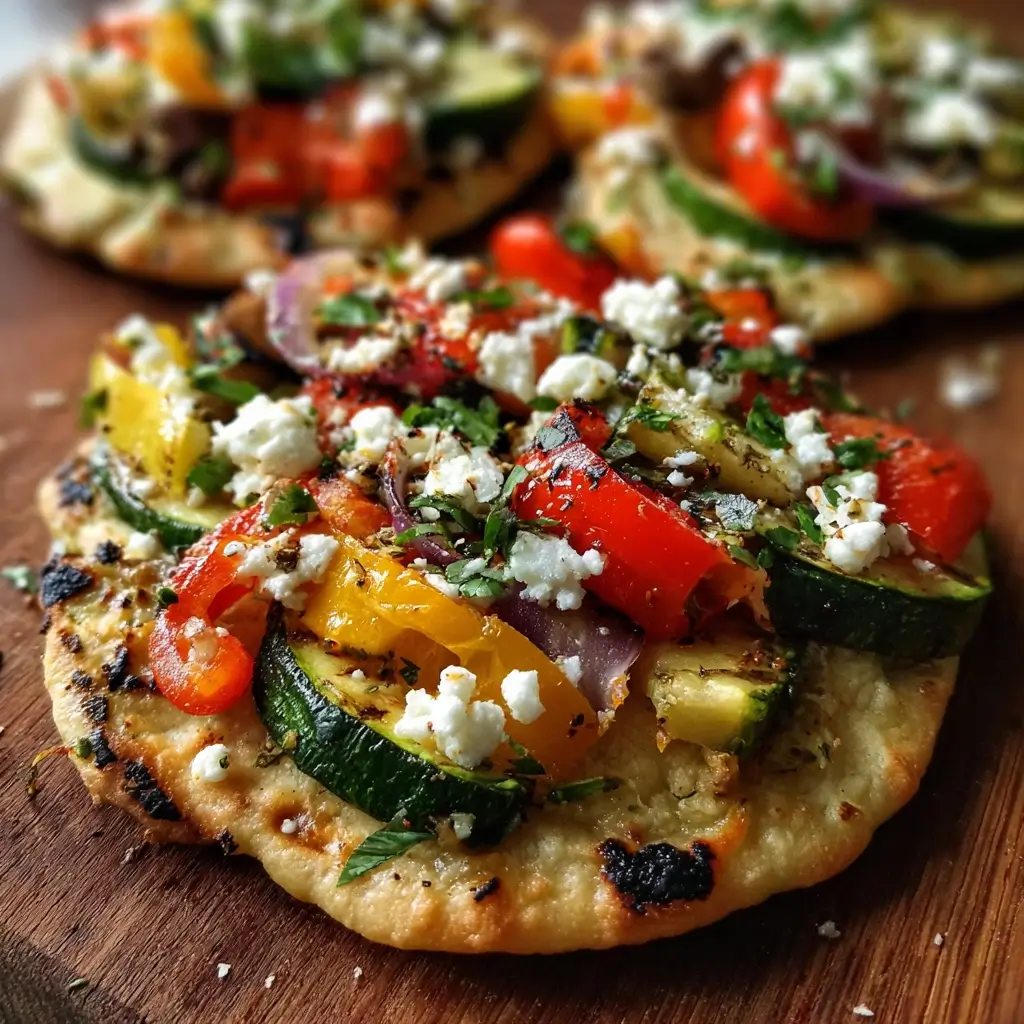

Of all the recipes that have become a staple in my kitchen, this one for Fresh Mini Veggie Flatbreads holds a special place in my heart. I remember the first time I made them on a frantic weeknight. I was staring at a fridge full of disparate vegetables and had a family of hungry, discerning eaters to please. I needed something fast, something healthy, and something that wouldn’t result in a chorus of groans. On a whim, I whipped up a simple, no-yeast dough, raided the crisper drawer, and let everyone build their own mini masterpiece. The result was nothing short of miraculous. The kitchen filled with the incredible aroma of baking bread and roasting vegetables, and the sight of those colorful, personal-sized flatbreads coming out of the oven brought immediate smiles. My kids, who normally push peppers and onions to the side of their plate, were devouring their creations. It was a victory. Since that day, these flatbreads have become our go-to for everything from quick dinners and fun appetizers for guests to a creative way to use up leftover vegetables. They are endlessly customizable, incredibly forgiving, and proof that wholesome food can be the most exciting and delicious food of all. This recipe isn’t just about a meal; it’s about creating a moment of shared joy and vibrant flavor.
Ingredients
This recipe is broken down into three core components: the simple homemade flatbread dough, the creamy and flavorful base, and the fresh, vibrant vegetable toppings. Each ingredient is chosen for its specific contribution to the final taste and texture.
For the 2-Ingredient Flatbread Dough:
- 2 cups All-Purpose Flour: This is the structural foundation of our dough. All-purpose flour provides the perfect balance of protein for a crust that is both chewy and tender. You will also need a little extra for dusting your work surface.
- 1 ½ cups Plain Greek Yogurt: This is the magic ingredient. The acidity in the Greek yogurt reacts with the leavening agents in the self-rising flour (if using) or tenderizes the gluten in all-purpose flour, creating an incredibly soft dough without the need for yeast or long proofing times. Full-fat yogurt yields the richest result.
- 1 teaspoon Salt: Essential for flavor. Salt enhances the taste of the flour and yogurt, ensuring your flatbread base isn’t bland.
- 1 teaspoon Baking Powder: This is our leavening agent. It gives the flatbread a slight lift as it bakes, preventing it from being dense and cracker-like.
For the Herbed Creamy Base:
- 1 cup Ricotta Cheese or Cream Cheese, softened: This creates a luscious, creamy layer that protects the dough from getting soggy from the vegetable juices. Ricotta offers a lighter, slightly grainy texture, while cream cheese provides a richer, tangier base.
- 2 cloves Garlic, minced: Freshly minced garlic infuses the base with a pungent, aromatic flavor that pairs beautifully with the roasted vegetables.
- 1 tablespoon Fresh Herbs, finely chopped (such as basil, oregano, or thyme): Fresh herbs elevate the entire dish. Basil adds a sweet, peppery note, oregano brings a classic Mediterranean flavor, and thyme contributes an earthy, lemony touch.
- Pinch of Red Pepper Flakes (optional): For those who enjoy a little warmth, a small pinch adds a subtle background heat that cuts through the richness of the cheese.
- Salt and Black Pepper to taste: To season the base layer perfectly.
For the Fresh Vegetable Toppings:
- 1 Red Bell Pepper, thinly sliced: Bell peppers become wonderfully sweet and tender when roasted, adding a vibrant red color and classic flavor.
- 1 Zucchini, thinly sliced into rounds: Zucchini adds a mild, slightly sweet flavor and a soft texture that complements the other ingredients.
- ½ Red Onion, thinly sliced: When baked, red onion loses its sharp bite and caramelizes into a sweet, jammy accent that provides a fantastic depth of flavor.
- 1 cup Cherry Tomatoes, halved: These little gems burst with juicy sweetness in the oven, creating little pockets of bright, acidic flavor.
- ½ cup Kalamata Olives, pitted and halved (optional): For a briny, salty punch that adds a distinctive Mediterranean flair to the flatbreads.
- 1 cup Crumbled Feta or Shredded Mozzarella Cheese: Feta adds a salty, tangy bite that holds its shape, while mozzarella provides that classic, irresistible cheesy pull. You can use one or a combination of both.
- 2 tablespoons Olive Oil: Drizzled over the vegetables and the crust, olive oil helps everything roast to perfection, prevents sticking, and adds a rich, fruity flavor.
Instructions
Follow these detailed steps to create flawless mini veggie flatbreads. The process is straightforward, but paying attention to the details will ensure a crispy crust, perfectly cooked toppings, and an incredibly delicious result.
Step 1: Prepare the Oven and Baking Sheets
Preheat your oven to 425°F (220°C). This high heat is crucial for achieving a crispy, golden-brown crust. Place two large baking sheets in the oven while it preheats. A hot baking sheet will immediately start cooking the bottom of the flatbread dough, preventing a soggy bottom and creating a professional, pizzeria-style crust.
Step 2: Make the Flatbread Dough
In a large mixing bowl, whisk together the all-purpose flour, salt, and baking powder. This ensures the leavening agent and salt are evenly distributed. Add the plain Greek yogurt to the dry ingredients. Using a spatula or wooden spoon, mix until a shaggy, rough dough begins to form. Don’t worry if it looks messy at this stage.
Step 3: Knead the Dough
Lightly flour a clean work surface (like a countertop or a large cutting board). Turn the shaggy dough out of the bowl onto the floured surface. Knead the dough for 3-5 minutes. To knead, press the heel of your hand into the dough, push it forward, fold it over on itself, and give it a quarter turn. Repeat this process. The dough will transform from sticky and rough to smooth and elastic. If it remains overly sticky, add a tablespoon of flour at a time. The final dough should be soft and slightly tacky, but not stick to your hands.
Step 4: Divide and Shape the Dough
Form the kneaded dough into a ball. Using a bench scraper or a knife, divide the dough into 6 or 8 equal pieces, depending on how “mini” you want your flatbreads to be. Roll each piece into a small ball. On your floured surface, use a rolling pin or your hands to flatten each ball into a rustic, oval or circular shape, about ¼-inch thick. Don’t strive for perfect circles; the irregular shapes add to their homemade charm.
Step 5: Prepare the Creamy Base
In a small bowl, combine the ricotta or softened cream cheese, minced garlic, finely chopped fresh herbs, and the optional red pepper flakes. Season with salt and black pepper. Mix until everything is well incorporated and you have a smooth, spreadable base.
Step 6: Assemble the Flatbreads
Carefully remove the hot baking sheets from the oven. You can either place parchment paper on them or work directly on the hot surface for an extra-crispy crust. Quickly and carefully place the shaped dough pieces onto the hot sheets, leaving some space between each one. Spread a thin, even layer of the herbed cheese mixture over each piece of dough, leaving a small border around the edges to create a crust.
Step 7: Add the Toppings
Now for the creative part. Artfully arrange the sliced red bell pepper, zucchini, red onion, and halved cherry tomatoes over the creamy base. Scatter the Kalamata olives, if using. Don’t overload the flatbreads, as this can lead to a soggy crust. Drizzle a small amount of olive oil over the vegetables and the exposed crust of each flatbread. Finally, sprinkle the crumbled feta or shredded mozzarella over the top.
Step 8: Bake to Perfection
Place the baking sheets back into the preheated 425°F (220°C) oven. Bake for 12-18 minutes. The exact time will depend on your oven and the thickness of your flatbreads. You’ll know they’re done when the crust is a deep golden brown, the cheese is melted and bubbly, and the vegetables are tender and slightly caramelized at the edges.
Step 9: Garnish and Serve
Once baked, carefully remove the flatbreads from the oven. Let them cool for a minute or two before serving. This allows the cheese to set slightly, making them easier to handle. For a final touch of freshness, you can garnish with extra fresh basil, a sprinkle of flaky sea salt, or a drizzle of balsamic glaze. Serve immediately while warm.
Nutrition Facts
- Servings: 6-8 mini flatbreads
- Calories Per Serving (approximate): 350-400 kcal
- High in Protein (Approx. 15g per serving): Thanks to the Greek yogurt in the dough and the cheese on top, these flatbreads provide a substantial amount of protein, which is essential for muscle repair, immune function, and keeping you feeling full and satisfied.
- Excellent Source of Fiber: The all-purpose flour and the wealth of vegetables contribute dietary fiber. Fiber is crucial for digestive health, helps regulate blood sugar levels, and contributes to a feeling of fullness.
- Rich in Vitamins and Minerals: Each flatbread is a vehicle for nutrient-dense vegetables. Bell peppers provide a significant dose of Vitamin C, tomatoes are rich in lycopene (a powerful antioxidant), and leafy greens would add Vitamin K and iron.
- Controlled Sodium: By making the dough and sauce from scratch, you have complete control over the amount of salt used. This makes it a much healthier alternative to many store-bought pizzas and flatbreads that are often loaded with sodium.
- Source of Healthy Fats: The olive oil and optional olives provide monounsaturated fats, which are beneficial for heart health and can help reduce bad cholesterol levels.
Preparation time
The beauty of this recipe lies in its efficiency, making it perfect for any day of the week. The total time from start to finish is under an hour.
- Active Preparation Time (15-20 minutes): This includes mixing and kneading the dough, chopping the vegetables, and assembling the flatbreads. With a bit of practice, you can have them ready for the oven in just 15 minutes.
- Dough Resting Time (5 minutes): Unlike yeasted doughs, this Greek yogurt dough requires only a brief rest after kneading to allow the gluten to relax, making it easier to roll out.
- Cooking Time (12-18 minutes): The high oven temperature ensures a quick bake time, getting dinner on the table fast.
How to Serve
These versatile mini flatbreads can be served in numerous ways, adapting to any occasion from a casual family dinner to an elegant party appetizer.
- As a Light Main Course:
- Serve one or two flatbreads per person.
- Pair with a simple side salad dressed in a light vinaigrette to round out the meal. A fresh arugula salad with lemon and parmesan is an excellent choice.
- Accompany with a bowl of hearty lentil or minestrone soup for a comforting and complete dinner.
- As a Crowd-Pleasing Appetizer:
- Bake the flatbreads as directed, then slice them into smaller, bite-sized wedges or strips.
- Arrange them on a large platter for easy grabbing.
- Set out small bowls of dipping sauces like marinara, pesto, or a garlic aioli for guests to enjoy.
- For a “Build-Your-Own” Flatbread Bar:
- This is a fantastic idea for parties, family gatherings, or a fun kids’ activity.
- Prepare the dough and the herbed base ahead of time.
- Set out a wide variety of chopped vegetables, different cheeses, and other toppings in separate bowls.
- Let everyone assemble their own custom mini flatbread before baking. It’s an interactive and engaging way to eat.
- As a Healthy and Delicious Lunch:
- Leftover flatbreads are perfect for a packed lunch.
- They are delicious eaten cold or can be quickly reheated in a toaster oven or air fryer to bring back their crispiness.
- Pack alongside some fresh fruit and nuts for a balanced and easy midday meal.
Additional tips
Master this recipe and make it your own with these eight expert tips designed to enhance flavor, improve texture, and streamline your cooking process.
- Don’t Overwork the Dough: Knead the dough just until it becomes smooth and elastic. Over-kneading can develop too much gluten, resulting in a tough, chewy crust instead of a tender one. The dough is ready when it gently springs back when you press a finger into it.
- Pre-Cook “Wetter” Vegetables: If you’re using vegetables with very high water content, like mushrooms or spinach, it’s a good idea to quickly sauté them in a dry pan for a few minutes before adding them to the flatbreads. This releases excess moisture and prevents the crust from becoming soggy.
- Get the Crust Extra Crispy: For an unbelievably crisp bottom crust, consider using a pizza stone or a steel. Preheat the stone or steel in the oven for at least 45 minutes. Assemble your flatbreads on parchment paper and use a pizza peel to slide them directly onto the hot surface. The intense, direct heat will create a fantastic texture.
- Embrace Flavorful Finishing Touches: The moment the flatbreads come out of the oven is a golden opportunity to add more flavor. A drizzle of high-quality balsamic glaze, a squeeze of fresh lemon juice, a scattering of fresh arugula, or a sprinkle of grated Parmesan cheese can elevate the final taste from great to unforgettable.
- Make the Dough in Advance: You can prepare the Greek yogurt dough up to 2 days ahead of time. After kneading, wrap it tightly in plastic wrap and store it in the refrigerator. Let it sit at room temperature for about 20-30 minutes before rolling it out to make it more pliable.
- Experiment with Different Cheeses: While mozzarella and feta are fantastic, don’t be afraid to experiment. Creamy goat cheese pairs beautifully with bell peppers and onions. A sharp provolone can add a smoky depth, and a few dollops of burrata added after baking will create pockets of luxurious creaminess.
- Infuse Your Olive Oil: For an easy flavor boost, create a simple infused oil. Gently warm your olive oil in a small saucepan with a crushed garlic clove and a sprig of rosemary for a few minutes. Let it cool slightly, then use this aromatic oil to drizzle over the vegetables and crust before baking.
- Don’t Slice Your Veggies Too Thick: To ensure all the vegetables cook through in the short baking time, slice them thinly and uniformly. A mandoline slicer is a great tool for achieving perfectly even, thin slices of zucchini and onion, guaranteeing a tender and well-cooked topping in every bite.
FAQ section
Here are answers to some of the most common questions about making fresh mini veggie flatbreads.
1. Can I use store-bought pizza dough or flatbreads instead?
Absolutely. If you’re short on time, using pre-made dough or pre-baked flatbreads is a great shortcut. For raw pizza dough, simply divide and shape it as instructed in the recipe. For pre-baked flatbreads (like naan or pita), you can simply add your toppings and bake at a slightly lower temperature of 400°F (200°C) for about 8-10 minutes, or just until the cheese is melted and bubbly.
2. How can I make this recipe vegan?
This recipe is easily adaptable for a vegan diet. For the dough, use a plain, unsweetened plant-based yogurt (such as coconut or soy yogurt) instead of Greek yogurt. For the creamy base, use a vegan cream cheese or a cashew-based ricotta alternative. Top with your favorite dairy-free shredded cheese or simply leave the cheese off and add a sprinkle of nutritional yeast for a savory, “cheesy” flavor.
3. My flatbreads came out soggy. What went wrong?
Sogginess is usually caused by excess moisture. There are a few common culprits: using vegetables with high water content without pre-cooking them (see Tip #2), overloading the flatbread with too many toppings, or not having your oven hot enough. Ensure your oven is fully preheated to 425°F (220°C) and that you preheat your baking sheet for a crispier bottom.
4. Can I make these flatbreads gluten-free?
Yes, you can make a gluten-free version. Use a high-quality “1-to-1” or “measure-for-measure” gluten-free all-purpose flour blend in place of the regular flour. These blends already contain xanthan gum, which is necessary to provide the structure that gluten normally would. Be aware that gluten-free dough can be a bit stickier and more delicate to handle, so be generous when flouring your work surface.
5. What are some other vegetable topping ideas?
The possibilities are endless! Feel free to customize based on what’s in season or in your fridge. Some other fantastic options include:
- Sliced mushrooms and spinach (be sure to pre-cook them).
- Broccoli florets and sun-dried tomatoes.
- Artichoke hearts, roasted garlic, and goat cheese.
- Butternut squash, sage, and caramelized onions for a fall-themed flatbread.
- Corn, black beans, and a sprinkle of chili powder for a Southwest-inspired version.
6. How do I store and reheat leftovers?
Store any leftover flatbreads in an airtight container in the refrigerator for up to 3 days. The best way to reheat them and revive their crispy texture is in an oven or toaster oven at 375°F (190°C) for 5-7 minutes. An air fryer also works wonderfully, reheating them in just 3-4 minutes. Avoid using the microwave, as it will make the crust soft and chewy.
7. Can I add a non-vegetarian protein to these flatbreads?
Certainly. These veggie flatbreads are a great base for adding protein. You could add pre-cooked shredded chicken, crumbled cooked beef, or mini pepperoni before baking. For a delicious twist, top the baked flatbread with thinly sliced prosciutto or ham right before serving.
8. Can I freeze the flatbreads for later?
Yes, this recipe is very freezer-friendly. You can freeze them either unbaked or baked. To freeze unbaked, assemble the flatbreads completely on a parchment-lined baking sheet, then place the sheet in the freezer until they are solid. Transfer the frozen flatbreads to a freezer bag. You can bake them directly from frozen, adding about 5-10 minutes to the baking time. To freeze baked flatbreads, let them cool completely, then wrap them individually and freeze. Reheat in the oven as you would with refrigerated leftovers.

Fresh Mini Veggie Flatbreads
Ingredients
This recipe is broken down into three core components: the simple homemade flatbread dough, the creamy and flavorful base, and the fresh, vibrant vegetable toppings. Each ingredient is chosen for its specific contribution to the final taste and texture.
For the 2-Ingredient Flatbread Dough:
- 2 cups All-Purpose Flour: This is the structural foundation of our dough. All-purpose flour provides the perfect balance of protein for a crust that is both chewy and tender. You will also need a little extra for dusting your work surface.
- 1 ½ cups Plain Greek Yogurt: This is the magic ingredient. The acidity in the Greek yogurt reacts with the leavening agents in the self-rising flour (if using) or tenderizes the gluten in all-purpose flour, creating an incredibly soft dough without the need for yeast or long proofing times. Full-fat yogurt yields the richest result.
- 1 teaspoon Salt: Essential for flavor. Salt enhances the taste of the flour and yogurt, ensuring your flatbread base isn’t bland.
- 1 teaspoon Baking Powder: This is our leavening agent. It gives the flatbread a slight lift as it bakes, preventing it from being dense and cracker-like.
For the Herbed Creamy Base:
- 1 cup Ricotta Cheese or Cream Cheese, softened: This creates a luscious, creamy layer that protects the dough from getting soggy from the vegetable juices. Ricotta offers a lighter, slightly grainy texture, while cream cheese provides a richer, tangier base.
- 2 cloves Garlic, minced: Freshly minced garlic infuses the base with a pungent, aromatic flavor that pairs beautifully with the roasted vegetables.
- 1 tablespoon Fresh Herbs, finely chopped (such as basil, oregano, or thyme): Fresh herbs elevate the entire dish. Basil adds a sweet, peppery note, oregano brings a classic Mediterranean flavor, and thyme contributes an earthy, lemony touch.
- Pinch of Red Pepper Flakes (optional): For those who enjoy a little warmth, a small pinch adds a subtle background heat that cuts through the richness of the cheese.
- Salt and Black Pepper to taste: To season the base layer perfectly.
For the Fresh Vegetable Toppings:
- 1 Red Bell Pepper, thinly sliced: Bell peppers become wonderfully sweet and tender when roasted, adding a vibrant red color and classic flavor.
- 1 Zucchini, thinly sliced into rounds: Zucchini adds a mild, slightly sweet flavor and a soft texture that complements the other ingredients.
- ½ Red Onion, thinly sliced: When baked, red onion loses its sharp bite and caramelizes into a sweet, jammy accent that provides a fantastic depth of flavor.
- 1 cup Cherry Tomatoes, halved: These little gems burst with juicy sweetness in the oven, creating little pockets of bright, acidic flavor.
- ½ cup Kalamata Olives, pitted and halved (optional): For a briny, salty punch that adds a distinctive Mediterranean flair to the flatbreads.
- 1 cup Crumbled Feta or Shredded Mozzarella Cheese: Feta adds a salty, tangy bite that holds its shape, while mozzarella provides that classic, irresistible cheesy pull. You can use one or a combination of both.
- 2 tablespoons Olive Oil: Drizzled over the vegetables and the crust, olive oil helps everything roast to perfection, prevents sticking, and adds a rich, fruity flavor.
Instructions
Follow these detailed steps to create flawless mini veggie flatbreads. The process is straightforward, but paying attention to the details will ensure a crispy crust, perfectly cooked toppings, and an incredibly delicious result.
Step 1: Prepare the Oven and Baking Sheets
Preheat your oven to 425°F (220°C). This high heat is crucial for achieving a crispy, golden-brown crust. Place two large baking sheets in the oven while it preheats. A hot baking sheet will immediately start cooking the bottom of the flatbread dough, preventing a soggy bottom and creating a professional, pizzeria-style crust.
Step 2: Make the Flatbread Dough
In a large mixing bowl, whisk together the all-purpose flour, salt, and baking powder. This ensures the leavening agent and salt are evenly distributed. Add the plain Greek yogurt to the dry ingredients. Using a spatula or wooden spoon, mix until a shaggy, rough dough begins to form. Don’t worry if it looks messy at this stage.
Step 3: Knead the Dough
Lightly flour a clean work surface (like a countertop or a large cutting board). Turn the shaggy dough out of the bowl onto the floured surface. Knead the dough for 3-5 minutes. To knead, press the heel of your hand into the dough, push it forward, fold it over on itself, and give it a quarter turn. Repeat this process. The dough will transform from sticky and rough to smooth and elastic. If it remains overly sticky, add a tablespoon of flour at a time. The final dough should be soft and slightly tacky, but not stick to your hands.
Step 4: Divide and Shape the Dough
Form the kneaded dough into a ball. Using a bench scraper or a knife, divide the dough into 6 or 8 equal pieces, depending on how “mini” you want your flatbreads to be. Roll each piece into a small ball. On your floured surface, use a rolling pin or your hands to flatten each ball into a rustic, oval or circular shape, about ¼-inch thick. Don’t strive for perfect circles; the irregular shapes add to their homemade charm.
Step 5: Prepare the Creamy Base
In a small bowl, combine the ricotta or softened cream cheese, minced garlic, finely chopped fresh herbs, and the optional red pepper flakes. Season with salt and black pepper. Mix until everything is well incorporated and you have a smooth, spreadable base.
Step 6: Assemble the Flatbreads
Carefully remove the hot baking sheets from the oven. You can either place parchment paper on them or work directly on the hot surface for an extra-crispy crust. Quickly and carefully place the shaped dough pieces onto the hot sheets, leaving some space between each one. Spread a thin, even layer of the herbed cheese mixture over each piece of dough, leaving a small border around the edges to create a crust.
Step 7: Add the Toppings
Now for the creative part. Artfully arrange the sliced red bell pepper, zucchini, red onion, and halved cherry tomatoes over the creamy base. Scatter the Kalamata olives, if using. Don’t overload the flatbreads, as this can lead to a soggy crust. Drizzle a small amount of olive oil over the vegetables and the exposed crust of each flatbread. Finally, sprinkle the crumbled feta or shredded mozzarella over the top.
Step 8: Bake to Perfection
Place the baking sheets back into the preheated 425°F (220°C) oven. Bake for 12-18 minutes. The exact time will depend on your oven and the thickness of your flatbreads. You’ll know they’re done when the crust is a deep golden brown, the cheese is melted and bubbly, and the vegetables are tender and slightly caramelized at the edges.
Step 9: Garnish and Serve
Once baked, carefully remove the flatbreads from the oven. Let them cool for a minute or two before serving. This allows the cheese to set slightly, making them easier to handle. For a final touch of freshness, you can garnish with extra fresh basil, a sprinkle of flaky sea salt, or a drizzle of balsamic glaze. Serve immediately while warm.
Nutrition
- Serving Size: one normal portion
- Calories: 400
- Protein: 15g