
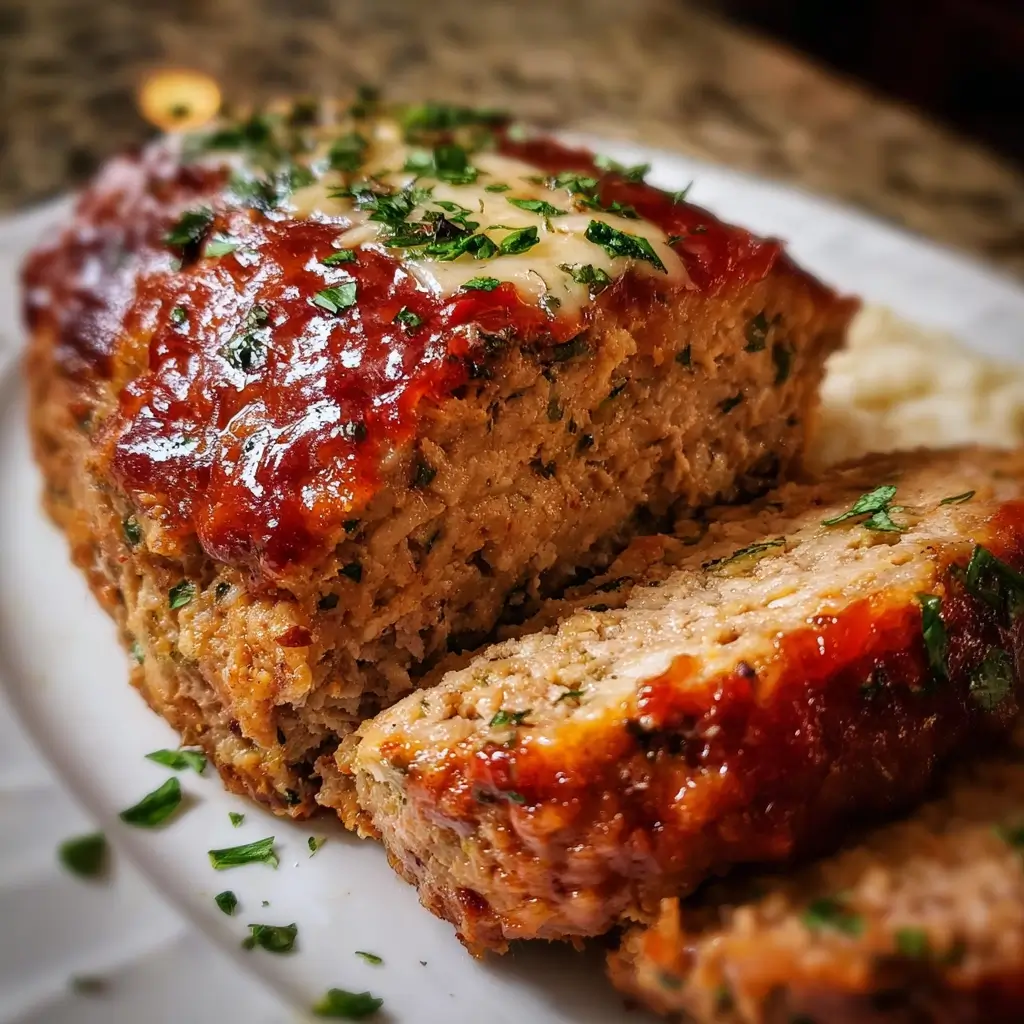
Of all the classic comfort foods, meatloaf holds a special place in my heart, but it’s always been a bit of a culinary gamble. I’ve had my share of dry, bland, or just plain uninspired loaves. For years, I avoided making turkey meatloaf altogether, convinced it was doomed to be the driest of them all. That all changed one Tuesday night. I was determined to create a healthier meatloaf that my family wouldn’t just tolerate, but would actively request. I knew the secret had to be in adding moisture and a massive punch of flavor. The idea struck me: garlic and butter. Not just a little, but enough to transform the entire dish. The result was this Garlic Butter Turkey Meatloaf, and to say it was a success would be an understatement. The aroma alone, a rich blend of roasting garlic, butter, and savory herbs, brought everyone to the kitchen before the timer even went off. The first slice revealed a perfectly moist, tender interior, glistening with flavor, all encased in a beautifully caramelized, golden-brown glaze. My kids, who usually push turkey anything around their plates, devoured their portions and asked for seconds. It has since become our go-to weeknight champion—a recipe that feels indulgent and comforting but is secretly packed with leaner protein. It’s reliable, unbelievably delicious, and has completely redeemed turkey meatloaf in our household.
Ingredients
Here is the full list of ingredients you’ll need to create this incredibly moist and flavorful garlic butter turkey meatloaf. Each component is chosen specifically to build layers of flavor and ensure a perfect texture.
For the Turkey Meatloaf:
- Ground Turkey (2 lbs): Use 93/7 ground turkey for the best balance of flavor and moisture. Leaner turkey can result in a drier meatloaf.
- Panko Breadcrumbs (1 cup): These Japanese-style breadcrumbs are lighter and absorb less moisture than traditional breadcrumbs, helping to keep the meatloaf tender and not dense.
- Whole Milk (½ cup): Soaking the breadcrumbs in milk creates a “panade,” which is the secret to a moist meatloaf. It adds moisture without making the mixture watery.
- Large Eggs (2): Eggs act as a binder, holding the meatloaf together so it doesn’t crumble after baking.
- Yellow Onion (1 medium): Finely diced. Sautéing the onion before adding it to the mix mellows its flavor and adds a subtle sweetness.
- Garlic (4 cloves): Minced. This is a foundational flavor of the dish; don’t be shy.
- Worcestershire Sauce (2 tablespoons): Adds a deep, savory, umami flavor that complements the turkey beautifully.
- Fresh Parsley (¼ cup): Chopped. Brings a bright, fresh, peppery note that cuts through the richness.
- Dried Thyme (1 teaspoon): Its earthy, slightly minty flavor pairs wonderfully with poultry.
- Salt (1 ½ teaspoons): Essential for seasoning and bringing out all the other flavors.
- Black Pepper (1 teaspoon): Freshly ground for the best, most pungent flavor.
- Unsalted Butter (2 tablespoons): Used for sautéing the onions and garlic, creating the first layer of buttery goodness.
For the Garlic Butter Glaze:
- Unsalted Butter (¼ cup): The star of the glaze, creating a rich, savory crust.
- Garlic (2 cloves): Finely minced or pressed to infuse the butter with maximum garlic flavor.
- Brown Sugar (2 tablespoons): Packed. Adds a touch of sweetness that helps the glaze caramelize beautifully in the oven.
- Ketchup (¼ cup): Provides a classic tangy and sweet meatloaf glaze base.
- Worcestershire Sauce (1 tablespoon): Reinforces the savory depth found inside the meatloaf.
Instructions
Follow these step-by-step instructions carefully to ensure your turkey meatloaf is perfectly cooked, moist, and delicious. The key is in the preparation and not overworking the meat mixture.
Step 1: Prepare Your Oven and Pan
Preheat your oven to 375°F (190°C). Line a large, rimmed baking sheet with parchment paper or aluminum foil for easy cleanup. If using a loaf pan, lightly grease it. Shaping the loaf on a baking sheet allows for more surface area to brown, creating a better crust.
Step 2: Sauté the Aromatics
In a medium skillet, melt 2 tablespoons of unsalted butter over medium heat. Add the finely diced yellow onion and cook, stirring occasionally, until it has softened and become translucent, about 5-7 minutes. Add the 4 cloves of minced garlic and cook for another minute until fragrant. Be careful not to burn the garlic. Remove the skillet from the heat and set it aside to cool slightly. This step is crucial as it removes the raw, sharp bite from the onion and garlic, creating a deeper, sweeter flavor profile.
Step 3: Make the Panade
While the onions and garlic are cooling, prepare the panade. In a very large mixing bowl, combine the 1 cup of Panko breadcrumbs and ½ cup of whole milk. Stir them together and let the mixture sit for about 5 minutes. The breadcrumbs will absorb the milk, becoming a soft paste. This panade is the secret weapon against dry meatloaf, as it traps moisture within the meat as it cooks.
Step 4: Combine the Meatloaf Ingredients
To the large bowl containing the panade, add the 2 lbs of ground turkey, the 2 large eggs, the cooled onion and garlic mixture, 2 tablespoons of Worcestershire sauce, the chopped fresh parsley, dried thyme, salt, and black pepper.
Step 5: Mix and Form the Loaf
Using your hands, gently mix all the ingredients together until they are just combined. Be very careful not to overmix. Overworking the meat will develop the proteins too much, resulting in a tough, dense, and rubbery meatloaf. The mixture should be uniform, but it’s okay if it looks a little shaggy. Transfer the mixture to your prepared baking sheet and gently shape it into a rectangular loaf, approximately 9×5 inches in size.
Step 6: Prepare the Garlic Butter Glaze
In a small saucepan, melt the ¼ cup of unsalted butter over low heat. Add the 2 cloves of minced garlic and cook for 30 seconds until fragrant. Whisk in the packed brown sugar, ¼ cup of ketchup, and 1 tablespoon of Worcestershire sauce. Continue to whisk until the sugar is dissolved and the glaze is smooth.
Step 7: Glaze and Bake
Spoon or brush about half of the garlic butter glaze evenly over the top and sides of the meatloaf. Place the meatloaf in the preheated oven and bake for 30 minutes.
Step 8: Final Glaze and Finish Baking
After 30 minutes, remove the meatloaf from the oven and carefully apply the remaining glaze over the top. This two-step glazing process prevents the sugar in the glaze from burning before the meatloaf is fully cooked. Return the meatloaf to the oven and bake for an additional 20-30 minutes, or until the meatloaf is cooked through and the internal temperature reaches 165°F (74°C) on a meat thermometer. The glaze should be bubbly and caramelized.
Step 9: Rest the Meatloaf
This is a non-negotiable step for a juicy meatloaf. Once cooked, remove the meatloaf from the oven and let it rest on the baking sheet for at least 10 minutes before slicing and serving. This allows the juices to redistribute throughout the loaf, ensuring every slice is moist and flavorful. If you slice it too early, the juices will run out onto the cutting board.
Nutrition Facts
The nutritional information is an estimate and can vary based on specific ingredients used.
- Servings: 8
- Calories per serving: Approximately 380 kcal
- Protein: A great source of lean protein, essential for muscle repair and building, with around 35g per serving.
- Fat: Contains about 20g of fat, primarily from the 93/7 turkey and the butter in the glaze, providing flavor and satiety.
- Carbohydrates: Roughly 15g per serving, coming from the breadcrumbs and the sugars in the glaze.
Preparation Time
This recipe is perfect for a weeknight meal, with a straightforward preparation process.
- Prep Time: 20 minutes (for chopping vegetables, mixing ingredients, and shaping the loaf).
- Cook Time: 50-60 minutes.
- Resting Time: 10 minutes.
- Total Time: Approximately 1 hour and 30 minutes from start to finish.
How to Serve
This Garlic Butter Turkey Meatloaf is a versatile centerpiece that pairs well with a variety of side dishes. Here are some ideas to create a complete and satisfying meal:
- Classic Comfort Pairings:
- Creamy Mashed Potatoes: The ultimate companion. Their fluffy, buttery texture is perfect for soaking up any extra glaze and juices from the meatloaf.
- Roasted Root Vegetables: A medley of carrots, parsnips, and sweet potatoes, tossed in olive oil and herbs and roasted until tender and caramelized, adds a sweet and earthy balance.
- Garlic Green Beans: Quickly blanched or sautéed green beans tossed with a little garlic and lemon zest provide a crisp, fresh contrast to the rich meatloaf.
- Simple Brown Gravy: While the meatloaf is flavorful on its own, a simple turkey or mushroom gravy can elevate the dish to holiday-level comfort.
- Lighter, Health-Conscious Sides:
- Cauliflower Mash: For a low-carb alternative to mashed potatoes, steamed and pureed cauliflower with a touch of butter and garlic is a delicious and creamy option.
- Quinoa Salad: A bright, lemony quinoa salad with cucumber, tomatoes, and fresh herbs offers a refreshing and nutrient-dense side.
- Roasted Asparagus: Tender-crisp asparagus spears roasted with olive oil, salt, and pepper are an elegant and simple accompaniment.
- Arugula Salad: A simple salad of arugula tossed with a light vinaigrette, shaved Parmesan, and toasted nuts provides a peppery bite that cuts through the richness of the meatloaf.
- Creative Serving Ideas:
- Meatloaf Sandwiches: The next day, slice the cold meatloaf and serve it on toasted sourdough or rye bread with mayonnaise, lettuce, and tomato for one of the best sandwiches you’ll ever have.
- Open-Faced Melt: Place a slice of meatloaf on a piece of toasted bread, top with a slice of provolone or Swiss cheese, and broil until the cheese is bubbly and melted.
- Crumble and Serve: Crumble leftover meatloaf and use it as a topping for pasta with a simple tomato sauce, or mix it into a hearty skillet with potatoes and eggs for a breakfast hash.
Additional Tips
To ensure your Garlic Butter Turkey Meatloaf is a showstopper every time, keep these essential tips in mind. They address the most common pitfalls of meatloaf making and guarantee a tender, juicy result.
1. Choose the Right Ground Turkey: The fat content in your ground turkey is critical. Avoid using 99% lean ground turkey breast, as it lacks the necessary fat to keep the meatloaf moist and flavorful during its long cooking time. Opt for 93/7 ground turkey, which has the ideal fat-to-lean ratio. That 7% fat will render during cooking, basting the meat from the inside out and contributing to a much more tender and succulent final product.
2. Don’t Skip the Panade: A panade—the mixture of breadcrumbs and a liquid (in this case, milk)—is arguably the most important element for a moist meatloaf. As the meat proteins cook and contract, they squeeze out moisture. The starch from the breadcrumbs absorbs and holds onto this moisture, as well as the added milk, effectively trapping it within the loaf. This prevents the dreaded dry, crumbly texture.
3. The Gentle Art of Mixing: When combining your meatloaf ingredients, use your hands and mix only until everything is incorporated. The more you mix, the more you work the proteins in the meat, which will result in a final texture that is dense, tough, and rubbery instead of tender and light. Think of it like making a delicate pastry, not kneading bread dough.
4. Free-Form for a Better Crust: While a loaf pan is convenient, baking your meatloaf free-form on a parchment-lined baking sheet has a distinct advantage. It exposes more of the meatloaf’s surface area to the oven’s direct heat, resulting in a superior, all-over crust. This browning process, known as the Maillard reaction, develops deep, complex flavors that you simply can’t achieve in the confined, steamy environment of a loaf pan.
5. Sauté Your Vegetables First: It might seem like an extra step, but cooking your onions and garlic before adding them to the meat mixture makes a world of difference. Sautéing softens their texture and mellows their flavor, replacing the sharp, raw bite with a subtle sweetness. It also releases excess water from the vegetables, preventing them from making the meatloaf mixture too wet.
6. Use a Meat Thermometer: The most reliable way to know when your meatloaf is perfectly cooked is by using an instant-read meat thermometer. Ovens vary, and visual cues can be deceiving. Turkey must be cooked to a safe internal temperature of 165°F (74°C). Cooking it past this point will dry it out, while undercooking it is a food safety risk. Insert the thermometer into the thickest part of the loaf for an accurate reading.
7. Let It Rest, Seriously: This might be the hardest part, but it is absolutely crucial. Once you pull the meatloaf from the oven, you must let it rest for at least 10 minutes before slicing. During cooking, the juices are forced to the center of the loaf. Resting allows those juices to calm down and redistribute evenly throughout the meat. If you slice into it immediately, all that flavorful moisture will pour out onto your cutting board, leaving you with a drier slice.
8. Strategic Glazing for Perfect Caramelization: Don’t apply all the glaze at the beginning of the baking process. The sugar content in the glaze can cause it to burn before the meatloaf is fully cooked. Instead, apply half of the glaze before it goes into the oven and the remaining half during the last 20-30 minutes of baking. This ensures the meatloaf gets a foundational layer of flavor while the final layer turns into a perfectly thick, bubbly, and beautifully caramelized crust without burning.
FAQ Section
Here are answers to some frequently asked questions about making the perfect Garlic Butter Turkey Meatloaf.
1. Why did my turkey meatloaf turn out dry?
Dryness is the most common issue with turkey meatloaf and can usually be traced to one of three things. First, you may have used turkey that was too lean (like 99% lean). Using 93/7 ground turkey provides essential fat for moisture. Second, you might have skipped the panade (the breadcrumb and milk mixture), which is vital for retaining moisture. Third, you likely overcooked it. Use a meat thermometer to pull it from the oven the moment it reaches 165°F.
2. Can I make this meatloaf ahead of time?
Absolutely! There are two ways to do this. You can assemble the entire raw meatloaf, shape it, and keep it tightly covered in the refrigerator for up to 24 hours before you plan to bake it. Alternatively, you can bake it completely, let it cool, and store it in the refrigerator for up to 3 days. Reheat slices in the microwave or in a covered dish in the oven until warmed through.
3. How do I freeze this meatloaf?
This recipe freezes beautifully. For a raw meatloaf, shape the loaf, wrap it tightly in plastic wrap, and then in a layer of aluminum foil or place it in a freezer-safe bag. It can be frozen for up to 3 months. Thaw it completely in the refrigerator overnight before glazing and baking as directed. To freeze a cooked meatloaf, let it cool completely, then wrap individual slices or the whole loaf tightly and freeze.
4. Can I make this recipe into meatballs or mini meatloaves?
Yes, this recipe is easily adaptable. For mini meatloaves, divide the mixture into a muffin tin (this will make about 12). Bake at 375°F for 20-25 minutes, glazing them halfway through. For meatballs, roll the mixture into 1.5-inch balls, place them on a baking sheet, and bake at 400°F for 15-20 minutes, or until cooked through.
5. What can I use instead of Panko breadcrumbs?
If you don’t have Panko, you can substitute it with an equal amount of regular dried breadcrumbs or crushed saltine crackers. For a heartier texture, you could even use 1 cup of old-fashioned rolled oats. Note that different binders will absorb liquid differently, so the final texture may vary slightly.
6. Is this recipe gluten-free?
As written, this recipe is not gluten-free due to the Panko breadcrumbs and Worcestershire sauce (some brands contain gluten). To make it gluten-free, simply use certified gluten-free breadcrumbs and a gluten-free brand of Worcestershire sauce (like Lea & Perrins in the US). All other ingredients are naturally gluten-free.
7. My meatloaf fell apart when I tried to slice it. What went wrong?
This usually happens for a few reasons. The mixture may not have had enough binder; ensure you use two large eggs. It could also be that the mixture had too much liquid, making it too soft to hold its shape. Most commonly, however, the culprit is not letting the meatloaf rest for at least 10 minutes after it comes out of the oven. That resting period is essential for the loaf to set up and for the juices to redistribute, which helps it hold together when sliced.
8. Can I use a different type of ground meat, like beef or chicken?
Yes, you can substitute the ground turkey with other ground meats. Ground chicken would be a very similar substitute. If using ground beef, a classic 80/20 or 85/15 blend will work well, though it will produce more fat. You may want to bake it on a rack set inside a baking sheet to allow the excess fat to drain away. The flavor profile will be richer and more robust than with turkey.
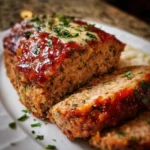
Garlic Butter Turkey Meatloaf Recipe
Ingredients
Here is the full list of ingredients you’ll need to create this incredibly moist and flavorful garlic butter turkey meatloaf. Each component is chosen specifically to build layers of flavor and ensure a perfect texture.
For the Turkey Meatloaf:
- Ground Turkey (2 lbs): Use 93/7 ground turkey for the best balance of flavor and moisture. Leaner turkey can result in a drier meatloaf.
- Panko Breadcrumbs (1 cup): These Japanese-style breadcrumbs are lighter and absorb less moisture than traditional breadcrumbs, helping to keep the meatloaf tender and not dense.
- Whole Milk (½ cup): Soaking the breadcrumbs in milk creates a “panade,” which is the secret to a moist meatloaf. It adds moisture without making the mixture watery.
- Large Eggs (2): Eggs act as a binder, holding the meatloaf together so it doesn’t crumble after baking.
- Yellow Onion (1 medium): Finely diced. Sautéing the onion before adding it to the mix mellows its flavor and adds a subtle sweetness.
- Garlic (4 cloves): Minced. This is a foundational flavor of the dish; don’t be shy.
- Worcestershire Sauce (2 tablespoons): Adds a deep, savory, umami flavor that complements the turkey beautifully.
- Fresh Parsley (¼ cup): Chopped. Brings a bright, fresh, peppery note that cuts through the richness.
- Dried Thyme (1 teaspoon): Its earthy, slightly minty flavor pairs wonderfully with poultry.
- Salt (1 ½ teaspoons): Essential for seasoning and bringing out all the other flavors.
- Black Pepper (1 teaspoon): Freshly ground for the best, most pungent flavor.
- Unsalted Butter (2 tablespoons): Used for sautéing the onions and garlic, creating the first layer of buttery goodness.
For the Garlic Butter Glaze:
- Unsalted Butter (¼ cup): The star of the glaze, creating a rich, savory crust.
- Garlic (2 cloves): Finely minced or pressed to infuse the butter with maximum garlic flavor.
- Brown Sugar (2 tablespoons): Packed. Adds a touch of sweetness that helps the glaze caramelize beautifully in the oven.
- Ketchup (¼ cup): Provides a classic tangy and sweet meatloaf glaze base.
- Worcestershire Sauce (1 tablespoon): Reinforces the savory depth found inside the meatloaf.
Instructions
Follow these step-by-step instructions carefully to ensure your turkey meatloaf is perfectly cooked, moist, and delicious. The key is in the preparation and not overworking the meat mixture.
Step 1: Prepare Your Oven and Pan
Preheat your oven to 375°F (190°C). Line a large, rimmed baking sheet with parchment paper or aluminum foil for easy cleanup. If using a loaf pan, lightly grease it. Shaping the loaf on a baking sheet allows for more surface area to brown, creating a better crust.
Step 2: Sauté the Aromatics
In a medium skillet, melt 2 tablespoons of unsalted butter over medium heat. Add the finely diced yellow onion and cook, stirring occasionally, until it has softened and become translucent, about 5-7 minutes. Add the 4 cloves of minced garlic and cook for another minute until fragrant. Be careful not to burn the garlic. Remove the skillet from the heat and set it aside to cool slightly. This step is crucial as it removes the raw, sharp bite from the onion and garlic, creating a deeper, sweeter flavor profile.
Step 3: Make the Panade
While the onions and garlic are cooling, prepare the panade. In a very large mixing bowl, combine the 1 cup of Panko breadcrumbs and ½ cup of whole milk. Stir them together and let the mixture sit for about 5 minutes. The breadcrumbs will absorb the milk, becoming a soft paste. This panade is the secret weapon against dry meatloaf, as it traps moisture within the meat as it cooks.
Step 4: Combine the Meatloaf Ingredients
To the large bowl containing the panade, add the 2 lbs of ground turkey, the 2 large eggs, the cooled onion and garlic mixture, 2 tablespoons of Worcestershire sauce, the chopped fresh parsley, dried thyme, salt, and black pepper.
Step 5: Mix and Form the Loaf
Using your hands, gently mix all the ingredients together until they are just combined. Be very careful not to overmix. Overworking the meat will develop the proteins too much, resulting in a tough, dense, and rubbery meatloaf. The mixture should be uniform, but it’s okay if it looks a little shaggy. Transfer the mixture to your prepared baking sheet and gently shape it into a rectangular loaf, approximately 9×5 inches in size.
Step 6: Prepare the Garlic Butter Glaze
In a small saucepan, melt the ¼ cup of unsalted butter over low heat. Add the 2 cloves of minced garlic and cook for 30 seconds until fragrant. Whisk in the packed brown sugar, ¼ cup of ketchup, and 1 tablespoon of Worcestershire sauce. Continue to whisk until the sugar is dissolved and the glaze is smooth.
Step 7: Glaze and Bake
Spoon or brush about half of the garlic butter glaze evenly over the top and sides of the meatloaf. Place the meatloaf in the preheated oven and bake for 30 minutes.
Step 8: Final Glaze and Finish Baking
After 30 minutes, remove the meatloaf from the oven and carefully apply the remaining glaze over the top. This two-step glazing process prevents the sugar in the glaze from burning before the meatloaf is fully cooked. Return the meatloaf to the oven and bake for an additional 20-30 minutes, or until the meatloaf is cooked through and the internal temperature reaches 165°F (74°C) on a meat thermometer. The glaze should be bubbly and caramelized.
Step 9: Rest the Meatloaf
This is a non-negotiable step for a juicy meatloaf. Once cooked, remove the meatloaf from the oven and let it rest on the baking sheet for at least 10 minutes before slicing and serving. This allows the juices to redistribute throughout the loaf, ensuring every slice is moist and flavorful. If you slice it too early, the juices will run out onto the cutting board.
Nutrition
- Serving Size: one normal portion
- Calories: 380
- Fat: 20g
- Carbohydrates: 15g
- Protein: 35g