
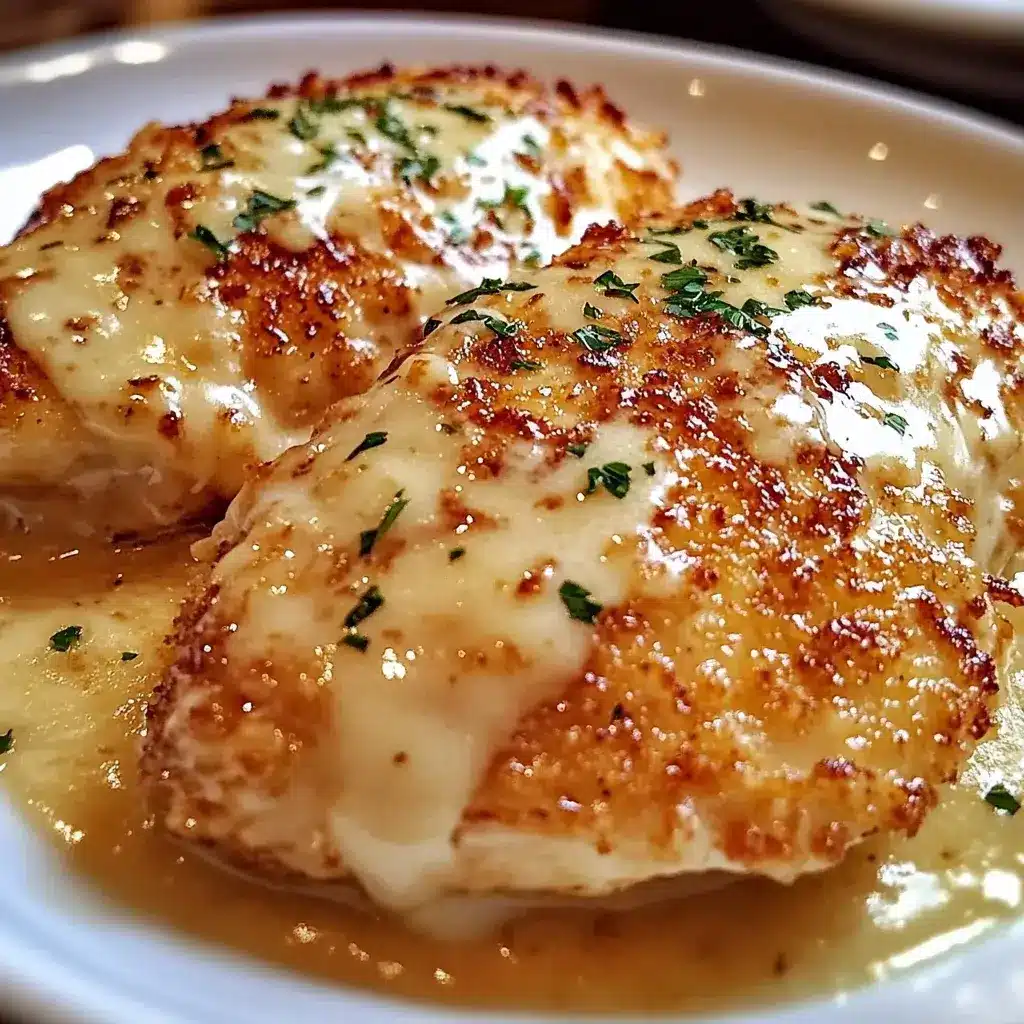
There’s something undeniably comforting about the crispy, cheesy goodness of parmesan chicken. My family and I are huge fans of Longhorn Steakhouse, and their Parmesan Crusted Chicken is always a hit whenever we dine there. However, restaurant meals can add up, and sometimes you just crave that restaurant flavor in the comfort of your own kitchen. That’s where this copycat recipe comes in! After trying countless variations, I’ve finally cracked the code to recreating that iconic Longhorn Steakhouse Parmesan Chicken at home. The result? Juicy, tender chicken breasts encased in a flavorful, crunchy parmesan crust that rivals the original. Even my pickiest eater, my youngest son, declared it “better than Longhorn’s!” This recipe is not only incredibly delicious but also surprisingly easy to make, making it perfect for a weeknight dinner or a weekend feast. Get ready to impress your family and friends with this restaurant-worthy dish that you can proudly say you made yourself!
Ingredients You’ll Need for Longhorn Steakhouse Parmesan Chicken
- Chicken Breasts: 4 boneless, skinless chicken breasts, about 6-8 ounces each. These are the star of the show, providing a lean and protein-packed base for our parmesan crust. Opt for breasts of similar size for even cooking.
- Parmesan Cheese: 1 cup grated Parmesan cheese, preferably freshly grated. Freshly grated Parmesan offers a superior flavor and melts beautifully into the crust, providing that signature nutty, salty taste. Pre-shredded can be used in a pinch, but fresh is highly recommended for the best results.
- Italian Breadcrumbs: 1 cup Italian breadcrumbs. These provide the perfect texture and structure for the parmesan crust, creating that satisfying crunch we all crave. Italian breadcrumbs are already seasoned, adding another layer of flavor.
- All-Purpose Flour: ½ cup all-purpose flour. The flour acts as a binder, helping the egg mixture adhere to the chicken and subsequently allowing the parmesan crust to stick properly. It also contributes to a slightly crispier exterior.
- Large Eggs: 2 large eggs. Eggs are crucial for the breading process. They create a wet coating that allows the breadcrumbs and parmesan cheese to adhere to the chicken, ensuring a cohesive and flavorful crust.
- Milk: ¼ cup milk. Milk thins out the eggs slightly, creating a lighter egg wash that coats the chicken evenly without being too heavy. It also adds a touch of richness.
- Garlic Powder: 1 teaspoon garlic powder. Garlic powder enhances the savory flavor profile of the parmesan crust, adding a subtle but essential aromatic element.
- Onion Powder: 1 teaspoon onion powder. Similar to garlic powder, onion powder contributes to the overall savory depth of the crust, complementing the parmesan and Italian seasoning.
- Dried Italian Seasoning: 1 teaspoon dried Italian seasoning. This blend of herbs adds a classic Italian flavor to the dish, rounding out the parmesan crust with aromatic notes of oregano, basil, rosemary, and thyme.
- Salt: 1 teaspoon salt, or to taste. Salt is essential for seasoning both the chicken and the breading, enhancing all the flavors and ensuring the dish is well-balanced.
- Black Pepper: ½ teaspoon black pepper, or to taste. Black pepper adds a subtle spice and depth of flavor, complementing the salt and other seasonings. Freshly ground black pepper is always preferred for its brighter flavor.
- Olive Oil: 2 tablespoons olive oil. Olive oil is used for cooking the chicken, providing a healthy fat and contributing to a golden-brown and crispy crust. Its mild flavor allows the parmesan and chicken to shine.
- Butter: 2 tablespoons unsalted butter. Adding butter to the olive oil enhances the flavor and richness of the cooking process, contributing to a more flavorful and beautifully browned chicken. Butter also helps with browning and crisping.
- Lemon Wedges: For serving (optional). Lemon wedges are a classic accompaniment to parmesan chicken. A squeeze of fresh lemon juice brightens the dish and cuts through the richness of the parmesan, adding a refreshing element.
- Fresh Parsley: Chopped, for garnish (optional). Fresh parsley adds a pop of color and a fresh, herbaceous note to the finished dish, making it visually appealing and adding a touch of freshness.
Step-by-Step Instructions to Make Longhorn Steakhouse Parmesan Chicken
- Prepare the Chicken Breasts: Begin by patting the chicken breasts dry with paper towels. This step is crucial as it removes excess moisture, allowing the breading to adhere better and resulting in a crispier crust. If your chicken breasts are particularly thick (over 1 inch), consider butterflying them or pounding them to an even thickness of about ½ inch. This ensures even cooking and prevents the outside from becoming overcooked before the inside is done. You can place the chicken breasts between two sheets of plastic wrap and gently pound them with a meat mallet or rolling pin.
- Set Up the Breading Stations: Prepare three shallow dishes for the breading process. In the first dish, place the all-purpose flour. Season the flour with a pinch of salt and pepper for added flavor. In the second dish, whisk together the eggs and milk until well combined. This egg wash will help the breadcrumbs and parmesan adhere to the chicken. In the third dish, combine the grated Parmesan cheese, Italian breadcrumbs, garlic powder, onion powder, Italian seasoning, salt, and black pepper. Mix these dry ingredients thoroughly to ensure even distribution of flavors throughout the parmesan crust.
- Bread the Chicken: Now, it’s time to bread the chicken breasts. Take one chicken breast at a time and dredge it in the flour, ensuring it is completely coated on all sides. Shake off any excess flour. Next, dip the floured chicken breast into the egg mixture, allowing any excess egg wash to drip off. Finally, dredge the chicken breast in the parmesan breadcrumb mixture, pressing gently to ensure the mixture adheres well to all sides. Make sure the chicken is fully coated with the parmesan mixture for maximum flavor and crust. Repeat this breading process for all the chicken breasts.
- Preheat Oven and Prepare Skillet: Preheat your oven to 400°F (200°C). This temperature ensures the chicken cooks through while the parmesan crust becomes golden brown and crispy. While the oven is preheating, place a large, oven-safe skillet (cast iron or stainless steel works best) over medium-high heat on your stovetop. Add the olive oil and butter to the skillet and let the butter melt completely and the mixture become hot. The combination of olive oil and butter provides both flavor and a higher smoke point, preventing the butter from burning too quickly.
- Sear the Chicken: Once the oil and butter mixture is hot and shimmering, carefully place the breaded chicken breasts in the hot skillet. Be careful not to overcrowd the pan; you may need to cook in batches if your skillet is not large enough. Sear the chicken breasts for about 2-3 minutes per side, or until they are golden brown and crispy. Searing the chicken in the skillet before baking helps to create a beautiful golden-brown crust and lock in the juices, resulting in a more flavorful and tender chicken.
- Bake in the Oven: After searing both sides of the chicken, transfer the skillet to the preheated oven. Bake for 15-20 minutes, or until the chicken is cooked through and the internal temperature reaches 165°F (74°C). Use a meat thermometer to check the internal temperature at the thickest part of the chicken breast to ensure it is fully cooked and safe to eat. The parmesan crust should be beautifully golden brown and crispy.
- Rest and Serve: Once the chicken is cooked through, carefully remove the skillet from the oven. Let the chicken rest in the skillet for 5-10 minutes before serving. Resting allows the juices to redistribute throughout the chicken, resulting in a more tender and flavorful final product. Garnish with fresh chopped parsley and serve immediately with lemon wedges for squeezing over the chicken. Enjoy your homemade Longhorn Steakhouse Parmesan Chicken!
Nutritional Information for Longhorn Steakhouse Parmesan Chicken
(Please note: Nutritional information is an estimate and can vary based on specific ingredients and portion sizes. This is an approximate calculation per serving.)
- Servings: 4
- Calories per Serving: Approximately 550-650 calories
- Protein: 45-55 grams
Preparation Time for Longhorn Steakhouse Parmesan Chicken
- Prep Time: 20 minutes (This includes patting dry the chicken, setting up the breading stations, and breading the chicken breasts.)
- Cook Time: 25-30 minutes (This includes searing the chicken in the skillet and baking it in the oven.)
- Total Time: Approximately 45-50 minutes (From start to finish, you can have this delicious restaurant-style meal on your table in under an hour, making it perfect for a satisfying weeknight dinner.)
How to Serve Longhorn Steakhouse Parmesan Chicken
This versatile Parmesan Chicken pairs beautifully with a variety of side dishes, making it easy to create a complete and satisfying meal. Here are some delicious serving suggestions:
- Classic Pasta:
- Buttered Noodles: Simple buttered egg noodles or fettuccine are a classic pairing that allows the parmesan chicken to be the star.
- Marinara Pasta: Serve over spaghetti or penne tossed with a light marinara sauce for an Italian-inspired meal.
- Alfredo Pasta: For an extra indulgent meal, serve with creamy Alfredo pasta. The richness of the Alfredo complements the crispy chicken perfectly.
- Fresh Vegetables:
- Steamed Broccoli: A healthy and simple side dish that pairs well with the richness of the chicken.
- Roasted Asparagus: Roasting asparagus brings out its natural sweetness and provides a lovely textural contrast.
- Green Beans Almondine: Green beans sautéed with butter and toasted almonds add flavor and crunch.
- Side Salad: A fresh garden salad with a light vinaigrette dressing provides a refreshing counterpoint to the rich chicken. Consider a Caesar salad for a more robust flavor.
- Potatoes and Grains:
- Mashed Potatoes: Creamy mashed potatoes are a comforting and classic side dish. Consider adding garlic or herbs for extra flavor.
- Roasted Potatoes: Roasted potatoes with herbs like rosemary or thyme are a hearty and flavorful option.
- Rice Pilaf: A light and fluffy rice pilaf is a versatile side that complements the chicken without overpowering it.
- Quinoa: For a healthier grain option, serve with quinoa. You can add vegetables or herbs to the quinoa for extra flavor and nutrition.
- Other Delicious Sides:
- Garlic Bread: Crusty garlic bread is a perfect accompaniment for soaking up any delicious parmesan sauce or chicken juices.
- Creamed Spinach: Rich and creamy spinach is a decadent side dish that pairs wonderfully with parmesan chicken.
- Corn on the Cob: Grilled or boiled corn on the cob is a simple and summery side dish.
Additional Tips for Perfect Longhorn Steakhouse Parmesan Chicken
- Use Freshly Grated Parmesan: While pre-shredded parmesan is convenient, freshly grated parmesan cheese provides a superior flavor and melts much better into the crust. For the best results, grate your own parmesan just before you start cooking.
- Don’t Overcrowd the Pan: When searing the chicken, make sure not to overcrowd the skillet. Overcrowding will lower the temperature of the pan and prevent the chicken from browning properly. Cook in batches if necessary to ensure each piece of chicken gets a nice golden-brown sear.
- Adjust Seasoning to Taste: Taste the parmesan breadcrumb mixture before breading the chicken and adjust the seasoning to your liking. You may want to add more garlic powder, onion powder, Italian seasoning, salt, or pepper to suit your personal preferences.
- Pound Chicken for Even Cooking: If your chicken breasts are thick and uneven, pounding them to an even thickness of about ½ inch is crucial for ensuring they cook through evenly. This prevents the outside from becoming dry and overcooked before the inside is done.
- Let the Chicken Rest: After baking, allow the chicken to rest in the skillet for 5-10 minutes before serving. This resting period allows the juices to redistribute throughout the chicken, resulting in a more tender and flavorful final product. Cutting into the chicken immediately after cooking can cause the juices to run out, leading to drier chicken.
- Make it Ahead (Partially): You can prepare the breaded chicken breasts ahead of time and store them in the refrigerator for up to 2-3 hours before cooking. This is a great time-saving tip for busy weeknights. Just make sure to cover the breaded chicken breasts tightly and keep them refrigerated until you are ready to sear and bake.
- Add a Touch of Lemon Zest: For an extra layer of bright flavor, consider adding a teaspoon of lemon zest to the parmesan breadcrumb mixture. The lemon zest complements the parmesan and adds a subtle citrusy note to the crust.
- Try Different Cheeses: While parmesan is the star of this dish, you can experiment with adding other cheeses to the breadcrumb mixture for a slightly different flavor profile. A little bit of Pecorino Romano or Asiago cheese can add a sharper, saltier flavor. You can also add a touch of mozzarella for extra meltiness.
Frequently Asked Questions About Longhorn Steakhouse Parmesan Chicken (FAQ)
Q1: Can I use pre-shredded parmesan cheese?
A: While freshly grated parmesan is highly recommended for the best flavor and melting quality, you can use pre-shredded parmesan in a pinch. However, be aware that pre-shredded parmesan often contains cellulose to prevent clumping, which can affect its melting ability and texture. Freshly grated will always give you a superior result.
Q2: Can I bake the chicken without searing it first?
A: Searing the chicken in a skillet before baking is highly recommended for creating a golden-brown, crispy crust and locking in the juices. Baking the chicken directly without searing will result in a less crispy crust and may lead to slightly drier chicken. Searing adds flavor and texture that is worth the extra step.
Q3: Can I use chicken thighs instead of chicken breasts?
A: Yes, you can use boneless, skinless chicken thighs as a substitute for chicken breasts. Chicken thighs are more forgiving and tend to stay moister during cooking. You may need to adjust the cooking time slightly, as thighs can take a bit longer to cook through than breasts. Ensure the internal temperature reaches 165°F (74°C).
Q4: Can I make this recipe gluten-free?
A: To make this recipe gluten-free, you can substitute gluten-free all-purpose flour for the regular all-purpose flour and use gluten-free Italian breadcrumbs. Ensure all other ingredients are also gluten-free to cater to dietary needs.
Q5: How do I store leftover parmesan chicken?
A: Store leftover parmesan chicken in an airtight container in the refrigerator for up to 3-4 days. For best results, store it separately from any sauces or side dishes to maintain the crispiness of the crust.
Q6: How do I reheat leftover parmesan chicken?
A: To reheat leftover parmesan chicken and maintain some crispiness, the best method is to reheat it in the oven or an air fryer. Preheat your oven or air fryer to 350°F (175°C) and reheat the chicken for about 10-15 minutes, or until heated through. Microwaving is not recommended as it can make the crust soggy.
Q7: Can I freeze parmesan chicken?
A: Freezing cooked parmesan chicken is not recommended as it can affect the texture of the crust and the chicken itself. The crust may become soggy upon thawing, and the chicken may become drier. For the best quality, it’s best to enjoy this dish fresh.
Q8: What if I don’t have Italian breadcrumbs?
A: If you don’t have Italian breadcrumbs, you can use plain breadcrumbs and add extra Italian seasoning (about 1-2 teaspoons) to the parmesan breadcrumb mixture. You can also add a pinch of dried oregano, basil, and thyme to mimic the flavor of Italian breadcrumbs. Alternatively, you can make your own Italian breadcrumbs by toasting plain breadcrumbs in a skillet with olive oil, garlic powder, onion powder, and Italian seasoning.

Longhorn Steakhouse Parmesan Chicken
Ingredients
- Chicken Breasts: 4 boneless, skinless chicken breasts, about 6-8 ounces each. These are the star of the show, providing a lean and protein-packed base for our parmesan crust. Opt for breasts of similar size for even cooking.
- Parmesan Cheese: 1 cup grated Parmesan cheese, preferably freshly grated. Freshly grated Parmesan offers a superior flavor and melts beautifully into the crust, providing that signature nutty, salty taste. Pre-shredded can be used in a pinch, but fresh is highly recommended for the best results.
- Italian Breadcrumbs: 1 cup Italian breadcrumbs. These provide the perfect texture and structure for the parmesan crust, creating that satisfying crunch we all crave. Italian breadcrumbs are already seasoned, adding another layer of flavor.
- All-Purpose Flour: ½ cup all-purpose flour. The flour acts as a binder, helping the egg mixture adhere to the chicken and subsequently allowing the parmesan crust to stick properly. It also contributes to a slightly crispier exterior.
- Large Eggs: 2 large eggs. Eggs are crucial for the breading process. They create a wet coating that allows the breadcrumbs and parmesan cheese to adhere to the chicken, ensuring a cohesive and flavorful crust.
- Milk: ¼ cup milk. Milk thins out the eggs slightly, creating a lighter egg wash that coats the chicken evenly without being too heavy. It also adds a touch of richness.
- Garlic Powder: 1 teaspoon garlic powder. Garlic powder enhances the savory flavor profile of the parmesan crust, adding a subtle but essential aromatic element.
- Onion Powder: 1 teaspoon onion powder. Similar to garlic powder, onion powder contributes to the overall savory depth of the crust, complementing the parmesan and Italian seasoning.
- Dried Italian Seasoning: 1 teaspoon dried Italian seasoning. This blend of herbs adds a classic Italian flavor to the dish, rounding out the parmesan crust with aromatic notes of oregano, basil, rosemary, and thyme.
- Salt: 1 teaspoon salt, or to taste. Salt is essential for seasoning both the chicken and the breading, enhancing all the flavors and ensuring the dish is well-balanced.
- Black Pepper: ½ teaspoon black pepper, or to taste. Black pepper adds a subtle spice and depth of flavor, complementing the salt and other seasonings. Freshly ground black pepper is always preferred for its brighter flavor.
- Olive Oil: 2 tablespoons olive oil. Olive oil is used for cooking the chicken, providing a healthy fat and contributing to a golden-brown and crispy crust. Its mild flavor allows the parmesan and chicken to shine.
- Butter: 2 tablespoons unsalted butter. Adding butter to the olive oil enhances the flavor and richness of the cooking process, contributing to a more flavorful and beautifully browned chicken. Butter also helps with browning and crisping.
- Lemon Wedges: For serving (optional). Lemon wedges are a classic accompaniment to parmesan chicken. A squeeze of fresh lemon juice brightens the dish and cuts through the richness of the parmesan, adding a refreshing element.
- Fresh Parsley: Chopped, for garnish (optional). Fresh parsley adds a pop of color and a fresh, herbaceous note to the finished dish, making it visually appealing and adding a touch of freshness.
Instructions
- Prepare the Chicken Breasts: Begin by patting the chicken breasts dry with paper towels. This step is crucial as it removes excess moisture, allowing the breading to adhere better and resulting in a crispier crust. If your chicken breasts are particularly thick (over 1 inch), consider butterflying them or pounding them to an even thickness of about ½ inch. This ensures even cooking and prevents the outside from becoming overcooked before the inside is done. You can place the chicken breasts between two sheets of plastic wrap and gently pound them with a meat mallet or rolling pin.
- Set Up the Breading Stations: Prepare three shallow dishes for the breading process. In the first dish, place the all-purpose flour. Season the flour with a pinch of salt and pepper for added flavor. In the second dish, whisk together the eggs and milk until well combined. This egg wash will help the breadcrumbs and parmesan adhere to the chicken. In the third dish, combine the grated Parmesan cheese, Italian breadcrumbs, garlic powder, onion powder, Italian seasoning, salt, and black pepper. Mix these dry ingredients thoroughly to ensure even distribution of flavors throughout the parmesan crust.
- Bread the Chicken: Now, it’s time to bread the chicken breasts. Take one chicken breast at a time and dredge it in the flour, ensuring it is completely coated on all sides. Shake off any excess flour. Next, dip the floured chicken breast into the egg mixture, allowing any excess egg wash to drip off. Finally, dredge the chicken breast in the parmesan breadcrumb mixture, pressing gently to ensure the mixture adheres well to all sides. Make sure the chicken is fully coated with the parmesan mixture for maximum flavor and crust. Repeat this breading process for all the chicken breasts.
- Preheat Oven and Prepare Skillet: Preheat your oven to 400°F (200°C). This temperature ensures the chicken cooks through while the parmesan crust becomes golden brown and crispy. While the oven is preheating, place a large, oven-safe skillet (cast iron or stainless steel works best) over medium-high heat on your stovetop. Add the olive oil and butter to the skillet and let the butter melt completely and the mixture become hot. The combination of olive oil and butter provides both flavor and a higher smoke point, preventing the butter from burning too quickly.
- Sear the Chicken: Once the oil and butter mixture is hot and shimmering, carefully place the breaded chicken breasts in the hot skillet. Be careful not to overcrowd the pan; you may need to cook in batches if your skillet is not large enough. Sear the chicken breasts for about 2-3 minutes per side, or until they are golden brown and crispy. Searing the chicken in the skillet before baking helps to create a beautiful golden-brown crust and lock in the juices, resulting in a more flavorful and tender chicken.
- Bake in the Oven: After searing both sides of the chicken, transfer the skillet to the preheated oven. Bake for 15-20 minutes, or until the chicken is cooked through and the internal temperature reaches 165°F (74°C). Use a meat thermometer to check the internal temperature at the thickest part of the chicken breast to ensure it is fully cooked and safe to eat. The parmesan crust should be beautifully golden brown and crispy.
- Rest and Serve: Once the chicken is cooked through, carefully remove the skillet from the oven. Let the chicken rest in the skillet for 5-10 minutes before serving. Resting allows the juices to redistribute throughout the chicken, resulting in a more tender and flavorful final product. Garnish with fresh chopped parsley and serve immediately with lemon wedges for squeezing over the chicken. Enjoy your homemade Longhorn Steakhouse Parmesan Chicken!
Nutrition
- Serving Size: one normal portion
- Calories: 650
- Protein: 55 grams