

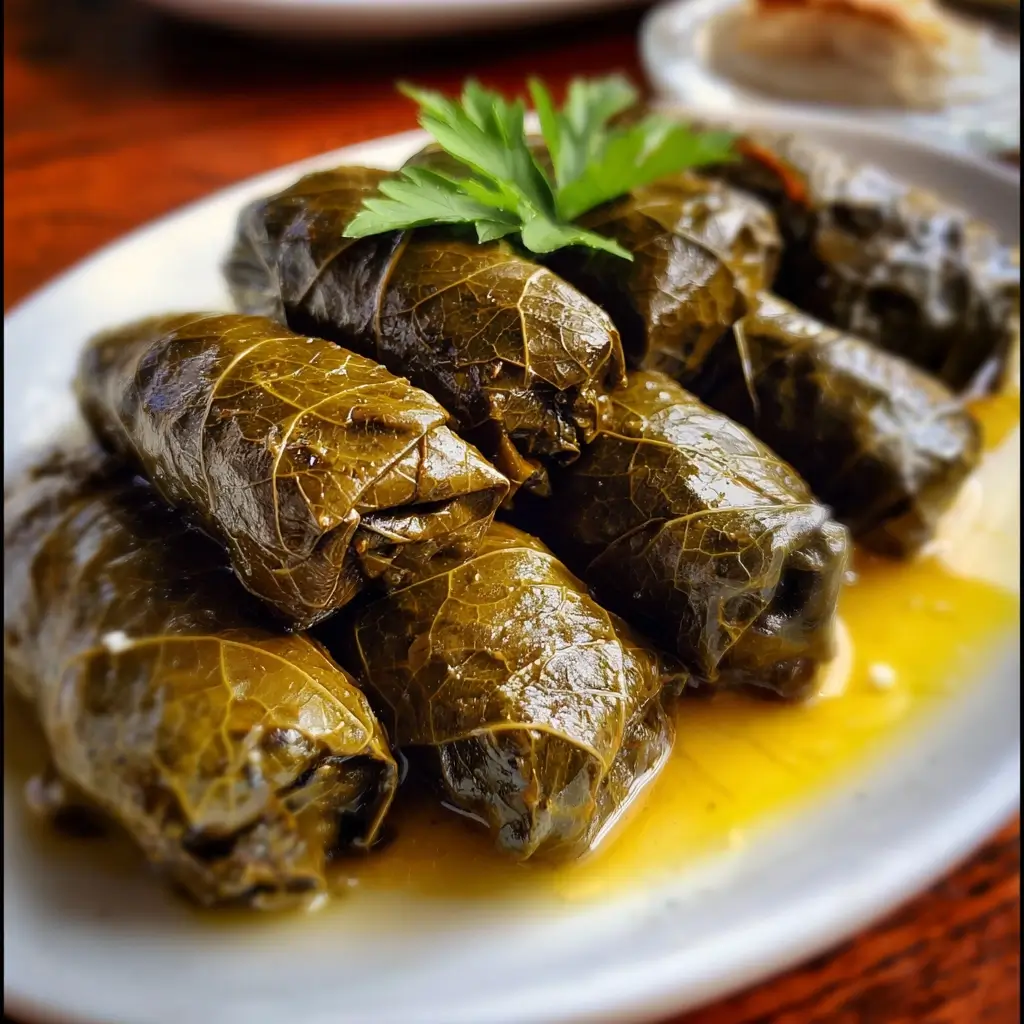
Of all the dishes that transport me straight back to my grandmother’s kitchen, none do so with the aromatic power of Mediterranean Stuffed Grape Leaves. I can still picture her, sitting at the dining table on a Sunday morning, a large bowl of glistening, herby rice and beef filling beside her, and a stack of delicate grape leaves ready for their transformation. The air would be thick with the scent of fresh dill, mint, and a hint of warm allspice. My job, as a child, was to carefully pass her the leaves one by one. She would lay each one flat, shiny-side down, and with the practiced, gentle hands of someone who had done this a thousand times, she would spoon on the perfect amount of filling and roll it into a neat, tight little parcel. The whole family would wait in anticipation for that moment when the pot was finally uncovered, releasing a cloud of lemony steam. Taking that first bite—the tender leaf giving way to the savory, perfectly cooked filling, all brightened by the tangy lemon—was pure bliss. This isn’t just a recipe for me; it’s a tradition, a labor of love that brings everyone together. I’ve since adapted her recipe slightly, but the soul of it remains the same. It’s the dish my friends beg me to bring to potlucks and the one my own family now requests for special occasions. It takes time, yes, but the process is meditative, and the result is a taste of heritage that is absolutely worth every second.
Ingredients
- Jarred Grape Leaves: 1 jar (approx. 16 ounces or 450g), containing about 60-70 leaves in brine. These are the foundation, providing the signature tangy, slightly tough wrapper that tenderizes beautifully upon cooking.
- Ground Beef: 1 lb (450g), lean (85/15 or 90/10). This provides the savory, rich protein base for the filling. Lamb or a mix of beef and lamb also works wonderfully.
- Short-Grain Rice: 1 ½ cups, such as Calrose or Arborio, uncooked. It’s crucial to use short-grain rice as its high starch content creates a creamy, tender filling that holds together well, unlike long-grain rice which can be too firm.
- Yellow Onion: 1 large, finely diced. This builds the aromatic foundation of the filling, adding a subtle sweetness and depth.
- Fresh Parsley: 1 large bunch, finely chopped. It imparts a fresh, clean, and slightly peppery flavor that is essential to the Mediterranean profile.
- Fresh Dill: 1 large bunch, finely chopped. Dill provides a unique, slightly sweet, and anise-like aroma that is characteristic of classic stuffed grape leaves.
- Fresh Mint: ½ cup, finely chopped. Mint adds a cool, bright counterpoint to the richness of the meat and spices.
- Olive Oil: ½ cup, extra virgin, plus more for drizzling. A good quality olive oil is non-negotiable, lending its fruity, peppery notes throughout the dish.
- Canned Diced Tomatoes: 1 can (14.5 ounces or 411g), undrained. These are mixed into the filling to add moisture, a gentle acidity, and a hint of sweetness.
- Lemon Juice: From 2 large lemons (about ½ cup), freshly squeezed. Lemon is the star brightener, cutting through the richness and infusing the entire dish with a vibrant, tangy flavor.
- Allspice: 1 ½ teaspoons, ground. This warm spice adds a complex, slightly sweet, and peppery note reminiscent of cloves, cinnamon, and nutmeg.
- Cinnamon: ½ teaspoon, ground. A small amount of cinnamon adds a subtle warmth and depth that complements the meat and allspice perfectly.
- Salt: 2 teaspoons, or to taste. Essential for enhancing all the other flavors.
- Black Pepper: 1 ½ teaspoons, freshly ground. Provides a gentle, lingering heat.
- Water or Broth: 4 cups, for cooking. You can use water, beef broth, or vegetable broth to simmer the grape leaves, each adding a different level of flavor.
- Potato or Tomato Slices: For lining the pot. This is a crucial step to prevent the bottom layer of grape leaves from scorching during the long simmer.
Instructions
Step 1: Prepare the Grape Leaves
Begin by carefully removing the grape leaves from the jar. Unroll the bundles and place them in a large bowl. Cover them with hot water and let them soak for about 15-20 minutes. This process helps to rinse off the excess brine and makes the leaves more pliable and easier to roll. After soaking, drain the water and gently separate the leaves, handling them with care to avoid tearing. Snip off any tough stems at the base of each leaf with a pair of kitchen scissors. Set aside the most torn or imperfect leaves to line the bottom of your cooking pot.
Step 2: Create the Aromatic Filling
In a large mixing bowl, combine the uncooked short-grain rice, finely diced yellow onion, and the lean ground beef. Add the finely chopped fresh parsley, dill, and mint. Pour in the undrained can of diced tomatoes. Next, add the seasonings: the ground allspice, cinnamon, salt, and freshly ground black pepper. Drizzle in ¼ cup of the extra virgin olive oil and the juice of one lemon. Using your hands or a large spoon, mix everything together thoroughly until all the ingredients are evenly distributed. Do not overmix, as this can make the meat tough. The rice should be uncooked at this stage; it will cook inside the leaves while simmering, absorbing all the delicious flavors from the meat, herbs, and cooking liquid.
Step 3: The Art of Rolling the Grape Leaves
Now for the most rewarding part of the process. Set up your rolling station: your bowl of filling, the stack of prepared leaves, and a large plate or baking sheet to place the rolled leaves on. Take one grape leaf and lay it on your work surface with the shiny side facing down and the veined side facing up. The stem end should be closest to you. Place about one to two teaspoons of the filling in a small log shape near the stem end of the leaf. Be careful not to overstuff, as the rice will expand during cooking.
To roll, first, fold the bottom of the leaf up and over the filling. Then, fold the left side of the leaf in towards the center. Next, fold the right side in towards the center, similar to how you would fold a burrito. Finally, starting from the bottom, roll the leaf upwards into a tight, compact cylinder. The roll should be firm but not so tight that the leaf might burst when the rice expands. Place the finished roll, seam-side down, on your plate and repeat the process with the remaining leaves and filling. This step takes time and patience, so put on some music and enjoy the meditative rhythm of rolling.
Step 4: Layering the Pot for Cooking
Select a large, heavy-bottomed pot or Dutch oven. First, line the bottom of the pot with the torn or unused grape leaves you set aside earlier. You can also use a layer of sliced potatoes or tomatoes. This protective layer is essential as it prevents the stuffed grape leaves on the bottom from sticking to the pot and scorching during the long, slow simmer.
Once the bottom is lined, begin arranging the stuffed grape leaves in the pot. Place them seam-side down in a single, tight layer, packing them snugly next to each other. This snug fit helps them stay rolled and intact during cooking. Once the first layer is complete, start a second layer on top, continuing until all the rolls are in the pot. You can arrange them in a circular pattern for a beautiful presentation.
Step 5: Simmering to Perfection
Drizzle the remaining ¼ cup of olive oil and the juice of the second lemon over the packed grape leaves. Pour in the 4 cups of water or broth. The liquid should come about three-quarters of the way up the grape leaves, but not completely submerge them. To prevent the leaves from unravelling and floating around as they cook, place a small, heat-proof inverted plate directly on top of the rolls. This weight is the secret to perfectly shaped stuffed grape leaves.
Bring the pot to a gentle boil over medium-high heat. Once it’s boiling, reduce the heat to the lowest possible setting, cover the pot with a tight-fitting lid, and let it simmer for 1.5 to 2 hours. The key is a long, slow simmer. After about 1.5 hours, you can carefully remove one roll to test for doneness. The leaf should be very tender, and the rice filling should be fully cooked through.
Step 6: Resting and Serving
Once the grape leaves are cooked, turn off the heat and let them rest in the pot, covered, for at least 30 minutes. This allows the flavors to meld further and helps them firm up, making them easier to handle. Carefully remove the inverted plate. You can serve them warm directly from the pot or let them cool to room temperature. They are equally delicious either way.
Nutrition Facts
- Servings: This recipe makes approximately 60-70 rolls, serving about 8-10 people as an appetizer or 4-5 as a main course.
- Calories per Serving (approx. 6 rolls): 280-320 kcal
- Protein: A good source of protein from the ground beef, which is essential for muscle repair and building. Each serving provides a substantial amount to keep you feeling full and satisfied.
- Fiber: The grape leaves and fresh herbs contribute dietary fiber, which is crucial for digestive health and maintaining stable blood sugar levels.
- Healthy Fats: The generous use of extra virgin olive oil provides monounsaturated fats, which are known to be heart-healthy and can help reduce bad cholesterol levels.
- Iron: Ground beef is a rich source of heme iron, a type of iron that is easily absorbed by the body and is vital for preventing anemia and maintaining energy levels.
- Vitamins and Minerals: This dish is packed with vitamins from the fresh herbs and tomatoes, including Vitamin C and Vitamin K, as well as important minerals from the vegetables and beef.
Preparation time
The journey to delicious stuffed grape leaves is one of patience and love, best undertaken when you have a free afternoon. While not difficult, the process is detailed.
- Preparation & Soaking: 25 minutes
- Mixing the Filling: 15 minutes
- Rolling Time: 60 – 90 minutes (this can vary greatly depending on your speed and experience)
- Cooking & Resting Time: 2 – 2.5 hours
- Total Time: Approximately 4 to 5 hours. Think of it as a relaxing weekend cooking project; the incredible results are more than worth the effort.
How to Serve
Mediterranean Stuffed Grape Leaves are incredibly versatile and can be the star of the show or a fantastic supporting act. Here are some of the best ways to serve them:
- As a Classic Mezze Platter:
- Arrange the grape leaves on a large platter, either warm or at room temperature.
- Serve alongside other Mediterranean favorites like creamy hummus, smoky baba ghanoush, and tangy tzatziki sauce for dipping.
- Add a bowl of mixed olives, cubes of feta cheese drizzled with olive oil and oregano, and fresh pita bread or crispy pita chips.
- This creates a vibrant, communal appetizer experience perfect for parties and gatherings.
- As a Light and Healthy Lunch:
- Serve a portion of 6-8 stuffed grape leaves alongside a fresh, crisp Greek salad (Horiatiki) made with tomatoes, cucumbers, red onion, bell peppers, and feta cheese.
- Include a large wedge of lemon on the side for squeezing over both the grape leaves and the salad.
- A dollop of thick Greek yogurt or labneh provides a cool, creamy contrast to the savory rolls.
- As a Substantial Main Course:
- Increase the portion size to 10-12 rolls per person.
- Serve them hot, fresh from the pot, with the cooking juices spooned over the top.
- Pair them with hearty sides like Greek lemon potatoes, a simple orzo pilaf, or roasted vegetables.
- They also complement grilled meats wonderfully, such as chicken souvlaki, lamb chops, or beef kafta.
- Garnishes and Finishes:
- Lemon: Always have fresh lemon wedges available. A final squeeze of juice just before eating elevates the flavors immensely.
- Herbs: A sprinkle of freshly chopped parsley or dill adds a pop of color and freshness.
- Yogurt: A simple dollop of plain Greek yogurt is the most traditional and perfect accompaniment.
- Olive Oil: A final, light drizzle of high-quality extra virgin olive oil can add a touch of fruity richness.
Additional tips
- Choosing Your Leaves: If you have access to fresh, young grape leaves in the spring, they are a treat. You’ll need to blanch them in boiling salted water for a few minutes to soften them before use. For most, high-quality jarred leaves are the most convenient and reliable option. Look for brands that have whole, intact leaves rather than many torn ones.
- Rice is Key: Do not be tempted to substitute long-grain rice or to pre-cook your rice. The magic of this dish is that the short-grain rice cooks slowly inside the leaf, absorbing the meat juices, lemon, and broth, creating a perfectly tender and flavorful filling that holds its shape.
- The Inverted Plate Trick: Do not skip the step of placing a heat-proof plate on top of the rolls before simmering. This simple trick is essential. It weighs the rolls down, preventing them from unraveling and floating in the pot, ensuring they cook evenly and maintain their perfect shape.
- Vegetarian or Vegan Variation: This recipe is easily adapted. For a delicious vegetarian version, simply omit the ground beef and increase the amount of fresh herbs. To make it more substantial, add a cup of finely chopped mushrooms, cooked lentils, or a mix of toasted pine nuts and currants to the rice filling. Use vegetable broth for the cooking liquid.
- Taste the Cooking Liquid: About halfway through the simmering process, you can carefully lift the lid and spoon out a little of the cooking liquid to taste. This is your chance to adjust the seasoning. If it needs more tang, add a bit more lemon juice. If it needs more salt, you can add it now.
- Make-Ahead Magic: Stuffed grape leaves are a fantastic make-ahead dish. You can assemble and roll them a day in advance, arrange them in the pot, cover, and refrigerate. The next day, simply add the liquid and cook as directed. They also taste even better the next day, as the flavors have more time to meld.
- Don’t Rush the Rest: Allowing the grape leaves to rest in the pot after cooking is a crucial step. It helps them absorb any remaining liquid and firm up, which prevents them from falling apart when you serve them. A 30-minute rest is good, but an hour is even better.
- Efficient Rolling: To make the rolling process faster and more efficient, set up an assembly line. First, lay out 10-15 leaves on your work surface. Then, place a spoonful of filling on each one. Finally, go down the line and roll them all up. This batch-processing method is much quicker than doing one leaf from start to finish.
FAQ section
1. Can I use fresh grape leaves instead of jarred ones?
Absolutely! Fresh grape leaves are wonderful if you can find them. You’ll need to prepare them first by blanching them. Bring a large pot of salted water to a boil, then submerge the fresh leaves in batches for 1-2 minutes until they turn a darker green and become pliable. Immediately transfer them to an ice bath to stop the cooking process, then drain well before using.
2. Why did my stuffed grape leaves turn out dry or mushy?
This is almost always an issue of liquid ratio or cooking time. If they are dry, you may not have added enough liquid to the pot, or you cooked them at too high a heat, causing the liquid to evaporate too quickly. If they are mushy, you may have added too much liquid, overcooked them, or used a type of rice that doesn’t hold its shape well. Using short-grain rice and ensuring the liquid comes about three-quarters of the way up the rolls is the key to perfect texture.
3. My grape leaves keep unravelling during cooking. What am I doing wrong?
There are three likely culprits. First, you may not be rolling them tightly enough. Second, you might be overcrowding the pot, but not packing them snugly enough—they should support each other. The most common reason, however, is forgetting to place a heavy, heat-proof plate on top of them before simmering. This weight is essential to keep them submerged and prevent them from unrolling.
4. Can you freeze stuffed grape leaves?
Yes, they freeze beautifully! For best results, freeze them after they have been cooked and fully cooled. Arrange them in a single layer in a freezer-safe container, separating layers with parchment paper to prevent sticking. They can be frozen for up to 3 months. To reheat, let them thaw in the refrigerator overnight, then gently warm them in a pot with a splash of broth or water over low heat, or in the microwave.
5. What is the difference between Greek Dolmades and Lebanese Warak Enab?
While both are stuffed grape leaves, there are subtle regional differences. Greek dolmades are often made with a higher ratio of herbs (especially dill and mint) and are typically served cold or at room temperature as an appetizer (mezze), often with a yogurt or avgolemono (egg-lemon) sauce. Lebanese Warak Enab is often made with more warm spices like allspice and cinnamon, includes tomatoes in the filling, and is usually served warm as a main dish. This recipe is a beautiful hybrid, taking delicious elements from various Mediterranean traditions.
6. Are stuffed grape leaves healthy?
Yes, they are generally considered a very healthy and well-balanced dish. They contain a good mix of macronutrients: carbohydrates from the rice, protein from the beef, and healthy fats from the olive oil. They are also loaded with micronutrients from the vast amount of fresh herbs, lemon juice, and vegetables, and the grape leaves themselves are a source of fiber and vitamins.
7. How long can I store leftover stuffed grape leaves in the refrigerator?
Leftover cooked grape leaves can be stored in an airtight container in the refrigerator for 4 to 5 days. In fact, many people believe they taste even better on the second or third day as the flavors continue to meld and deepen. You can enjoy them cold straight from the fridge or reheat them gently.
8. What is the best type of meat to use for the filling?
Traditionally, either ground lamb or ground beef is used. Lamb offers a richer, slightly more gamey flavor that is very authentic. Lean ground beef (85/15 or 90/10) provides a milder, classic savory taste. For the absolute best result, many chefs and home cooks swear by using a 50/50 mix of ground beef and ground lamb to get the best of both worlds—the richness of lamb balanced by the familiarity of beef.
Mediterranean Stuffed Grape Leaves
Ingredients
- Jarred Grape Leaves: 1 jar (approx. 16 ounces or 450g), containing about 60-70 leaves in brine. These are the foundation, providing the signature tangy, slightly tough wrapper that tenderizes beautifully upon cooking.
- Ground Beef: 1 lb (450g), lean (85/15 or 90/10). This provides the savory, rich protein base for the filling. Lamb or a mix of beef and lamb also works wonderfully.
- Short-Grain Rice: 1 ½ cups, such as Calrose or Arborio, uncooked. It’s crucial to use short-grain rice as its high starch content creates a creamy, tender filling that holds together well, unlike long-grain rice which can be too firm.
- Yellow Onion: 1 large, finely diced. This builds the aromatic foundation of the filling, adding a subtle sweetness and depth.
- Fresh Parsley: 1 large bunch, finely chopped. It imparts a fresh, clean, and slightly peppery flavor that is essential to the Mediterranean profile.
- Fresh Dill: 1 large bunch, finely chopped. Dill provides a unique, slightly sweet, and anise-like aroma that is characteristic of classic stuffed grape leaves.
- Fresh Mint: ½ cup, finely chopped. Mint adds a cool, bright counterpoint to the richness of the meat and spices.
- Olive Oil: ½ cup, extra virgin, plus more for drizzling. A good quality olive oil is non-negotiable, lending its fruity, peppery notes throughout the dish.
- Canned Diced Tomatoes: 1 can (14.5 ounces or 411g), undrained. These are mixed into the filling to add moisture, a gentle acidity, and a hint of sweetness.
- Lemon Juice: From 2 large lemons (about ½ cup), freshly squeezed. Lemon is the star brightener, cutting through the richness and infusing the entire dish with a vibrant, tangy flavor.
- Allspice: 1 ½ teaspoons, ground. This warm spice adds a complex, slightly sweet, and peppery note reminiscent of cloves, cinnamon, and nutmeg.
- Cinnamon: ½ teaspoon, ground. A small amount of cinnamon adds a subtle warmth and depth that complements the meat and allspice perfectly.
- Salt: 2 teaspoons, or to taste. Essential for enhancing all the other flavors.
- Black Pepper: 1 ½ teaspoons, freshly ground. Provides a gentle, lingering heat.
- Water or Broth: 4 cups, for cooking. You can use water, beef broth, or vegetable broth to simmer the grape leaves, each adding a different level of flavor.
- Potato or Tomato Slices: For lining the pot. This is a crucial step to prevent the bottom layer of grape leaves from scorching during the long simmer.
Instructions
Step 1: Prepare the Grape Leaves
Begin by carefully removing the grape leaves from the jar. Unroll the bundles and place them in a large bowl. Cover them with hot water and let them soak for about 15-20 minutes. This process helps to rinse off the excess brine and makes the leaves more pliable and easier to roll. After soaking, drain the water and gently separate the leaves, handling them with care to avoid tearing. Snip off any tough stems at the base of each leaf with a pair of kitchen scissors. Set aside the most torn or imperfect leaves to line the bottom of your cooking pot.
Step 2: Create the Aromatic Filling
In a large mixing bowl, combine the uncooked short-grain rice, finely diced yellow onion, and the lean ground beef. Add the finely chopped fresh parsley, dill, and mint. Pour in the undrained can of diced tomatoes. Next, add the seasonings: the ground allspice, cinnamon, salt, and freshly ground black pepper. Drizzle in ¼ cup of the extra virgin olive oil and the juice of one lemon. Using your hands or a large spoon, mix everything together thoroughly until all the ingredients are evenly distributed. Do not overmix, as this can make the meat tough. The rice should be uncooked at this stage; it will cook inside the leaves while simmering, absorbing all the delicious flavors from the meat, herbs, and cooking liquid.
Step 3: The Art of Rolling the Grape Leaves
Now for the most rewarding part of the process. Set up your rolling station: your bowl of filling, the stack of prepared leaves, and a large plate or baking sheet to place the rolled leaves on. Take one grape leaf and lay it on your work surface with the shiny side facing down and the veined side facing up. The stem end should be closest to you. Place about one to two teaspoons of the filling in a small log shape near the stem end of the leaf. Be careful not to overstuff, as the rice will expand during cooking.
To roll, first, fold the bottom of the leaf up and over the filling. Then, fold the left side of the leaf in towards the center. Next, fold the right side in towards the center, similar to how you would fold a burrito. Finally, starting from the bottom, roll the leaf upwards into a tight, compact cylinder. The roll should be firm but not so tight that the leaf might burst when the rice expands. Place the finished roll, seam-side down, on your plate and repeat the process with the remaining leaves and filling. This step takes time and patience, so put on some music and enjoy the meditative rhythm of rolling.
Step 4: Layering the Pot for Cooking
Select a large, heavy-bottomed pot or Dutch oven. First, line the bottom of the pot with the torn or unused grape leaves you set aside earlier. You can also use a layer of sliced potatoes or tomatoes. This protective layer is essential as it prevents the stuffed grape leaves on the bottom from sticking to the pot and scorching during the long, slow simmer.
Once the bottom is lined, begin arranging the stuffed grape leaves in the pot. Place them seam-side down in a single, tight layer, packing them snugly next to each other. This snug fit helps them stay rolled and intact during cooking. Once the first layer is complete, start a second layer on top, continuing until all the rolls are in the pot. You can arrange them in a circular pattern for a beautiful presentation.
Step 5: Simmering to Perfection
Drizzle the remaining ¼ cup of olive oil and the juice of the second lemon over the packed grape leaves. Pour in the 4 cups of water or broth. The liquid should come about three-quarters of the way up the grape leaves, but not completely submerge them. To prevent the leaves from unravelling and floating around as they cook, place a small, heat-proof inverted plate directly on top of the rolls. This weight is the secret to perfectly shaped stuffed grape leaves.
Bring the pot to a gentle boil over medium-high heat. Once it’s boiling, reduce the heat to the lowest possible setting, cover the pot with a tight-fitting lid, and let it simmer for 1.5 to 2 hours. The key is a long, slow simmer. After about 1.5 hours, you can carefully remove one roll to test for doneness. The leaf should be very tender, and the rice filling should be fully cooked through.
Step 6: Resting and Serving
Once the grape leaves are cooked, turn off the heat and let them rest in the pot, covered, for at least 30 minutes. This allows the flavors to meld further and helps them firm up, making them easier to handle. Carefully remove the inverted plate. You can serve them warm directly from the pot or let them cool to room temperature. They are equally delicious either way.
Nutrition
- Serving Size: one normal portion
- Calories: 320