
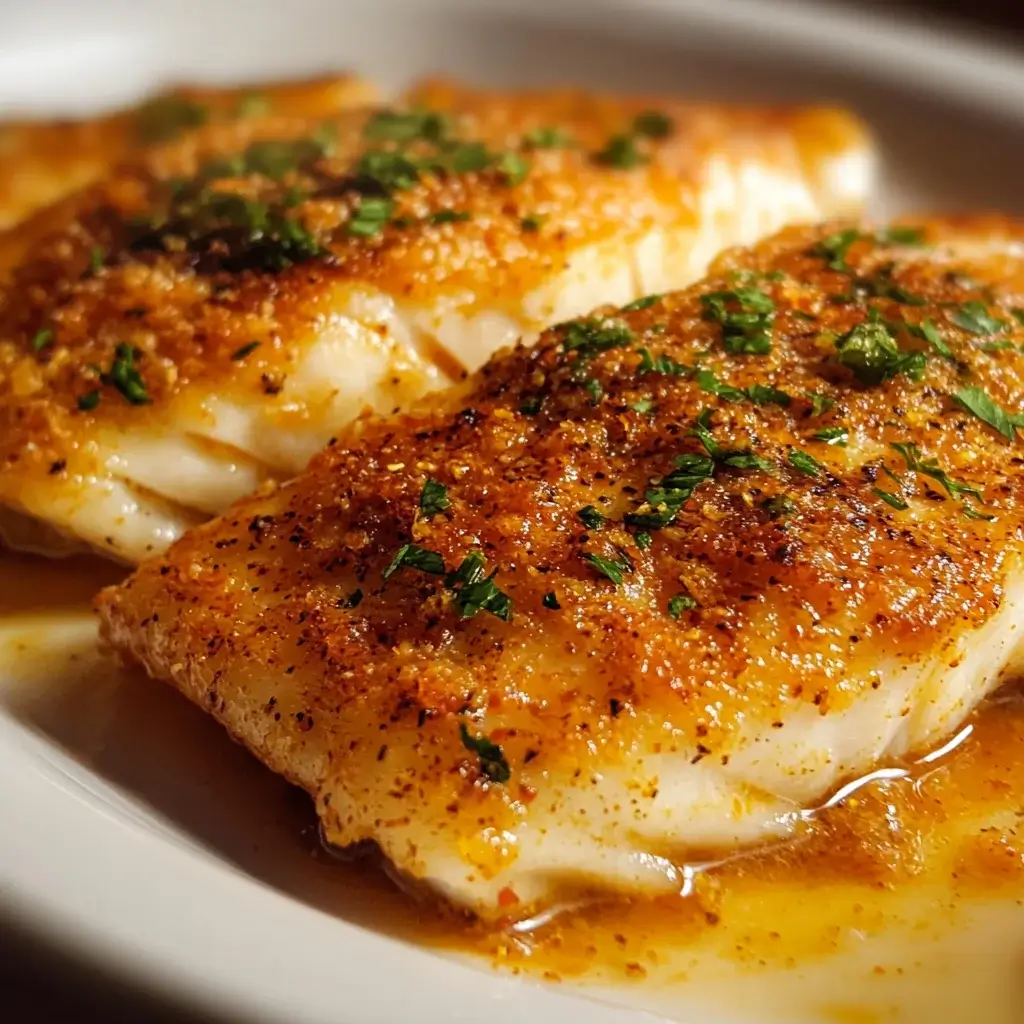

The first time I made this Quick Baked Cajun Fish, it was one of those frantic Tuesday nights. You know the kind – homework battles raging, everyone starving, and the thought of a complicated meal felt utterly overwhelming. I’d seen recipes for baked fish before, but they often seemed bland or required obscure ingredients. This one, though, promised speed and flavor, leaning heavily on a vibrant Cajun spice blend I happened to have. Skeptical but desperate, I gave it a whirl. Twenty minutes later, the aroma filling my kitchen was incredible – smoky, spicy, savory. I pulled the baking sheet from the oven, revealing perfectly flaky, beautifully seasoned fish fillets. Tentatively, I served it up with some quick-steamed rice and green beans. The reaction? Silence, followed by enthusiastic chewing, and then the ultimate compliment from my notoriously picky eater: “Wow, Mom, this fish is actually good!” Since that night, this Quick Baked Cajun Fish has become a cornerstone of our weeknight meal rotation. It’s ridiculously easy, consistently delicious, surprisingly healthy, and brings a touch of Louisiana warmth to our table, even on the busiest evenings. It proved to me that fast food can absolutely be fantastic food, made right in your own kitchen.
Ingredients
- 4 (6-ounce) White Fish Fillets: Such as cod, tilapia, halibut, snapper, or catfish, about 1-inch thick. Use firm, flaky white fish for the best texture. Ensure they are patted thoroughly dry.
- 2 Tablespoons Olive Oil: Extra virgin olive oil preferred for flavor, but light olive oil or avocado oil also works well for coating the fish and helping the spices adhere.
- 1 Tablespoon Cajun Seasoning: Use your favorite store-bought blend or make your own (typically includes paprika, cayenne pepper, garlic powder, onion powder, oregano, thyme, salt, and black pepper). Adjust amount based on saltiness and spice level of your blend.
- 1 Teaspoon Smoked Paprika (Optional): Adds an extra layer of smoky depth, complementing the Cajun spices.
- 1/2 Teaspoon Garlic Powder (Optional): Enhances the savory notes if your Cajun blend is lighter on garlic.
- 1/4 Teaspoon Black Pepper: Freshly ground preferred for better flavor. Add more or less to taste, considering the pepper content in your Cajun seasoning.
- Fresh Lemon Wedges: For serving. The acidity brightens the flavors significantly.
- Fresh Parsley (Chopped): For garnish (optional). Adds a touch of freshness and color.
Instructions
- Preheat Oven & Prepare Baking Sheet: Preheat your oven to 400°F (200°C). Line a large baking sheet with parchment paper for easy cleanup, or lightly grease it with oil or cooking spray.
- Prepare the Fish: Gently pat the fish fillets completely dry with paper towels. This step is crucial for allowing the oil and spices to adhere properly and helps the fish develop a slightly crispier exterior rather than steaming. Place the dried fillets on the prepared baking sheet, leaving some space between each one.
- Mix Seasoning & Oil: In a small bowl, whisk together the olive oil, Cajun seasoning, optional smoked paprika, optional garlic powder, and black pepper until well combined. Taste the mixture (carefully, if using raw ingredients you’re unsure about) and adjust seasoning if necessary – add more Cajun spice for heat, more paprika for smoke, or a pinch of salt if your blend is low-sodium.
- Season the Fish: Brush or drizzle the olive oil and spice mixture evenly over the top of each fish fillet. Use the back of a spoon or your fingers (wear gloves if sensitive to spices) to gently spread the mixture, ensuring each fillet is well-coated.
- Bake the Fish: Place the baking sheet in the preheated oven. Bake for 12-15 minutes, depending on the thickness of your fillets. The fish is cooked through when it becomes opaque and flakes easily when gently prodded with a fork. For thicker fillets (over 1 inch), you might need closer to 15-18 minutes. An instant-read thermometer inserted into the thickest part should register 145°F (63°C). Avoid overcooking, as this will make the fish dry.
- Rest and Serve: Once cooked, remove the baking sheet from the oven. Let the fish rest for a minute or two. Serve immediately, garnished with fresh chopped parsley (if using) and with fresh lemon wedges on the side for squeezing over the fish just before eating.
Nutrition Facts
(Approximate values per 6-ounce serving, assuming cod and standard Cajun seasoning. Actual values may vary based on specific fish type and seasoning blend used.)
- Servings: 4
- Calories: Approximately 250-300 kcal per serving. A relatively low-calorie main course, making it suitable for weight-conscious diets.
- Protein: Approximately 35-40g per serving. An excellent source of high-quality lean protein, essential for muscle building, repair, and overall satiety.
- Healthy Fats: Approximately 8-12g per serving (primarily from olive oil and naturally occurring fish oils). Provides beneficial monounsaturated fats and potentially Omega-3 fatty acids (depending on the fish), supporting heart health.
- Low Carbohydrate: Typically under 2-3g net carbs per serving (mainly from spices). Fits well into low-carb and ketogenic dietary patterns.
- Sodium: Varies significantly based on the Cajun seasoning brand (can range from 300mg to over 800mg). Choose low-sodium blends or make your own to control salt intake.
Preparation Time
- Prep Time: 5-7 minutes. This includes drying the fish, mixing the spices and oil, and coating the fillets. It’s incredibly quick to assemble.
- Cook Time: 12-15 minutes (adjust based on fillet thickness). The baking process is hands-off, allowing you to prepare quick side dishes simultaneously.
- Total Time: Approximately 17-22 minutes. This makes it an ideal recipe for busy weeknights when you need a flavorful meal on the table fast.
How to Serve
Serving this Quick Baked Cajun Fish is all about complementing its bold flavors and flaky texture. It’s versatile and pairs well with a variety of sides. Here are some ideas to create a complete and satisfying meal:
- Classic Cajun & Southern Pairings:
- Dirty Rice: A traditional Louisiana rice dish cooked with chicken livers/gizzards (or mushrooms for vegetarian), onions, peppers, celery, and spices. Its savory depth beautifully complements the spicy fish.
- Red Beans and Rice: While often a main dish itself, a smaller serving of creamy red beans and rice provides a hearty and authentic accompaniment.
- Cheese Grits: Creamy, cheesy grits offer a comforting and smooth contrast to the spiced fish.
- Collard Greens: Slow-cooked collard greens with a touch of smokiness (from bacon or smoked turkey) and vinegar are a classic Southern side that cuts through the richness.
- Corn Maque Choux: A creamy Cajun corn dish with onions, bell peppers, and sometimes bacon or crawfish – sweet, savory, and delicious alongside.
- Simple Starch Sides:
- Steamed White or Brown Rice: A simple bed of fluffy rice is perfect for soaking up any flavorful juices from the fish.
- Quinoa: A healthy, protein-packed grain that provides a slightly nutty base.
- Roasted Potatoes: Cubed potatoes (sweet potatoes or regular) tossed with a little oil and herbs, roasted alongside the fish (they may need a head start depending on size).
- Crusty Bread: Perfect for mopping up any leftover spicy oil and bits from the plate. Garlic bread adds another layer of flavor.
- Vegetable Companions:
- Roasted Vegetables: Asparagus, broccoli florets, bell pepper strips, zucchini slices, or cherry tomatoes tossed in olive oil and roasted on the same baking sheet (adjust timing as needed) make for an easy one-pan meal.
- Steamed Green Beans: Simply steamed or blanched green beans with a squeeze of lemon offer a fresh, crisp counterpoint.
- Sautéed Spinach or Kale: Quickly wilted greens with a touch of garlic provide essential nutrients and color.
- Simple Green Salad: A crisp salad with a light vinaigrette (lemon or red wine based) offers a refreshing contrast to the warm, spicy fish.
- Coleslaw: A creamy or vinegar-based coleslaw adds crunch and coolness.
- Flavor Enhancers & Garnishes:
- Lemon Wedges: Absolutely essential! A generous squeeze of fresh lemon juice right before eating brightens all the flavors and cuts through the spice.
- Fresh Parsley or Cilantro: Chopped fresh herbs add visual appeal and a burst of freshness.
- Green Onions: Thinly sliced green onions (scallions) provide a mild oniony bite.
- Hot Sauce: For those who like an extra kick, offer your favorite Louisiana-style hot sauce on the side.
- Tartar Sauce or Remoulade: While not strictly necessary due to the fish’s inherent flavor, a dollop of creamy tartar sauce or a zesty remoulade can be a pleasant addition for some.
- Presentation:
- Serve the fish fillets directly on plates alongside your chosen side dishes.
- For a family-style approach, present the fish on a platter garnished with lemon wedges and parsley, with bowls of side dishes passed around the table.
- Flake the cooked fish slightly and serve it over a bed of rice or salad for a different texture and look.
Additional Tips
- Choosing the Right Fish: While the recipe suggests cod, tilapia, halibut, snapper, or catfish, virtually any firm white fish works. Grouper, mahi-mahi, or even pollock are good options. You could also use salmon or arctic char for a richer, oilier fish experience; just note the flavor profile will be different, and cooking time might need slight adjustment. The key is choosing fillets of relatively uniform thickness (around 1 inch) so they cook evenly.
- Customize Your Cajun Spice: Store-bought Cajun seasonings vary greatly in saltiness and heat. Taste yours before using the full amount. If it’s very salty, you might want to reduce the amount slightly or use a low-sodium version. To increase the heat, add a pinch more cayenne pepper. For more smokiness, add extra smoked paprika. Want it milder? Use less Cajun seasoning and perhaps substitute some with regular paprika and dried herbs like thyme and oregano. Making your own blend gives you complete control.
- Don’t Crowd the Pan: Ensure there’s space between the fish fillets on the baking sheet. If they are too close together, they will steam rather than bake, resulting in a softer, less appealing texture. Use two baking sheets if necessary. Proper spacing allows hot air to circulate around each fillet, promoting even cooking and slight browning.
- Achieving Perfect Doneness: Overcooked fish is dry and disappointing. The “flakes easily with a fork” test is reliable, but for guaranteed perfection, use an instant-read thermometer. Insert it into the thickest part of the fillet; it should read 145°F (63°C). Remember that fish continues to cook slightly from residual heat after being removed from the oven (carryover cooking), so aim to pull it out right at or just before it hits the target temperature.
- One-Pan Meal Potential: Turn this into a complete sheet pan dinner by adding quick-cooking vegetables to the pan alongside the fish. Asparagus, sliced zucchini, bell pepper strips, cherry tomatoes, and thinly sliced onions are great choices. Toss them with a little olive oil, salt, and pepper (or even a sprinkle of Cajun seasoning) and arrange them around the fish. They should cook in about the same 12-15 minutes. Hardier vegetables like broccoli florets or potato cubes will need a head start (roast them for 10-15 minutes before adding the fish).
- Make-Ahead Spice Blend: If you find yourself making this recipe often, mix a larger batch of the Cajun seasoning (if making homemade) or the oil-and-spice mixture (without the oil for dry storage). Store the dry spice blend in an airtight container in a cool, dark place for several months. This saves a step during busy weeknight prep.
- Importance of Patting Dry: It bears repeating – thoroughly patting the fish fillets dry with paper towels before adding the oil and spices is critical. Excess moisture prevents the oil mixture from adhering well and hinders the development of a nicely textured surface during baking. It leads to steaming instead of roasting.
- Storage and Reheating: Store leftover cooked fish in an airtight container in the refrigerator for up to 2-3 days. For best results when reheating, avoid the microwave, which can make fish rubbery. Instead, reheat gently in a low oven (around 300°F or 150°C) until warmed through, or flake the cold fish and add it to salads, tacos, or pasta dishes. You can also gently reheat it in a skillet over medium-low heat with a tiny bit of oil or broth.
FAQ Section
- Q1: What is the best type of fish to use for Quick Baked Cajun Fish?
- A: The best choices are firm, flaky white fish fillets that are about 1-inch thick. Excellent options include Cod, Tilapia, Halibut, Snapper, Catfish, Grouper, and Mahi-Mahi. These hold their shape well during baking and have a mild flavor that allows the Cajun seasoning to shine. You can also use Pollock for a budget-friendly option. While Salmon or Arctic Char can be used, their richer flavor will create a different overall dish, and cooking times might vary slightly due to higher fat content. Ensure uniform thickness for even cooking.
- Q2: Can I make this recipe more or less spicy?
- A: Absolutely! Customizing the spice level is easy. To make it less spicy: Use a milder Cajun seasoning blend (check labels or reviews), reduce the amount of Cajun seasoning called for in the recipe, or make your own blend omitting or reducing the cayenne pepper significantly. You could replace some Cajun seasoning with regular paprika, garlic powder, and onion powder for flavor without heat. To make it spicier: Choose a Cajun seasoning known for its heat, add extra cayenne pepper (start with 1/4 teaspoon and increase to taste), or add a pinch of red pepper flakes to the spice mixture. Serving with hot sauce on the side also allows individuals to adjust heat.
- Q3: How do I know for sure when the fish is cooked perfectly?
- A: There are two main indicators. First, the visual and texture test: The fish flesh should turn from translucent to opaque, and it should flake easily when gently prodded with a fork at its thickest point. Be careful not to shred the whole fillet while testing. Second, for guaranteed accuracy, use an instant-read food thermometer. Insert it into the thickest part of the fillet, avoiding bone if present. The internal temperature should register 145°F (63°C). Remove the fish promptly once it reaches this temperature to prevent overcooking.
- Q4: Can I use frozen fish fillets for this recipe?
- A: Yes, you can use frozen fish fillets, but it’s crucial to thaw them completely and properly before starting the recipe. The best way to thaw fish is overnight in the refrigerator. For a quicker method, you can place the sealed fish fillets in a bowl of cold water, changing the water every 30 minutes until thawed (this usually takes 1-2 hours). Never thaw fish at room temperature due to food safety risks. Once thawed, pat the fillets extremely dry with paper towels, as thawed fish often releases more moisture. Then proceed with the recipe as directed. Baking from frozen is not recommended for this recipe as it can lead to uneven cooking and a watery result.
- Q5: How should I store leftover Baked Cajun Fish?
- A: Allow the cooked fish to cool slightly, then store any leftovers in an airtight container in the refrigerator. Properly stored, it should last for 2 to 3 days. Ensure the container is sealed well to prevent odors from transferring and to maintain freshness.
- Q6: Can I freeze the cooked Cajun fish?
- A: While you can freeze cooked fish, its texture may change upon thawing and reheating, sometimes becoming drier or slightly mushier. If you choose to freeze it, let it cool completely, wrap individual fillets tightly in plastic wrap, then place them in a freezer-safe bag or airtight container. Freeze for up to 1 month for best quality. Thaw overnight in the refrigerator before reheating gently (oven or skillet recommended over microwave). Alternatively, consider freezing uncooked seasoned fillets: arrange seasoned fillets on a baking sheet, freeze until solid, then transfer to a freezer bag for up to 2-3 months. Bake from frozen, adding extra cooking time.
- Q7: Is this Quick Baked Cajun Fish recipe gluten-free?
- A: Generally, yes, this recipe is naturally gluten-free, provided your ingredients are pure. Fish, olive oil, fresh lemon, parsley, and individual spices (paprika, garlic powder, pepper) are gluten-free. However, you must check your specific Cajun seasoning blend. Some store-bought blends may contain anti-caking agents or thickeners derived from wheat. Always read the ingredient label on your seasoning mix to confirm it is certified gluten-free if required for dietary reasons like Celiac disease. Making your own blend ensures it’s gluten-free.
- Q8: Is this recipe considered healthy?
- A: Yes, this Quick Baked Cajun Fish is generally considered a healthy meal option. Fish, especially white fish like cod or tilapia, is an excellent source of lean protein and low in saturated fat. Depending on the fish type, it can also provide beneficial omega-3 fatty acids. Baking is a healthy cooking method that requires less added fat compared to frying. Using heart-healthy olive oil adds beneficial monounsaturated fats. The main health consideration is the sodium content, which depends heavily on the Cajun seasoning used. Opting for low-sodium blends or making your own allows for better control. Served with healthy sides like steamed vegetables or whole grains, it forms a balanced and nutritious meal.
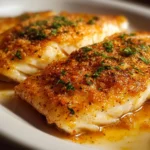
Quick Baked Cajun Fish
Ingredients
- 4 (6-ounce) White Fish Fillets: Such as cod, tilapia, halibut, snapper, or catfish, about 1-inch thick. Use firm, flaky white fish for the best texture. Ensure they are patted thoroughly dry.
- 2 Tablespoons Olive Oil: Extra virgin olive oil preferred for flavor, but light olive oil or avocado oil also works well for coating the fish and helping the spices adhere.
- 1 Tablespoon Cajun Seasoning: Use your favorite store-bought blend or make your own (typically includes paprika, cayenne pepper, garlic powder, onion powder, oregano, thyme, salt, and black pepper). Adjust amount based on saltiness and spice level of your blend.
- 1 Teaspoon Smoked Paprika (Optional): Adds an extra layer of smoky depth, complementing the Cajun spices.
- 1/2 Teaspoon Garlic Powder (Optional): Enhances the savory notes if your Cajun blend is lighter on garlic.
- 1/4 Teaspoon Black Pepper: Freshly ground preferred for better flavor. Add more or less to taste, considering the pepper content in your Cajun seasoning.
- Fresh Lemon Wedges: For serving. The acidity brightens the flavors significantly.
- Fresh Parsley (Chopped): For garnish (optional). Adds a touch of freshness and color.
Instructions
- Preheat Oven & Prepare Baking Sheet: Preheat your oven to 400°F (200°C). Line a large baking sheet with parchment paper for easy cleanup, or lightly grease it with oil or cooking spray.
- Prepare the Fish: Gently pat the fish fillets completely dry with paper towels. This step is crucial for allowing the oil and spices to adhere properly and helps the fish develop a slightly crispier exterior rather than steaming. Place the dried fillets on the prepared baking sheet, leaving some space between each one.
- Mix Seasoning & Oil: In a small bowl, whisk together the olive oil, Cajun seasoning, optional smoked paprika, optional garlic powder, and black pepper until well combined. Taste the mixture (carefully, if using raw ingredients you’re unsure about) and adjust seasoning if necessary – add more Cajun spice for heat, more paprika for smoke, or a pinch of salt if your blend is low-sodium.
- Season the Fish: Brush or drizzle the olive oil and spice mixture evenly over the top of each fish fillet. Use the back of a spoon or your fingers (wear gloves if sensitive to spices) to gently spread the mixture, ensuring each fillet is well-coated.
- Bake the Fish: Place the baking sheet in the preheated oven. Bake for 12-15 minutes, depending on the thickness of your fillets. The fish is cooked through when it becomes opaque and flakes easily when gently prodded with a fork. For thicker fillets (over 1 inch), you might need closer to 15-18 minutes. An instant-read thermometer inserted into the thickest part should register 145°F (63°C). Avoid overcooking, as this will make the fish dry.
- Rest and Serve: Once cooked, remove the baking sheet from the oven. Let the fish rest for a minute or two. Serve immediately, garnished with fresh chopped parsley (if using) and with fresh lemon wedges on the side for squeezing over the fish just before eating.
Nutrition
- Serving Size: one normal portion
- Calories: 300
- Sodium: 800mg
- Fat: 12g
- Carbohydrates: 3g
- Protein: 40g