

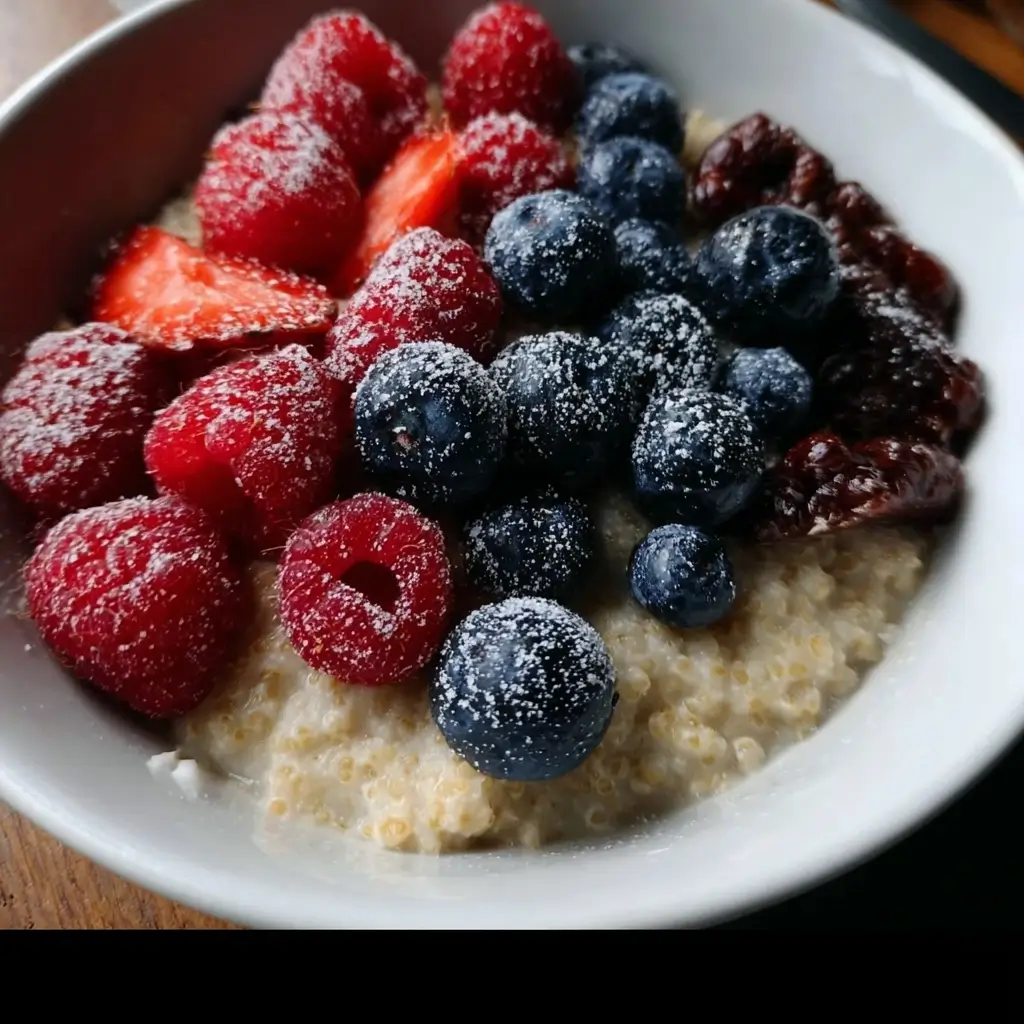

Of all the breakfast transformations my kitchen has seen over the years, none has been as surprising and universally loved as the switch to this Quick Berry Millet Porridge. For the longest time, our mornings were a rotation of the usual suspects: oatmeal, cereal, or toast. While reliable, they had become mundane. I was on a mission to find a breakfast that was not only nourishing and energizing but also something my entire family, including my notoriously picky seven-year-old, would get excited about. I stumbled upon millet, a grain I had only associated with birdseed, and decided to give it a try. The first attempt was a revelation. The aroma that filled the kitchen was incredible—a nutty, toasty scent mingling with the sweet perfume of simmering berries. The texture was the biggest surprise; it was luxuriously creamy, almost like a decadent pudding, but with a delightful, slightly chewy bite that set it apart from the sometimes-gummy texture of oatmeal. When I served the first bowls, topped with a swirl of maple syrup and a sprinkle of crunchy seeds, the initial skepticism on my family’s faces quickly melted away into quiet, contented munching. My husband, a creature of habit, declared it “surprisingly hearty,” while my son, after his first spoonful, looked up with wide eyes and asked, “Can we have this again tomorrow?” This Quick Berry Millet Porridge is now our go-to weekday breakfast. It’s fast enough for busy school mornings, packed with nutrients to keep us fueled for hours, and so delicious it feels like a special treat every single time. It’s the perfect way to start the day on a warm, wholesome, and happy note.
Ingredients
- 1/2 cup Hulled Millet: The star of the show. Using hulled millet (foxtail or proso are excellent choices) is crucial for achieving that signature creamy texture. It’s a naturally gluten-free ancient grain with a mild, slightly nutty flavor.
- 1 ½ cups Water: This is for the initial cooking of the millet, allowing it to soften and absorb the liquid before we add the creamy elements.
- 1 cup Plant-Based Milk: Unsweetened almond, oat, or cashew milk works beautifully here. Oat milk tends to yield the creamiest result, but use your favorite. This is what transforms the grain into a true porridge.
- 1 cup Mixed Berries (Fresh or Frozen): A medley of strawberries, blueberries, raspberries, and blackberries adds natural sweetness, a beautiful vibrant color, and a powerful dose of antioxidants. Frozen berries work just as well as fresh, often at a lower cost.
- 1 tablespoon Maple Syrup or Honey: For a touch of clean, natural sweetness. Adjust the amount based on the sweetness of your berries and your personal preference. For a vegan version, stick with maple syrup or agave.
- 1/2 teaspoon Vanilla Extract: A small amount enhances all the other flavors in the bowl, adding a layer of aromatic warmth.
- 1/4 teaspoon Ground Cinnamon: This spice brings a cozy, warming element that pairs perfectly with the berries and nutty millet.
- A pinch of Sea Salt: An essential ingredient that might seem counterintuitive in a sweet dish, but it actually balances and elevates the sweetness, making every flavor pop.
Instructions
- Rinse the Millet Thoroughly: This is the most important first step and should not be skipped. Place the 1/2 cup of millet in a fine-mesh sieve. Rinse it under cold, running water for at least 30-60 seconds, using your fingers to move the grains around. This process removes any residual saponin, a natural coating on the grain that can impart a slightly bitter or soapy taste if not washed away. Proper rinsing ensures a clean, sweet, nutty flavor in your final porridge.
- Toast the Grains (Optional but Recommended): Heat a medium-sized, dry saucepan or pot over medium heat. Once hot, add the rinsed and drained millet. Toast the grains for 2-3 minutes, stirring constantly with a wooden spoon or spatula to prevent burning. You’ll know it’s ready when the millet becomes fragrant with a nutty aroma and the grains turn a light golden brown. This step is optional, but it deeply enhances the flavor profile of the porridge, adding a wonderful toasty complexity.
- Cook the Millet: Carefully pour the 1 ½ cups of water into the pot with the toasted millet. Be cautious as the pot is hot and the water may steam and splatter. Bring the water to a boil, then reduce the heat to low, cover the pot with a lid, and let it simmer for about 15 minutes. During this time, the millet will absorb most of the water and become tender.
- Add the Creamy Components: After 15 minutes, remove the lid. The millet should be soft with a little liquid remaining. Pour in the 1 cup of plant-based milk, the 1 cup of mixed berries, the 1 tablespoon of maple syrup, the 1/2 teaspoon of vanilla extract, the 1/4 teaspoon of cinnamon, and the pinch of sea salt.
- Simmer to Perfection: Stir everything together to combine. Increase the heat slightly to bring the mixture back to a gentle simmer. Continue to cook, uncovered, for another 5-7 minutes, stirring frequently to prevent the porridge from sticking to the bottom of the pot. The porridge will thicken considerably during this time, and the berries will break down, releasing their juices and creating beautiful purple and red swirls throughout. The final consistency should be thick and creamy.
- Rest and Serve: Turn off the heat and let the porridge sit in the pot for 2-3 minutes. This resting period allows it to thicken up just a little more, achieving the perfect porridge consistency. Give it one final stir, then divide it between two bowls. Serve immediately while warm, with your favorite toppings.
Nutrition Facts
- Servings: 2
- Calories Per Serving: Approximately 380 kcal (this can vary based on milk choice and toppings)
- Fiber (Approx. 8g): Sourced from both the millet and the berries, fiber is essential for digestive health. It promotes regularity, helps you feel full and satisfied for longer, and supports stable blood sugar levels, preventing that mid-morning energy crash.
- Protein (Approx. 10g): Millet is a wonderful source of plant-based protein, which is crucial for building and repairing tissues, supporting muscle health, and contributing to the overall satiety of the meal. This makes the porridge a truly sustaining breakfast.
- Magnesium (Approx. 25% of RDI): Millet is remarkably rich in magnesium, a vital mineral involved in over 300 biochemical reactions in the body. It plays a key role in nerve function, muscle contraction, blood pressure regulation, and energy production.
- Complex Carbohydrates: The millet provides slow-releasing complex carbohydrates, which are your body’s primary source of fuel. Unlike simple sugars that cause a quick spike and crash, these carbs provide steady, lasting energy to power you through your morning.
- Antioxidants: The mixed berries are packed with powerful antioxidants like anthocyanins (which give them their red and blue colors). These compounds help protect your cells from damage caused by free radicals, supporting overall health and reducing inflammation.
Preparation Time
This recipe is designed for efficiency without sacrificing flavor. The total time from start to finish is approximately 25-30 minutes, making it perfectly feasible for a weekday morning.
- Prep Time (5 minutes): This includes gathering your ingredients, measuring them out, and, most importantly, thoroughly rinsing the millet.
- Cook Time (20-25 minutes): This accounts for the initial toasting of the grain, the primary simmering in water, and the final simmering with the milk and berries to achieve that perfect creamy consistency.
While it cooks, you have the perfect window to prepare your coffee, pack lunches, or get your toppings ready, making it an excellent multi-tasking breakfast.
How to Serve
Serving this Berry Millet Porridge is where you can truly get creative and tailor it to your personal taste. A great porridge is a canvas for delicious toppings that add texture, flavor, and even more nutrients. Serve it warm and fresh from the pot in your favorite cozy bowl.
Here are some ideas for building the perfect bowl:
- For a Touch of Sweetness:
- A generous drizzle of pure maple syrup.
- A spoonful of raw honey or agave nectar.
- A sprinkle of coconut sugar for a caramel-like flavor.
- A dollop of fruit preserves or apple butter.
- For a Satisfying Crunch:
- A handful of toasted nuts like walnuts, pecans, or slivered almonds.
- A sprinkle of seeds such as chia seeds, hemp hearts, or pumpkin seeds (pepitas).
- A spoonful of your favorite granola for extra texture and flavor.
- A sprinkle of toasted coconut flakes.
- For Extra Creaminess and Protein:
- A large dollop of Greek yogurt or a plant-based alternative like coconut or almond yogurt.
- A swirl of nut butter, such as almond, peanut, or cashew butter, which melts beautifully into the warm porridge.
- An extra splash of cold plant-based milk around the edges of the bowl.
- For a Flavor Boost:
- An extra sprinkle of ground cinnamon or a dash of nutmeg.
- A pinch of cardamom for an exotic, fragrant twist.
- A small amount of fresh citrus zest, like orange or lemon, to brighten up the berry flavor.
Additional Tips
- The Perfect Rinse is Non-Negotiable: We can’t stress this enough. Rinsing millet in a fine-mesh sieve is the secret to delicious, non-bitter porridge. The natural saponin on the grain needs to be washed away. If you ever taste a bitter note in millet, it’s almost certainly because it wasn’t rinsed well enough. Take the extra minute to do this—it makes all the difference.
- Master the Toast for Flavor: The optional toasting step elevates this recipe from good to great. Toasting the rinsed grains in a dry pan before adding liquid unlocks a deep, nutty, and complex flavor that provides a beautiful foundation for the sweet berries and creamy milk. It’s a simple technique used by chefs to build layers of flavor.
- Creaminess is Key: The choice of liquid in the second stage of cooking dictates the final creaminess. While any plant-based milk works, full-fat oat milk or canned coconut milk (the light version) will produce the most decadent and creamy results. For an even richer porridge, you can stir in a tablespoon of coconut cream or cashew cream at the very end.
- Batch Cook for Busy Mornings: This porridge is perfect for meal prep. You can easily double or triple the recipe on a Sunday. Cook the porridge as directed and store it in an airtight container in the refrigerator for up to 4 days. To reheat, simply add a splash of milk or water to a portion in a saucepan and heat over low heat, stirring until warm and creamy again. You can also microwave it in 30-second intervals.
- Frozen Berries for the Win: Don’t hesitate to use frozen berries. They are picked and frozen at peak ripeness, so they are just as nutritious as fresh ones, and often more affordable and accessible year-round. They break down beautifully into the porridge, creating a jammy, saucy consistency that is absolutely delicious. There’s no need to thaw them first; just add them directly to the pot.
- Adjust Sweetness at the End: It’s best to add the initial amount of sweetener during cooking and then adjust the final bowl to your liking. The natural sweetness of berries can vary greatly depending on the season and type. By tasting and adjusting at the end, you ensure the porridge is perfectly sweetened for your palate without overdoing it.
- Don’t Underestimate the Power of Salt: That tiny pinch of salt is a flavor magician. In sweet dishes, salt doesn’t make things salty; it suppresses bitterness and enhances the perception of sweetness. It creates a more balanced and well-rounded flavor profile, making the berries taste fruitier and the maple syrup taste sweeter.
- Let it Rest Before Serving: Patience pays off. Once you turn off the heat, letting the porridge stand for just 2-3 minutes allows the starches in the millet to continue to set and absorb the last bit of liquid. This final rest is what takes it from a slightly loose consistency to a perfectly thick, spoonable porridge.
FAQ Section
1. What exactly is millet and what does it taste like?
Millet is not a single type of grain but a group of small-seeded grasses cultivated around the world as cereal crops. It’s an ancient grain that’s naturally gluten-free. On its own, millet has a very mild, slightly sweet, and nutty flavor, often compared to a cross between corn and quinoa. Its gentle flavor profile makes it incredibly versatile, as it readily takes on the flavors of the ingredients it’s cooked with, making it a perfect base for this berry porridge.
2. Is millet porridge healthier than oatmeal?
Both millet and oats are incredibly healthy choices for breakfast, and one isn’t definitively “healthier” than the other; they just offer slightly different nutritional profiles. Millet is often higher in minerals like magnesium and manganese and is a complete protein source, containing all essential amino acids. Oats are famous for their high content of beta-glucan, a type of soluble fiber known for its cholesterol-lowering effects. The best choice is to rotate between them to get a wider variety of nutrients in your diet. This millet porridge is an excellent gluten-free alternative for those who cannot eat oats.
3. Can I make this recipe vegan?
Absolutely! This recipe is already designed to be vegan-friendly. It uses water and plant-based milk (like almond, soy, or oat milk) instead of dairy, and calls for maple syrup as a sweetener instead of honey. As long as you stick to these plant-based ingredients, your porridge will be 100% vegan and delicious.
4. How do I properly store and reheat leftover millet porridge?
Leftover porridge can be stored in an airtight container in the refrigerator for up to 4 days. It will thicken considerably as it cools. To reheat, place the desired amount in a small saucepan over low to medium heat. Add a generous splash of water or your favorite milk to help loosen it up. Stir continuously until it is heated through and has returned to a creamy consistency. Alternatively, you can microwave it in a bowl, stirring every 30-45 seconds and adding liquid as needed.
5. My millet porridge turned out bitter. What did I do wrong?
A bitter taste is almost always due to not rinsing the millet properly before cooking. Millet grains have a natural coating called saponin, which protects the seed but has a bitter, soapy taste. It’s water-soluble, so a thorough rinse under cold running water in a fine-mesh sieve for about a minute will remove it and prevent any bitterness in your final dish.
6. Can I use other fruits besides mixed berries?
Yes, this recipe is very adaptable! While berries are a classic choice, you can substitute them with a variety of other fruits. Some great alternatives include:
- Diced apples with an extra dash of cinnamon.
- Chopped peaches or nectarines in the summer.
- Mashed banana stirred in at the end for sweetness and creaminess.
- Chopped pears with a pinch of ginger.
- Dried fruits like chopped dates, apricots, or raisins (add them with the liquid to let them plump up).
7. What type of millet is best for making porridge?
For a creamy porridge, you want to look for hulled foxtail millet or proso millet. These varieties tend to break down more easily and create a softer, creamier texture. Pearl millet, which is more common in some regions, has a firmer texture and is better suited for savory dishes where you want the grains to remain separate, like a pilaf. Always check the package to ensure you are buying a variety suitable for porridge.
8. Is this recipe naturally gluten-free?
Yes, it is. Millet is a naturally gluten-free grain, making this porridge an excellent and safe breakfast choice for individuals with celiac disease or gluten sensitivity. However, if you have a severe allergy, it’s always wise to purchase millet that is certified gluten-free to ensure it wasn’t processed in a facility that also handles wheat, barley, or rye, which could lead to cross-contamination.

Quick Berry Millet Porridge
Ingredients
- 1/2 cup Hulled Millet: The star of the show. Using hulled millet (foxtail or proso are excellent choices) is crucial for achieving that signature creamy texture. It’s a naturally gluten-free ancient grain with a mild, slightly nutty flavor.
- 1 ½ cups Water: This is for the initial cooking of the millet, allowing it to soften and absorb the liquid before we add the creamy elements.
- 1 cup Plant-Based Milk: Unsweetened almond, oat, or cashew milk works beautifully here. Oat milk tends to yield the creamiest result, but use your favorite. This is what transforms the grain into a true porridge.
- 1 cup Mixed Berries (Fresh or Frozen): A medley of strawberries, blueberries, raspberries, and blackberries adds natural sweetness, a beautiful vibrant color, and a powerful dose of antioxidants. Frozen berries work just as well as fresh, often at a lower cost.
- 1 tablespoon Maple Syrup or Honey: For a touch of clean, natural sweetness. Adjust the amount based on the sweetness of your berries and your personal preference. For a vegan version, stick with maple syrup or agave.
- 1/2 teaspoon Vanilla Extract: A small amount enhances all the other flavors in the bowl, adding a layer of aromatic warmth.
- 1/4 teaspoon Ground Cinnamon: This spice brings a cozy, warming element that pairs perfectly with the berries and nutty millet.
- A pinch of Sea Salt: An essential ingredient that might seem counterintuitive in a sweet dish, but it actually balances and elevates the sweetness, making every flavor pop.
Instructions
- Rinse the Millet Thoroughly: This is the most important first step and should not be skipped. Place the 1/2 cup of millet in a fine-mesh sieve. Rinse it under cold, running water for at least 30-60 seconds, using your fingers to move the grains around. This process removes any residual saponin, a natural coating on the grain that can impart a slightly bitter or soapy taste if not washed away. Proper rinsing ensures a clean, sweet, nutty flavor in your final porridge.
- Toast the Grains (Optional but Recommended): Heat a medium-sized, dry saucepan or pot over medium heat. Once hot, add the rinsed and drained millet. Toast the grains for 2-3 minutes, stirring constantly with a wooden spoon or spatula to prevent burning. You’ll know it’s ready when the millet becomes fragrant with a nutty aroma and the grains turn a light golden brown. This step is optional, but it deeply enhances the flavor profile of the porridge, adding a wonderful toasty complexity.
- Cook the Millet: Carefully pour the 1 ½ cups of water into the pot with the toasted millet. Be cautious as the pot is hot and the water may steam and splatter. Bring the water to a boil, then reduce the heat to low, cover the pot with a lid, and let it simmer for about 15 minutes. During this time, the millet will absorb most of the water and become tender.
- Add the Creamy Components: After 15 minutes, remove the lid. The millet should be soft with a little liquid remaining. Pour in the 1 cup of plant-based milk, the 1 cup of mixed berries, the 1 tablespoon of maple syrup, the 1/2 teaspoon of vanilla extract, the 1/4 teaspoon of cinnamon, and the pinch of sea salt.
- Simmer to Perfection: Stir everything together to combine. Increase the heat slightly to bring the mixture back to a gentle simmer. Continue to cook, uncovered, for another 5-7 minutes, stirring frequently to prevent the porridge from sticking to the bottom of the pot. The porridge will thicken considerably during this time, and the berries will break down, releasing their juices and creating beautiful purple and red swirls throughout. The final consistency should be thick and creamy.
- Rest and Serve: Turn off the heat and let the porridge sit in the pot for 2-3 minutes. This resting period allows it to thicken up just a little more, achieving the perfect porridge consistency. Give it one final stir, then divide it between two bowls. Serve immediately while warm, with your favorite toppings.
Nutrition
- Serving Size: one normal portion
- Calories: 380
- Fiber: 8g
- Protein: 10g