
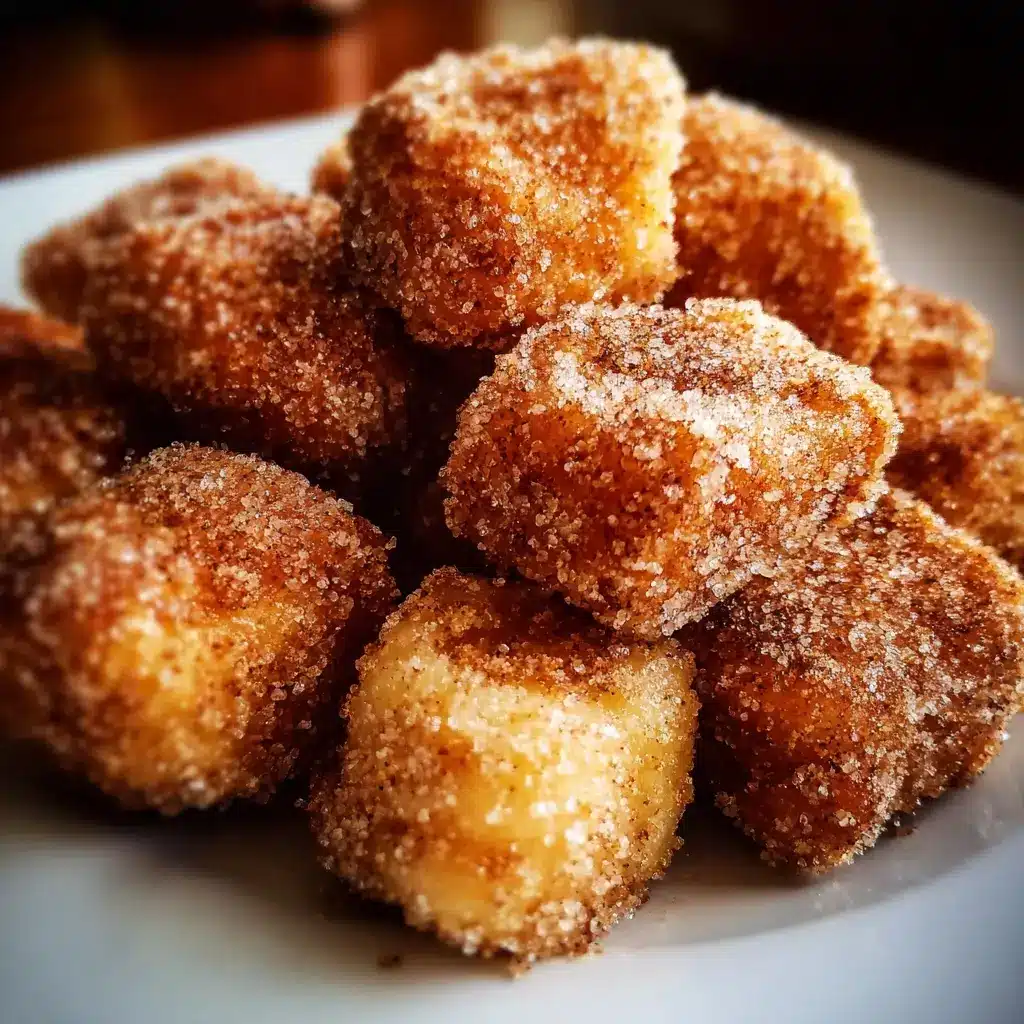
There’s a certain magic that happens when you combine warm, fried dough with a generous coating of cinnamon and sugar. For me, that magic is encapsulated in these Quick Churro Bites. I first stumbled upon the idea on a frantic Saturday afternoon. The kids were clamoring for a special treat for our weekly movie night, and our usual go-to snacks just weren’t cutting it. I remembered seeing a simple dough recipe online and thought, “How hard can it be?” The answer, I was delighted to find, was “not hard at all.” Within thirty minutes, the entire house was filled with the intoxicating aroma of a bustling bakery or a festive fairground. The first batch disappeared from the cooling rack before I could even finish frying the second. My husband, who usually reserves his highest praise for complex desserts, declared them “dangerously addictive.” The kids, with cinnamon-sugar smiles, simply held up their plates for more. These little golden nuggets of joy are crispy on the outside, with those signature ridges that catch all the sweet spice, but impossibly soft and fluffy on the inside. They are more than just a recipe; they have become a tradition, a quick and easy way to turn any ordinary evening into a sweet celebration. This recipe isn’t about spending hours in the kitchen; it’s about creating maximum happiness with minimal effort, and it delivers every single time.
Ingredients
Here is the simple list of pantry staples you’ll need to create these irresistible churro bites.
- For the Churro Dough:
- 1 cup (240ml) Water: The essential liquid base that steams the flour, creating the light interior.
- ½ cup (113g) Unsalted Butter: Cut into small pieces, this adds richness, flavor, and tenderness to the dough.
- 1 tablespoon (12g) Granulated Sugar: Adds a subtle sweetness directly into the dough itself.
- ¼ teaspoon Salt: Balances the sweetness and enhances all the other flavors.
- 1 cup (125g) All-Purpose Flour: The structural backbone of our churros, creating the perfect chew.
- 2 Large Eggs: These are crucial for leavening and creating a rich, silky, and pipeable dough.
- 1 teaspoon Vanilla Extract: Infuses the dough with a warm, aromatic background note.
- Vegetable or Canola Oil, for frying (about 4-6 cups): A neutral oil with a high smoke point is essential for achieving a perfect, non-greasy fry.
- For the Cinnamon Sugar Coating:
- ½ cup (100g) Granulated Sugar: The sweet, crystalline base of our classic coating.
- 1 ½ tablespoons Ground Cinnamon: The star spice that gives churros their signature warm, fragrant flavor.
Instructions
Follow these detailed steps carefully to achieve perfectly golden and delicious churro bites on your first try. The process is straightforward, focusing on technique to ensure the best possible texture.
Step 1: Prepare the Coating and Frying Station
Before you begin with the dough, it’s wise to get your post-frying station ready. In a shallow dish or a pie plate, thoroughly whisk together the ½ cup of granulated sugar and 1 ½ tablespoons of ground cinnamon. Set this aside. Next, pour your frying oil into a heavy-bottomed pot or Dutch oven until it is about 2-3 inches deep. Attach a deep-fry thermometer to the side of the pot if you have one. Begin heating the oil over medium to medium-high heat, aiming for a stable temperature between 350-360°F (175-180°C). Prepare a baking sheet by lining it with paper towels. This will be where your freshly fried churro bites drain before being coated.
Step 2: Create the Dough Base
In a medium-sized saucepan, combine the 1 cup of water, ½ cup of unsalted butter (cut into pieces), 1 tablespoon of granulated sugar, and ¼ teaspoon of salt. Place the saucepan over medium-high heat. Bring the mixture to a rolling boil, stirring occasionally to ensure the butter is fully melted and the sugar and salt are dissolved. The key is to ensure it’s truly boiling before moving to the next step.
Step 3: Incorporate the Flour
Once the mixture is at a full boil, immediately remove the saucepan from the heat. Add the 1 cup of all-purpose flour all at once. Using a wooden spoon or a sturdy spatula, stir vigorously and quickly. The mixture will look messy at first, but keep stirring. Within about 30-60 seconds, it will come together to form a smooth, thick ball of dough that pulls away cleanly from the sides and bottom of the pan. Once this ball has formed, continue to stir and “cook” the dough against the hot pan for another minute to dry it out slightly. This step is crucial for the final texture.
Step 4: Cool the Dough
Transfer the hot dough ball to the bowl of a stand mixer fitted with the paddle attachment, or to a large mixing bowl if using a hand mixer. Let the dough cool for 5-7 minutes. You can turn the mixer on low for a minute or two to help release some of the steam and speed up the cooling process. The dough should be just warm to the touch, not hot. If it’s too hot when you add the eggs, they will scramble, ruining the dough.
Step 5: Add the Eggs and Vanilla
With the mixer on low to medium speed, add the eggs one at a time. It is vital that you wait for the first egg to be completely incorporated into the dough before adding the second. The dough may look like it’s separating or curdling at first—this is normal! Keep mixing, and it will come back together into a smooth, glossy paste. Scrape down the sides and bottom of the bowl as needed to ensure everything is evenly mixed. After the second egg is fully incorporated, mix in the 1 teaspoon of vanilla extract. The final dough should be thick, smooth, and shiny. A good test is to lift the beater; the dough should slowly fall off in a thick, “V” shape.
Step 6: Prepare the Piping Bag
Transfer the warm dough to a large piping bag fitted with a large open star tip (like a Wilton 1M or Ateco 824). The star tip is what creates the classic churro ridges, which become extra crispy when fried. If you don’t have a piping bag, you can use a large, heavy-duty zip-top bag with a corner snipped off, though you will lose the ridged effect.
Step 7: Fry the Churro Bites
Once your oil has reached the target temperature of 350-360°F (175-180°C), you can begin frying. Carefully and slowly pipe the dough directly over the hot oil. As you pipe, use a clean pair of kitchen scissors or a small knife to snip off 1- to 2-inch segments of dough, letting them drop gently into the oil. Be careful not to splash.
Fry the churro bites in small batches of 8-10 at a time to avoid overcrowding the pot, which would cause the oil temperature to drop and result in greasy churros. Fry for about 2-4 minutes, turning them over halfway through, until they are a deep golden brown on all sides and puffed up.
Step 8: Drain and Coat
Using a slotted spoon or a spider strainer, remove the golden-brown churro bites from the hot oil. Let the excess oil drip off for a moment, then transfer them to the paper-towel-lined baking sheet to drain for just 30-60 seconds. It’s important they are still hot and slightly oily for the next step.
Immediately transfer the hot, drained churro bites to your shallow dish of cinnamon sugar. Toss them gently but thoroughly until they are generously coated on all sides. Transfer the coated churro bites to a serving platter and repeat the frying and coating process with the remaining dough. Serve immediately while warm.
Nutrition Facts
- Servings: This recipe makes approximately 4-6 servings.
- Calories per serving: Approximately 450-500 kcal (this can vary based on oil absorption and serving size).
- Carbohydrates: As a dough-based dessert, these bites are rich in carbohydrates, providing a quick source of energy.
- Fat: A significant portion of the calories comes from fat, absorbed during the frying process, which contributes to their rich flavor and crispy texture.
- Sugar: This is a sweet treat, with sugar present in the dough and, most prominently, in the delicious outer coating.
- Protein: The eggs in the dough contribute a modest amount of protein.
- Sodium: A small amount of salt is used to enhance the overall flavor profile and balance the sweetness.
Preparation time
This recipe is designed for speed and convenience. The total time from start to finish is approximately 30-40 minutes. This includes about 15 minutes of active preparation time for making the dough and setting up, and about 15-25 minutes for frying the bites in batches.
How to Serve
These Quick Churro Bites are spectacular on their own, but they truly shine when paired with complementary dips and beverages. Here are some ideas to elevate your serving presentation:
- Classic Dipping Sauces:
- Rich Chocolate Ganache: This is the most traditional pairing. Simply melt semi-sweet chocolate with a splash of heavy cream for a silky, decadent dip.
- Dulce de Leche or Caramel Sauce: The deep, milky sweetness of a thick caramel or dulce de leche sauce is a heavenly match for the cinnamon spice.
- Spicy Mexican Hot Chocolate Sauce: Add a pinch of cinnamon and a tiny dash of cayenne pepper to your chocolate sauce for a warming, complex kick.
- Cream Cheese Frosting Dip: Whisk cream cheese with powdered sugar and a little milk for a tangy, sweet dip reminiscent of a cinnamon roll.
- Fruit Coulis: A bright raspberry or strawberry sauce can cut through the richness of the fried dough, offering a fresh, fruity contrast.
- Platter Presentation:
- Arrange the warm churro bites on a large platter or wooden board.
- Place small bowls of various dipping sauces in the center for a communal, fun experience.
- Garnish with fresh berries, a dusting of powdered sugar, or a few mint leaves for a pop of color.
- Beverage Pairings:
- Hot Chocolate: A thick, rich hot chocolate is a classic and cozy partner.
- Coffee: A strong cup of black coffee or a creamy latte beautifully balances the sweetness of the churros.
- Cold Milk: A simple glass of cold milk is a refreshing and nostalgic accompaniment.
- Horchata: This sweet and creamy rice milk drink, spiced with cinnamon, perfectly complements the churro flavor profile.
Additional tips
Master the art of churro making with these eight essential tips for a flawless result every time.
- Oil Temperature is Everything: This cannot be overstated. The single most important factor for non-greasy, perfectly cooked churros is maintaining an oil temperature between 350-360°F (175-180°C). Use a thermometer for accuracy. If the oil is too cool, the churros will absorb too much grease and become soggy. If it’s too hot, the outside will burn before the inside is cooked through.
- Achieve the Perfect Dough Consistency: The final texture of your dough before piping is key. It should be thick, smooth, and glossy. When you lift the mixer paddle or spatula, the dough should slowly fall off in a thick ribbon or “V” shape. If it’s too runny, they won’t hold their shape; if it’s too stiff, it will be nearly impossible to pipe.
- Don’t Overcrowd the Pot: Frying in small batches is crucial. Adding too many churro bites at once will drastically lower the oil’s temperature, leading to the dreaded greasy result. Give them space to float and cook evenly.
- Coat While Hot: The magic window for coating is very short. You must transfer the churro bites from the draining rack to the cinnamon-sugar mixture while they are still hot. The residual heat and tiny bit of oil are what make the sugar mixture adhere perfectly. If you wait too long, the sugar won’t stick.
- Use a Star Tip for Maximum Crunch: The ridges created by a star-shaped piping tip are not just for looks. They create more surface area, which means more crispy edges and more nooks and crannies for the cinnamon sugar to cling to. It’s a small detail that makes a big textural difference.
- Work Safely with Hot Oil: Always be cautious when working with hot oil. Gently lower the dough into the oil to prevent splashing. Keep a lid for the pot nearby in the unlikely event of a grease fire (never use water to put it out). Ensure children and pets are kept away from the stove during frying.
- Experiment with Spices: While classic cinnamon sugar is divine, don’t be afraid to experiment. Try adding a pinch of ground nutmeg, a dash of cardamom, or even a tiny bit of cayenne pepper to the sugar mixture for a different flavor profile. You can also infuse the dough with citrus zest, like orange or lemon, for a bright twist.
- Create a Smooth Workflow: Set up an assembly line before you start: your piping bag of dough, your pot of hot oil, your paper-towel-lined draining station, and your cinnamon-sugar dish. This organized setup will make the process of frying in batches smooth, fast, and stress-free.
FAQ section
Here are answers to some of the most common questions about making Quick Churro Bites at home.
1. Why did my churro bites come out soggy and greasy?
This is almost always an issue with oil temperature. If your oil is not hot enough (below 350°F / 175°C), the dough absorbs the oil instead of instantly searing and cooking. This results in a heavy, greasy churro. Use a thermometer to monitor your oil temperature closely and allow it to come back up to temperature between batches.
2. Can I bake these churro bites instead of frying them?
Yes, you can bake them for a lighter version, but the texture will be different. They will be softer and more bread-like, lacking the signature crispy-fried crunch. To bake them, pipe the bites onto a parchment-lined baking sheet, brush them lightly with melted butter, and bake at 400°F (200°C) for 15-20 minutes, or until golden brown. Toss them in cinnamon sugar immediately after they come out of the oven.
3. Can I make the churro dough ahead of time?
Yes, you can prepare the dough up to 2 days in advance. Make the dough as instructed, let it cool completely, and then store it in an airtight container or a tightly sealed piping bag in the refrigerator. When you’re ready to fry, let the dough sit at room temperature for about 15-20 minutes to make it slightly easier to pipe, as it will be very firm when cold.
4. I don’t have a piping bag or a star tip. What can I use instead?
No problem! The easiest alternative is a large, heavy-duty zip-top plastic bag. Fill the bag with the dough, press it into one corner, and snip off about a ½-inch opening. You won’t get the classic ridges, but you’ll have delicious, smooth churro bites. Alternatively, you can drop small spoonfuls of the dough directly into the hot oil to make what are essentially “churro fritters.”
5. What is the best kind of oil to use for frying?
You want a neutral oil with a high smoke point. Excellent choices include canola oil, vegetable oil, sunflower oil, or grapeseed oil. These oils won’t impart a strong flavor to the churros and can handle the high heat required for frying without burning. Avoid oils with low smoke points like extra virgin olive oil.
6. How should I store leftover churro bites?
Churro bites are undeniably best when eaten fresh and warm, within an hour of being made. If you do have leftovers, you can store them in an airtight container at room temperature for up to 2 days. Their texture will soften over time. To revive them, reheat them in an air fryer or a toaster oven for 3-5 minutes at 350°F (175°C) to help them crisp up again.
7. My cinnamon-sugar coating isn’t sticking properly. What went wrong?
The most likely reason is that you waited too long to coat them after frying. The churro bites need to be tossed in the cinnamon sugar while they are still hot from the fryer. The heat and the light coating of oil on their surface act as the “glue” for the sugar. If you let them cool down completely, the sugar will just fall off.
8. Can I make this recipe gluten-free?
Yes, you can adapt this recipe for a gluten-free diet. The most successful approach is to use a high-quality, “cup-for-cup” or “1-to-1” gluten-free all-purpose flour blend that contains xanthan gum. Substitute it in the same quantity as the all-purpose flour. The texture may be slightly different—sometimes a bit denser or grainier depending on the flour blend—but you can still achieve a delicious gluten-free churro bite.
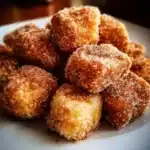
Quick Churro Bites with Cinnamon Sugar
Ingredients
Here is the simple list of pantry staples you’ll need to create these irresistible churro bites.
- For the Churro Dough:
- 1 cup (240ml) Water: The essential liquid base that steams the flour, creating the light interior.
- ½ cup (113g) Unsalted Butter: Cut into small pieces, this adds richness, flavor, and tenderness to the dough.
- 1 tablespoon (12g) Granulated Sugar: Adds a subtle sweetness directly into the dough itself.
- ¼ teaspoon Salt: Balances the sweetness and enhances all the other flavors.
- 1 cup (125g) All-Purpose Flour: The structural backbone of our churros, creating the perfect chew.
- 2 Large Eggs: These are crucial for leavening and creating a rich, silky, and pipeable dough.
- 1 teaspoon Vanilla Extract: Infuses the dough with a warm, aromatic background note.
- Vegetable or Canola Oil, for frying (about 4-6 cups): A neutral oil with a high smoke point is essential for achieving a perfect, non-greasy fry.
- For the Cinnamon Sugar Coating:
- ½ cup (100g) Granulated Sugar: The sweet, crystalline base of our classic coating.
- 1 ½ tablespoons Ground Cinnamon: The star spice that gives churros their signature warm, fragrant flavor.
Instructions
Follow these detailed steps carefully to achieve perfectly golden and delicious churro bites on your first try. The process is straightforward, focusing on technique to ensure the best possible texture.
Step 1: Prepare the Coating and Frying Station
Before you begin with the dough, it’s wise to get your post-frying station ready. In a shallow dish or a pie plate, thoroughly whisk together the ½ cup of granulated sugar and 1 ½ tablespoons of ground cinnamon. Set this aside. Next, pour your frying oil into a heavy-bottomed pot or Dutch oven until it is about 2-3 inches deep. Attach a deep-fry thermometer to the side of the pot if you have one. Begin heating the oil over medium to medium-high heat, aiming for a stable temperature between 350-360°F (175-180°C). Prepare a baking sheet by lining it with paper towels. This will be where your freshly fried churro bites drain before being coated.
Step 2: Create the Dough Base
In a medium-sized saucepan, combine the 1 cup of water, ½ cup of unsalted butter (cut into pieces), 1 tablespoon of granulated sugar, and ¼ teaspoon of salt. Place the saucepan over medium-high heat. Bring the mixture to a rolling boil, stirring occasionally to ensure the butter is fully melted and the sugar and salt are dissolved. The key is to ensure it’s truly boiling before moving to the next step.
Step 3: Incorporate the Flour
Once the mixture is at a full boil, immediately remove the saucepan from the heat. Add the 1 cup of all-purpose flour all at once. Using a wooden spoon or a sturdy spatula, stir vigorously and quickly. The mixture will look messy at first, but keep stirring. Within about 30-60 seconds, it will come together to form a smooth, thick ball of dough that pulls away cleanly from the sides and bottom of the pan. Once this ball has formed, continue to stir and “cook” the dough against the hot pan for another minute to dry it out slightly. This step is crucial for the final texture.
Step 4: Cool the Dough
Transfer the hot dough ball to the bowl of a stand mixer fitted with the paddle attachment, or to a large mixing bowl if using a hand mixer. Let the dough cool for 5-7 minutes. You can turn the mixer on low for a minute or two to help release some of the steam and speed up the cooling process. The dough should be just warm to the touch, not hot. If it’s too hot when you add the eggs, they will scramble, ruining the dough.
Step 5: Add the Eggs and Vanilla
With the mixer on low to medium speed, add the eggs one at a time. It is vital that you wait for the first egg to be completely incorporated into the dough before adding the second. The dough may look like it’s separating or curdling at first—this is normal! Keep mixing, and it will come back together into a smooth, glossy paste. Scrape down the sides and bottom of the bowl as needed to ensure everything is evenly mixed. After the second egg is fully incorporated, mix in the 1 teaspoon of vanilla extract. The final dough should be thick, smooth, and shiny. A good test is to lift the beater; the dough should slowly fall off in a thick, “V” shape.
Step 6: Prepare the Piping Bag
Transfer the warm dough to a large piping bag fitted with a large open star tip (like a Wilton 1M or Ateco 824). The star tip is what creates the classic churro ridges, which become extra crispy when fried. If you don’t have a piping bag, you can use a large, heavy-duty zip-top bag with a corner snipped off, though you will lose the ridged effect.
Step 7: Fry the Churro Bites
Once your oil has reached the target temperature of 350-360°F (175-180°C), you can begin frying. Carefully and slowly pipe the dough directly over the hot oil. As you pipe, use a clean pair of kitchen scissors or a small knife to snip off 1- to 2-inch segments of dough, letting them drop gently into the oil. Be careful not to splash.
Fry the churro bites in small batches of 8-10 at a time to avoid overcrowding the pot, which would cause the oil temperature to drop and result in greasy churros. Fry for about 2-4 minutes, turning them over halfway through, until they are a deep golden brown on all sides and puffed up.
Step 8: Drain and Coat
Using a slotted spoon or a spider strainer, remove the golden-brown churro bites from the hot oil. Let the excess oil drip off for a moment, then transfer them to the paper-towel-lined baking sheet to drain for just 30-60 seconds. It’s important they are still hot and slightly oily for the next step.
Immediately transfer the hot, drained churro bites to your shallow dish of cinnamon sugar. Toss them gently but thoroughly until they are generously coated on all sides. Transfer the coated churro bites to a serving platter and repeat the frying and coating process with the remaining dough. Serve immediately while warm.
Nutrition
- Serving Size: one normal portion
- Calories: 500