
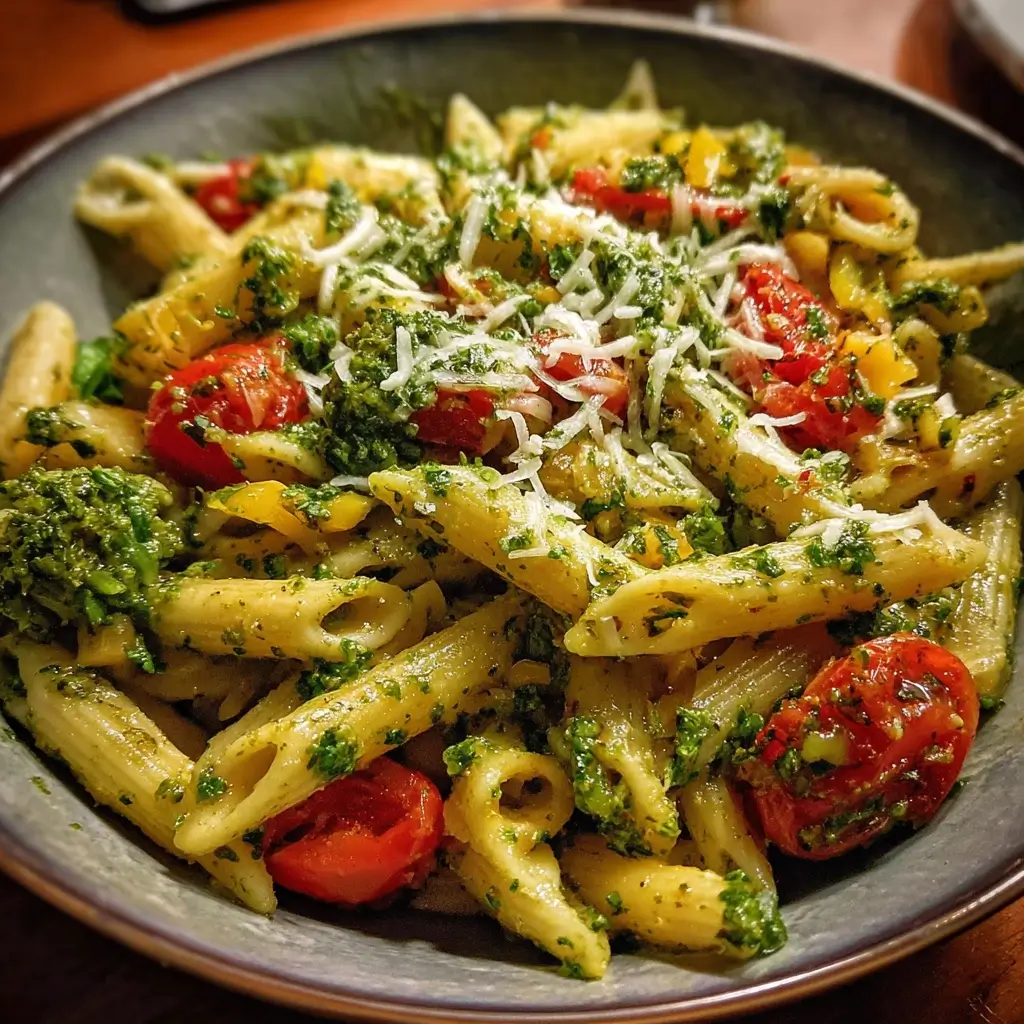
Of all the dishes in my weekly rotation, there’s one that consistently feels like a culinary hug at the end of a long day. This Quick Veggie Pesto Penne recipe isn’t just a meal; it’s my secret weapon against the “what’s for dinner?” dilemma. I still remember the first time I made it. The house was in that familiar state of late-afternoon chaos, and my energy was hitting an all-time low. I needed something fast, something that used the vegetables I had on hand, and most importantly, something I knew everyone, from my partner to my surprisingly discerning kids, would actually eat without complaint. I pulled out a jar of pesto, a box of penne, and a handful of colorful veggies. In less than 30 minutes, the kitchen was filled with the intoxicating aroma of basil, garlic, and toasted pine nuts. As I watched my family devour their bowls, their faces lit up with that quiet, satisfied look that tells you you’ve truly nailed it, I knew this recipe was a keeper. It’s vibrant, it’s packed with flavor, and it has this incredible ability to be both effortlessly simple and impressively delicious. It has since become our go-to for busy weeknights, a reliable and beloved classic that never fails to bring a little bit of comfort and a whole lot of flavor to our table.
Ingredients
Here is the simple, fresh lineup of ingredients you’ll need to create this incredibly satisfying and quick pasta dish. Each component plays a vital role in building layers of flavor and texture.
- Penne Pasta (1 lb / 450g): The star of the show. Penne’s tubular shape and ridged exterior are perfect for capturing and holding onto every last bit of the delicious pesto sauce.
- Olive Oil (2 tablespoons): A high-quality extra virgin olive oil is used for sautéing the vegetables, adding a foundational layer of rich, fruity flavor.
- Garlic (3 cloves, minced): Freshly minced garlic provides a pungent, aromatic base that infuses the entire dish with its signature savory taste.
- Cherry Tomatoes (1 pint / 2 cups, halved): These little gems burst with sweetness and a slight acidity when cooked, creating juicy pockets of flavor that complement the earthy pesto.
- Zucchini (1 medium, chopped): Adds a mild, slightly sweet flavor and a tender-crisp texture that balances the other components beautifully.
- Red Bell Pepper (1 medium, chopped): Provides a wonderful sweetness, a vibrant splash of color, and a satisfyingly crisp texture, even after being sautéed.
- Baby Spinach (5 oz / 150g): A powerhouse of nutrients, fresh baby spinach wilts down effortlessly into the hot pasta, adding color, and a subtle, earthy flavor without overpowering the dish.
- Basil Pesto (1 cup / 240g): The heart and soul of the recipe. Whether you use a quality store-bought brand or your own homemade version, this blend of basil, pine nuts, Parmesan, garlic, and olive oil delivers an intense, herbaceous, and savory punch.
- Reserved Pasta Water (1 cup): This is the secret ingredient! The starchy, salty water left over from cooking the pasta is essential for emulsifying the sauce, helping it cling to every noodle and creating a perfectly creamy consistency.
- Parmesan Cheese (1/2 cup, freshly grated, plus more for serving): Adds a salty, nutty, and savory depth of flavor that melts into the sauce and ties all the ingredients together.
- Salt (to taste): Essential for seasoning the pasta water and bringing out the natural flavors of all the vegetables and the sauce.
- Black Pepper (to taste): Freshly ground black pepper adds a touch of mild, woody spice that enhances the overall flavor profile of the dish.
- Optional: Red Pepper Flakes (1/4 teaspoon): For those who enjoy a little bit of warmth, a small pinch of red pepper flakes will add a subtle, lingering heat.
Instructions
Follow these simple, step-by-step instructions to bring this delicious and colorful pasta dish to life. The key is to multitask by preparing the vegetables while the pasta is cooking, ensuring everything comes together in under 30 minutes.
1. Cook the Pasta:
Begin by bringing a large pot of heavily salted water to a rolling boil. Think “salty like the sea” – this is your only chance to season the pasta itself. Add the penne and cook according to the package directions until it is al dente. This means it should still have a slight, firm bite to it. Overcooked pasta can become mushy and won’t hold the sauce as well. Before draining, carefully scoop out and reserve at least 1 cup of the starchy pasta water. This is a crucial step! Once reserved, drain the pasta in a colander and set it aside.
2. Sauté the Aromatics and Harder Vegetables:
While the pasta is boiling, heat the olive oil in a large skillet or Dutch oven over medium heat. Once the oil shimmers, add the minced garlic and sauté for about 30-60 seconds until it becomes fragrant. Be careful not to let it brown, as this can make it taste bitter. Add the chopped red bell pepper and zucchini to the skillet. Season with a pinch of salt and black pepper. Cook, stirring occasionally, for about 5-7 minutes, until the vegetables are tender-crisp. You want them cooked through but still retaining a bit of a bite.
3. Add the Softer Vegetables:
Next, add the halved cherry tomatoes to the skillet. Continue to cook for another 3-4 minutes, stirring gently. The tomatoes will begin to soften, and their skins will start to blister and wrinkle. As they cook, they will release their sweet juices, which will form the base of a light, delicious pan sauce.
4. Wilt the Spinach:
Turn the heat down to low. Add the large handfuls of baby spinach to the skillet. It may seem like a lot at first, but it will wilt down significantly. Gently stir the spinach into the other vegetables until it has completely wilted, which should only take about 1-2 minutes.
5. Combine Everything:
Add the drained penne pasta directly into the skillet with the cooked vegetables. Pour in the basil pesto and add the grated Parmesan cheese. Now, it’s time for the magic ingredient: the reserved pasta water. Start by adding about 1/2 cup of the pasta water to the skillet.
6. Create the Sauce and Serve:
Using a pair of tongs or a large spoon, toss everything together vigorously. The starchy pasta water will help the pesto and Parmesan melt into a smooth, creamy sauce that beautifully coats every single piece of penne and all the vegetables. If the sauce looks too thick, add more of the reserved pasta water, one tablespoon at a time, until you reach your desired consistency. Taste the pasta and adjust the seasoning with more salt, black pepper, or red pepper flakes if desired. Serve immediately, garnished with an extra sprinkle of freshly grated Parmesan cheese and fresh basil leaves if you have them.
Nutrition Facts
This Quick Veggie Pesto Penne is not only delicious but also offers a balanced nutritional profile, making it a wholesome choice for any meal. The following values are an approximation per serving, assuming the recipe makes 6 servings.
- Servings: 6
- Calories per serving: Approximately 480 kcal
1. Protein (15g): This dish provides a solid amount of plant-based protein from the pasta and cheese. Protein is crucial for muscle repair, immune function, and keeping you feeling full and satisfied long after your meal.
2. Fiber (6g): Thanks to the whole-wheat pasta (if used) and the generous amount of vegetables like spinach, zucchini, and bell peppers, this recipe is a good source of dietary fiber. Fiber is essential for digestive health, helps regulate blood sugar levels, and contributes to a feeling of fullness.
3. Healthy Fats (22g): The majority of the fat content comes from the olive oil and the pine nuts and cheese in the pesto. These are primarily monounsaturated and polyunsaturated fats, which are considered heart-healthy and are important for brain function and reducing inflammation.
4. Carbohydrates (55g): The primary source of energy in this dish comes from the pasta. Carbohydrates are the body’s main fuel source, providing the energy needed for physical activity and proper organ function.
5. Vitamin C (45% of DV): The red bell peppers and tomatoes are packed with Vitamin C, a powerful antioxidant that supports the immune system, promotes healthy skin, and aids in the absorption of iron.
Preparation Time
This recipe is designed for maximum flavor in minimum time, making it an ideal choice for busy weeknights or when you need a satisfying meal without the long hours in the kitchen.
- Prep Time: 10 minutes
- Cook Time: 15-20 minutes
- Total Time: 25-30 minutes
The genius of this recipe lies in its efficiency. The 10-minute prep time involves a quick chop of the vegetables and mincing the garlic. The cooking process is streamlined: while the pasta boils (which typically takes 10-12 minutes), you can simultaneously sauté the vegetables. By the time the pasta is drained, the veggies are perfectly cooked and ready to be combined. This parallel cooking method ensures that from the moment you start to the moment it’s on the table, you’ll spend no more than half an hour.
How to Serve
Serving this Veggie Pesto Penne is all about enhancing its fresh, vibrant character. You can serve it simply as is, or elevate it with a few thoughtful additions for a more complete and impressive meal.
- Family-Style Presentation:
- Transfer the finished pasta to a large, warm serving bowl.
- Garnish generously with a final shower of freshly grated Parmesan cheese. The residual heat will melt it slightly.
- Sprinkle with a handful of fresh, whole basil leaves or torn basil for a burst of fresh aroma.
- For a bit of texture and nutty flavor, top with a tablespoon of toasted pine nuts.
- Plated for Guests:
- Use tongs to twirl a portion of pasta and place it in the center of an individual pasta bowl, creating a bit of height.
- Arrange the colorful vegetables artfully around and on top of the pasta.
- Drizzle a very small amount of high-quality extra virgin olive oil over the top.
- Finish with a crack of fresh black pepper and a delicate shaving of Parmesan cheese using a vegetable peeler.
- Perfect Side Dish Pairings:
- Crusty Bread: Serve alongside a warm loaf of garlic bread, focaccia, or a simple baguette to soak up any delicious leftover pesto sauce at the bottom of the bowl.
- Simple Green Salad: A light and refreshing side salad with a simple lemon vinaigrette offers a crisp, acidic contrast that cuts through the richness of the pesto. Arugula with a squeeze of lemon and a shave of Parmesan is a perfect choice.
- Caprese Skewers: To double down on the Italian theme, serve with simple skewers of cherry tomatoes, fresh mozzarella balls, and basil, drizzled with balsamic glaze.
- Wine and Beverage Pairings:
- White Wine: A crisp, dry white wine like a Sauvignon Blanc or a Pinot Grigio pairs beautifully, as its acidity complements the basil and cuts through the richness of the olive oil and cheese.
- Non-Alcoholic: A sparkling lemonade or a simple iced tea with lemon offers a refreshing and bright counterpoint to the savory flavors of the pasta.
Additional Tips
Unlock the full potential of your Veggie Pesto Penne with these eight expert tips. From enhancing the sauce to clever variations, these pointers will help you perfect and customize the dish every time.
1. The Magic of Pasta Water is Real: Never underestimate the power of reserved pasta water. The starches in the water are a natural emulsifier, helping the oil-based pesto bind to the pasta instead of separating. This creates a restaurant-quality, creamy sauce without adding any cream. Always reserve more than you think you’ll need.
2. Elevate with Homemade Pesto: While store-bought pesto is fantastic for speed, making your own is a game-changer. A simple blend of fresh basil, high-quality Parmesan, toasted pine nuts, fresh garlic, and extra virgin olive oil in a food processor takes only five minutes and offers an unparalleled fresh and vibrant flavor.
3. Endless Veggie Variations: This recipe is a perfect canvas for whatever vegetables you have in your fridge. Feel free to swap or add others! Try broccoli florets (add them to the pasta water for the last 3-4 minutes of cooking), asparagus spears, sliced mushrooms, sun-dried tomatoes, or even roasted butternut squash for a seasonal twist.
4. Boost the Protein: To make this a more protein-heavy meal, consider adding a can of drained and rinsed chickpeas or cannellini beans along with the vegetables. For non-vegetarian options, grilled chicken strips or sautéed shrimp can be tossed in at the end.
5. A Squeeze of Acidity Brightens Everything: For a final touch of brightness that makes all the flavors pop, squeeze the juice of half a lemon over the finished pasta just before serving. The acidity cuts through the richness of the pesto and cheese and elevates the fresh taste of the vegetables.
6. Make it Extra Creamy (Without Cream): If you desire an even creamier texture, stir in a couple of tablespoons of cream cheese, mascarpone, or even full-fat Greek yogurt along with the pesto. It will melt into the sauce, giving it a wonderfully luscious and velvety consistency.
7. Master Your Meal Prep and Storage: This dish is fantastic for meal prep. Store leftovers in an airtight container in the refrigerator for up to 4 days. When reheating, it’s best to do so in a skillet over low heat. Add a splash of water, milk, or broth to loosen the sauce and bring it back to its original creamy state, as the pasta will have absorbed some of the moisture.
8. Don’t Overcook the Pasta: The single most important rule of any pasta dish is to cook the pasta al dente. Remember that the pasta will continue to cook slightly from the residual heat when you toss it with the hot vegetables and sauce. Cooking it al dente ensures it retains a pleasant, firm texture and doesn’t turn into a mushy mess.
FAQ Section
Here are answers to some of the most frequently asked questions about making the perfect Quick Veggie Pesto Penne.
1. Can I make this Quick Veggie Pesto Penne recipe gluten-free?
Absolutely! To make this recipe gluten-free, simply substitute the regular penne with your favorite gluten-free pasta. Brands made from corn, rice, quinoa, or lentils all work wonderfully. Be sure to cook the gluten-free pasta according to its specific package instructions, as cooking times and textures can vary.
2. What’s the best way to store and reheat leftovers?
Store any leftovers in an airtight container in the refrigerator for up to 4 days. The pasta may absorb some of the sauce as it sits. The best way to reheat it is in a skillet over low-medium heat. Add a tablespoon or two of water or broth to the pan to help rehydrate the sauce and prevent it from becoming dry. Avoid the microwave if possible, as it can make the pasta rubbery.
3. Can I use frozen vegetables for this recipe?
Yes, you can use frozen vegetables in a pinch. It’s best to thaw them and pat them dry before adding them to the skillet to avoid introducing excess water, which could make the sauce runny. You may need to sauté them a little longer to cook off any remaining moisture. Frozen bell pepper strips, broccoli florets, and peas are all great options.
4. Why did my pesto pasta turn out dry?
The most common reason for dry pesto pasta is forgetting to use reserved pasta water. The starch in the water is essential for creating a creamy sauce that clings to the noodles. Another reason could be using too much pasta for the amount of pesto. If your dish seems dry, simply stir in more reserved pasta water (or plain water if you forgot to save it) a little at a time until it reaches the desired consistency.
5. How can I make this recipe vegan?
This recipe is very easy to make vegan. Use a certified vegan pesto, which omits the Parmesan cheese (many brands now offer this). You can either leave out the Parmesan garnish or replace it with a vegan Parmesan alternative or a sprinkle of nutritional yeast for a cheesy, nutty flavor. Ensure your pasta is also egg-free, which most dried penne is.
6. What other types of pasta work well with pesto?
While penne is a great choice, pesto is incredibly versatile. Other shapes that work beautifully include fusilli (the corkscrews are perfect for catching sauce), farfalle (bow-ties), rotini, and orecchiette. Essentially, any pasta shape with plenty of nooks, crannies, or ridges is an excellent vehicle for a thick sauce like pesto.
7. How can I prevent my pesto from turning brown?
If you are making homemade pesto or using leftover pesto, it can sometimes oxidize and turn a dark, unappetizing color. To prevent this, you can blanch the basil leaves in boiling water for 15 seconds, then immediately plunge them into an ice bath before making the pesto. This sets their bright green color. When storing leftover pesto, pour a thin layer of olive oil on top to create a barrier against the air.
8. Is this recipe kid-friendly?
This recipe is typically a huge hit with kids! The bright colors, familiar pasta shape, and savory, cheesy flavors are very appealing. If your children are hesitant about vegetables, you can chop them into smaller, less noticeable pieces or even purée some of them into the pesto sauce. You can also let them add their own Parmesan cheese, which always makes a meal more fun.

Quick Veggie Pesto Penne Recipe
Ingredients
Here is the simple, fresh lineup of ingredients you’ll need to create this incredibly satisfying and quick pasta dish. Each component plays a vital role in building layers of flavor and texture.
- Penne Pasta (1 lb / 450g): The star of the show. Penne’s tubular shape and ridged exterior are perfect for capturing and holding onto every last bit of the delicious pesto sauce.
- Olive Oil (2 tablespoons): A high-quality extra virgin olive oil is used for sautéing the vegetables, adding a foundational layer of rich, fruity flavor.
- Garlic (3 cloves, minced): Freshly minced garlic provides a pungent, aromatic base that infuses the entire dish with its signature savory taste.
- Cherry Tomatoes (1 pint / 2 cups, halved): These little gems burst with sweetness and a slight acidity when cooked, creating juicy pockets of flavor that complement the earthy pesto.
- Zucchini (1 medium, chopped): Adds a mild, slightly sweet flavor and a tender-crisp texture that balances the other components beautifully.
- Red Bell Pepper (1 medium, chopped): Provides a wonderful sweetness, a vibrant splash of color, and a satisfyingly crisp texture, even after being sautéed.
- Baby Spinach (5 oz / 150g): A powerhouse of nutrients, fresh baby spinach wilts down effortlessly into the hot pasta, adding color, and a subtle, earthy flavor without overpowering the dish.
- Basil Pesto (1 cup / 240g): The heart and soul of the recipe. Whether you use a quality store-bought brand or your own homemade version, this blend of basil, pine nuts, Parmesan, garlic, and olive oil delivers an intense, herbaceous, and savory punch.
- Reserved Pasta Water (1 cup): This is the secret ingredient! The starchy, salty water left over from cooking the pasta is essential for emulsifying the sauce, helping it cling to every noodle and creating a perfectly creamy consistency.
- Parmesan Cheese (1/2 cup, freshly grated, plus more for serving): Adds a salty, nutty, and savory depth of flavor that melts into the sauce and ties all the ingredients together.
- Salt (to taste): Essential for seasoning the pasta water and bringing out the natural flavors of all the vegetables and the sauce.
- Black Pepper (to taste): Freshly ground black pepper adds a touch of mild, woody spice that enhances the overall flavor profile of the dish.
- Optional: Red Pepper Flakes (1/4 teaspoon): For those who enjoy a little bit of warmth, a small pinch of red pepper flakes will add a subtle, lingering heat.
Instructions
Follow these simple, step-by-step instructions to bring this delicious and colorful pasta dish to life. The key is to multitask by preparing the vegetables while the pasta is cooking, ensuring everything comes together in under 30 minutes.
1. Cook the Pasta:
Begin by bringing a large pot of heavily salted water to a rolling boil. Think “salty like the sea” – this is your only chance to season the pasta itself. Add the penne and cook according to the package directions until it is al dente. This means it should still have a slight, firm bite to it. Overcooked pasta can become mushy and won’t hold the sauce as well. Before draining, carefully scoop out and reserve at least 1 cup of the starchy pasta water. This is a crucial step! Once reserved, drain the pasta in a colander and set it aside.
2. Sauté the Aromatics and Harder Vegetables:
While the pasta is boiling, heat the olive oil in a large skillet or Dutch oven over medium heat. Once the oil shimmers, add the minced garlic and sauté for about 30-60 seconds until it becomes fragrant. Be careful not to let it brown, as this can make it taste bitter. Add the chopped red bell pepper and zucchini to the skillet. Season with a pinch of salt and black pepper. Cook, stirring occasionally, for about 5-7 minutes, until the vegetables are tender-crisp. You want them cooked through but still retaining a bit of a bite.
3. Add the Softer Vegetables:
Next, add the halved cherry tomatoes to the skillet. Continue to cook for another 3-4 minutes, stirring gently. The tomatoes will begin to soften, and their skins will start to blister and wrinkle. As they cook, they will release their sweet juices, which will form the base of a light, delicious pan sauce.
4. Wilt the Spinach:
Turn the heat down to low. Add the large handfuls of baby spinach to the skillet. It may seem like a lot at first, but it will wilt down significantly. Gently stir the spinach into the other vegetables until it has completely wilted, which should only take about 1-2 minutes.
5. Combine Everything:
Add the drained penne pasta directly into the skillet with the cooked vegetables. Pour in the basil pesto and add the grated Parmesan cheese. Now, it’s time for the magic ingredient: the reserved pasta water. Start by adding about 1/2 cup of the pasta water to the skillet.
6. Create the Sauce and Serve:
Using a pair of tongs or a large spoon, toss everything together vigorously. The starchy pasta water will help the pesto and Parmesan melt into a smooth, creamy sauce that beautifully coats every single piece of penne and all the vegetables. If the sauce looks too thick, add more of the reserved pasta water, one tablespoon at a time, until you reach your desired consistency. Taste the pasta and adjust the seasoning with more salt, black pepper, or red pepper flakes if desired. Serve immediately, garnished with an extra sprinkle of freshly grated Parmesan cheese and fresh basil leaves if you have them.
Nutrition
- Serving Size: one normal portion
- Calories: 480
- Fat: 22g
- Carbohydrates: 55g
- Fiber: 6g
- Protein: 15g