

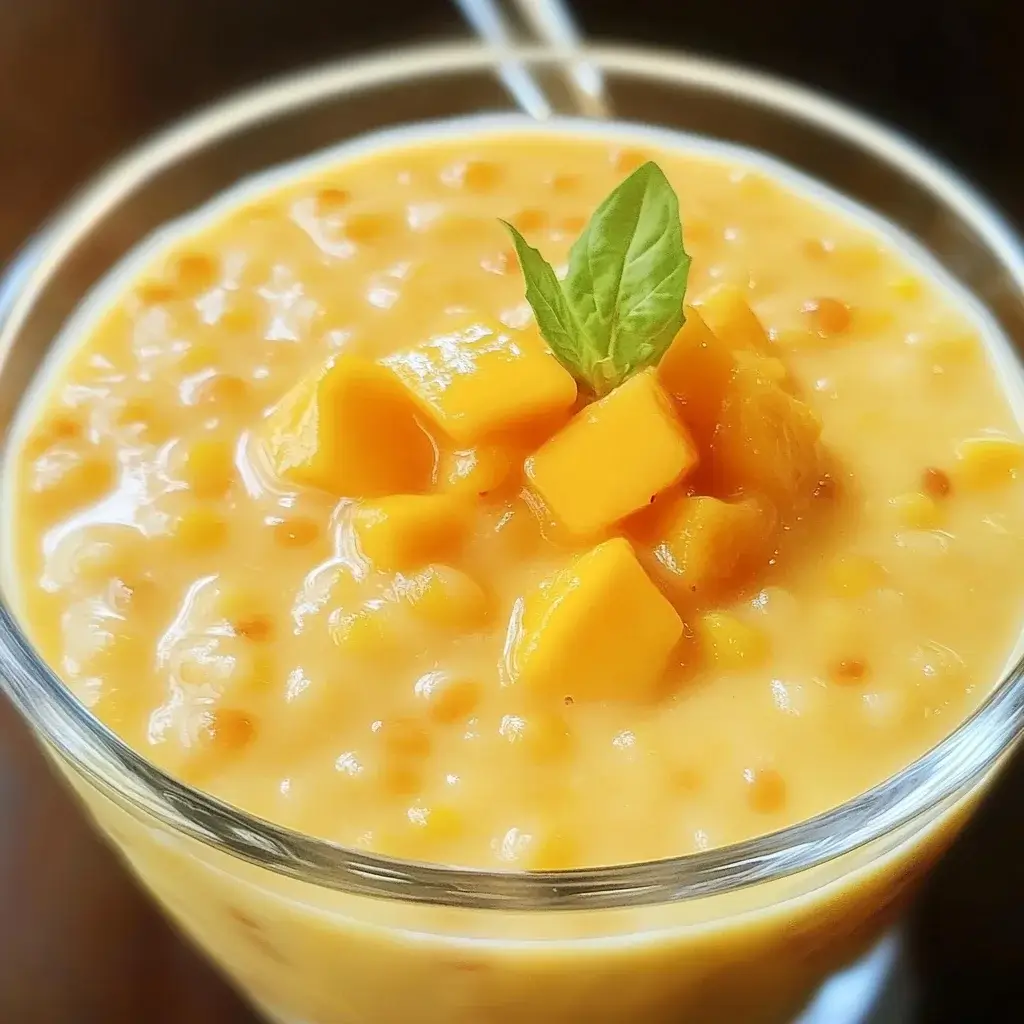

It was a sweltering afternoon, the kind where the air hangs heavy and the only respite seems to be a cool breeze and something equally refreshing to eat. My family, usually a boisterous bunch, was unusually quiet, the heat having sapped their energy. I decided to whip up something light and sweet, a dessert I knew would be a hit – Mango Sago. Within minutes, the kitchen was filled with the sweet, tropical aroma of ripe mangoes. As I served chilled bowls of this creamy, pearl-studded delight, the silence broke into delighted murmurs and happy slurps. Even my notoriously picky eaters were completely won over. Mango Sago, with its simple elegance and burst of summer flavor, is more than just a dessert in our home; it’s a guaranteed mood booster and a taste of sunshine in a bowl. This recipe is incredibly easy to follow, uses minimal ingredients, and delivers maximum flavor – perfect for hot days, casual gatherings, or simply when you crave a sweet, satisfying treat.
Ingredients for Simple Mango Sago
- Ripe Mangoes: 3 large, ripe mangoes (like Ataulfo, Honey, or Manila) – These are the heart of the dessert, providing sweetness, flavor, and vibrant color. Choose mangoes that are fragrant, slightly soft to the touch, and have a deep yellow-orange hue.
- Sago Pearls: ½ cup small sago pearls – These tiny, translucent pearls create a delightful textural contrast to the creamy mango and add a subtle chewiness. Small sago pearls cook quickly and are ideal for this dessert.
- Water: 6 cups for cooking sago + ½ cup for blending mangoes – Water is essential for cooking the sago pearls until they are perfectly translucent and plump. A little extra water helps achieve a smooth mango puree.
- Milk (or Coconut Milk): 2 cups milk (dairy or non-dairy like coconut, almond, or oat) – Milk forms the creamy base of the sago dessert. Coconut milk adds richness and a tropical twist, while dairy or other plant-based milks offer a lighter texture.
- Sweetened Condensed Milk (Optional): ¼ – ½ cup (adjust to taste) – Sweetened condensed milk adds sweetness and extra creaminess. Adjust the amount based on your preference and the sweetness of your mangoes. You can also use sugar or other sweeteners.
- Ice Cubes (Optional): For chilling and serving – Ice cubes are crucial for making this dessert refreshingly cold, especially on warm days. They help to quickly chill the sago and mango mixture before serving.
- Pinch of Salt (Optional): To enhance flavors – A tiny pinch of salt can balance the sweetness and enhance the overall flavor profile of the dessert.
Instructions for Making Mango Sago
- Cook the Sago Pearls: In a medium saucepan, bring 6 cups of water to a rolling boil over high heat. Once boiling, add the sago pearls. Stir gently to prevent sticking.
- Simmer and Stir: Reduce the heat to medium-low and simmer gently for about 15-20 minutes, or until the sago pearls become translucent with only a tiny white dot in the center. Stir occasionally to prevent sticking to the bottom of the pan.
- Drain and Rinse Sago: Once cooked, immediately drain the sago pearls in a fine-mesh sieve. Rinse them thoroughly under cold running water to stop the cooking process and remove excess starch. This step is crucial for preventing the sago from becoming sticky.
- Prepare Mango Puree: While the sago is cooking, peel and chop two of the ripe mangoes. Place the chopped mangoes in a blender or food processor along with ½ cup of water (or milk for extra creaminess). Blend until you achieve a smooth and lump-free mango puree.
- Combine Ingredients: In a large bowl, combine the cooked and rinsed sago pearls, mango puree, and milk (or coconut milk). Stir gently to mix everything well.
- Sweeten to Taste (Optional): If using sweetened condensed milk or sugar, add it to the mixture gradually, stirring and tasting until you reach your desired level of sweetness. Remember that ripe mangoes are already quite sweet, so start with a smaller amount and adjust as needed.
- Chill the Mango Sago: Cover the bowl and refrigerate for at least 2-3 hours, or until thoroughly chilled. Chilling allows the flavors to meld together and the sago to plump up further, resulting in a more refreshing and flavorful dessert.
- Prepare Mango Cubes for Garnish: While the sago is chilling, peel and dice the remaining mango into small cubes. These will be used as a fresh and flavorful garnish.
- Serve Cold: Just before serving, give the Mango Sago a gentle stir. If desired, add a few ice cubes to each serving bowl for extra chill. Spoon the chilled Mango Sago into bowls or glasses and garnish generously with the fresh mango cubes. Serve immediately and enjoy the refreshing tropical delight!
Nutrition Facts of Mango Sago (per serving, approximate)
(Note: Nutrition facts are estimates and can vary based on ingredient brands, mango variety, and serving size. This is based on a recipe serving approximately 6 people using dairy milk and a moderate amount of sweetened condensed milk.)
- Serving Size: Approximately 1 cup
- Calories: 250-350 kcal
- Carbohydrates: 40-60g
- Vitamin C: High (from mangoes)
Preparation Time for Mango Sago
- Prep Time: 20 minutes (includes chopping mangoes, cooking sago, and blending puree)
- Cook Time: 15-20 minutes (for sago pearls)
- Chilling Time: Minimum 2-3 hours (ideally longer for best flavor and texture)
- Total Time (excluding chilling): Approximately 35-40 minutes
- Total Time (including chilling): Minimum 2 hours 35 minutes, ideally longer chilling is recommended.
This Simple Mango Sago recipe is incredibly quick and easy to prepare, especially considering the delicious and refreshing outcome. The active cooking time is minimal, mostly involving boiling sago and blending mangoes. The majority of the time is dedicated to chilling, which is essential for developing the best flavor and texture and making it the perfect make-ahead dessert for any occasion.
How to Serve Mango Sago
Mango Sago is a versatile dessert that can be served in various ways to enhance its appeal and cater to different preferences. Here are some serving suggestions:
- Classic Chilled Bowls:
- The most traditional way to serve Mango Sago is in individual bowls, chilled and garnished with fresh mango cubes.
- Use clear glass bowls or dessert cups to showcase the beautiful layers and colors of the dessert.
- Add a few ice cubes to the bowl just before serving for an extra frosty treat, especially on a hot day.
- Elegant Dessert Glasses:
- For a more sophisticated presentation, serve Mango Sago in stemmed dessert glasses or parfait glasses.
- Layer the mango sago with whipped cream, coconut flakes, or a drizzle of mango syrup for added visual appeal and flavor complexity.
- Garnish the rim of the glass with a mango slice or a sprig of mint for an elegant touch.
- Party-Friendly Shots:
- For parties or gatherings, serve Mango Sago in small shot glasses or mini dessert cups for easy handling and portion control.
- This is a great way to offer a refreshing and light dessert option to guests, especially after a heavy meal.
- Garnish each shot glass with a tiny mango cube or a sprinkle of toasted coconut.
- Toppings and Garnishes:
- Fresh Mango Cubes: Essential for adding a burst of fresh mango flavor and vibrant color.
- Whipped Cream: A dollop of whipped cream or coconut whipped cream adds richness and creaminess.
- Toasted Coconut Flakes: Provides a nutty flavor and textural contrast.
- Mango Syrup or Puree: Drizzle extra mango syrup or a thicker mango puree for enhanced mango flavor.
- Mint Sprigs: A fresh mint sprig adds a touch of freshness and visual appeal.
- Lime Zest: A sprinkle of lime zest can brighten the flavors and add a citrusy note.
- Edible Flowers: For a truly special occasion, garnish with edible flowers like pansies or violas for a beautiful and elegant presentation.
- Serving Occasions:
- Summer Dessert: Mango Sago is the perfect refreshing dessert for hot summer days.
- Casual Gatherings: Ideal for potlucks, barbecues, and casual get-togethers due to its ease of preparation and crowd-pleasing flavor.
- Filipino Fiesta or Asian-Themed Meals: A classic Filipino dessert, it’s a wonderful addition to Filipino or Asian-themed meals.
- Light After-Dinner Dessert: Its light and refreshing nature makes it a great choice for a post-dinner sweet treat without feeling too heavy.
- Special Occasions: With elegant presentation, Mango Sago can also be served at more formal occasions and celebrations.
Additional Tips for the Best Mango Sago
To ensure your Mango Sago is absolutely perfect every time, here are some helpful tips and tricks:
- Choose Ripe, Flavorful Mangoes: The quality of your mangoes is paramount. Opt for ripe, fragrant mangoes like Ataulfo, Honey, or Manila mangoes. They are known for their sweetness, vibrant color, and smooth texture, which are ideal for this dessert. Avoid mangoes that are too firm or have green patches, as they may be less sweet and flavorful.
- Don’t Overcook the Sago: Overcooked sago will become mushy and lose its delightful chewy texture. Cook the sago pearls just until they are translucent with a tiny white dot in the center. They will continue to soften slightly as they chill in the milk and mango puree. Rinsing in cold water immediately after cooking also helps prevent overcooking.
- Rinse Sago Thoroughly: Rinsing the cooked sago pearls under cold running water is a crucial step. This removes excess starch and prevents the sago from becoming sticky or clumpy. Rinse until the water runs clear. This step ensures that each sago pearl remains separate and has a pleasant texture in the final dessert.
- Adjust Sweetness to Your Preference: Mangoes vary in sweetness, and personal preferences for sweetness differ. Taste the mango puree and adjust the amount of sweetened condensed milk or sugar accordingly. Start with a smaller amount of sweetener and add more gradually until you reach your desired sweetness level. You can also use alternative sweeteners like honey, maple syrup, or agave, but they might slightly alter the flavor profile.
- Use Cold Milk for a Creamier Texture: Using cold milk or coconut milk straight from the refrigerator helps to chill the dessert quickly and maintain a creamy texture. If you use room temperature milk, the chilling process will take longer, and the texture might not be as refreshing.
- Chill for Sufficient Time: Chilling Mango Sago for at least 2-3 hours, or even overnight, is essential for the flavors to meld together and for the sago to fully plump up. The chilling process also enhances the refreshing quality of the dessert. The longer it chills, the better the flavors will develop.
- Customize with Flavor Variations: While the classic Mango Sago is delicious, you can experiment with flavor variations. Try adding a splash of lime or lemon juice for a citrusy zing, a pinch of cardamom or cinnamon for warmth, or a few drops of vanilla extract for added depth. You can also incorporate other tropical fruits like jackfruit or lychee for a different flavor profile.
- Make it Vegan-Friendly: Easily make Mango Sago vegan by using coconut milk or other plant-based milks like almond, oat, or soy milk instead of dairy milk. Ensure that if you are using sweetened condensed milk, you opt for a vegan version or use a vegan sweetener like agave or maple syrup to adjust sweetness. This makes it a dessert that everyone can enjoy.
Frequently Asked Questions (FAQ) about Mango Sago
Q1: Can I make Mango Sago ahead of time?
A: Yes, Mango Sago is an excellent make-ahead dessert! In fact, it’s best to prepare it a few hours in advance or even the day before serving. Chilling allows the flavors to meld together and the sago pearls to plump up, resulting in a more flavorful and refreshing dessert. Store it covered in the refrigerator for up to 2-3 days.
Q2: Can I use frozen mangoes for Mango Sago?
A: While fresh mangoes are ideal for their superior flavor and texture, you can use frozen mangoes if fresh ones are not available. Thaw the frozen mangoes completely before blending them into a puree. Keep in mind that frozen mangoes may be slightly less sweet and flavorful than fresh ones, so you might need to adjust the sweetness accordingly.
Q3: Can I use tapioca pearls instead of sago pearls?
A: Yes, you can substitute small tapioca pearls for sago pearls. Tapioca pearls are also made from starch and will provide a similar chewy texture. However, tapioca pearls might require slightly longer cooking time compared to sago pearls. Follow the cooking instructions on the tapioca pearl package and ensure they are cooked until translucent.
Q4: How do I prevent sago pearls from sticking together?
A: To prevent sago pearls from sticking together, make sure to use enough water when cooking them (at least 6 cups for ½ cup of sago). Stir the sago pearls gently and occasionally while they are cooking. Most importantly, rinse the cooked sago thoroughly under cold running water immediately after draining to remove excess starch. This rinsing step is key to preventing stickiness.
Q5: Can I make Mango Sago without sweetened condensed milk?
A: Yes, you can definitely make Mango Sago without sweetened condensed milk. You can use regular sugar, honey, maple syrup, or other sweeteners instead. Add the sweetener gradually to the mango and milk mixture, tasting and adjusting until you reach your desired level of sweetness. Keep in mind that sweetened condensed milk adds both sweetness and extra creaminess, so you might want to use a slightly richer milk like coconut milk or add a touch of cream if you omit it.
Q6: How long does Mango Sago last in the refrigerator?
A: Mango Sago can be stored in the refrigerator for up to 2-3 days. After this time, the texture of the sago pearls might start to become slightly softer, and the overall quality may diminish. It’s best enjoyed within the first 2 days for optimal flavor and texture. Ensure it is stored in an airtight container to prevent it from drying out or absorbing odors from the refrigerator.
Q7: Can I make Mango Sago vegan?
A: Absolutely! Mango Sago is easily adaptable to be vegan. Simply use coconut milk, almond milk, oat milk, or any other plant-based milk instead of dairy milk. If using sweetened condensed milk, opt for a vegan version or use a vegan sweetener like agave nectar, maple syrup, or vegan sugar to sweeten to taste. This makes it a delightful and inclusive dessert for everyone.
Q8: What are some variations I can try with Mango Sago?
A: There are many delicious variations you can explore with Mango Sago! Try adding other tropical fruits like jackfruit, lychee, or passion fruit for a mixed fruit dessert. You can also incorporate different flavors like pandan extract for a fragrant twist, or add a layer of jelly or nata de coco for added texture. Experiment with toppings like toasted nuts, chocolate shavings, or a drizzle of caramel for extra indulgence. The possibilities are endless!
Print
Simple Mango Sago Recipe
Ingredients
- Ripe Mangoes: 3 large, ripe mangoes (like Ataulfo, Honey, or Manila) – These are the heart of the dessert, providing sweetness, flavor, and vibrant color. Choose mangoes that are fragrant, slightly soft to the touch, and have a deep yellow-orange hue.
- Sago Pearls: ½ cup small sago pearls – These tiny, translucent pearls create a delightful textural contrast to the creamy mango and add a subtle chewiness. Small sago pearls cook quickly and are ideal for this dessert.
- Water: 6 cups for cooking sago + ½ cup for blending mangoes – Water is essential for cooking the sago pearls until they are perfectly translucent and plump. A little extra water helps achieve a smooth mango puree.
- Milk (or Coconut Milk): 2 cups milk (dairy or non-dairy like coconut, almond, or oat) – Milk forms the creamy base of the sago dessert. Coconut milk adds richness and a tropical twist, while dairy or other plant-based milks offer a lighter texture.
- Sweetened Condensed Milk (Optional): ¼ – ½ cup (adjust to taste) – Sweetened condensed milk adds sweetness and extra creaminess. Adjust the amount based on your preference and the sweetness of your mangoes. You can also use sugar or other sweeteners.
- Ice Cubes (Optional): For chilling and serving – Ice cubes are crucial for making this dessert refreshingly cold, especially on warm days. They help to quickly chill the sago and mango mixture before serving.
- Pinch of Salt (Optional): To enhance flavors – A tiny pinch of salt can balance the sweetness and enhance the overall flavor profile of the dessert.
Instructions
- Cook the Sago Pearls: In a medium saucepan, bring 6 cups of water to a rolling boil over high heat. Once boiling, add the sago pearls. Stir gently to prevent sticking.
- Simmer and Stir: Reduce the heat to medium-low and simmer gently for about 15-20 minutes, or until the sago pearls become translucent with only a tiny white dot in the center. Stir occasionally to prevent sticking to the bottom of the pan.
- Drain and Rinse Sago: Once cooked, immediately drain the sago pearls in a fine-mesh sieve. Rinse them thoroughly under cold running water to stop the cooking process and remove excess starch. This step is crucial for preventing the sago from becoming sticky.
- Prepare Mango Puree: While the sago is cooking, peel and chop two of the ripe mangoes. Place the chopped mangoes in a blender or food processor along with ½ cup of water (or milk for extra creaminess). Blend until you achieve a smooth and lump-free mango puree.
- Combine Ingredients: In a large bowl, combine the cooked and rinsed sago pearls, mango puree, and milk (or coconut milk). Stir gently to mix everything well.
- Sweeten to Taste (Optional): If using sweetened condensed milk or sugar, add it to the mixture gradually, stirring and tasting until you reach your desired level of sweetness. Remember that ripe mangoes are already quite sweet, so start with a smaller amount and adjust as needed.
- Chill the Mango Sago: Cover the bowl and refrigerate for at least 2-3 hours, or until thoroughly chilled. Chilling allows the flavors to meld together and the sago to plump up further, resulting in a more refreshing and flavorful dessert.
- Prepare Mango Cubes for Garnish: While the sago is chilling, peel and dice the remaining mango into small cubes. These will be used as a fresh and flavorful garnish.
- Serve Cold: Just before serving, give the Mango Sago a gentle stir. If desired, add a few ice cubes to each serving bowl for extra chill. Spoon the chilled Mango Sago into bowls or glasses and garnish generously with the fresh mango cubes. Serve immediately and enjoy the refreshing tropical delight!
Nutrition
- Serving Size: one normal portion
- Calories: 350
- Carbohydrates: 60g