
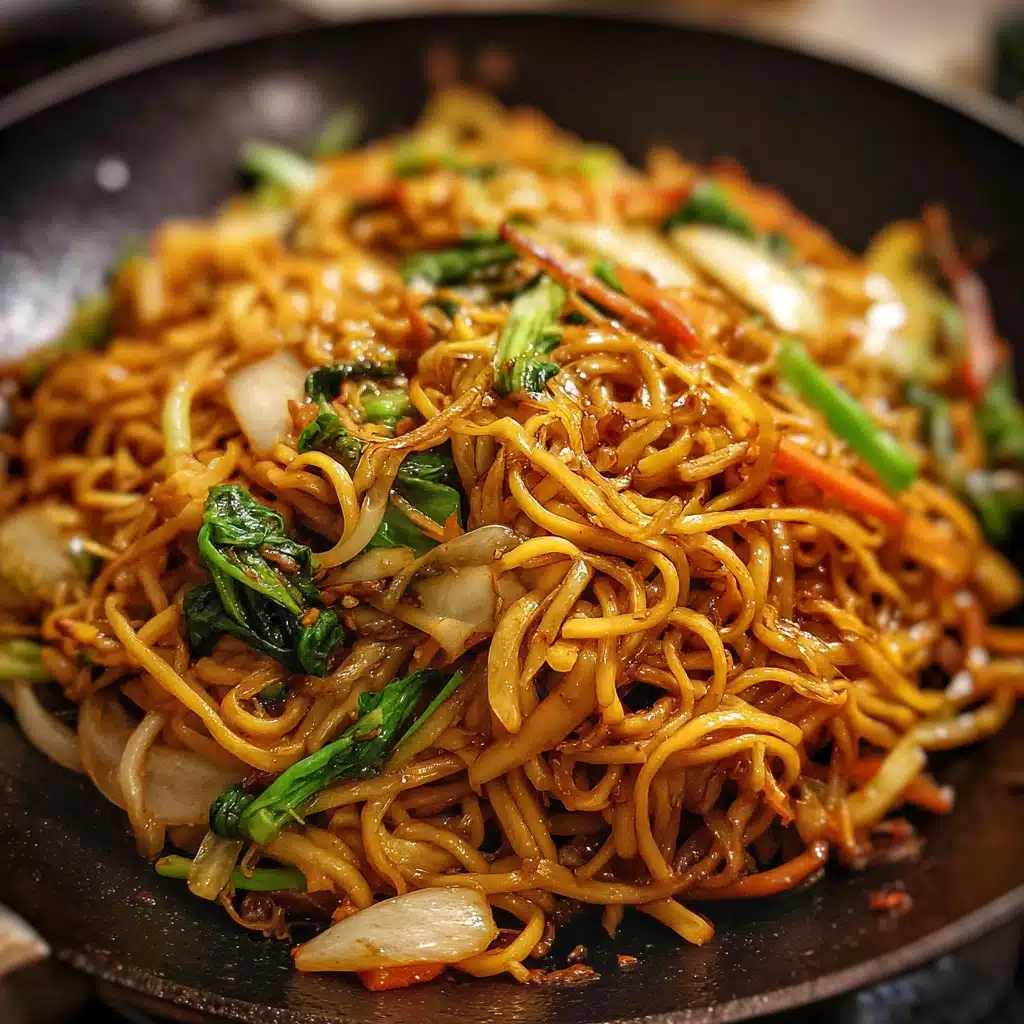
Of all the dishes in my weekly rotation, the one that elicits the most excitement is undoubtedly “Noodle Night.” The moment the sizzle of garlic and ginger hits the hot pan, my family seems to materialize in the kitchen, drawn in by the irresistible aroma. This Simple Stir-Fried Noodle Recipe isn’t just a meal in our house; it’s an event. I remember the first time I made it, I was frazzled after a long day, staring into the fridge with a distinct lack of inspiration. I saw some leftover vegetables, a packet of noodles, and some beef I had intended for another dish. On a whim, I decided to throw them all together. The result was so much more than the sum of its parts. It was a vibrant, saucy, and deeply satisfying bowl of comfort that tasted like it came from our favorite takeout spot. My husband, usually a man of few words at the dinner table, looked up after his third bite and declared, “This is a keeper.” My kids, who often turn their noses up at mixed dishes, cleaned their bowls without a single complaint. Since that day, this recipe has become our go-to for busy weeknights, lazy Sundays, and everything in between. It’s endlessly customizable, forgiving for beginner cooks, and delivers a knockout punch of flavor every single time. It’s the recipe that proves you don’t need complicated techniques or exotic ingredients to create something truly spectacular and memorable for the people you love.
Ingredients
Here are the essential components that come together to create this masterpiece of a meal. Each ingredient is chosen for its specific role in building layers of flavor and texture.
- Noodles: 1 lb (450g) of your choice (Lo Mein, udon, or even spaghetti work well). These are the hearty, slurpable foundation of our dish.
- Protein: 1 lb (450g) boneless beef sirloin or flank steak, thinly sliced against the grain. Slicing against the grain ensures a tender, juicy bite every time. If you have some leftover cooked ham, that can also be diced and thrown in at the end for an extra savory kick.
- For the Beef Marinade:
- Soy Sauce: 1 tablespoon. This begins the process of seasoning the beef and helps it develop a beautiful crust.
- Cornstarch: 1 teaspoon. A secret weapon that velvets the meat, keeping it tender and juicy during the high-heat cooking process.
- Aromatics:
- Garlic: 4 cloves, minced. The pungent, foundational flavor of almost any great stir-fry.
- Ginger: 1-inch piece, peeled and minced. Adds a warm, zesty spice that brightens the entire dish.
- Vegetables:
- Avocado or Canola Oil: 2 tablespoons, divided. A high-smoke-point oil is crucial for achieving that perfect stir-fry sizzle without burning.
- Broccoli: 1 medium head, cut into bite-sized florets. Adds a wonderful crunch and soaks up the sauce beautifully.
- Carrots: 2 medium, julienned or thinly sliced on a diagonal. Provides a touch of sweetness and vibrant color.
- Bell Pepper: 1 large (any color), seeded and thinly sliced. Adds a fresh, slightly sweet crunch.
- Onion: 1 medium, thinly sliced. Lays down a sweet and savory base layer of flavor when sautéed.
- For the Stir-Fry Sauce:
- Low-Sodium Soy Sauce: ½ cup. The primary source of savory, umami flavor. Using low-sodium gives you more control over the saltiness.
- Oyster Sauce: ¼ cup. A thick, rich sauce that provides a deep, savory, and slightly sweet flavor. It’s the key to that authentic “takeout” taste.
- Toasted Sesame Oil: 2 teaspoons. Intensely nutty and aromatic, this is a finishing oil added for flavor, not for cooking.
- Brown Sugar: 1 tablespoon, packed. Balances the saltiness of the soy sauce and adds a hint of caramel complexity.
- Rice Vinegar: 1 tablespoon. A touch of acidity to cut through the richness and brighten up all the other flavors.
- Cornstarch: 1 tablespoon. The thickener that will transform your sauce from a thin liquid into a glossy coating that clings to every noodle and vegetable.
- Optional Garnish:
- Green Onions: 2, thinly sliced. For a fresh, mild oniony bite.
- Toasted Sesame Seeds: 1 tablespoon. For a nutty crunch and visual appeal.
Instructions
Follow these steps carefully for stir-fry success. The key to a great stir-fry is preparation and speed. Have all your ingredients chopped, measured, and ready to go before you even think about turning on the stove. This French technique, known as mise en place, is non-negotiable for this recipe.
Step 1: Prepare the Sauce and Marinate the Beef
First, let’s create the magic sauce. In a medium-sized bowl, whisk together all the sauce ingredients: the low-sodium soy sauce, oyster sauce, toasted sesame oil, brown sugar, rice vinegar, and the 1 tablespoon of cornstarch. Continue whisking until the brown sugar and cornstarch are fully dissolved and the sauce is smooth. Set this bowl aside. Next, prepare the beef. In a separate bowl, toss the thinly sliced beef with 1 tablespoon of soy sauce and 1 teaspoon of cornstarch. Mix well until each piece is lightly coated. This quick marinade will not only season the meat but also help it to stay incredibly tender. Let it sit while you prepare the other components.
Step 2: Cook the Noodles
Bring a large pot of water to a rolling boil. Add your noodles and cook according to the package directions, but with one crucial adjustment: undercook them by about 1 minute. They will finish cooking in the pan later, and this step is vital to prevent them from becoming mushy. Once cooked, drain the noodles immediately and rinse them under cold running water. This stops the cooking process and washes away excess starch, which helps prevent sticking. Toss the rinsed noodles with a half-teaspoon of sesame oil to keep them separated while you work on the rest of the stir-fry.
Step 3: Sear the Beef
Place a large wok or a heavy-bottomed skillet over high heat. Let it get screaming hot. You should see faint wisps of smoke rising from the surface. Add 1 tablespoon of your high-smoke-point oil. Carefully add the marinated beef to the pan in a single layer, being careful not to crowd the pan (cook in two batches if necessary). Let the beef sear, undisturbed, for 1-2 minutes per side, until a deep brown crust forms. The goal is not to cook it through, but to get great color and flavor. Once seared, remove the beef from the pan and set it aside on a plate.
Step 4: Stir-Fry the Vegetables
Reduce the heat slightly to medium-high. Add the remaining 1 tablespoon of oil to the same pan. Add the sliced onions and stir-fry for 1-2 minutes until they begin to soften. Next, add the harder vegetables: the broccoli florets and carrots. Continue to stir-fry for 3-4 minutes. You want them to become tender-crisp, not soft. Now, add the minced garlic and ginger, along with the sliced bell peppers. Stir-fry for another 1-2 minutes until the garlic and ginger are fragrant. Be careful not to burn the garlic.
Step 5: Combine and Sauce
Give your prepared sauce a quick whisk to recombine the cornstarch that may have settled at the bottom. Pour the sauce all over the vegetables in the pan. It will begin to bubble and thicken almost immediately. This is the cornstarch doing its job.
Step 6: The Final Toss
Add the cooked noodles and the seared beef (along with any juices from the plate) back into the pan with the vegetables and sauce. Using tongs, toss everything together gently but quickly, ensuring every single noodle, piece of beef, and vegetable is coated in the glossy, delicious sauce. Continue to toss and cook for 1-2 minutes, until the noodles and beef are heated through.
Step 7: Serve Immediately
Turn off the heat. Your Simple Stir-Fried Noodle dish is ready! Transfer it to a large serving platter or individual bowls. Garnish generously with sliced green onions and toasted sesame seeds. Serve hot and enjoy the compliments.
Nutrition Facts
- Servings: 4-6 generous servings
- Calories per Serving: Approximately 550-650 kcal (This can vary based on the type of noodle and exact ingredients used).
- Protein: An excellent source of high-quality protein, primarily from the beef, which is essential for muscle repair and building.
- Fiber: A good source of dietary fiber from the variety of vegetables like broccoli and carrots, aiding in digestion and promoting a feeling of fullness.
- Iron: The beef provides a significant amount of heme iron, a form of iron that is easily absorbed by the body and is crucial for preventing anemia and maintaining energy levels.
- Vitamin C: Bell peppers are packed with Vitamin C, a powerful antioxidant that supports the immune system and helps the body absorb iron from other foods.
- Sodium: Be mindful that this dish can be high in sodium due to the soy and oyster sauces. Using low-sodium soy sauce helps to manage this, but it’s something to be aware of.
Preparation Time
This dish comes together remarkably fast once you start cooking, so preparation is everything.
- Prep Time: 20 minutes (for chopping vegetables, slicing meat, and mixing the sauce).
- Cook Time: 15 minutes.
- Total Time: Approximately 35 minutes from start to finish.
The key to achieving this quick time is having all your ingredients prepped and ready to go before you turn on the heat. The active cooking portion is a fast-paced, high-heat affair that waits for no one!
How to Serve
Serving this dish is just as fun as making it. You can present it in a few different ways to suit the occasion.
- Family-Style Platter:
- Pile the glossy noodles high on a large, beautiful platter.
- Place it in the center of the dinner table and let everyone serve themselves.
- This creates a wonderful, communal dining experience.
- Individual Bowls:
- Portion the noodles into deep, wide bowls for each person. This feels more like a restaurant experience.
- Garnish each bowl individually for a polished look.
- Essential Garnishes (Offer in small bowls on the side):
- Freshness and Bite: Thinly sliced green onions or chives.
- Nutty Crunch: Toasted white or black sesame seeds.
- A Kick of Heat: Red pepper flakes, sriracha, or a drizzle of chili oil.
- Herbaceous Notes: Fresh cilantro leaves.
- A Squeeze of Acidity: Lime or lemon wedges to brighten everything up.
- Perfect Pairings:
- Appetizers: Start the meal with light appetizers like steamed edamame with sea salt, crispy vegetable spring rolls, or a simple cucumber salad dressed with rice vinegar and sesame oil.
- Beverages: A crisp, cold lager or a dry Riesling cuts through the richness of the sauce beautifully. For a non-alcoholic option, iced green tea or a sparkling water with lime is perfect.
Additional Tips
Elevate your stir-fry game from good to unforgettable with these eight professional tips.
- Embrace the Heat: A screaming hot wok or skillet is the number one secret to a successful stir-fry. High heat sears the ingredients, creating the coveted wok hei—a complex, smoky flavor that you can’t get from simmering. Don’t be afraid to let your pan get very, very hot before adding anything.
- Don’t Crowd the Pan: This is the most common mistake home cooks make. Overloading your pan with too many ingredients at once drops the temperature, causing the food to steam in its own juices rather than fry. This leads to soggy vegetables and pale meat. If your pan isn’t large enough, cook your ingredients in batches and combine them at the end.
- Mise en Place is Mandatory: We’ve mentioned it before, but it bears repeating. Stir-frying is a rapid cooking process. You won’t have time to chop a carrot or measure soy sauce once the cooking starts. Prepare everything—chop all veggies, mince aromatics, mix the sauce, and portion the protein—before you even light the stove.
- Noodle Nurturing: To prevent sad, mushy noodles, always undercook them slightly and rinse them in cold water. The cold water rinse is a game-changer; it halts the cooking and removes sticky surface starches. Tossing them with a tiny bit of oil ensures they remain separate and ready for their grand finale in the pan.
- Sauce Strategy: Always mix your sauce, including the cornstarch thickener, in a separate bowl beforehand. This ensures it’s perfectly combined. Before adding it to the wok, give it one final, quick whisk, as the cornstarch will have settled at the bottom. This guarantees a smooth, lump-free, glossy sauce every time.
- Vegetable Hierarchy: Not all vegetables cook at the same rate. Add them to the pan in order of hardness. Start with hard vegetables like carrots and broccoli. After a few minutes, add medium-hard ones like bell peppers and onions. Finally, add your delicate aromatics like garlic and ginger last, as they can burn quickly. Leafy greens like spinach or bok choy should be thrown in at the very end, as they only need a moment to wilt.
- Protein Perfection: For tender beef, always slice it thinly against the grain. Look for the lines of the muscle fibers and cut across them, not parallel to them. This shortens the fibers, making the meat much more tender to chew. Also, be sure not to overcook it during the initial searing step; it will cook a little more when you add it back to the pan at the end.
- The Art of Customization: Think of this recipe as a template, not a strict rulebook. Don’t have beef? Use chicken thighs, shrimp, or firm tofu. Clean out your vegetable crisper: mushrooms, snow peas, bok choy, zucchini, and cabbage are all fantastic additions. This recipe is your canvas to experiment with different flavors and textures.
FAQ Section
Here are answers to some of the most frequently asked questions about making stir-fried noodles at home.
1. What are the absolute best noodles for a stir-fry?
While this recipe is very forgiving, fresh Chinese egg noodles (often labeled as Lo Mein noodles) are considered the gold standard. They have a wonderful chewy texture. Dried lo mein, udon noodles (thick and chewy), and even ramen noodles (discard the seasoning packet) are also excellent choices. In a pinch, regular spaghetti or linguine will work surprisingly well!
2. How can I make this recipe gluten-free?
It’s very easy! Make two key substitutions. First, use gluten-free rice noodles or soba (buckwheat) noodles instead of wheat-based noodles. Second, swap the regular soy sauce and oyster sauce for gluten-free alternatives. Use Tamari, which is a gluten-free soy sauce, and look for a certified gluten-free oyster sauce, which is readily available in most large supermarkets.
3. My noodles always stick together in a big clump! How do I stop this?
The secret lies in the post-boil rinse. As soon as you drain your noodles, immediately rinse them under cold water until they are cool to the touch. This washes off the excess starch that acts like glue. After rinsing, drain them very well and toss with a small amount of oil (sesame or a neutral oil). This will keep them perfectly separated until you’re ready to use them.
4. Can I make this recipe vegetarian or vegan?
Absolutely! To make it vegetarian, simply substitute the beef with pressed extra-firm tofu, tempeh, or a mix of hearty mushrooms like shiitake and cremini. To make it fully vegan, you’ll also need to substitute the oyster sauce. Look for a vegan “oyster” sauce, which is made from mushrooms and has a similarly rich, umami flavor.
5. What is the actual difference between Lo Mein and Chow Mein?
It’s all in the noodle preparation! In Lo Mein (which this recipe is styled after), the noodles are fully cooked, then simply tossed with the sauce and other ingredients at the end. “Lo” means “tossed.” In Chow Mein, the noodles are often par-boiled and then fried in the wok to get crispy. “Chow” means “fried.” So, Lo Mein is soft and saucy, while Chow Mein is crispier and fried.
6. How do I properly store and reheat leftover stir-fried noodles?
Store any leftovers in an airtight container in the refrigerator for up to 3-4 days. The best way to reheat is in a skillet or wok over medium heat. Add a splash of water or broth to the pan to create some steam, which will help loosen the noodles and prevent them from drying out. You can also microwave them, but the stovetop method yields a much better texture.
7. My sauce seems too thin (or too thick). How can I fix it?
This is an easy fix! If your sauce is too thin after adding it to the pan, create a small slurry by mixing 1 teaspoon of cornstarch with 2 teaspoons of cold water. Slowly pour this into the simmering sauce while whisking, and it will thicken up. If your sauce is too thick, simply whisk in a tablespoon or two of water or low-sodium chicken/vegetable broth until it reaches your desired consistency.
8. Can I chop my vegetables and make the sauce ahead of time?
Yes, and it’s highly recommended for a stress-free cooking experience! You can chop all your vegetables and aromatics and store them in separate airtight containers in the fridge for up to two days. The sauce can also be whisked together and stored in a jar in the fridge for up to a week. With this prep work done, the actual cooking process will take you less than 15 minutes.
Simple Stir-Fried Noodle Recipe
Ingredients
Here are the essential components that come together to create this masterpiece of a meal. Each ingredient is chosen for its specific role in building layers of flavor and texture.
- Noodles: 1 lb (450g) of your choice (Lo Mein, udon, or even spaghetti work well). These are the hearty, slurpable foundation of our dish.
- Protein: 1 lb (450g) boneless beef sirloin or flank steak, thinly sliced against the grain. Slicing against the grain ensures a tender, juicy bite every time. If you have some leftover cooked ham, that can also be diced and thrown in at the end for an extra savory kick.
- For the Beef Marinade:
- Soy Sauce: 1 tablespoon. This begins the process of seasoning the beef and helps it develop a beautiful crust.
- Cornstarch: 1 teaspoon. A secret weapon that velvets the meat, keeping it tender and juicy during the high-heat cooking process.
- Aromatics:
- Garlic: 4 cloves, minced. The pungent, foundational flavor of almost any great stir-fry.
- Ginger: 1-inch piece, peeled and minced. Adds a warm, zesty spice that brightens the entire dish.
- Vegetables:
- Avocado or Canola Oil: 2 tablespoons, divided. A high-smoke-point oil is crucial for achieving that perfect stir-fry sizzle without burning.
- Broccoli: 1 medium head, cut into bite-sized florets. Adds a wonderful crunch and soaks up the sauce beautifully.
- Carrots: 2 medium, julienned or thinly sliced on a diagonal. Provides a touch of sweetness and vibrant color.
- Bell Pepper: 1 large (any color), seeded and thinly sliced. Adds a fresh, slightly sweet crunch.
- Onion: 1 medium, thinly sliced. Lays down a sweet and savory base layer of flavor when sautéed.
- For the Stir-Fry Sauce:
- Low-Sodium Soy Sauce: ½ cup. The primary source of savory, umami flavor. Using low-sodium gives you more control over the saltiness.
- Oyster Sauce: ¼ cup. A thick, rich sauce that provides a deep, savory, and slightly sweet flavor. It’s the key to that authentic “takeout” taste.
- Toasted Sesame Oil: 2 teaspoons. Intensely nutty and aromatic, this is a finishing oil added for flavor, not for cooking.
- Brown Sugar: 1 tablespoon, packed. Balances the saltiness of the soy sauce and adds a hint of caramel complexity.
- Rice Vinegar: 1 tablespoon. A touch of acidity to cut through the richness and brighten up all the other flavors.
- Cornstarch: 1 tablespoon. The thickener that will transform your sauce from a thin liquid into a glossy coating that clings to every noodle and vegetable.
- Optional Garnish:
- Green Onions: 2, thinly sliced. For a fresh, mild oniony bite.
- Toasted Sesame Seeds: 1 tablespoon. For a nutty crunch and visual appeal.
Instructions
Follow these steps carefully for stir-fry success. The key to a great stir-fry is preparation and speed. Have all your ingredients chopped, measured, and ready to go before you even think about turning on the stove. This French technique, known as mise en place, is non-negotiable for this recipe.
Step 1: Prepare the Sauce and Marinate the Beef
First, let’s create the magic sauce. In a medium-sized bowl, whisk together all the sauce ingredients: the low-sodium soy sauce, oyster sauce, toasted sesame oil, brown sugar, rice vinegar, and the 1 tablespoon of cornstarch. Continue whisking until the brown sugar and cornstarch are fully dissolved and the sauce is smooth. Set this bowl aside. Next, prepare the beef. In a separate bowl, toss the thinly sliced beef with 1 tablespoon of soy sauce and 1 teaspoon of cornstarch. Mix well until each piece is lightly coated. This quick marinade will not only season the meat but also help it to stay incredibly tender. Let it sit while you prepare the other components.
Step 2: Cook the Noodles
Bring a large pot of water to a rolling boil. Add your noodles and cook according to the package directions, but with one crucial adjustment: undercook them by about 1 minute. They will finish cooking in the pan later, and this step is vital to prevent them from becoming mushy. Once cooked, drain the noodles immediately and rinse them under cold running water. This stops the cooking process and washes away excess starch, which helps prevent sticking. Toss the rinsed noodles with a half-teaspoon of sesame oil to keep them separated while you work on the rest of the stir-fry.
Step 3: Sear the Beef
Place a large wok or a heavy-bottomed skillet over high heat. Let it get screaming hot. You should see faint wisps of smoke rising from the surface. Add 1 tablespoon of your high-smoke-point oil. Carefully add the marinated beef to the pan in a single layer, being careful not to crowd the pan (cook in two batches if necessary). Let the beef sear, undisturbed, for 1-2 minutes per side, until a deep brown crust forms. The goal is not to cook it through, but to get great color and flavor. Once seared, remove the beef from the pan and set it aside on a plate.
Step 4: Stir-Fry the Vegetables
Reduce the heat slightly to medium-high. Add the remaining 1 tablespoon of oil to the same pan. Add the sliced onions and stir-fry for 1-2 minutes until they begin to soften. Next, add the harder vegetables: the broccoli florets and carrots. Continue to stir-fry for 3-4 minutes. You want them to become tender-crisp, not soft. Now, add the minced garlic and ginger, along with the sliced bell peppers. Stir-fry for another 1-2 minutes until the garlic and ginger are fragrant. Be careful not to burn the garlic.
Step 5: Combine and Sauce
Give your prepared sauce a quick whisk to recombine the cornstarch that may have settled at the bottom. Pour the sauce all over the vegetables in the pan. It will begin to bubble and thicken almost immediately. This is the cornstarch doing its job.
Step 6: The Final Toss
Add the cooked noodles and the seared beef (along with any juices from the plate) back into the pan with the vegetables and sauce. Using tongs, toss everything together gently but quickly, ensuring every single noodle, piece of beef, and vegetable is coated in the glossy, delicious sauce. Continue to toss and cook for 1-2 minutes, until the noodles and beef are heated through.
Step 7: Serve Immediately
Turn off the heat. Your Simple Stir-Fried Noodle dish is ready! Transfer it to a large serving platter or individual bowls. Garnish generously with sliced green onions and toasted sesame seeds. Serve hot and enjoy the compliments.
Nutrition
- Serving Size: one normal portion
- Calories: 650