

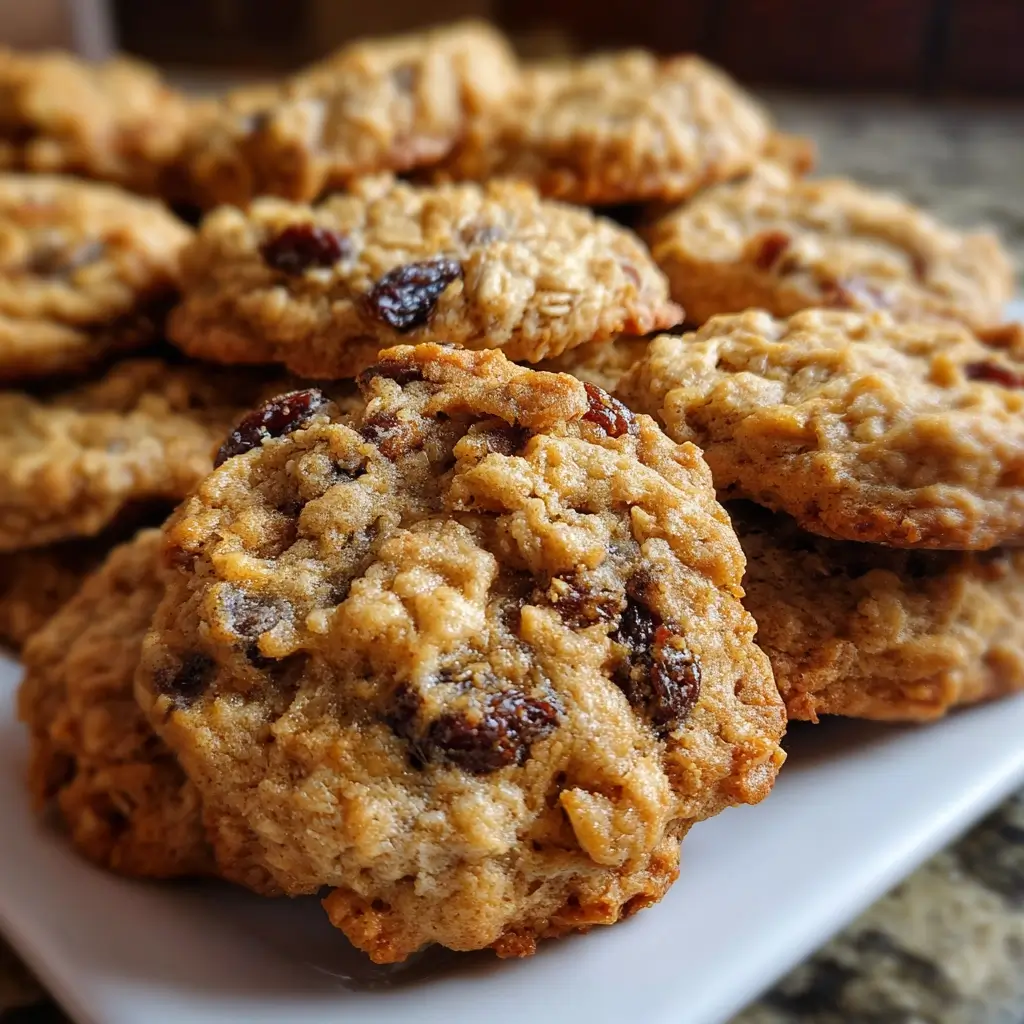

There’s a certain magic that wafts from the oven when a batch of oatmeal raisin cookies is baking. It’s a scent that’s part buttery-sweet, part warm spice, and all parts comforting nostalgia. For years, I was on a quest for the perfect oatmeal raisin cookie—not the dry, brittle discs you often find in store-bought packages, but a truly transcendent cookie. I wanted one with a chewy, soft-baked center that practically melts in your mouth, delicately crisp edges, and a generous scattering of plump, juicy raisins in every single bite. After countless trials, tweaks, and batches that my family happily taste-tested, this is the recipe that emerged victorious. It’s the one that has my kids peering through the oven door, counting down the minutes. It’s the one my partner packs for a midday treat, and the one I turn to when I need a little taste of home. These aren’t just cookies; they are a soft, chewy hug in edible form, and I am so excited to share the simple secrets to making them perfectly every time.
Ingredients
Here is the carefully selected list of ingredients that work in perfect harmony to create the ultimate soft-baked oatmeal raisin cookie. Each component plays a crucial role in achieving the ideal texture and flavor profile.
- 1 ½ cups (180g) All-Purpose Flour: This is the structural backbone of our cookies. We use all-purpose flour for a tender crumb that isn’t too dense or heavy.
- 1 teaspoon Baking Soda: Our primary leavening agent. It reacts with the acidic brown sugar to give the cookies a beautiful lift, contributing to their soft, pillowy texture.
- 1 teaspoon Ground Cinnamon: The classic spice pairing for oatmeal and raisin. It adds a warm, aromatic depth that is absolutely essential.
- ½ teaspoon Ground Nutmeg: A secret weapon that complements the cinnamon beautifully, adding a subtle, nutty warmth that makes the flavor profile more complex and inviting.
- ½ teaspoon Salt: Crucial for balancing the sweetness of the sugars and raisins. It enhances all the other flavors, making them pop.
- 1 cup (226g) Unsalted Butter, softened to room temperature: Using unsalted butter allows us to control the salt content precisely. Softening it to room temperature is non-negotiable for the creaming process, which incorporates air and creates a light, tender cookie.
- 1 cup (200g) Packed Light Brown Sugar: This is the key to a chewy, moist cookie. The molasses content in brown sugar adds moisture and a slight caramel flavor.
- ½ cup (100g) Granulated Sugar: While brown sugar provides chewiness, white sugar helps the cookie edges spread and become delightfully crisp.
- 2 Large Eggs, at room temperature: Eggs act as a binder, holding the dough together. They also add richness and moisture. Bringing them to room temperature helps them incorporate more smoothly into the butter-sugar mixture.
- 2 teaspoons Pure Vanilla Extract: A vital flavor enhancer that deepens the buttery, sweet notes of the cookie dough.
- 3 cups (240g) Old-Fashioned Rolled Oats: Do not substitute with instant or steel-cut oats! Old-fashioned oats provide the signature hearty, chewy texture that defines a great oatmeal cookie.
- 1 ½ cups (225g) Raisins: The sweet, fruity jewels of our cookie. Plump and juicy raisins provide a wonderful textural contrast to the soft cookie base.
Instructions
Follow these steps with care to ensure your cookies come out perfectly soft and chewy every single time. The magic is in the details, from creaming the butter properly to the crucial chilling step.
- Prepare Your Pans and Preheat: Adjust your oven racks to the middle position and preheat the oven to 350°F (175°C). Line two large baking sheets with parchment paper or silicone baking mats. This prevents the cookies from sticking and ensures even browning on the bottom.
- Combine the Dry Ingredients: In a medium-sized bowl, whisk together the all-purpose flour, baking soda, ground cinnamon, ground nutmeg, and salt. Whisking is important as it aerates the flour and distributes the leavening and spices evenly, so you don’t get a pocket of salt or cinnamon in one cookie. Set this bowl aside.
- Cream the Butter and Sugars: In the bowl of a stand mixer fitted with the paddle attachment, or in a large bowl with a hand mixer, beat the softened unsalted butter on medium speed until it is smooth and creamy. Add the packed light brown sugar and granulated sugar. Increase the speed to medium-high and beat for 3-4 minutes, until the mixture is light, pale, and fluffy. Scrape down the sides and bottom of the bowl as needed. This step is critical; you are whipping air into the mixture, which is the foundation for a soft cookie.
- Incorporate Eggs and Vanilla: With the mixer on low speed, add the room temperature eggs one at a time, beating well after each addition until it’s fully incorporated. Once the eggs are mixed in, add the pure vanilla extract and beat until just combined.
- Add the Dry Ingredients: Turn the mixer off and add the dry ingredient mixture to the wet ingredients all at once. Turn the mixer on to the lowest possible speed and mix until the flour is almost combined, with a few dry streaks remaining. Be very careful not to overmix here, as that can develop the gluten in the flour and lead to tough, dense cookies.
- Fold in Oats and Raisins: Remove the bowl from the mixer. Add the old-fashioned rolled oats and the raisins. Using a rubber spatula, gently fold everything together until the oats and raisins are evenly distributed and the last streaks of flour have disappeared. The dough will be thick and sticky.
- Chill the Dough (The Most Important Step): Cover the bowl with plastic wrap and transfer it to the refrigerator. Chill the dough for at least 60 minutes, or up to 4 hours. Chilling the dough is the secret to thick, chewy cookies that don’t spread too much in the oven. It solidifies the fat in the butter, meaning the cookies will melt more slowly and bake up taller and softer.
- Scoop and Bake: Once the dough is chilled, use a medium cookie scoop (about 1.5 to 2 tablespoons) to portion out mounds of dough. Place them on the prepared baking sheets, leaving about 2 inches of space between each cookie to allow for spreading.
- Bake to Perfection: Bake for 12-15 minutes, or until the edges are lightly golden brown and the centers look slightly underbaked. The key to a soft cookie is to pull them from the oven while the center is still soft. They will continue to cook and set up on the hot baking sheet.
- Cool for Best Texture: Let the cookies cool on the baking sheet for 5-10 minutes. This allows them to firm up enough to be moved. After this initial cooling period, transfer them to a wire rack to cool completely. This two-stage cooling process is essential for achieving that perfect soft center and chewy texture.
Nutrition Facts
Please note that these values are an estimate and can vary based on the specific ingredients and brands used.
- Servings: This recipe makes approximately 36 cookies.
- Calories Per Serving: Approximately 145 calories per cookie.
- Fiber: Each cookie contains a good source of dietary fiber, primarily from the old-fashioned oats, which aids in digestion and promotes a feeling of fullness.
- Carbohydrates: The primary source of energy in these cookies, coming from the flour, sugars, oats, and raisins.
- Fat: Primarily from the butter, providing flavor and contributing to the tender texture of the cookies.
- Protein: A modest amount of protein is present from the flour and eggs, which helps provide structure.
- Sugar: The combination of brown sugar, white sugar, and natural sugars from the raisins gives these cookies their classic sweet taste.
Preparation Time
The journey to delicious cookies is a worthwhile investment of your time. The chilling period is passive but essential for the final outcome.
- Active Preparation Time: 20 minutes (for mixing the dough)
- Chilling Time: 60 minutes (minimum)
- Baking Time: 12-15 minutes per batch
- Total Time: Approximately 1 hour and 40 minutes
How to Serve
These Soft-Baked Oatmeal Raisin Cookies are incredibly versatile and can be enjoyed in numerous ways. Here are a few favorite suggestions to elevate your cookie experience:
- The Classic Comfort:
- Serve the cookies warm, fresh from the oven, alongside a tall, cold glass of milk. It’s a timeless combination for a reason.
- The Afternoon Pick-Me-Up:
- Pair a cookie with a hot cup of coffee, a frothy cappuccino, or your favorite black tea. The warm spices in the cookie are a perfect match for a robust beverage.
- The Dessert Upgrade:
- Create a spectacular cookie ice cream sandwich. Place a scoop of high-quality vanilla bean, butter pecan, or cinnamon ice cream between two cookies.
- Crumble a cookie over a bowl of Greek yogurt or vanilla pudding for an instant-upgrade topping with added texture and flavor.
- For Gifting and Parties:
- Arrange the cookies on a beautiful platter for gatherings, potlucks, or holiday dessert tables. They are always a crowd-pleaser.
- Stack them in a clear cellophane bag tied with a ribbon or in a decorative tin for a thoughtful and delicious homemade gift.
Additional Tips
Unlock cookie perfection with these eight expert tips, designed to answer your questions before you even have them and guarantee bakery-quality results in your own kitchen.
- The Chilling Imperative: We mentioned it in the instructions, but it bears repeating: do not skip chilling the dough. Chilling prevents the cookies from spreading into thin, crispy wafers. It solidifies the butter, so it melts slower in the oven, creating a thicker, chewier cookie. It also allows the flour to hydrate fully, resulting in a better flavor and texture.
- Oats Truly Matter: For the quintessential chewy, hearty texture, you must use old-fashioned rolled oats. Quick oats are thinner and have been processed more, which will result in a drier, cakier cookie. Steel-cut oats are too hard and will not soften properly during the short baking time.
- The Art of Not Overbaking: The single biggest mistake that leads to hard oatmeal cookies is overbaking. The visual cue you’re looking for is golden brown edges while the centers still look soft and slightly puffy. They might seem underdone, but they will set up perfectly as they cool on the baking sheet due to carryover cooking.
- Plump Your Raisins for Extra Moisture: For an even juicier, more flavorful raisin experience, try this pro-tip. Place your raisins in a bowl and cover them with hot water. Let them soak for 10-15 minutes, then drain them thoroughly and pat them dry with a paper towel before adding them to the dough. This rehydrates them, ensuring they stay plump and moist during baking.
- Measure Your Flour Correctly: How you measure flour can dramatically impact your cookies. Instead of scooping the flour directly out of the bag with your measuring cup (which compacts it), use a spoon to fluff up the flour in its container. Then, spoon the flour into your measuring cup until it’s overflowing and use the back of a knife to level it off. This prevents you from accidentally adding too much flour, which can make cookies dry and tough.
- Room Temperature is a Golden Rule: Using room temperature butter and eggs is crucial for proper emulsification. When at the same temperature, these ingredients form a smooth, uniform batter that traps air effectively. Cold ingredients can cause the butter to seize up, resulting in a lumpy batter and denser cookies.
- Spice It Up (Or Down): This recipe is a fantastic base for experimentation. If you love warm spices, consider adding a pinch of ground ginger or allspice along with the cinnamon and nutmeg. If you’re not a fan of nutmeg, you can omit it. The key is to make it your own.
- Uniformity is King for Even Baking: Using a cookie scoop is the best way to ensure all your cookies are the same size and shape. This isn’t just for aesthetics; it guarantees they will all bake evenly in the same amount of time. No more guessing or having some cookies burnt while others are raw in the middle.
FAQ Section
Here are answers to some of the most frequently asked questions about making soft-baked oatmeal raisin cookies.
1. Q: Why did my oatmeal cookies spread out and become thin and crispy?
A: This is the most common issue and it usually points to one of two things. First, the dough was not chilled long enough. Chilling solidifies the fat, preventing it from melting too quickly in the oven’s heat. Second, your butter may have been too soft or even melted, which will also cause excessive spreading. Ensure your butter is at a cool room temperature—it should give slightly when pressed but not be greasy or melty.
2. Q: Can I use quick oats instead of old-fashioned oats in this recipe?
A: While you can technically substitute them, it will significantly change the final product. Quick oats act more like flour, absorbing more moisture and resulting in a cookie that is less chewy and more cake-like and dry. For that classic, hearty chew that defines a great oatmeal cookie, sticking with old-fashioned rolled oats is highly recommended.
3. Q: How should I store these cookies to keep them soft?
A: To maintain that wonderful soft-baked texture, store the completely cooled cookies in an airtight container at room temperature. For an extra trick to keep them moist, add a slice of sandwich bread to the container. The cookies will absorb moisture from the bread, keeping them softer for longer. They will stay fresh for up to 5 days.
4. Q: Can I make the dough ahead of time and freeze it?
A: Absolutely! This dough freezes beautifully. You can either freeze the entire ball of dough, wrapped tightly in plastic wrap and placed in a freezer bag, for up to 3 months. Thaw it in the refrigerator overnight before scooping and baking. Alternatively, you can scoop the dough balls onto a parchment-lined baking sheet, freeze them until solid, then transfer them to a freezer bag. You can bake these directly from frozen; just add 2-3 extra minutes to the baking time.
5. Q: My cookie dough is very thick and sticky. Is this normal?
A: Yes, completely normal! Oatmeal cookie dough, especially with 3 cups of oats, is meant to be very thick, hearty, and sticky. This is what gives the baked cookie its wonderful structure and chew. The chilling step will make it much firmer and easier to handle and scoop.
6. Q: Can I add other mix-ins to this recipe, like nuts or chocolate chips?
A: Of course! This recipe is a fantastic canvas for other flavors. You can substitute some or all of the raisins with other mix-ins. Try adding 1 cup of chopped walnuts or pecans for a nutty crunch, or 1 cup of semi-sweet chocolate chips for a decadent twist. White chocolate chips also pair wonderfully with the oatmeal and spices.
7. Q: My cookies didn’t spread at all and are shaped like little balls. What went wrong?
A: This is the opposite problem of over-spreading and is usually caused by too much flour or over-chilling the dough. Make sure you are measuring your flour correctly using the spoon and level method. If you’ve chilled the dough for a very long time (overnight, for instance), the dough balls might be too cold. In this case, let them sit at room temperature for 10-15 minutes before baking, or gently press them down with the bottom of a glass before putting them in the oven.
8. Q: Are these oatmeal raisin cookies considered a healthy treat?
A: While they are a dessert containing butter and sugar, they do have some redeeming nutritional qualities compared to other cookies. The old-fashioned rolled oats provide a significant amount of soluble fiber, which is good for heart health and digestion. Raisins also offer some fiber and minerals. Think of them as a “better-for-you” cookie—a wonderful, comforting treat to be enjoyed in moderation as part of a balanced diet.
Print
Soft-Baked Oatmeal Raisin Cookies
Ingredients
Here is the carefully selected list of ingredients that work in perfect harmony to create the ultimate soft-baked oatmeal raisin cookie. Each component plays a crucial role in achieving the ideal texture and flavor profile.
- 1 ½ cups (180g) All-Purpose Flour: This is the structural backbone of our cookies. We use all-purpose flour for a tender crumb that isn’t too dense or heavy.
- 1 teaspoon Baking Soda: Our primary leavening agent. It reacts with the acidic brown sugar to give the cookies a beautiful lift, contributing to their soft, pillowy texture.
- 1 teaspoon Ground Cinnamon: The classic spice pairing for oatmeal and raisin. It adds a warm, aromatic depth that is absolutely essential.
- ½ teaspoon Ground Nutmeg: A secret weapon that complements the cinnamon beautifully, adding a subtle, nutty warmth that makes the flavor profile more complex and inviting.
- ½ teaspoon Salt: Crucial for balancing the sweetness of the sugars and raisins. It enhances all the other flavors, making them pop.
- 1 cup (226g) Unsalted Butter, softened to room temperature: Using unsalted butter allows us to control the salt content precisely. Softening it to room temperature is non-negotiable for the creaming process, which incorporates air and creates a light, tender cookie.
- 1 cup (200g) Packed Light Brown Sugar: This is the key to a chewy, moist cookie. The molasses content in brown sugar adds moisture and a slight caramel flavor.
- ½ cup (100g) Granulated Sugar: While brown sugar provides chewiness, white sugar helps the cookie edges spread and become delightfully crisp.
- 2 Large Eggs, at room temperature: Eggs act as a binder, holding the dough together. They also add richness and moisture. Bringing them to room temperature helps them incorporate more smoothly into the butter-sugar mixture.
- 2 teaspoons Pure Vanilla Extract: A vital flavor enhancer that deepens the buttery, sweet notes of the cookie dough.
- 3 cups (240g) Old-Fashioned Rolled Oats: Do not substitute with instant or steel-cut oats! Old-fashioned oats provide the signature hearty, chewy texture that defines a great oatmeal cookie.
- 1 ½ cups (225g) Raisins: The sweet, fruity jewels of our cookie. Plump and juicy raisins provide a wonderful textural contrast to the soft cookie base.
Instructions
Follow these steps with care to ensure your cookies come out perfectly soft and chewy every single time. The magic is in the details, from creaming the butter properly to the crucial chilling step.
- Prepare Your Pans and Preheat: Adjust your oven racks to the middle position and preheat the oven to 350°F (175°C). Line two large baking sheets with parchment paper or silicone baking mats. This prevents the cookies from sticking and ensures even browning on the bottom.
- Combine the Dry Ingredients: In a medium-sized bowl, whisk together the all-purpose flour, baking soda, ground cinnamon, ground nutmeg, and salt. Whisking is important as it aerates the flour and distributes the leavening and spices evenly, so you don’t get a pocket of salt or cinnamon in one cookie. Set this bowl aside.
- Cream the Butter and Sugars: In the bowl of a stand mixer fitted with the paddle attachment, or in a large bowl with a hand mixer, beat the softened unsalted butter on medium speed until it is smooth and creamy. Add the packed light brown sugar and granulated sugar. Increase the speed to medium-high and beat for 3-4 minutes, until the mixture is light, pale, and fluffy. Scrape down the sides and bottom of the bowl as needed. This step is critical; you are whipping air into the mixture, which is the foundation for a soft cookie.
- Incorporate Eggs and Vanilla: With the mixer on low speed, add the room temperature eggs one at a time, beating well after each addition until it’s fully incorporated. Once the eggs are mixed in, add the pure vanilla extract and beat until just combined.
- Add the Dry Ingredients: Turn the mixer off and add the dry ingredient mixture to the wet ingredients all at once. Turn the mixer on to the lowest possible speed and mix until the flour is almost combined, with a few dry streaks remaining. Be very careful not to overmix here, as that can develop the gluten in the flour and lead to tough, dense cookies.
- Fold in Oats and Raisins: Remove the bowl from the mixer. Add the old-fashioned rolled oats and the raisins. Using a rubber spatula, gently fold everything together until the oats and raisins are evenly distributed and the last streaks of flour have disappeared. The dough will be thick and sticky.
- Chill the Dough (The Most Important Step): Cover the bowl with plastic wrap and transfer it to the refrigerator. Chill the dough for at least 60 minutes, or up to 4 hours. Chilling the dough is the secret to thick, chewy cookies that don’t spread too much in the oven. It solidifies the fat in the butter, meaning the cookies will melt more slowly and bake up taller and softer.
- Scoop and Bake: Once the dough is chilled, use a medium cookie scoop (about 1.5 to 2 tablespoons) to portion out mounds of dough. Place them on the prepared baking sheets, leaving about 2 inches of space between each cookie to allow for spreading.
- Bake to Perfection: Bake for 12-15 minutes, or until the edges are lightly golden brown and the centers look slightly underbaked. The key to a soft cookie is to pull them from the oven while the center is still soft. They will continue to cook and set up on the hot baking sheet.
- Cool for Best Texture: Let the cookies cool on the baking sheet for 5-10 minutes. This allows them to firm up enough to be moved. After this initial cooling period, transfer them to a wire rack to cool completely. This two-stage cooling process is essential for achieving that perfect soft center and chewy texture.
Nutrition
- Serving Size: one normal portion
- Calories: 145