Ingredients
Scale
Here is the simple, yet perfectly balanced, list of ingredients you’ll need to create the softest peanut butter cookies you’ve ever had. Each component plays a crucial role in achieving the ideal texture and flavor.
- 1 cup (226g) Unsalted Butter, softened: Using softened, room temperature butter is non-negotiable. It allows for proper creaming with the sugars, creating air pockets that result in a lighter, softer cookie. Unsalted butter gives you full control over the saltiness of the final product.
- 1 cup (220g) Packed Light Brown Sugar: Brown sugar is the key to a chewy, moist cookie. Its molasses content adds moisture and a slight caramel flavor that beautifully complements the peanut butter. Make sure to pack it firmly into your measuring cup.
- ½ cup (100g) Granulated Sugar: This provides classic sweetness and helps the cookie edges become golden and slightly crisp, offering a delightful textural contrast to the soft center.
- 1 cup (250g) Creamy Peanut Butter: For the softest texture, a standard commercial creamy peanut butter (like Jif or Skippy) works best. These contain stabilizers that prevent oil separation, ensuring a consistent, tender dough. Avoid natural, “oil-on-top” peanut butters as they can make cookies greasy or crumbly.
- 2 large Eggs, room temperature: Eggs act as the primary binder, holding the dough together. Bringing them to room temperature helps them incorporate more smoothly into the creamed butter and sugar mixture, leading to a more uniform texture.
- 2 teaspoons Vanilla Extract: A high-quality vanilla extract enhances all the other flavors in the cookie, adding a layer of aromatic warmth that rounds out the nuttiness of the peanut butter.
- 2 ½ cups (300g) All-Purpose Flour: Flour provides the structure for the cookies. It’s crucial to measure your flour correctly—either by weight (for perfect results) or by using the “spoon and level” method. Too much flour is the number one cause of dry, dense cookies.
- 1 teaspoon Baking Soda: This is our leavening agent. It reacts with the acidic brown sugar to give the cookies lift, making them puff up and become tender rather than flat and hard.
- ½ teaspoon Baking Powder: A touch of baking powder provides a secondary lift, ensuring a light and soft texture throughout the entire cookie.
- ½ teaspoon Salt: Salt is a flavor enhancer. It balances the sweetness of the sugars and intensifies the rich, nutty flavor of the peanut butter. If you must use salted butter, consider reducing this to ¼ teaspoon.
Instructions
Follow these detailed steps carefully to guarantee success. The process is simple, but the techniques used in each step are what separate a good peanut butter cookie from a truly unforgettable one.
- Preheat and Prepare: Begin by preheating your oven to 375°F (190°C). Line two large baking sheets with parchment paper or silicone baking mats. This prevents the cookies from sticking and promotes even browning on the bottom. Set them aside.
- Cream the Fats and Sugars: In the bowl of a stand mixer fitted with the paddle attachment, or in a large bowl with a hand mixer, combine the softened unsalted butter, packed light brown sugar, and granulated sugar. Beat on medium-high speed for about 3-4 minutes. The mixture should become light in color, voluminous, and fluffy. This step is critical; you are whipping air into the base of your dough, which is the foundational secret to a soft cookie.
- Incorporate Peanut Butter and Wet Ingredients: Scrape down the sides of the bowl. Add the creamy peanut butter to the mixture and beat again on medium speed for another 1-2 minutes until it is completely incorporated and the mixture is smooth. Add the room temperature eggs one at a time, beating well after each addition until it’s just combined. Finally, beat in the vanilla extract. The mixture should look smooth and well-emulsified.
- Combine the Dry Ingredients: In a separate medium-sized bowl, whisk together the all-purpose flour, baking soda, baking powder, and salt. Whisking them together first ensures that the leavening agents and salt are evenly distributed throughout the flour, which means every single cookie will bake up perfectly.
- Marry the Wet and Dry: With the mixer on its lowest speed, gradually add the dry ingredient mixture to the wet ingredients. Mix only until the last streaks of flour have just disappeared. It is absolutely crucial not to overmix at this stage. Overmixing develops the gluten in the flour, which will result in tough, dense cookies instead of soft, tender ones. If needed, finish combining the last bits by hand with a spatula.
- Portion the Dough: Using a medium cookie scoop (about 1.5 tablespoons), portion the dough into uniform balls. Roll each portion briefly between your hands to create a smooth ball and place them about 2 inches apart on your prepared baking sheets. A cookie scoop is highly recommended as it ensures all cookies are the same size, which means they will bake evenly.
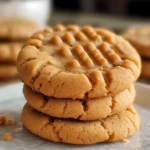
- Create the Signature Criss-Cross: Take a fork and gently press it onto the top of a cookie dough ball to flatten it slightly. Then, rotate the fork 90 degrees and press again to create the classic criss-cross pattern. This pattern isn’t just for show; it gently flattens the dense dough, helping it to bake more evenly. Dip the fork in a small bowl of granulated sugar between presses to prevent it from sticking to the dough.
- Bake to Perfection: Place the baking sheets in the preheated oven. Bake for 10-12 minutes. The secret to a soft cookie is to slightly underbake it. The cookies are done when the edges are set and lightly golden brown, but the centers still look soft and slightly puffy. They might look a little underdone in the middle, but that is exactly what you want.
- Cooling Process: Remove the baking sheets from the oven. Let the cookies cool on the hot baking sheets for 5-7 minutes. During this time, they will continue to cook from the residual heat (this is called carryover cooking) and will firm up enough to be moved. After 5-7 minutes, carefully transfer the cookies to a wire rack to cool completely. They will be delicate at first but will become firm yet chewy as they cool.
Nutrition
- Serving Size: one normal portion
- Calories: 155
- Fat: 9g
- Protein: 3g