
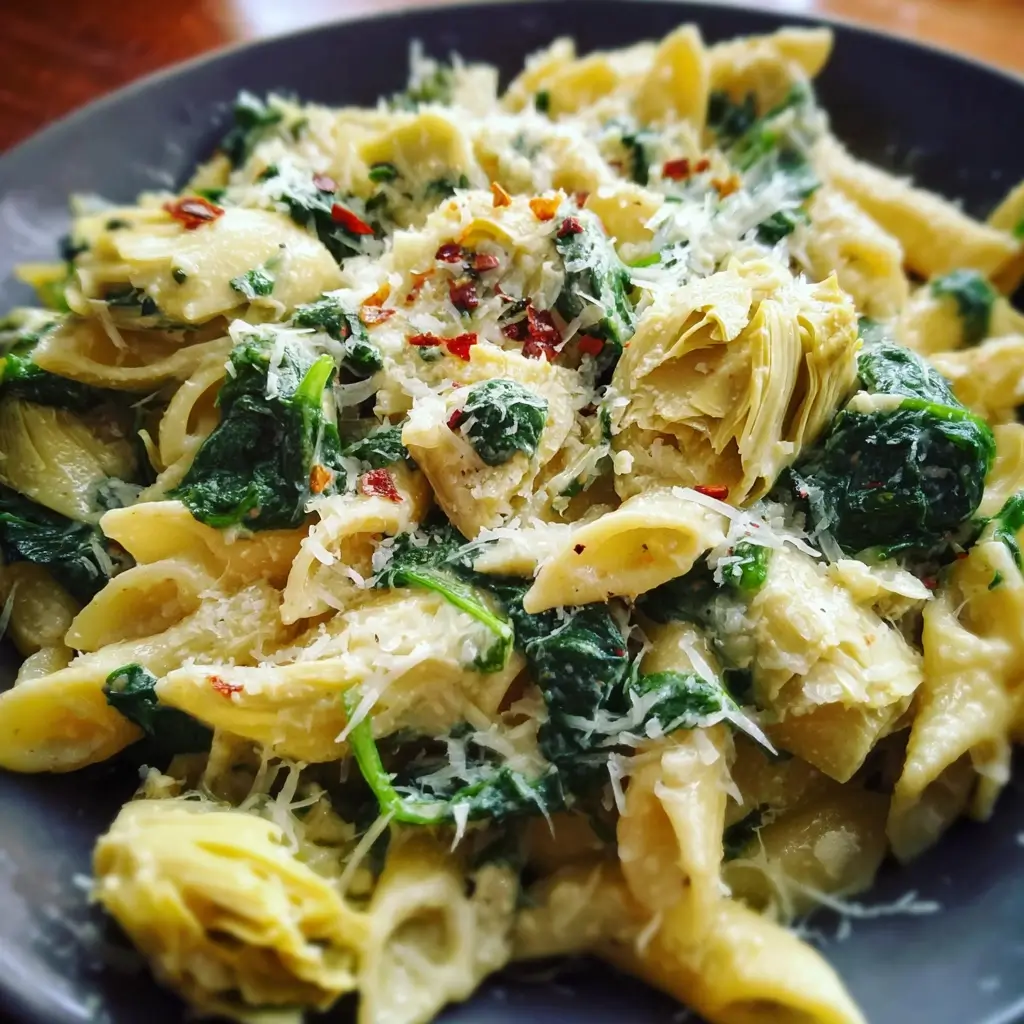
Of all the comfort foods that grace our dinner table, this Spinach Artichoke Vegetarian Pasta holds a truly special place in our hearts. I first made it on a whim, trying to transform our family’s favorite party dip into a substantial weeknight meal. I was skeptical, wondering if the magic of that creamy, cheesy dip could translate into a satisfying main course. The result was nothing short of a culinary revelation. The moment the rich, velvety sauce coated the pasta, filling the kitchen with an aroma of garlic and melted cheese, I knew I was onto something. My husband, usually a staunch meat-and-potatoes man, went back for a second helping without a word, a rare and telling compliment. My kids, who often view green vegetables with suspicion, devoured every last bite, completely won over by the creamy sauce and tender artichoke hearts. It has since become our go-to recipe for busy weeknights when we crave something indulgent yet wholesome, for cozy Sunday dinners, and even for when we have guests over. It’s a dish that feels sophisticated and luxurious but is deceptively simple to prepare. This recipe isn’t just about food; it’s about creating a moment of pure comfort and shared enjoyment, proving that a vegetarian meal can be the most satisfying and celebrated dish of the week.
Ingredients for Creamy Spinach Artichoke Vegetarian Pasta
Here is everything you’ll need to create this incredibly luscious and flavorful pasta dish. Each ingredient plays a crucial role in building the layers of flavor and texture that make this recipe a standout.
- Pasta: 1 lb (450g) of your favorite pasta shape. Rigatoni, penne, or fusilli work wonderfully as their ridges and tubes are perfect for catching the creamy sauce.
- Olive Oil: 2 tablespoons. Used for sautéing the aromatics and building the base flavor of the sauce.
- Yellow Onion: 1 medium, finely chopped. Provides a sweet, aromatic foundation for the sauce.
- Garlic: 4-6 cloves, minced. Don’t be shy with the garlic; it’s a key flavor component that complements the spinach and artichoke.
- Canned Artichoke Hearts: 1 can (14 oz / 400g), drained and roughly chopped. Be sure to use artichoke hearts packed in water or brine, not marinated in oil, to control the flavor profile.
- Fresh Spinach: 5 oz (150g), fresh baby spinach. It will look like a lot, but it wilts down significantly, adding beautiful color, nutrients, and an earthy flavor.
- Cream Cheese: 8 oz (225g), softened and cubed. This is the secret to the ultra-creamy, tangy sauce. Full-fat cream cheese will yield the richest result.
- Vegetable Broth: 1 cup (240ml). Used to thin the sauce to the perfect consistency and add a layer of savory depth.
- Heavy Cream: ½ cup (120ml). Adds a luxurious richness and velvety texture to the sauce that is simply unparalleled.
- Parmesan Cheese: ½ cup (50g), freshly grated, plus more for serving. Provides a nutty, salty flavor that cuts through the richness of the cream.
- Mozzarella Cheese: ½ cup (50g), shredded. Melts beautifully into the sauce, creating those delightful, cheesy pulls.
- Red Pepper Flakes: ¼ teaspoon, or to taste. Adds a gentle warmth and a subtle kick to balance the creamy flavors.
- Salt and Black Pepper: To taste. Essential for seasoning every layer of the dish, from the pasta water to the final sauce.
Step-by-Step Instructions
Follow these detailed steps to ensure your pasta comes out perfectly every single time. The key is to build the sauce while the pasta is cooking for a seamless and efficient process.
- Cook the Pasta: Bring a large pot of heavily salted water to a rolling boil. Add the pasta and cook according to package directions until it is al dente (firm to the bite). Before draining, carefully reserve about 2 cups of the starchy pasta water. This water is liquid gold and will be used to adjust the consistency of your sauce later. Drain the pasta and set it aside.
- Sauté the Aromatics: While the pasta is cooking, heat the olive oil in a large skillet or Dutch oven over medium heat. Add the finely chopped onion and cook, stirring occasionally, for about 5-7 minutes, or until the onion is soft, translucent, and fragrant.
- Add Garlic and Artichokes: Add the minced garlic and the chopped artichoke hearts to the skillet. Sauté for another 1-2 minutes, until the garlic is fragrant. Be careful not to let the garlic burn, as it can become bitter. Stir in the red pepper flakes during this step to bloom their flavor in the oil.
- Wilt the Spinach: Add the fresh baby spinach to the skillet in batches. It will seem like a huge amount, but it will wilt down quickly. Stir continuously until all the spinach has wilted and reduced in volume, which should take about 2-3 minutes.
- Build the Creamy Sauce Base: Reduce the heat to low. Add the cubed cream cheese and the vegetable broth to the skillet. Stir gently and constantly until the cream cheese has completely melted into the broth, forming a smooth, creamy base. This step requires a little patience to ensure there are no lumps.
- Incorporate Cheeses and Cream: Once the cream cheese has melted, pour in the heavy cream and sprinkle in the grated Parmesan and shredded mozzarella cheese. Continue to stir over low heat until all the cheeses are melted and the sauce is smooth, velvety, and well-combined. Avoid letting the sauce come to a boil, as this can cause the dairy to separate.
- Season and Combine: Taste the sauce and season generously with salt and black pepper. Remember that the pasta water and Parmesan cheese are already salty, so taste before you add too much salt. Add the cooked pasta to the skillet with the sauce.
- Emulsify and Finish: Toss the pasta and sauce together until every piece of pasta is evenly coated in the creamy mixture. If the sauce seems too thick, add a splash of the reserved pasta water, a little at a time, until it reaches your desired consistency. The starch in the pasta water will help the sauce cling to the pasta beautifully.
- Serve Immediately: Serve the spinach artichoke vegetarian pasta hot, garnished with a generous sprinkle of extra Parmesan cheese, a pinch of red pepper flakes, or some fresh parsley if desired.
Nutrition Facts
This nutritional information is an estimate and can vary based on the specific ingredients and brands you use.
- Servings: 6-8 servings
- Calories per Serving: Approximately 550-650 kcal
- Protein: This dish provides a good source of vegetarian protein, primarily from the cheese and pasta, which is essential for muscle repair and overall body function.
- Fiber: Thanks to the generous amount of spinach and artichoke hearts, this pasta is rich in dietary fiber, which aids in digestion and helps you feel full and satisfied.
- Calcium: The combination of cream cheese, heavy cream, Parmesan, and mozzarella makes this a calcium-rich meal, vital for strong bones and teeth.
- Iron: Spinach is a well-known source of iron, an essential mineral for carrying oxygen in the blood and preventing fatigue.
- Healthy Fats: While indulgent, the dish contains fats from olive oil and dairy, which are necessary for hormone production and absorbing fat-soluble vitamins.
Preparation Time
This recipe is designed to be a quick and efficient meal, perfect for a weeknight dinner that feels like a weekend treat.
- Prep Time: 10 minutes (chopping onion, garlic, and artichokes)
- Cook Time: 20 minutes (boiling pasta and making the sauce simultaneously)
- Total Time: Approximately 30 minutes
This timeline makes it an ideal candidate for those evenings when you’re short on time but unwilling to compromise on a delicious, home-cooked meal.
How to Serve Your Spinach Artichoke Pasta
Serving this pasta is all about enhancing its comforting and delicious nature. Here are a few ways to present it to make your meal even more special.
- Classic and Simple:
- Serve it hot, directly from the skillet into warm pasta bowls. This ensures the sauce stays creamy and the cheese stays melty.
- A final, generous grating of Parmesan cheese right at the table is non-negotiable.
- Offer a peppermill for freshly cracked black pepper.
- Elevated Garnishes:
- Fresh Herbs: A sprinkle of finely chopped fresh parsley or chives adds a burst of freshness and color that cuts through the richness.
- Lemon Zest: The zest of half a lemon grated over the top before serving can brighten the entire dish, adding a fragrant citrus note that complements the artichokes beautifully.
- Toasted Breadcrumbs: For a delightful textural contrast, toast some panko breadcrumbs in a dry skillet until golden brown and sprinkle them over the pasta for a crunchy topping.
- Perfect Side Dishes:
- Crusty Garlic Bread: An absolute must for soaking up any leftover creamy sauce in the bowl.
- Simple Green Salad: A light, crisp salad with a simple lemon-dijon vinaigrette provides a refreshing contrast to the rich pasta. Think arugula, mixed greens, and cherry tomatoes.
- Roasted Vegetables: A side of roasted broccoli, asparagus, or cherry tomatoes can add another layer of flavor and nutrition to the meal.
- Wine Pairing:
- Pair this dish with a crisp, dry white wine with good acidity, such as a Sauvignon Blanc or a Pinot Grigio. The acidity in the wine will cut through the creaminess of the sauce and cleanse the palate between bites.
Additional Tips for Pasta Perfection
Take your Spinach Artichoke Pasta from great to absolutely unforgettable with these eight expert tips.
- Master the Pasta Water: Do not underestimate the power of starchy pasta water. It’s the key to a restaurant-quality sauce. The starch released from the pasta acts as an emulsifier, helping the fat from the cheese and cream bind with the liquid, creating a sauce that clings to the pasta instead of pooling at the bottom of the bowl. Always reserve more than you think you’ll need.
- Choose the Right Pasta Shape: The shape of your pasta matters. For a thick, creamy sauce like this, you want a pasta with plenty of surface area and nooks to trap the sauce. Rigatoni, penne, cavatappi, fusilli, and even large shells (conchiglie) are excellent choices. They act as little vehicles for the delicious sauce.
- Fresh is Best, But Frozen Works: While the recipe calls for fresh spinach, you can easily substitute frozen spinach. Be sure to thaw it completely and squeeze out as much excess water as possible before adding it to the skillet. Excess water can make your sauce thin and watery. A 10-ounce package of frozen spinach is a good substitute for 5 ounces of fresh.
- Unlock More Flavor from Your Artichokes: For an extra layer of flavor, you can pan-sear your chopped artichoke hearts before adding the other ingredients. Heat a little olive oil, add the drained and dried artichokes in a single layer, and cook without stirring for a few minutes until they get some nice golden-brown caramelization on one side. This adds a nutty, roasted depth.
- Don’t Rush the Cheese: When adding the cream cheese, Parmesan, and mozzarella, ensure your heat is on low. Adding cheese to a liquid that is too hot or boiling can cause the proteins to seize up and the sauce to become grainy or oily. Low and slow is the secret to a perfectly smooth, emulsified cheese sauce.
- A Hint of Nutmeg: For a classic flavor pairing that chefs often use in cream sauces, add a tiny pinch of freshly grated nutmeg to the sauce along with the salt and pepper. It’s a secret weapon that enhances the creamy, cheesy flavors without being overpowering.
- Brighten it Up with Acid: A rich, creamy sauce always benefits from a touch of acidity to cut through the fat and brighten the flavors. A squeeze of fresh lemon juice stirred into the sauce right at the very end (off the heat) can elevate the entire dish, making the flavors pop.
- Get Your Cream Cheese to Room Temperature: Using softened, room-temperature cream cheese is crucial. Cold cream cheese will be lumpy and much harder to melt smoothly into the sauce. If you forget to take it out ahead of time, you can unwrap it and microwave it in 10-second intervals until it’s soft to the touch.
Frequently Asked Questions (FAQ)
Here are answers to some of the most common questions about making this delicious vegetarian pasta dish.
Q1: Can I make this recipe vegan?
A: Absolutely! This recipe is very adaptable for a vegan diet. Use a high-quality vegan cream cheese (brands made from cashews or almonds work well), your favorite plant-based milk (unsweetened almond or soy) instead of heavy cream, and substitute nutritional yeast or a vegan Parmesan alternative for the cheese. Also, ensure your vegetable broth is certified vegan. The results are just as creamy and delicious.
Q2: How can I make this dish gluten-free?
A: Making this recipe gluten-free is very simple. Just substitute the regular pasta with your favorite brand of gluten-free pasta. Brands made from corn, rice, quinoa, or chickpeas all work well. Cook the gluten-free pasta according to its specific package directions, as cooking times can vary significantly from wheat-based pasta.
Q3: What is the best way to store and reheat leftovers?
A: Store any leftover pasta in an airtight container in the refrigerator for up to 3-4 days. Cream-based sauces can thicken and congeal when chilled. The best way to reheat it is gently on the stovetop in a skillet over low heat. Add a splash of milk, cream, or vegetable broth to the pasta to help loosen the sauce and restore its creamy consistency as it warms up. Microwaving can work in a pinch, but it may cause the sauce to become oily.
Q4: Can I freeze this spinach artichoke pasta?
A: While you technically can freeze it, I generally advise against freezing pasta dishes with dairy-based cream sauces. The cream and cheese can separate during the freezing and thawing process, resulting in a grainy or watery texture. For the best results, if you want to prep ahead, you can make the sauce, freeze it on its own, and then thaw and reheat it before tossing it with freshly cooked pasta.
Q5: Can I add extra protein to this dish?
A: Yes, this dish is a fantastic base for added protein. To keep it vegetarian, consider stirring in a can of drained and rinsed white beans (cannellini) or chickpeas along with the pasta. For non-vegetarians, this pasta is absolutely incredible with grilled chicken breast, sautéed shrimp, or even some flaky salmon mixed in.
Q6: My sauce turned out too thick (or too thin). How can I fix it?
A: This is a common and easily fixable issue. If your sauce is too thick, simply stir in some of that reserved starchy pasta water, a tablespoon at a time, until it reaches your desired consistency. If your sauce is too thin, let it simmer gently over low heat for a few more minutes to reduce and thicken. You can also add a bit more grated Parmesan cheese, which will help thicken it up as well.
Q7: Can I make this dish ahead of time for a party?
A: Yes, you can prep components ahead of time to make assembly easier. You can make the entire sauce up to two days in advance and store it in an airtight container in the fridge. When you’re ready to serve, gently reheat the sauce on the stove while you cook the pasta. Then, combine the fresh, hot pasta with the reheated sauce just before serving for the best texture.
Q8: What other vegetables would work well in this pasta?
A: This recipe is very versatile. Feel free to add other vegetables to boost the nutrition and flavor. Sautéed mushrooms, sun-dried tomatoes (packed in oil, drained), roasted red peppers, or even chopped kale (added with the spinach) would all be delicious additions. It’s a great way to use up any vegetables you have in your fridge.

Spinach Artichoke Vegetarian Pasta
Ingredients
Here is everything you’ll need to create this incredibly luscious and flavorful pasta dish. Each ingredient plays a crucial role in building the layers of flavor and texture that make this recipe a standout.
- Pasta: 1 lb (450g) of your favorite pasta shape. Rigatoni, penne, or fusilli work wonderfully as their ridges and tubes are perfect for catching the creamy sauce.
- Olive Oil: 2 tablespoons. Used for sautéing the aromatics and building the base flavor of the sauce.
- Yellow Onion: 1 medium, finely chopped. Provides a sweet, aromatic foundation for the sauce.
- Garlic: 4-6 cloves, minced. Don’t be shy with the garlic; it’s a key flavor component that complements the spinach and artichoke.
- Canned Artichoke Hearts: 1 can (14 oz / 400g), drained and roughly chopped. Be sure to use artichoke hearts packed in water or brine, not marinated in oil, to control the flavor profile.
- Fresh Spinach: 5 oz (150g), fresh baby spinach. It will look like a lot, but it wilts down significantly, adding beautiful color, nutrients, and an earthy flavor.
- Cream Cheese: 8 oz (225g), softened and cubed. This is the secret to the ultra-creamy, tangy sauce. Full-fat cream cheese will yield the richest result.
- Vegetable Broth: 1 cup (240ml). Used to thin the sauce to the perfect consistency and add a layer of savory depth.
- Heavy Cream: ½ cup (120ml). Adds a luxurious richness and velvety texture to the sauce that is simply unparalleled.
- Parmesan Cheese: ½ cup (50g), freshly grated, plus more for serving. Provides a nutty, salty flavor that cuts through the richness of the cream.
- Mozzarella Cheese: ½ cup (50g), shredded. Melts beautifully into the sauce, creating those delightful, cheesy pulls.
- Red Pepper Flakes: ¼ teaspoon, or to taste. Adds a gentle warmth and a subtle kick to balance the creamy flavors.
- Salt and Black Pepper: To taste. Essential for seasoning every layer of the dish, from the pasta water to the final sauce.
Instructions
Follow these detailed steps to ensure your pasta comes out perfectly every single time. The key is to build the sauce while the pasta is cooking for a seamless and efficient process.
- Cook the Pasta: Bring a large pot of heavily salted water to a rolling boil. Add the pasta and cook according to package directions until it is al dente (firm to the bite). Before draining, carefully reserve about 2 cups of the starchy pasta water. This water is liquid gold and will be used to adjust the consistency of your sauce later. Drain the pasta and set it aside.
- Sauté the Aromatics: While the pasta is cooking, heat the olive oil in a large skillet or Dutch oven over medium heat. Add the finely chopped onion and cook, stirring occasionally, for about 5-7 minutes, or until the onion is soft, translucent, and fragrant.
- Add Garlic and Artichokes: Add the minced garlic and the chopped artichoke hearts to the skillet. Sauté for another 1-2 minutes, until the garlic is fragrant. Be careful not to let the garlic burn, as it can become bitter. Stir in the red pepper flakes during this step to bloom their flavor in the oil.
- Wilt the Spinach: Add the fresh baby spinach to the skillet in batches. It will seem like a huge amount, but it will wilt down quickly. Stir continuously until all the spinach has wilted and reduced in volume, which should take about 2-3 minutes.
- Build the Creamy Sauce Base: Reduce the heat to low. Add the cubed cream cheese and the vegetable broth to the skillet. Stir gently and constantly until the cream cheese has completely melted into the broth, forming a smooth, creamy base. This step requires a little patience to ensure there are no lumps.
- Incorporate Cheeses and Cream: Once the cream cheese has melted, pour in the heavy cream and sprinkle in the grated Parmesan and shredded mozzarella cheese. Continue to stir over low heat until all the cheeses are melted and the sauce is smooth, velvety, and well-combined. Avoid letting the sauce come to a boil, as this can cause the dairy to separate.
- Season and Combine: Taste the sauce and season generously with salt and black pepper. Remember that the pasta water and Parmesan cheese are already salty, so taste before you add too much salt. Add the cooked pasta to the skillet with the sauce.
- Emulsify and Finish: Toss the pasta and sauce together until every piece of pasta is evenly coated in the creamy mixture. If the sauce seems too thick, add a splash of the reserved pasta water, a little at a time, until it reaches your desired consistency. The starch in the pasta water will help the sauce cling to the pasta beautifully.
- Serve Immediately: Serve the spinach artichoke vegetarian pasta hot, garnished with a generous sprinkle of extra Parmesan cheese, a pinch of red pepper flakes, or some fresh parsley if desired.
Nutrition
- Serving Size: one normal portion
- Calories: 650