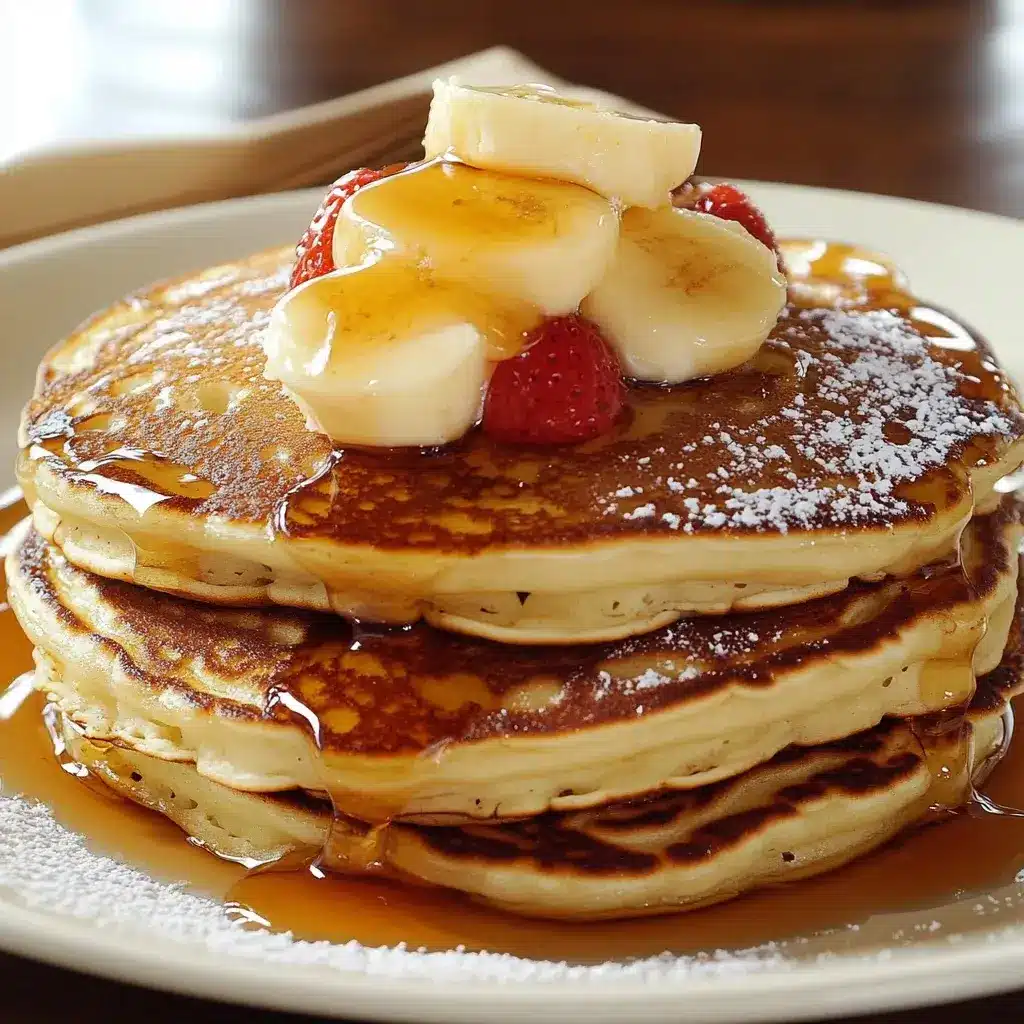
There’s something undeniably comforting and joyful about a stack of warm, fluffy pancakes drenched in butter and syrup on a weekend morning. For years, my family breakfast routine felt incomplete without them. We’ve tried countless recipes, searching for that perfect balance of sweetness, tenderness, and that melt-in-your-mouth buttery goodness. After much experimentation and tweaking, I finally landed on this recipe – the one that consistently earns rave reviews and empty plates. These aren’t just any pancakes; they are sweet & buttery pancakes in their purest form. The aroma alone, as they sizzle on the griddle, is enough to draw everyone to the kitchen, eager for a taste of golden perfection. Trust me, once you try these, you’ll understand why they’ve become a beloved staple in our home and why I’m so excited to share them with you. Get ready for a pancake experience that’s truly unforgettable!
Ingredients
- 2 cups all-purpose flour
- 2 tablespoons granulated sugar
- 2 teaspoons baking powder
- 1 teaspoon baking soda
- ½ teaspoon salt
- 2 large eggs
- 1 ¾ cups buttermilk (or 1 ¾ cups milk + 1 ¾ tablespoons lemon juice or white vinegar)
- ¼ cup unsalted butter, melted and slightly cooled
- 1 teaspoon vanilla extract
- Additional unsalted butter, for cooking
Detailed Ingredient Breakdown and Why They Matter
Let’s delve a little deeper into each ingredient and understand why they are crucial for achieving those perfect sweet and buttery pancakes:
- All-Purpose Flour (2 cups): The foundation of our pancakes. All-purpose flour provides the structure and body. It’s important to measure the flour correctly – spoon it into your measuring cup and level it off with a knife. Scooping directly from the bag can pack the flour and result in denser pancakes. For a slightly different texture, you could experiment with substituting a portion of all-purpose flour with whole wheat flour for a nuttier flavor and added fiber, or cake flour for an even more tender crumb. However, for classic fluffy pancakes, all-purpose flour is the go-to choice.
- Granulated Sugar (2 tablespoons): This is where the “sweet” in “sweet & buttery” truly begins. Sugar not only adds sweetness but also contributes to the golden-brown color and tender texture of the pancakes. Two tablespoons provide a subtle sweetness that complements the buttery flavor without being overpowering. You can adjust the sugar slightly to your preference, but be mindful that too much sugar can make the pancakes too dense and prone to burning. If you prefer a less sweet pancake, you can reduce it to 1 tablespoon, or for a slightly sweeter treat, increase to 3 tablespoons.
- Baking Powder (2 teaspoons) & Baking Soda (1 teaspoon): These are our leavening agents – the magic behind the fluffiness! Baking powder is a double-acting leavening agent, meaning it reacts twice: once when mixed with liquid and again when heated. Baking soda, on the other hand, requires an acidic ingredient to activate. In this recipe, buttermilk provides the acidity for the baking soda, while baking powder gives an extra lift. Using both ensures a light and airy texture. Always check the expiration dates on your baking powder and baking soda to ensure they are still active for optimal results. Old leavening agents can lead to flat pancakes.
- Salt (½ teaspoon): Don’t underestimate the power of salt in sweet recipes! A pinch of salt enhances the flavors of all the other ingredients, balancing the sweetness and butteriness. It prevents the pancakes from tasting flat or one-dimensional. Use regular table salt or fine sea salt for this recipe.
- Large Eggs (2): Eggs play a multifaceted role in pancakes. They contribute to richness, structure, and binding. The yolks add fat and flavor, while the egg whites provide protein that helps to create a light and airy texture. Using large eggs ensures the right balance of liquid and solids in the batter. Make sure your eggs are fresh for the best results.
- Buttermilk (1 ¾ cups): Buttermilk is the secret weapon for incredibly tender and flavorful pancakes. Its acidity reacts with baking soda, creating carbon dioxide bubbles that make the pancakes light and fluffy. Buttermilk also adds a subtle tanginess that balances the sweetness and richness. If you don’t have buttermilk on hand, you can easily make a substitute by combining 1 ¾ cups of milk with 1 ¾ tablespoons of lemon juice or white vinegar. Let it sit for 5-10 minutes to thicken and curdle slightly before using. While this substitution works well, real buttermilk will always provide the best flavor and texture.
- Unsalted Butter, Melted and Slightly Cooled (¼ cup): Ah, the “buttery” element! Melted butter not only adds richness and flavor but also helps to create tender and moist pancakes. Using unsalted butter allows you to control the salt content in the recipe. Melt the butter and let it cool slightly before adding it to the batter. Hot butter can partially cook the eggs and affect the texture of the pancakes. For an even richer buttery flavor, you can brown the butter slightly before adding it to the batter. Just be careful not to burn it!
- Vanilla Extract (1 teaspoon): Vanilla extract enhances the overall flavor profile, adding a touch of warmth and depth. It complements the sweetness and butteriness beautifully. Use pure vanilla extract for the best flavor, or you can experiment with other extracts like almond or maple for a different twist.
- Additional Unsalted Butter, for Cooking: Don’t skimp on the butter for cooking! Butter in the pan or on the griddle is essential for achieving those golden-brown, crispy edges and preventing the pancakes from sticking. It also adds another layer of buttery flavor that elevates the entire pancake experience. You can also use clarified butter or ghee, which have a higher smoke point and won’t burn as easily as regular butter.
Instructions
- Combine Dry Ingredients: In a large bowl, whisk together the flour, sugar, baking powder, baking soda, and salt. Ensure all the dry ingredients are evenly distributed for consistent leavening and flavor throughout the pancakes. Whisking also helps to aerate the flour, which contributes to lighter pancakes.
- Whisk Wet Ingredients: In a separate medium bowl, whisk together the eggs, buttermilk, melted and cooled butter, and vanilla extract. Whisk until the eggs are well combined and the mixture is smooth. Don’t over-whisk at this stage, just ensure everything is incorporated.
- Combine Wet and Dry Ingredients (Gently!): Pour the wet ingredients into the bowl with the dry ingredients. Using a rubber spatula or wooden spoon, gently fold the wet and dry ingredients together until just combined. This is the most crucial step for fluffy pancakes: DO NOT OVERMIX! A few lumps are perfectly fine and even desirable. Overmixing develops the gluten in the flour, resulting in tough, chewy pancakes instead of light and fluffy ones. Stop mixing as soon as the dry ingredients are mostly moistened.
- Preheat Griddle or Pan: Heat a lightly oiled griddle or large non-stick skillet over medium heat. The ideal temperature is when a drop of water sizzles and evaporates quickly but doesn’t immediately splatter. If you have an electric griddle, set it to around 350°F (175°C). Properly preheating the griddle is essential for even cooking and beautiful golden-brown pancakes.
- Cook Pancakes: Once the griddle is hot, lightly grease it with butter for each batch of pancakes. Pour ¼ cup of batter onto the hot griddle for each pancake. Use a measuring cup or ladle to ensure consistent size.
- Flip When Bubbles Form: Cook for 2-3 minutes per side, or until golden brown and bubbles start to form on the surface and the edges look set. This is your cue to flip! Gently flip the pancakes with a spatula.
- Cook Second Side: Cook the second side for another 1-2 minutes, or until golden brown and cooked through. You can gently press the center of a pancake with your spatula – it should spring back slightly and not feel doughy.
- Keep Warm (Optional): If you’re making a large batch, keep the cooked pancakes warm in a 200°F (95°C) oven on a wire rack placed over a baking sheet while you cook the remaining batter. This prevents them from getting soggy.
- Serve Immediately: Serve your sweet and buttery pancakes immediately while they are warm and fluffy. Top with your favorite toppings and enjoy!
Nutrition Facts (Estimated)
(Per Serving – based on approximately 3 pancakes per serving, recipe makes about 12-15 pancakes)
- Servings: 4-5
- Calories per serving: Approximately 450-550 calories (This is an estimate and can vary depending on serving size and toppings)
Approximate Breakdown per serving:
- Protein: 10-12g
- Fat: 20-25g (primarily from butter and eggs)
- Saturated Fat: 12-15g
- Cholesterol: 150-180mg
- Sodium: 500-600mg
- Carbohydrates: 50-60g
- Fiber: 2-3g
- Sugar: 10-12g
Important Note: These are estimated values and can vary based on specific ingredients used, serving sizes, and toppings. For precise nutritional information, use a nutrition calculator with the specific brands and quantities of ingredients you use. Consider that toppings like syrup, butter, fruit, and whipped cream will significantly increase the calorie and sugar content.
Preparation Time
- Prep Time: 15 minutes (includes measuring ingredients and mixing batter)
- Cook Time: 20-25 minutes (depending on batch size and griddle efficiency)
- Total Time: 35-40 minutes
How to Serve Your Sweet & Buttery Pancakes
The beauty of pancakes is their versatility! Here are some delicious ways to serve your sweet and buttery creations, catering to various tastes and preferences:
- Classic Sweet Toppings:
- Maple Syrup: The quintessential pancake topping! Use pure maple syrup for the best flavor.
- Butter: A generous pat of butter melting over warm pancakes is simply divine.
- Powdered Sugar: A light dusting of powdered sugar adds a touch of elegance and sweetness.
- Honey: A natural and flavorful alternative to syrup.
- Fruit Preserves or Jams: Strawberry, raspberry, blueberry, or any fruit preserve you love.
- Whipped Cream: Homemade whipped cream is a decadent and delightful addition.
- Fruity & Fresh Toppings:
- Fresh Berries: Strawberries, blueberries, raspberries, blackberries – a burst of freshness and antioxidants.
- Sliced Bananas: Classic and satisfying.
- Peaches or Nectarines: Grilled or fresh slices for a summery touch.
- Apple Slices: Sautéed apple slices with cinnamon and a touch of butter.
- Compote: Homemade fruit compote (like berry or apple compote) adds a warm and flavorful element.
- Decadent & Indulgent Toppings:
- Chocolate Syrup or Sauce: For the chocolate lovers!
- Nutella or Chocolate Hazelnut Spread: A rich and creamy treat.
- Peanut Butter or Other Nut Butters: Adds protein and a nutty flavor.
- Caramel Sauce: Homemade or store-bought caramel sauce for extra sweetness.
- Ice Cream: A scoop of vanilla, chocolate, or even coffee ice cream for a pancake sundae!
- Chopped Nuts: Walnuts, pecans, almonds, or hazelnuts for added texture and flavor.
- Savory Twists (Believe it or not!):
- Fried Egg: Top with a fried egg for a breakfast-for-dinner option.
- Bacon or Sausage: Crispy bacon or savory sausage alongside your pancakes.
- Cheese: Shredded cheddar or Monterey Jack cheese melted over the pancakes.
- Avocado: Sliced avocado and a sprinkle of everything bagel seasoning for a unique savory pancake experience.
- Drinks to Pair With:
- Coffee: Classic coffee, latte, cappuccino – the perfect caffeine kick with pancakes.
- Tea: Black tea, green tea, herbal tea – a soothing and comforting pairing.
- Orange Juice: Freshly squeezed orange juice for a vitamin C boost.
- Milk: Cold milk or chocolate milk for a kid-friendly option.
- Mimosa or Bellini: For a brunch celebration!
Additional Tips for Perfect Sweet & Buttery Pancakes
- Don’t Overmix the Batter (Seriously!): We can’t stress this enough! Overmixing is the number one pancake mistake. A lumpy batter is perfectly fine and will result in tender pancakes. Overmixing develops gluten, leading to tough and rubbery pancakes.
- Let the Batter Rest (Briefly): After mixing the batter, let it rest for 5-10 minutes before cooking. This allows the gluten to relax and the leavening agents to fully activate, resulting in fluffier pancakes.
- Use Medium Heat: Cooking pancakes over medium heat ensures they cook through evenly and become golden brown without burning on the outside. If the heat is too high, the outside will burn before the inside is cooked. If the heat is too low, they will be pale and potentially dry.
- Test the Griddle Temperature: Before cooking a whole batch, test the griddle temperature by cooking a small “test pancake.” This will help you adjust the heat if needed and ensure your pancakes cook perfectly.
- Don’t Press Down on Pancakes While Cooking: Resist the urge to press down on the pancakes with your spatula while they are cooking. This will deflate them and make them denser. Let them cook undisturbed until bubbles form and they are ready to flip.
FAQ Section: Your Pancake Questions Answered
Q1: Can I make the batter ahead of time?
A: While it’s best to cook pancake batter fresh for optimal fluffiness, you can prepare the dry and wet ingredients separately ahead of time. Store the dry ingredients in an airtight container and the wet ingredients (except melted butter) in a separate container in the refrigerator. When you’re ready to cook, combine the wet and dry ingredients, add the melted butter, and proceed with the recipe. However, avoid making the fully mixed batter too far in advance, as the leavening agents will start to lose their effectiveness over time.
Q2: Can I use milk instead of buttermilk?
A: Yes, you can substitute milk for buttermilk. For every 1 cup of buttermilk, use 1 cup of milk plus 1 tablespoon of lemon juice or white vinegar. Stir and let it sit for 5-10 minutes to thicken slightly before using. While this is a good substitute, real buttermilk will provide a richer flavor and slightly tangier taste, contributing to the best pancake texture.
Q3: How do I store leftover pancakes?
A: Let leftover pancakes cool completely, then store them in an airtight container in the refrigerator for up to 3 days. For longer storage, you can freeze them. Place cooled pancakes in a single layer on a baking sheet lined with parchment paper and freeze for about 1 hour, or until solid. Then, transfer them to a freezer-safe bag or container, separating layers with parchment paper to prevent sticking. Frozen pancakes can be stored for up to 2-3 months.
Q4: How do I reheat leftover pancakes?
A: There are several ways to reheat leftover pancakes:
* Microwave: Microwave pancakes for 15-30 seconds per pancake until heated through. They might become slightly softer in the microwave.
* Toaster: Toast pancakes in a toaster or toaster oven until warmed and slightly crispy. This is a great way to revive their texture.
* Oven: Preheat your oven to 350°F (175°C). Place pancakes on a baking sheet and bake for 5-10 minutes, or until heated through.
* Skillet/Griddle: Reheat pancakes in a lightly buttered skillet or griddle over medium-low heat for a few minutes per side until warmed through.
Q5: Can I add flavor variations to this pancake recipe?
A: Absolutely! This recipe is a fantastic base for flavor variations. Here are a few ideas:
* Blueberry Pancakes: Gently fold in 1 cup of fresh or frozen blueberries into the batter before cooking.
* Chocolate Chip Pancakes: Stir in ½ to 1 cup of chocolate chips (semi-sweet, milk chocolate, or dark chocolate) into the batter.
* Cinnamon Pancakes: Add 1-2 teaspoons of ground cinnamon to the dry ingredients.
* Banana Pancakes: Mash 1 ripe banana and whisk it into the wet ingredients.
* Lemon Ricotta Pancakes: Add ¼ cup of ricotta cheese and the zest of 1 lemon to the wet ingredients.

Sweet & Buttery Pancakes
Ingredients
- 2 cups all-purpose flour
- 2 tablespoons granulated sugar
- 2 teaspoons baking powder
- 1 teaspoon baking soda
- ½ teaspoon salt
- 2 large eggs
- 1 ¾ cups buttermilk (or 1 ¾ cups milk + 1 ¾ tablespoons lemon juice or white vinegar)
- ¼ cup unsalted butter, melted and slightly cooled
- 1 teaspoon vanilla extract
- Additional unsalted butter, for cooking
Detailed Ingredient Breakdown and Why They Matter
Let’s delve a little deeper into each ingredient and understand why they are crucial for achieving those perfect sweet and buttery pancakes:
- All-Purpose Flour (2 cups): The foundation of our pancakes. All-purpose flour provides the structure and body. It’s important to measure the flour correctly – spoon it into your measuring cup and level it off with a knife. Scooping directly from the bag can pack the flour and result in denser pancakes. For a slightly different texture, you could experiment with substituting a portion of all-purpose flour with whole wheat flour for a nuttier flavor and added fiber, or cake flour for an even more tender crumb. However, for classic fluffy pancakes, all-purpose flour is the go-to choice.
- Granulated Sugar (2 tablespoons): This is where the “sweet” in “sweet & buttery” truly begins. Sugar not only adds sweetness but also contributes to the golden-brown color and tender texture of the pancakes. Two tablespoons provide a subtle sweetness that complements the buttery flavor without being overpowering. You can adjust the sugar slightly to your preference, but be mindful that too much sugar can make the pancakes too dense and prone to burning. If you prefer a less sweet pancake, you can reduce it to 1 tablespoon, or for a slightly sweeter treat, increase to 3 tablespoons.
- Baking Powder (2 teaspoons) & Baking Soda (1 teaspoon): These are our leavening agents – the magic behind the fluffiness! Baking powder is a double-acting leavening agent, meaning it reacts twice: once when mixed with liquid and again when heated. Baking soda, on the other hand, requires an acidic ingredient to activate. In this recipe, buttermilk provides the acidity for the baking soda, while baking powder gives an extra lift. Using both ensures a light and airy texture. Always check the expiration dates on your baking powder and baking soda to ensure they are still active for optimal results. Old leavening agents can lead to flat pancakes.
- Salt (½ teaspoon): Don’t underestimate the power of salt in sweet recipes! A pinch of salt enhances the flavors of all the other ingredients, balancing the sweetness and butteriness. It prevents the pancakes from tasting flat or one-dimensional. Use regular table salt or fine sea salt for this recipe.
- Large Eggs (2): Eggs play a multifaceted role in pancakes. They contribute to richness, structure, and binding. The yolks add fat and flavor, while the egg whites provide protein that helps to create a light and airy texture. Using large eggs ensures the right balance of liquid and solids in the batter. Make sure your eggs are fresh for the best results.
- Buttermilk (1 ¾ cups): Buttermilk is the secret weapon for incredibly tender and flavorful pancakes. Its acidity reacts with baking soda, creating carbon dioxide bubbles that make the pancakes light and fluffy. Buttermilk also adds a subtle tanginess that balances the sweetness and richness. If you don’t have buttermilk on hand, you can easily make a substitute by combining 1 ¾ cups of milk with 1 ¾ tablespoons of lemon juice or white vinegar. Let it sit for 5-10 minutes to thicken and curdle slightly before using. While this substitution works well, real buttermilk will always provide the best flavor and texture.
- Unsalted Butter, Melted and Slightly Cooled (¼ cup): Ah, the “buttery” element! Melted butter not only adds richness and flavor but also helps to create tender and moist pancakes. Using unsalted butter allows you to control the salt content in the recipe. Melt the butter and let it cool slightly before adding it to the batter. Hot butter can partially cook the eggs and affect the texture of the pancakes. For an even richer buttery flavor, you can brown the butter slightly before adding it to the batter. Just be careful not to burn it!
- Vanilla Extract (1 teaspoon): Vanilla extract enhances the overall flavor profile, adding a touch of warmth and depth. It complements the sweetness and butteriness beautifully. Use pure vanilla extract for the best flavor, or you can experiment with other extracts like almond or maple for a different twist.
- Additional Unsalted Butter, for Cooking: Don’t skimp on the butter for cooking! Butter in the pan or on the griddle is essential for achieving those golden-brown, crispy edges and preventing the pancakes from sticking. It also adds another layer of buttery flavor that elevates the entire pancake experience. You can also use clarified butter or ghee, which have a higher smoke point and won’t burn as easily as regular butter.
Instructions
- Combine Dry Ingredients: In a large bowl, whisk together the flour, sugar, baking powder, baking soda, and salt. Ensure all the dry ingredients are evenly distributed for consistent leavening and flavor throughout the pancakes. Whisking also helps to aerate the flour, which contributes to lighter pancakes.
- Whisk Wet Ingredients: In a separate medium bowl, whisk together the eggs, buttermilk, melted and cooled butter, and vanilla extract. Whisk until the eggs are well combined and the mixture is smooth. Don’t over-whisk at this stage, just ensure everything is incorporated.
- Combine Wet and Dry Ingredients (Gently!): Pour the wet ingredients into the bowl with the dry ingredients. Using a rubber spatula or wooden spoon, gently fold the wet and dry ingredients together until just combined. This is the most crucial step for fluffy pancakes: DO NOT OVERMIX! A few lumps are perfectly fine and even desirable. Overmixing develops the gluten in the flour, resulting in tough, chewy pancakes instead of light and fluffy ones. Stop mixing as soon as the dry ingredients are mostly moistened.
- Preheat Griddle or Pan: Heat a lightly oiled griddle or large non-stick skillet over medium heat. The ideal temperature is when a drop of water sizzles and evaporates quickly but doesn’t immediately splatter. If you have an electric griddle, set it to around 350°F (175°C). Properly preheating the griddle is essential for even cooking and beautiful golden-brown pancakes.
- Cook Pancakes: Once the griddle is hot, lightly grease it with butter for each batch of pancakes. Pour ¼ cup of batter onto the hot griddle for each pancake. Use a measuring cup or ladle to ensure consistent size.
- Flip When Bubbles Form: Cook for 2-3 minutes per side, or until golden brown and bubbles start to form on the surface and the edges look set. This is your cue to flip! Gently flip the pancakes with a spatula.
- Cook Second Side: Cook the second side for another 1-2 minutes, or until golden brown and cooked through. You can gently press the center of a pancake with your spatula – it should spring back slightly and not feel doughy.
- Keep Warm (Optional): If you’re making a large batch, keep the cooked pancakes warm in a 200°F (95°C) oven on a wire rack placed over a baking sheet while you cook the remaining batter. This prevents them from getting soggy.
- Serve Immediately: Serve your sweet and buttery pancakes immediately while they are warm and fluffy. Top with your favorite toppings and enjoy!
Nutrition
- Serving Size: one normal portion
- Calories: 550
- Sugar: 12g
- Sodium: 600mg
- Fat: 25g
- Saturated Fat: 15g
- Carbohydrates: 60g
- Fiber: 3g
- Protein: 12g
- Cholesterol: 180mg