
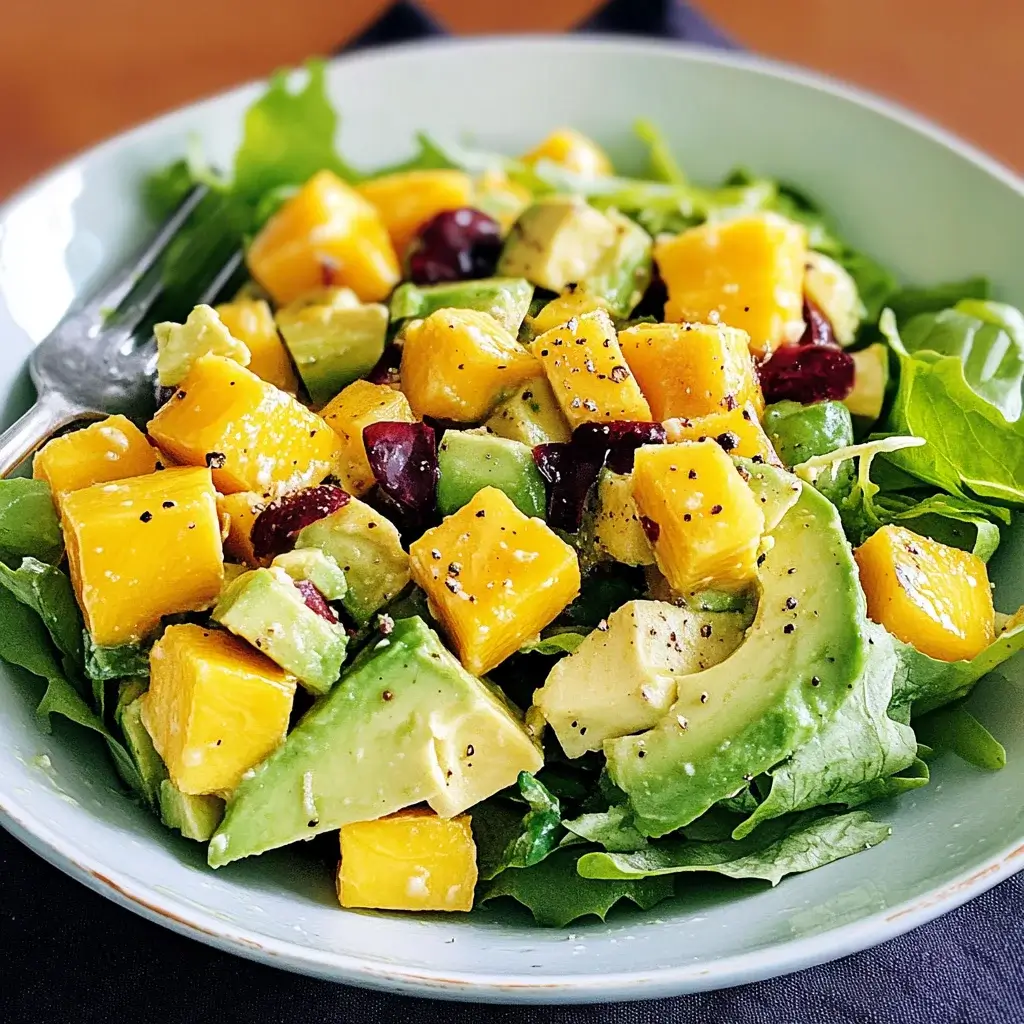

This Avocado Mango Vegetarian Salad has become an absolute sensation in our household, and honestly, I’m not surprised in the slightest! The first time I whipped it up for a weekend family lunch, I was hoping for a fresh, light option to complement the sunny weather. What I got was an explosion of “wows” and “more, please!” even from my usually picky eaters. My youngest, who typically eyes anything green with suspicion, was completely won over by the sweet bursts of mango and the creamy texture of the avocado. It was a genuine culinary triumph! Since then, it’s become our go-to for everything from quick weeknight dinners when we’re craving something healthy yet satisfying, to a vibrant centerpiece for summer barbecues and potlucks with friends. There’s something truly magical about the combination of sweet, juicy mango, buttery avocado, crisp red onion, and the zesty lime dressing that just sings of sunshine and happiness. It’s not just the incredible taste and the beautiful, jewel-toned colors that make this salad a winner; it’s also ridiculously easy to prepare, packed with nutrients, and incredibly versatile. Every time I make it, I’m reminded that healthy eating doesn’t have to be bland or complicated. This salad is proof that simple, fresh ingredients can create something truly spectacular and utterly delicious, leaving everyone feeling refreshed, nourished, and already looking forward to the next time it graces our table. It’s more than just a salad; it’s a little bowl of pure, unadulterated joy, and I’m thrilled to share this beloved Avocado Mango Vegetarian Salad recipe with you.
Ingredients
This vibrant Avocado Mango Vegetarian Salad relies on fresh, high-quality ingredients to truly shine. Each component plays a crucial role in creating a harmonious blend of flavors, textures, and colors that make this dish an unforgettable experience. Here’s what you’ll need to craft this masterpiece:
- Ripe Mangoes: 2 large, sweet mangoes (yielding about 2 cups when diced). Seek out mangoes that give slightly to gentle pressure, much like a ripe peach or avocado, and emit a sweet, fruity aroma near the stem. Varieties such as Ataulfo (often called honey mango), Kent, or Keitt are superb choices due to their inherent sweetness and less fibrous texture, ensuring a smooth, pleasant bite. Their brilliant orange flesh will not only add a stunning visual appeal but also a delightful tropical sweetness that forms the heart of this salad.
- Ripe Avocados: 2 large, ripe yet firm avocados (yielding about 2 cups when diced). The ideal avocado will yield slightly when pressed gently. If they are excessively hard, they won’t offer the desired creaminess; conversely, if too soft, they’ll turn mushy and lose their structure in the salad. Hass avocados are a widely favored choice, celebrated for their rich, creamy texture and profound flavor. These will provide the luxurious, buttery counterpoint to the sweetness of the mango, creating a balanced and satisfying mouthfeel.
- Red Onion: 1/2 medium red onion (yielding about 1/2 cup when finely diced). Red onions contribute a mild, subtly sweet spiciness and a striking purple hue that beautifully contrasts with the green avocado and orange mango. For individuals who find the pungency of raw red onion a bit overpowering, a simple trick is to soak the diced onion in cold water for 10-15 minutes. Afterwards, drain it thoroughly to mellow its flavor profile significantly.
- Red Bell Pepper: 1 medium red bell pepper (yielding about 1 cup when diced). This ingredient introduces a wonderful crunch, a delicate sweetness, and another burst of vibrant color to the salad. Ensure the pepper is firm to the touch and has a glossy skin. Yellow or orange bell peppers can also be used as excellent alternatives, offering a similar sweet crunch and visual appeal.
- Fresh Cilantro: 1/2 cup chopped fresh cilantro, including both leaves and tender stems. Cilantro, also known by many as coriander leaf, brings a distinctive fresh, citrusy, and slightly peppery note that beautifully complements the mango and avocado, tying the tropical and savory elements together. If cilantro isn’t to your taste, fresh parsley or mint can be considered as alternatives, though be mindful that this will alter the characteristic flavor profile of the salad.
- Jalapeño (Optional): 1 small jalapeño, finely minced (with seeds removed for a milder heat). For those who appreciate a little spicy kick, a touch of jalapeño can elevate the salad significantly. It adds a subtle warmth that cuts through the richness of the avocado and the sweetness of the mango, adding another layer of complexity. Always handle jalapeños with care, washing hands thoroughly after chopping, and consider wearing gloves if you have sensitive skin.
- Baby Spinach or Arugula (Optional Bed): 4-5 cups. Serving the Avocado Mango Vegetarian Salad over a bed of fresh greens like tender baby spinach (which offers a mild flavor) or peppery arugula can transform it into a more substantial meal. This also adds extra nutrients, fiber, and an appealing textural contrast.
For the Zesty Lime Dressing:
- Fresh Lime Juice: 1/4 cup (typically from about 2-3 fresh, juicy limes). Freshly squeezed lime juice is absolutely paramount here; its bright, tangy acidity is essential for balancing the salad’s flavors and plays a crucial role in preventing the avocado from browning too quickly. Bottled lime juice simply cannot replicate the same fresh, vibrant taste.
- Extra Virgin Olive Oil: 2 tablespoons. Opt for a good quality extra virgin olive oil, prized for its fruity flavor notes and numerous health benefits. This will form the emulsified base of your dressing, adding a smooth richness that coats the salad ingredients beautifully.
- Maple Syrup or Agave Nectar: 1-2 teaspoons (optional, adjust according to your taste preference). A subtle touch of sweetness can enhance the natural fruitiness of the mango and perfectly balance the tartness of the lime juice. Pure maple syrup lends a delicate caramel note, while agave nectar offers a more neutral sweetness. Adjust the amount based on the inherent sweetness of your mangoes and your personal preference.
- Ground Cumin: 1/2 teaspoon. Cumin introduces a warm, earthy, and faintly smoky undertone that pairs exceptionally well with avocado and lime. This spice gives the salad a hint of Southwestern flair, adding depth and complexity to the dressing.
- Sea Salt: 1/2 teaspoon (or to taste). Salt is a crucial flavor enhancer, essential for bringing out all the individual flavors of the fresh ingredients and marrying them together harmoniously. Use good quality sea salt or kosher salt for the best results.
- Freshly Ground Black Pepper: 1/4 teaspoon (or to taste). Freshly ground black pepper provides a subtle piquancy and aromatic complexity that rounds out the dressing’s flavor profile.
Instructions
Creating this stunning Avocado Mango Vegetarian Salad is a delightful and remarkably straightforward process. By following these steps carefully, you’ll achieve the perfect harmony of texture and flavor. The essence of success lies in preparing your ingredients with precision and combining them gently, paying particular attention to the delicate nature of the avocado.
Step 1: Prepare the Zesty Lime Dressing
It’s always advisable to prepare the dressing first. This allows the diverse flavors to meld and deepen while you focus on preparing the other salad ingredients, resulting in a more cohesive and flavorful dressing.
- In a small bowl or a clean glass jar equipped with a tight-fitting lid, combine the 1/4 cup of freshly squeezed lime juice, 2 tablespoons of extra virgin olive oil, 1-2 teaspoons of maple syrup or agave nectar (if you’re using it), 1/2 teaspoon of ground cumin, 1/2 teaspoon of sea salt, and 1/4 teaspoon of freshly ground black pepper.
- Whisk these ingredients together vigorously with a fork or a small whisk until the olive oil and lime juice are well emulsified. The dressing should appear slightly thickened and homogenous. If you are using a jar, simply secure the lid tightly and shake it energetically for about 30 seconds, or until well combined.
- Once mixed, taste the dressing. This is your opportunity to adjust the seasonings to perfectly suit your palate. You might find it needs a little more salt to enhance the flavors, a touch more sweetener if your mangoes aren’t particularly sweet, or an extra squeeze of lime juice if you prefer a tarter finish. Set the dressing aside at room temperature. This resting period will allow the flavors to marry beautifully, creating a more rounded and impactful taste.
Step 2: Prepare the Mangoes
Properly dicing a mango can sometimes seem daunting due to its large, flat pit, but with a little practice and the right technique, it’s quite simple!
- Thoroughly wash the 2 large mangoes under cool running water. Mangoes have a large, flat, oblong pit situated in the center. Your aim is to cut along the sides of this pit.
- Stand one mango on its end, with the stem-side down, on a clean, stable cutting board. Using a sharp chef’s knife, slice downwards about 1/4 to 1/2 inch away from the center line on one side of the pit. Repeat this cut on the other side of the pit. You should now have two large fleshy pieces, often called “cheeks,” and the central section containing the pit.
- Take one mango cheek. You have a couple of options for dicing:
- Scoring Method: Carefully score the flesh in a crisscross pattern (like a checkerboard) without cutting through the skin. Then, gently push the skin from underneath to invert the cheek, causing the mango cubes to pop outwards. You can then easily slice these cubes off the skin with your knife.
- Spoon Method: Alternatively, use a large spoon to scoop the flesh out from the skin in one piece. Place the flesh flat-side down on your cutting board and then dice it into cubes.
- Aim for uniform cubes, approximately 1/2-inch to 3/4-inch in size. This consistency looks appealing and ensures a good balance in each bite. Repeat the process with the other mango cheek. You can also carefully trim any remaining edible flesh from around the central pit and dice that as well.
- Place all the diced mango into a large mixing bowl. This bowl should be spacious enough to comfortably accommodate all the salad ingredients without overcrowding, allowing for gentle tossing later.
Step 3: Prepare the Avocados
Timing is quite important when it comes to avocados to prevent them from browning excessively. It’s best to cut them just before you are ready to assemble the salad.
- Wash the 2 large avocados thoroughly. Slice each avocado in half lengthwise, carefully cutting around the central pit. Gently twist the two halves in opposite directions to separate them.
- To remove the pit, you can carefully but firmly tap the blade of your knife into the pit. Once the knife is lodged, twist the knife gently; the pit should come out easily, still attached to the knife. Alternatively, you can use a spoon to scoop under the pit and pry it out.
- Using a large spoon, scoop the avocado flesh out from the skin. You can either scoop it out in one piece per half and then dice it on your cutting board, or you can score the flesh into cubes while it’s still in the skin (being careful not to cut through the skin itself) and then use the spoon to scoop the pre-cut cubes out.
- Dice the avocado flesh into cubes of a similar size to the mango pieces, approximately 1/2-inch to 3/4-inch.
- Add the diced avocado directly to the large mixing bowl containing the mango. Immediately, and very gently, pour about one tablespoon of your prepared Zesty Lime Dressing directly over the avocados. Toss them very gently to coat. This small amount of dressing, rich in lime juice, will help prevent them from browning and add an initial layer of flavor.
Step 4: Prepare the Remaining Vegetables and Herbs
- Red Onion: Finely dice 1/2 of a medium red onion. If you are sensitive to the strong flavor of raw onion, or prefer a milder taste, you can soak the diced onion in a small bowl of cold water for 10-15 minutes. After soaking, drain it thoroughly and pat it dry with a paper towel before adding it to the salad. Add the prepared diced red onion to the mixing bowl.
- Red Bell Pepper: Wash, core, and seed 1 medium red bell pepper. Dice it into small, uniform pieces, similar in size to the mango and avocado cubes. Add the diced red bell pepper to the mixing bowl.
- Jalapeño (Optional): If you’re including jalapeño for a bit of spice, wash it carefully. Slice it lengthwise, and then use a small spoon or the tip of your knife to scrape out the seeds and the white membranes (pith), as this is where most of the capsaicin (the heat compound) resides. Mince the jalapeño flesh very finely. Add the minced jalapeño to the mixing bowl. Remember to wash your hands thoroughly with soap and water after handling jalapeños, or better yet, wear disposable gloves during preparation.
- Fresh Cilantro: Wash the 1/2 cup of fresh cilantro thoroughly under cool water and pat it dry gently with paper towels or use a salad spinner. Chop both the leaves and the tender stems, as the stems also carry a lot of flavor. Add the chopped cilantro to the mixing bowl.
Step 5: Combine and Dress the Salad
- At this point, your large mixing bowl should contain the diced mango, the diced avocado (which has been lightly tossed with some dressing), the finely diced red onion, the diced red bell pepper, the optional minced jalapeño, and the freshly chopped cilantro.
- Pour the remaining prepared Zesty Lime Dressing evenly over all the salad ingredients in the bowl.
- Using a large spoon or a flexible rubber spatula, gently fold all the ingredients together. The motion should be more like lifting and turning rather than stirring, to ensure everything is evenly coated with the dressing without mashing or bruising the delicate avocado and mango pieces.
- Once combined, taste the salad carefully. This is your final chance to adjust the seasoning. You might find it needs a pinch more salt to make the flavors pop, a little more freshly ground black pepper, or an extra squeeze of lime juice for brightness.
Step 6: Chill (Optional) and Serve
- For the best possible flavor experience, you can cover the salad bowl with plastic wrap or a lid and chill it in the refrigerator for about 15-30 minutes before serving. This short chilling period allows the flavors to meld even further and makes the salad wonderfully refreshing, especially on a warm day. However, the salad is also absolutely delicious if served immediately after preparation.
- If you plan to serve the salad over a bed of greens, arrange 4-5 cups of baby spinach or arugula (or your choice of greens) on a large serving platter or in individual bowls. Then, spoon the Avocado Mango Vegetarian Salad generously on top of the greens.
Enjoy your vibrant, delicious, and incredibly healthy Avocado Mango Vegetarian Salad!
Nutrition Facts
This Avocado Mango Vegetarian Salad isn’t just a feast for the eyes and palate; it’s also brimming with beneficial nutrients that contribute to a healthy lifestyle. While exact nutritional values can vary based on the precise size of your produce and specific brands of ingredients used, here’s an approximate nutritional breakdown per serving. This estimation assumes the recipe yields about 4 generous main course servings.
- Servings: Approximately 4 main course servings, or alternatively, 6-8 smaller side dish servings.
- Calories per serving (approximate for 1 of 4 main servings): Around 300-350 kcal. This range makes it a satisfying yet relatively light meal option.
Here are five key nutritional highlights that make this salad a powerhouse of goodness:
- Healthy Fats (Primarily from Avocado and Olive Oil): This salad is an exceptional source of monounsaturated fats, predominantly contributed by the creamy avocados and the high-quality extra virgin olive oil in the dressing. These fats are widely recognized as heart-healthy, playing a role in reducing levels of “bad” cholesterol (LDL) and potentially increasing levels of “good” cholesterol (HDL). Furthermore, healthy fats are crucial for aiding the absorption of fat-soluble vitamins present in the salad, such as Vitamin A from the mango and red bell pepper, and Vitamin K.
- Vitamin C (Abundant in Mango, Lime, and Red Bell Pepper): Mangoes, fresh lime juice, and red bell peppers are all stellar sources of Vitamin C, a potent antioxidant vital for numerous bodily functions. Vitamin C is crucial for bolstering a healthy immune system, promoting skin health through collagen production, and protecting your body’s cells from oxidative damage caused by free radicals. A single serving of this vibrant salad can contribute a significant portion of your recommended daily intake of Vitamin C.
- Dietary Fiber (Sourced from Mango, Avocado, and Vegetables): With its rich composition of fruits and vegetables, this Avocado Mango Vegetarian Salad is naturally high in dietary fiber. Fiber is essential for maintaining optimal digestive health, aiding in the prevention of constipation, and promoting a healthy gut microbiome. It also contributes to a feeling of fullness and satiety, which can be beneficial for weight management, and plays a role in regulating blood sugar levels.
- Potassium (Found in Avocado and Mango): Both avocados and mangoes are good sources of potassium, an important mineral and electrolyte that plays a key role in various physiological processes. Potassium is vital for maintaining healthy blood pressure levels, ensuring proper fluid balance within the body, facilitating nerve signals, and supporting normal muscle contractions. Consuming adequate potassium is essential for overall cardiovascular health and general well-being.
- Folate (Vitamin B9) (Notably from Avocado and Spinach, if used as a bed): Avocados provide a noteworthy amount of folate (also known as Vitamin B9). If you choose to serve the salad on a bed of baby spinach, as suggested, you’ll get an even more significant boost of this important B-vitamin. Folate is crucial for proper cell growth and metabolism, DNA synthesis and repair, and is particularly important during periods of rapid growth, such as pregnancy, to help prevent neural tube defects in the developing fetus.
This salad truly embodies the concept of “eating the rainbow,” delivering a delightful array of vitamins, minerals, antioxidants, and healthy fats in every delicious and refreshing bite. It’s a guilt-free indulgence that deeply nourishes your body while simultaneously delighting your taste buds with its explosion of fresh flavors.
Preparation Time
One of the many appealing attributes of this delectable Avocado Mango Vegetarian Salad is how remarkably quickly it comes together. This makes it an ideal choice for those busy weeknights, for whipping up during impromptu gatherings with friends and family, or simply for those moments when you crave something fresh, vibrant, and delicious without dedicating hours to kitchen prep.
- Total Active Preparation Time: Approximately 20-25 minutes.
This total active time can be generally broken down as follows:
- Dressing Preparation: About 5 minutes. This involves measuring and whisking together the lime juice, olive oil, sweetener (if using), cumin, salt, and pepper. It’s a swift process that sets the flavor foundation for the salad.
- Chopping and Dicing Fruits & Vegetables: Approximately 15-20 minutes. This is the most hands-on segment of the recipe. It includes peeling and dicing the mangoes, halving, pitting, and dicing the avocados, finely dicing the red onion and red bell pepper, and chopping the fresh cilantro and optional jalapeño. Your individual speed may vary based on your comfort and experience with knife skills, but it remains a straightforward and enjoyable task of preparing fresh produce.
- Assembly: Roughly 2 minutes. Gently combining all the beautifully prepped ingredients with the zesty lime dressing in a large bowl takes hardly any time at all.
It’s worth noting that if you decide to soak the red onion in cold water to mellow its flavor, this will add an extra 10-15 minutes of soaking time. However, this soaking period doesn’t require any active work from you. Similarly, the optional chilling time of 15-30 minutes in the refrigerator is also additional but entirely passive, allowing the flavors to meld.
Overall, this Avocado Mango Vegetarian Salad offers a fantastic return in terms of flavor, freshness, and visual vibrancy for a relatively small investment of your active preparation time. It stands as a testament to the fact that wholesome, gourmet-tasting meals can indeed be quick, effortless, and thoroughly enjoyable to make.
How to Serve
This Avocado Mango Vegetarian Salad is incredibly versatile, lending itself to numerous delightful presentations and culinary pairings. Its naturally vibrant colors make it an instant showstopper on any dining table, promising a refreshing and flavorful experience. Here are some creative and practical serving suggestions to inspire you:
- As a Refreshing Light Main Course:
- Serve generous portions of the salad in individual bowls. This presentation makes it a satisfying, healthy, and complete lunch or a light, energizing dinner.
- It’s perfectly delicious on its own, especially during warmer spring and summer months when you crave something cool, hydrating, and invigorating without feeling weighed down.
- For an added textural contrast and a boost of protein and healthy fats, consider sprinkling a tablespoon of toasted pumpkin seeds (pepitas) or sunflower seeds on top just before serving.
- As a Vibrant and Flavorful Side Dish:
- This salad pairs beautifully with a wide array of main courses, its bright, tropical notes offering a refreshing counterpoint to richer dishes. It’s an excellent accompaniment to:
- Grilled Proteins: Serve alongside grilled chicken breasts, flaky fish fillets (such as mahi-mahi, cod, or salmon), succulent shrimp skewers, or flavorful grilled tofu or tempeh. The coolness and zest of the salad contrast wonderfully with smoky, charred flavors from the grill.
- Barbecue Fare: This salad is destined to be a star at any barbecue or cookout. It complements classic BBQ dishes like ribs, burgers (including hearty veggie burgers), and grilled sausages splendidly.
- Tacos, Fajitas, and Burrito Bowls: Use it as a fresh, chunky salsa-like topping or a vibrant side for Mexican-inspired dishes. Its flavors are a natural and harmonious fit with cilantro, lime, and chili notes.
- Caribbean or Latin American Cuisine: It pairs exceptionally well with dishes like spicy jerk chicken, flavorful rice and beans, or savory arepas, enhancing the tropical theme.
- This salad pairs beautifully with a wide array of main courses, its bright, tropical notes offering a refreshing counterpoint to richer dishes. It’s an excellent accompaniment to:
- For Gatherings, Potlucks, and Picnics:
- Easily double or triple the recipe to serve a larger crowd. This salad is consistently a popular choice at potlucks, picnics, and family gatherings due to its universally appealing flavors, stunning visual presentation, and refreshing qualities.
- Transport it in a well-sealed container. If possible, give it a gentle toss just before serving to redistribute the dressing. For potlucks where it might sit out for a while, consider keeping the diced avocado separate (tossed with a little lime juice to prevent browning) and adding it just before serving to maintain its best color and firm texture.
- Elevated and Creative Presentation Ideas:
- On a Bed of Leafy Greens: As mentioned in the recipe, serving the salad over a lush bed of baby spinach, peppery arugula, mixed field greens, or even crisp romaine lettuce adds another layer of texture, color, and nutrition, transforming it into a more substantial and elegant salad.
- In Crisp Lettuce Cups: For a sophisticated appetizer or a very light lunch, spoon the Avocado Mango Vegetarian Salad into crisp lettuce cups. Butter lettuce, little gem, or even small romaine leaves work wonderfully for this.
- Stuffed in Avocado Halves: For a truly creative and impressive presentation, halve avocados, remove the pit, and slightly scoop out some of the flesh from the center (dice this scooped flesh and add it to the salad mix). Then, fill these natural avocado “bowls” generously with the mango avocado salad.
- With Crunchy Tortilla Chips: Serve the salad as a chunky, vibrant salsa or dip alongside good quality tortilla chips for a casual appetizer or a satisfying snack. If serving this way, ensure the fruit and vegetable pieces are diced slightly smaller for easier scooping.
- Garnish Creatively for Extra Appeal:
- A few extra sprigs of fresh cilantro or a sprinkle of finely chopped cilantro on top.
- A thin lime wedge or wheel placed on the side of the bowl or plate.
- A very light dusting of chili powder, smoked paprika, or Tajín seasoning for a pop of color and a hint of smokiness or tang.
- A sprinkle of toasted, unsweetened coconut flakes for an enhanced tropical touch and subtle crunch.
- Optimal Serving Temperature:
- This salad is best enjoyed when served chilled or at a cool room temperature. If it has been refrigerated for an extended period, you might want to let it sit out at room temperature for about 10-15 minutes before serving. This allows the flavors to fully bloom and become more pronounced, as extreme cold can sometimes dull them slightly.
No matter how you choose to serve it, this Avocado Mango Vegetarian Salad is guaranteed to brighten any meal with its incredibly fresh flavors, delightful textures, and beautiful, inviting presentation.
Additional Tips
To help you achieve the absolute best results with your Avocado Mango Vegetarian Salad and encourage you to customize it perfectly to your liking, here are eight additional insightful tips:
- Choosing the Perfect Produce is Absolutely Key:
- Mangoes: When selecting mangoes, look for ones that are fragrant at the stem end and yield slightly to gentle pressure – similar to a ripe peach. The color of the mango skin is not always the most reliable indicator of ripeness, as it varies significantly between different varieties (e.g., Ataulfo mangoes are yellow when ripe, while Kents may have green, yellow, and red hues). Avoid mangoes that have overly bruised spots, shriveled or leathery skin, or emit a sour or alcoholic smell. If you can only find slightly underripe mangoes, you can leave them at room temperature for a few days to ripen. To expedite the ripening process, place them in a paper bag (optionally with an apple or banana, which release ethylene gas) at room temperature.
- Avocados: For avocados, select fruits that yield to gentle, firm pressure when cupped in your palm. They should not feel mushy or have sunken, dark spots under the skin. If you purchase hard, unripe avocados, they will ripen at room temperature over several days. A useful trick to check if an avocado is ripe without cutting into it is to try to flick off the small stem cap at the top. If it comes off easily and you see a vibrant green color underneath, it’s likely ripe and ready. If it’s brown underneath, the avocado is probably overripe.
- The quality, ripeness, and flavor of these two star ingredients – mango and avocado – will profoundly impact the final taste and texture of your salad.
- Mastering the Art of Uniform Dicing:
- Strive for a relatively uniform dice size for the mango, avocado, and red bell pepper, aiming for cubes around 1/2 to 3/4 inch. This not only makes the salad look more visually appealing and professional but also ensures a balanced and harmonious mix of flavors and textures in every single bite. For the red onion and the optional jalapeño, a finer dice (mince for jalapeño) is preferable. This allows their more potent flavors to be distributed more evenly throughout the salad without overpowering the other, more delicate ingredients.
- Advanced Tips for Preventing Avocado Browning (Beyond the Dressing):
- While the fresh lime juice in the Zesty Lime Dressing helps significantly in preventing oxidation, if you’re preparing the avocado slightly ahead of time or are particularly concerned about any browning, here’s an extra trick: after dicing the avocado, toss it gently but thoroughly with a little bit of extra fresh lime or lemon juice before adding it to the other salad ingredients. Ensure all cut surfaces of the avocado are well-coated. Additionally, minimizing air exposure by pressing plastic wrap directly onto the surface of the finished salad if storing it also helps to slow down the browning process.
- Customize Your Preferred Spice Level:
- The optional jalapeño adds a lovely, subtle warmth to the salad. For those who enjoy more heat, you can include some of the seeds and white membranes from the jalapeño (where most of the capsaicin is concentrated), or even consider using a spicier chili variety like a serrano pepper. For a milder heat, ensure all seeds and white membranes are meticulously removed from the jalapeño, or simply use only half of a small jalapeño. If you prefer no heat at all, you can completely omit the jalapeño. Alternatively, a tiny pinch of red pepper flakes added to the dressing can also provide a subtle, diffused kick.
- Exciting Ingredient Variations and Additions:
- Protein Boost for a Heartier Meal: To transform this salad into a more substantial main course, consider adding plant-based proteins like cooked and cooled quinoa, canned (rinsed and drained) chickpeas or black beans, or shelled edamame. For vegetarian (non-vegan) options, grilled halloumi cheese is fantastic. For non-vegetarians, additions like grilled shrimp, flaked cooked salmon, or diced grilled chicken breast are excellent choices.
- Nuts and Seeds for Crunch and Nutrients: Toasted slivered almonds, pumpkin seeds (pepitas), sunflower seeds, or even chopped cashews or pecans can add a delightful crunch, healthy fats, and extra nutrients. Lightly toast them in a dry skillet over medium heat for a few minutes until fragrant to significantly enhance their flavor.
- Explore Other Fruits and Vegetables: Feel free to experiment by adding other complementary fruits and vegetables. Diced cucumber would add extra freshness and a cool crunch. Sweet corn (freshly cut from the cob, or even roasted) can introduce another layer of sweetness. Some people enjoy adding halved cherry or grape tomatoes for a burst of acidity and color.
- Incorporate More Greens Directly: Beyond serving it on a bed of greens, you can mix tender greens like baby kale, chopped romaine lettuce, or delicate butter lettuce directly into the salad for added bulk and nutritional value.
- Smart Make-Ahead Strategies for Easy Entertaining:
- Dressing: The Zesty Lime Dressing can be made up to 2-3 days in advance. Store it in an airtight container (like a jar) in the refrigerator. Remember to whisk or shake it well before use, as the oil and lime juice will separate upon standing.
- Vegetables & Mango: You can chop the red onion, red bell pepper, and cilantro, and even dice the mango, a few hours ahead of time (or even the day before for onion and bell pepper). Store them in separate airtight containers in the refrigerator to maintain their freshness.
- Avocado: It is always best to dice and add the avocado just before you plan to serve the salad to maintain its vibrant green color and optimal firm-creamy texture. If you absolutely must cut it a little ahead (no more than an hour or two), toss it very thoroughly with lime juice and store it tightly covered, minimizing air contact.
- Final Assembly: For the best results, combine all the prepared ingredients and dress the salad just before you plan to serve it, or up to 30 minutes before if you prefer it slightly chilled and the flavors more melded.
- Dressing Adjustments and Creative Alternatives:
- If you find yourself out of ground cumin, a pinch of chili powder or a tiny amount of smoked paprika could offer a different but still complementary warm, earthy note.
- For a creamier (though distinctly different) dressing, you could try whisking a tablespoon of smooth tahini into the lime dressing. This would add a nutty richness.
- If you prefer a spicier dressing rather than adding jalapeño to the salad itself, consider adding a few dashes of your favorite hot sauce directly into the dressing.
- Always taste and adjust the dressing before adding it to the salad. The perfect balance of sweet (from mango/sweetener), tart (from lime), and savory (from salt/cumin) is crucial to the salad’s success.
- Proper Storage of Leftovers (If Any!):
- Leftover Avocado Mango Vegetarian Salad can be stored in an airtight container in the refrigerator. It’s best enjoyed within 1-2 days. However, please note that it is truly at its peak freshness and textural best on the day it’s made, or at least within the first 24 hours. Over time, the avocado will gradually brown and soften further (despite the lime juice), and the other ingredients may release some water, potentially making the salad a bit more liquid. The lime juice in the dressing will certainly help preserve it to some extent. Before serving leftovers, give the salad a gentle stir. If the flavors seem a bit muted after refrigeration, a fresh squeeze of lime juice can often liven them up beautifully.
FAQ Section
Here are answers to some frequently asked questions about this delicious and refreshing Avocado Mango Vegetarian Salad, designed to help you make it perfectly every time:
1. Q: Is this Avocado Mango Vegetarian Salad completely vegan?
* A: Yes, absolutely! As the recipe is written, this Avocado Mango Vegetarian Salad is entirely vegan. The salad itself is composed of fruits, vegetables, and fresh herbs, all of which are plant-based. The Zesty Lime Dressing utilizes olive oil, fresh lime juice, and offers maple syrup or agave nectar as optional sweeteners – all of these ingredients are vegan-friendly. There are no dairy products (like cheese or yogurt), eggs, honey (provided you use maple syrup or agave, or omit sweetener), or any other animal-derived ingredients in this recipe, making it a fantastic and flavorful choice for anyone following a vegan or plant-based diet.
2. Q: How long will this Avocado Mango Vegetarian Salad last in the refrigerator?
* A: This salad is truly at its best when enjoyed on the day it is made, or at the very least, within 24 hours. This ensures optimal freshness, the most vibrant colors, and the ideal textures of the ingredients. If you do have leftovers, they can be stored in an airtight container in the refrigerator for up to 1-2 days. Be aware that the avocado may start to brown slightly over time, despite the protective qualities of the lime juice, and its texture will soften. Additionally, the other ingredients might release some moisture, which could make the salad a bit more liquidy than when freshly prepared. The flavors will generally still be good, but the overall sensory experience might not be as crisp or vibrant. If possible, if you anticipate leftovers, you could store any undressed components separately and combine them with dressing just before enjoying a second serving.
3. Q: Can I use frozen mango if fresh mangoes are not available for this salad?
* A: While fresh, ripe mango is highly recommended for achieving the best possible texture and most intense, nuanced flavor in this salad, you can certainly use frozen mango chunks if fresh ones are unavailable, out of season, or not of good quality in your area. If using frozen mango, be sure to thaw the chunks completely in the refrigerator before incorporating them into the salad. Once thawed, gently pat them dry with paper towels to remove any excess moisture. Frozen fruit can sometimes be a bit watery upon thawing, and this excess liquid could make the salad undesirably soggy. The texture of thawed frozen mango might be slightly softer and less firm than fresh mango, but it will still contribute a lovely sweetness and tropical flavor to the dish.
4. Q: What if I really don’t like cilantro? Are there any good substitutes I can use?
* A: Cilantro (coriander leaf) has a very distinctive, somewhat polarizing flavor – people often either love it or strongly dislike it. If you fall into the latter category, you can certainly omit it entirely or substitute it with other fresh herbs to achieve a different, yet still delicious, flavor profile. Good alternatives include:
* Fresh Parsley (flat-leaf or Italian variety is best): This will provide a fresh, green, and slightly peppery note that is much milder and more universally accepted than cilantro.
* Fresh Mint: Mint would introduce a different but equally refreshing and bright dimension to the salad, and it pairs exceptionally well with both mango and lime.
* Fresh Chives or finely sliced Green Onion Tops (scallions): These would add a delicate, mild oniony freshness that can complement the other ingredients.
* A combination of fresh parsley and a little bit of mint could also work beautifully. Keep in mind that substituting cilantro will change the traditional flavor profile of this type of mango avocado salad, but it will still be wonderfully fresh and enjoyable.
5. Q: Is this Avocado Mango Vegetarian Salad naturally gluten-free?
* A: Yes, this Avocado Mango Vegetarian Salad is inherently gluten-free. All the core ingredients – the mango, avocado, red onion, red bell pepper, cilantro, optional jalapeño, fresh lime juice, extra virgin olive oil, cumin, salt, and pepper – are naturally free from gluten. If you are serving the salad with any accompaniments (such as tortilla chips for scooping, or a side of bread) or if you decide to add other ingredients not listed (like croutons or certain grains), you would need to ensure that those additional items are also certified gluten-free, especially if celiac disease or a severe gluten sensitivity is a concern for you or your guests.
6. Q: Can I add some form of protein to make this salad a more complete and filling meal?
* A: Absolutely! This salad serves as a fantastic and flavorful base for adding various types of protein, easily transforming it from a side dish or light meal into a more substantial and satiating main course. For vegetarian and vegan protein options, consider:
* Legumes: Cooked (canned, rinsed, and drained, or home-cooked) chickpeas, black beans, or even pinto beans or lentils would be great.
* Tofu or Tempeh: Cubes of seasoned tofu or tempeh (grilled, baked, pan-fried, or even crumbled) can add satisfying texture and protein.
* Edamame (shelled): Cooked and shelled edamame beans add a pleasant bite, a pop of green, and a good amount of plant-based protein.
* Quinoa: Serving the salad over a bed of fluffy cooked quinoa or mixing cooked quinoa directly into the salad itself adds complete protein and makes it heartier.
* Nuts and Seeds: While not primary protein sources in large quantities, adding a generous sprinkle of toasted almonds, pumpkin seeds (pepitas), or hemp seeds will boost the protein content slightly and add healthy fats and crunch.
* Grilled Halloumi Cheese: For vegetarians (this option is not vegan), slices of grilled halloumi cheese offer a salty, firm, and delicious counterpoint.
For non-vegetarians, excellent protein additions include diced grilled chicken breast, succulent grilled shrimp, or flakes of cooked white fish like cod, tilapia, or mahi-mahi.
7. Q: What specific type or variety of mango is best suited for making this salad?
* A: The best mangoes for this particular salad are those that are notably sweet, richly flavorful, and possess a relatively firm, non-fibrous flesh that holds its shape well when diced. Some excellent varieties to look for include:
* Ataulfo (also commonly known as Honey or Champagne mangoes): These are typically small to medium-sized, kidney-shaped mangoes with bright yellow skin when fully ripe. Their flesh is wonderfully sweet, exceptionally creamy, and almost buttery in texture, with very few fibers, making them ideal for salads.
* Kent: These are generally large, oval-shaped mangoes that are prized for being very sweet, juicy, and having minimal fibers. Their skin often turns a yellowish-orange with a red blush as they ripen.
* Keitt: These are also large mangoes, often remaining primarily green even when fully ripe (though they may develop a slight yellow blush). They offer a delightful balance of sweetness and tanginess, and their flesh has very little fiber.
It’s generally advisable to try and avoid mango varieties that are known to be particularly fibrous or stringy, as this texture can be somewhat unpleasant when incorporated into a fresh salad. Always prioritize using ripe mangoes to ensure the best possible sweetness and depth of flavor.
8. Q: How can I most effectively prevent the avocado from browning too quickly once it’s added to the salad?
* A: Avocado browning (oxidation) occurs when the flesh is exposed to air, due to an enzyme called polyphenol oxidase. Here are several effective strategies to minimize this:
* Citrus Juice (Lime or Lemon): This is the most common, natural, and effective method. The acidity of citrus juice helps to inhibit the enzymatic reaction that causes browning. As instructed in the recipe, toss the diced avocado with fresh lime juice (either from the dressing or extra) immediately after cutting it.
* Add Avocado Last: Prepare all other salad components (vegetables, mango, dressing) first. Dice the avocado and add it to the salad just before you are ready to toss and serve it. This minimizes its exposure time to air.
* Minimize Air Exposure During Storage: If you need to store the salad, even for a short period, press a piece of plastic wrap directly onto the surface of the salad, ensuring it touches the salad to create a barrier and reduce contact with air.
* Water Blanching (Less common for fresh salads): Briefly blanching avocado pieces in boiling water and then immediately shocking them in ice water can deactivate the browning enzymes. However, this can also alter the avocado’s delicate texture and fresh flavor, so it’s generally not the preferred method for raw preparations like this salad.
* Presence of Onion: Some sulfur-containing compounds found in onions (like the red onion in this recipe) can also offer a slight, additional protective effect against browning when mixed with the avocado.
For this specific Avocado Mango Vegetarian Salad recipe, relying on the ample fresh lime juice in the dressing and adding the avocado towards the end of the preparation process are the primary and most effective methods for keeping it looking fresh and green.
Avocado Mango Vegetarian Salad
Ingredients
This vibrant Avocado Mango Vegetarian Salad relies on fresh, high-quality ingredients to truly shine. Each component plays a crucial role in creating a harmonious blend of flavors, textures, and colors that make this dish an unforgettable experience. Here’s what you’ll need to craft this masterpiece:
- Ripe Mangoes: 2 large, sweet mangoes (yielding about 2 cups when diced). Seek out mangoes that give slightly to gentle pressure, much like a ripe peach or avocado, and emit a sweet, fruity aroma near the stem. Varieties such as Ataulfo (often called honey mango), Kent, or Keitt are superb choices due to their inherent sweetness and less fibrous texture, ensuring a smooth, pleasant bite. Their brilliant orange flesh will not only add a stunning visual appeal but also a delightful tropical sweetness that forms the heart of this salad.
- Ripe Avocados: 2 large, ripe yet firm avocados (yielding about 2 cups when diced). The ideal avocado will yield slightly when pressed gently. If they are excessively hard, they won’t offer the desired creaminess; conversely, if too soft, they’ll turn mushy and lose their structure in the salad. Hass avocados are a widely favored choice, celebrated for their rich, creamy texture and profound flavor. These will provide the luxurious, buttery counterpoint to the sweetness of the mango, creating a balanced and satisfying mouthfeel.
- Red Onion: 1/2 medium red onion (yielding about 1/2 cup when finely diced). Red onions contribute a mild, subtly sweet spiciness and a striking purple hue that beautifully contrasts with the green avocado and orange mango. For individuals who find the pungency of raw red onion a bit overpowering, a simple trick is to soak the diced onion in cold water for 10-15 minutes. Afterwards, drain it thoroughly to mellow its flavor profile significantly.
- Red Bell Pepper: 1 medium red bell pepper (yielding about 1 cup when diced). This ingredient introduces a wonderful crunch, a delicate sweetness, and another burst of vibrant color to the salad. Ensure the pepper is firm to the touch and has a glossy skin. Yellow or orange bell peppers can also be used as excellent alternatives, offering a similar sweet crunch and visual appeal.
- Fresh Cilantro: 1/2 cup chopped fresh cilantro, including both leaves and tender stems. Cilantro, also known by many as coriander leaf, brings a distinctive fresh, citrusy, and slightly peppery note that beautifully complements the mango and avocado, tying the tropical and savory elements together. If cilantro isn’t to your taste, fresh parsley or mint can be considered as alternatives, though be mindful that this will alter the characteristic flavor profile of the salad.
- Jalapeño (Optional): 1 small jalapeño, finely minced (with seeds removed for a milder heat). For those who appreciate a little spicy kick, a touch of jalapeño can elevate the salad significantly. It adds a subtle warmth that cuts through the richness of the avocado and the sweetness of the mango, adding another layer of complexity. Always handle jalapeños with care, washing hands thoroughly after chopping, and consider wearing gloves if you have sensitive skin.
- Baby Spinach or Arugula (Optional Bed): 4-5 cups. Serving the Avocado Mango Vegetarian Salad over a bed of fresh greens like tender baby spinach (which offers a mild flavor) or peppery arugula can transform it into a more substantial meal. This also adds extra nutrients, fiber, and an appealing textural contrast.
For the Zesty Lime Dressing:
- Fresh Lime Juice: 1/4 cup (typically from about 2-3 fresh, juicy limes). Freshly squeezed lime juice is absolutely paramount here; its bright, tangy acidity is essential for balancing the salad’s flavors and plays a crucial role in preventing the avocado from browning too quickly. Bottled lime juice simply cannot replicate the same fresh, vibrant taste.
- Extra Virgin Olive Oil: 2 tablespoons. Opt for a good quality extra virgin olive oil, prized for its fruity flavor notes and numerous health benefits. This will form the emulsified base of your dressing, adding a smooth richness that coats the salad ingredients beautifully.
- Maple Syrup or Agave Nectar: 1-2 teaspoons (optional, adjust according to your taste preference). A subtle touch of sweetness can enhance the natural fruitiness of the mango and perfectly balance the tartness of the lime juice. Pure maple syrup lends a delicate caramel note, while agave nectar offers a more neutral sweetness. Adjust the amount based on the inherent sweetness of your mangoes and your personal preference.
- Ground Cumin: 1/2 teaspoon. Cumin introduces a warm, earthy, and faintly smoky undertone that pairs exceptionally well with avocado and lime. This spice gives the salad a hint of Southwestern flair, adding depth and complexity to the dressing.
- Sea Salt: 1/2 teaspoon (or to taste). Salt is a crucial flavor enhancer, essential for bringing out all the individual flavors of the fresh ingredients and marrying them together harmoniously. Use good quality sea salt or kosher salt for the best results.
- Freshly Ground Black Pepper: 1/4 teaspoon (or to taste). Freshly ground black pepper provides a subtle piquancy and aromatic complexity that rounds out the dressing’s flavor profile.
Instructions
Creating this stunning Avocado Mango Vegetarian Salad is a delightful and remarkably straightforward process. By following these steps carefully, you’ll achieve the perfect harmony of texture and flavor. The essence of success lies in preparing your ingredients with precision and combining them gently, paying particular attention to the delicate nature of the avocado.
Step 1: Prepare the Zesty Lime Dressing
It’s always advisable to prepare the dressing first. This allows the diverse flavors to meld and deepen while you focus on preparing the other salad ingredients, resulting in a more cohesive and flavorful dressing.
- In a small bowl or a clean glass jar equipped with a tight-fitting lid, combine the 1/4 cup of freshly squeezed lime juice, 2 tablespoons of extra virgin olive oil, 1-2 teaspoons of maple syrup or agave nectar (if you’re using it), 1/2 teaspoon of ground cumin, 1/2 teaspoon of sea salt, and 1/4 teaspoon of freshly ground black pepper.
- Whisk these ingredients together vigorously with a fork or a small whisk until the olive oil and lime juice are well emulsified. The dressing should appear slightly thickened and homogenous. If you are using a jar, simply secure the lid tightly and shake it energetically for about 30 seconds, or until well combined.
- Once mixed, taste the dressing. This is your opportunity to adjust the seasonings to perfectly suit your palate. You might find it needs a little more salt to enhance the flavors, a touch more sweetener if your mangoes aren’t particularly sweet, or an extra squeeze of lime juice if you prefer a tarter finish. Set the dressing aside at room temperature. This resting period will allow the flavors to marry beautifully, creating a more rounded and impactful taste.
Step 2: Prepare the Mangoes
Properly dicing a mango can sometimes seem daunting due to its large, flat pit, but with a little practice and the right technique, it’s quite simple!
- Thoroughly wash the 2 large mangoes under cool running water. Mangoes have a large, flat, oblong pit situated in the center. Your aim is to cut along the sides of this pit.
- Stand one mango on its end, with the stem-side down, on a clean, stable cutting board. Using a sharp chef’s knife, slice downwards about 1/4 to 1/2 inch away from the center line on one side of the pit. Repeat this cut on the other side of the pit. You should now have two large fleshy pieces, often called “cheeks,” and the central section containing the pit.
- Take one mango cheek. You have a couple of options for dicing:
- Scoring Method: Carefully score the flesh in a crisscross pattern (like a checkerboard) without cutting through the skin. Then, gently push the skin from underneath to invert the cheek, causing the mango cubes to pop outwards. You can then easily slice these cubes off the skin with your knife.
- Spoon Method: Alternatively, use a large spoon to scoop the flesh out from the skin in one piece. Place the flesh flat-side down on your cutting board and then dice it into cubes.
- Aim for uniform cubes, approximately 1/2-inch to 3/4-inch in size. This consistency looks appealing and ensures a good balance in each bite. Repeat the process with the other mango cheek. You can also carefully trim any remaining edible flesh from around the central pit and dice that as well.
- Place all the diced mango into a large mixing bowl. This bowl should be spacious enough to comfortably accommodate all the salad ingredients without overcrowding, allowing for gentle tossing later.
Step 3: Prepare the Avocados
Timing is quite important when it comes to avocados to prevent them from browning excessively. It’s best to cut them just before you are ready to assemble the salad.
- Wash the 2 large avocados thoroughly. Slice each avocado in half lengthwise, carefully cutting around the central pit. Gently twist the two halves in opposite directions to separate them.
- To remove the pit, you can carefully but firmly tap the blade of your knife into the pit. Once the knife is lodged, twist the knife gently; the pit should come out easily, still attached to the knife. Alternatively, you can use a spoon to scoop under the pit and pry it out.
- Using a large spoon, scoop the avocado flesh out from the skin. You can either scoop it out in one piece per half and then dice it on your cutting board, or you can score the flesh into cubes while it’s still in the skin (being careful not to cut through the skin itself) and then use the spoon to scoop the pre-cut cubes out.
- Dice the avocado flesh into cubes of a similar size to the mango pieces, approximately 1/2-inch to 3/4-inch.
- Add the diced avocado directly to the large mixing bowl containing the mango. Immediately, and very gently, pour about one tablespoon of your prepared Zesty Lime Dressing directly over the avocados. Toss them very gently to coat. This small amount of dressing, rich in lime juice, will help prevent them from browning and add an initial layer of flavor.
Step 4: Prepare the Remaining Vegetables and Herbs
- Red Onion: Finely dice 1/2 of a medium red onion. If you are sensitive to the strong flavor of raw onion, or prefer a milder taste, you can soak the diced onion in a small bowl of cold water for 10-15 minutes. After soaking, drain it thoroughly and pat it dry with a paper towel before adding it to the salad. Add the prepared diced red onion to the mixing bowl.
- Red Bell Pepper: Wash, core, and seed 1 medium red bell pepper. Dice it into small, uniform pieces, similar in size to the mango and avocado cubes. Add the diced red bell pepper to the mixing bowl.
- Jalapeño (Optional): If you’re including jalapeño for a bit of spice, wash it carefully. Slice it lengthwise, and then use a small spoon or the tip of your knife to scrape out the seeds and the white membranes (pith), as this is where most of the capsaicin (the heat compound) resides. Mince the jalapeño flesh very finely. Add the minced jalapeño to the mixing bowl. Remember to wash your hands thoroughly with soap and water after handling jalapeños, or better yet, wear disposable gloves during preparation.
- Fresh Cilantro: Wash the 1/2 cup of fresh cilantro thoroughly under cool water and pat it dry gently with paper towels or use a salad spinner. Chop both the leaves and the tender stems, as the stems also carry a lot of flavor. Add the chopped cilantro to the mixing bowl.
Step 5: Combine and Dress the Salad
- At this point, your large mixing bowl should contain the diced mango, the diced avocado (which has been lightly tossed with some dressing), the finely diced red onion, the diced red bell pepper, the optional minced jalapeño, and the freshly chopped cilantro.
- Pour the remaining prepared Zesty Lime Dressing evenly over all the salad ingredients in the bowl.
- Using a large spoon or a flexible rubber spatula, gently fold all the ingredients together. The motion should be more like lifting and turning rather than stirring, to ensure everything is evenly coated with the dressing without mashing or bruising the delicate avocado and mango pieces.
- Once combined, taste the salad carefully. This is your final chance to adjust the seasoning. You might find it needs a pinch more salt to make the flavors pop, a little more freshly ground black pepper, or an extra squeeze of lime juice for brightness.
Step 6: Chill (Optional) and Serve
- For the best possible flavor experience, you can cover the salad bowl with plastic wrap or a lid and chill it in the refrigerator for about 15-30 minutes before serving. This short chilling period allows the flavors to meld even further and makes the salad wonderfully refreshing, especially on a warm day. However, the salad is also absolutely delicious if served immediately after preparation.
- If you plan to serve the salad over a bed of greens, arrange 4-5 cups of baby spinach or arugula (or your choice of greens) on a large serving platter or in individual bowls. Then, spoon the Avocado Mango Vegetarian Salad generously on top of the greens.
Enjoy your vibrant, delicious, and incredibly healthy Avocado Mango Vegetarian Salad!
Nutrition
- Serving Size: one normal portion
- Calories: 350