Ingredients
Scale
To create this show-stopping dish, you’ll need a handful of high-quality ingredients. Each component plays a crucial role in building the layers of flavor that make this salmon unforgettable.
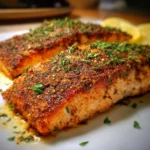
- 4 (6-ounce) Salmon Fillets: The star of the show. Aim for fillets that are about 1 to 1.5 inches thick to ensure they cook evenly and remain moist. You can use skin-on or skinless fillets; skin-on often helps keep the fish from drying out and can get wonderfully crispy. Both wild-caught (like Sockeye or Coho) and responsibly farm-raised (like Atlantic) salmon work beautifully here.
- 2 Tablespoons Olive Oil: This is essential for helping the spices adhere to the salmon and for promoting a beautiful, lightly crisped exterior during baking. A good quality extra-virgin olive oil will also add a subtle, fruity note to the dish.
- 1 ½ Tablespoons Cajun Seasoning: This is the heart of the recipe’s flavor profile. You can use a pre-made store-bought blend for convenience. Look for one with a balanced mix of paprika, cayenne, garlic powder, and herbs. Alternatively, you can create your own custom blend to control the salt and spice levels (see tips section).
- 1 Teaspoon Smoked Paprika: While most Cajun seasonings contain paprika, adding an extra teaspoon of the smoked variety introduces a deep, smoky undertone that elevates the entire dish, giving it a complexity that mimics food cooked over an open flame.
- 1 Teaspoon Garlic Powder: This provides a foundational savory and aromatic flavor that pairs perfectly with both the salmon and the Cajun spices. It distributes more evenly than fresh garlic in a dry rub.
- ½ Teaspoon Onion Powder: Working in tandem with the garlic powder, onion powder adds another layer of sweet, savory depth to the spice crust.
- ½ Teaspoon Dried Thyme: Thyme contributes a slightly earthy, minty, and lemony note that cuts through the richness of the salmon and complements the heat of the Cajun seasoning.
- ½ Teaspoon Salt (or to taste): Essential for enhancing all the other flavors. Be mindful of the salt content in your store-bought Cajun seasoning; you may need to adjust this amount accordingly. It’s always best to start with less and add more if needed.
- ¼ Teaspoon Black Pepper, freshly ground: Freshly ground pepper provides a pungent bite that stands up to the other bold spices.
- 1 Lemon, cut into wedges for serving: A fresh squeeze of lemon juice after baking is non-negotiable. The bright acidity cuts through the fats in the salmon and awakens all the flavors of the spice blend.
- 2 Tablespoons Fresh Parsley, chopped for garnish: This adds a final touch of freshness and a vibrant pop of color, making the dish as beautiful as it is delicious.
Instructions
This recipe is designed for simplicity and speed, making it perfect for any night of the week. Follow these steps for flawless, flavor-packed salmon every time.
- Prepare for Baking: Begin by preheating your oven to 400°F (200°C). Proper preheating is crucial for ensuring the salmon starts cooking immediately and evenly the moment it enters the oven. Line a large baking sheet with parchment paper or a silicone baking mat. This is a key step for two reasons: it prevents the salmon from sticking and makes cleanup incredibly easy.
- Prepare the Salmon Fillets: Remove the salmon fillets from the refrigerator. Using a paper towel, gently pat each fillet completely dry on all sides. This step is vital for achieving a nice crust. Moisture on the surface of the fish will steam it rather than allowing it to bake, so a dry surface is essential for the oil and spices to adhere properly. Place the dried salmon fillets on the prepared baking sheet, leaving some space between each one to allow for even air circulation.
- Create the Spice Rub: In a small bowl, combine the Cajun seasoning, smoked paprika, garlic powder, onion powder, dried thyme, salt, and freshly ground black pepper. Use a whisk or a fork to mix them together thoroughly until you have a uniform, fragrant spice blend. Breaking up any clumps ensures that every bite of the salmon will be evenly seasoned.
- Season the Salmon: Drizzle the 2 tablespoons of olive oil evenly over the tops and sides of the salmon fillets. Use your fingers or a pastry brush to gently rub the oil all over the flesh of the fish. This creates a base for the spice rub to stick to. Now, take your prepared spice blend and sprinkle it generously and evenly over the top of each fillet. Don’t be shy here; you want a good, thick coating to form a flavorful crust. Gently press the spices into the salmon with your fingers to help them adhere.
- Bake to Perfection: Place the baking sheet on the center rack of your preheated oven. Bake for 12-15 minutes. The exact cooking time will depend on the thickness of your fillets. You’ll know the salmon is perfectly cooked when it becomes opaque and flakes easily when gently prodded with a fork at its thickest part. For ultimate precision, you can use an instant-read thermometer; the internal temperature should read between 135°F and 140°F (57°C to 60°C) for a moist, tender result. Be careful not to overcook it, as salmon can go from perfect to dry very quickly.
- Rest and Garnish: Once cooked, carefully remove the baking sheet from the oven. Let the salmon rest on the baking sheet for 2-3 minutes. This allows the juices to redistribute throughout the fillet, resulting in a more succulent piece of fish. Just before serving, sprinkle the freshly chopped parsley over the fillets and serve immediately with fresh lemon wedges on the side for squeezing.
Nutrition
- Serving Size: one normal portion
- Calories: 380
- Carbohydrates: 2g
- Protein: 34g