
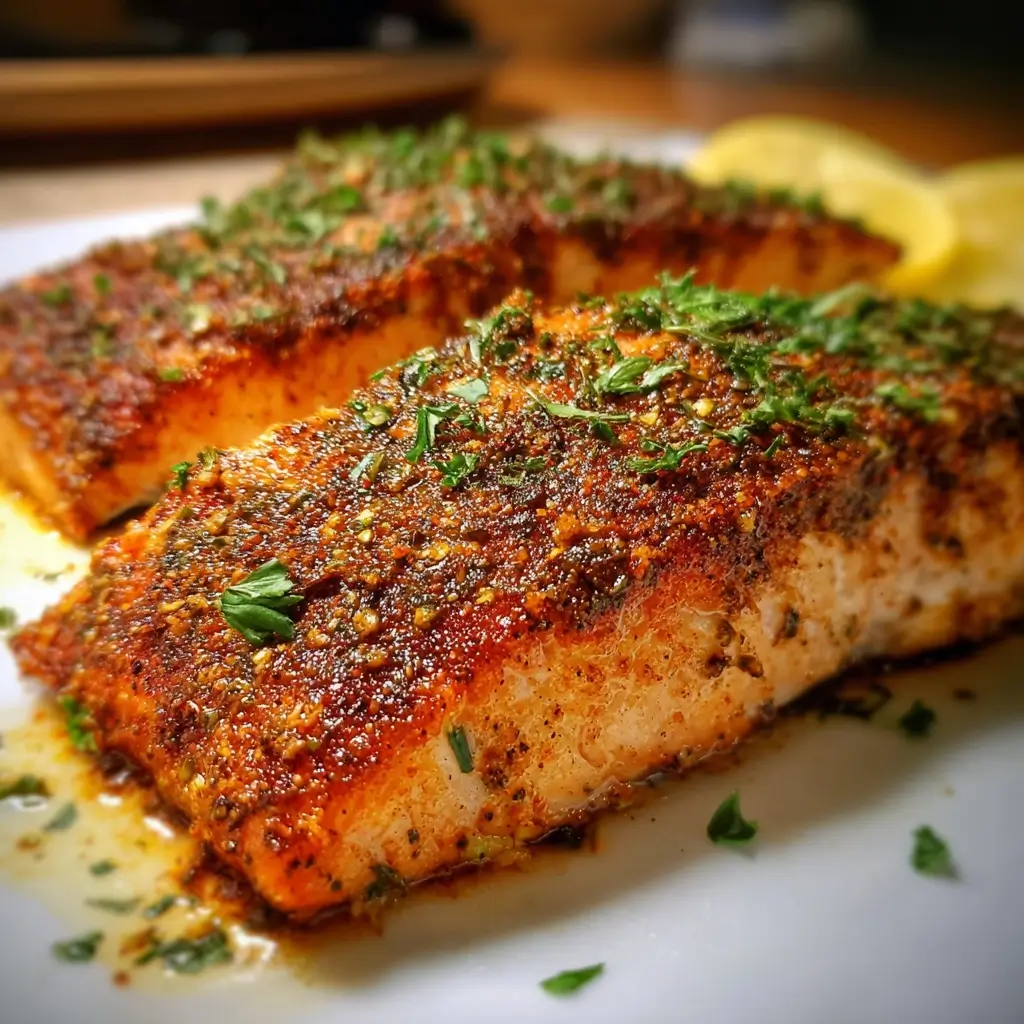
When the weeknight dinner dilemma strikes, my mind often races through a mental Rolodex of meals that are quick, healthy, and, most importantly, will be met with enthusiastic approval rather than groans from my family. It’s a tall order. For the longest time, I felt like I was juggling between bland-but-healthy and flavorful-but-time-consuming. Then, this Baked Cajun Salmon Fillets recipe entered our lives and completely changed the game. The first time I made it, the entire house filled with an incredible aroma of toasted spices and savory garlic. My kids, usually skeptical of fish, were drawn to the kitchen asking what smelled so good. At the dinner table, there was a moment of silence, followed by a chorus of “Wow, this is amazing!” The salmon was perfectly flaky, unbelievably moist, and coated in a crust of spices that delivered a kick of flavor without being overwhelmingly hot. It was a restaurant-quality meal made in under 30 minutes, and the clean plates and requests for seconds were all the proof I needed. This recipe isn’t just a meal; it’s our reliable, go-to solution for a delicious and wholesome dinner that feels like a special treat every single time. It has become a staple in our home, and I am so excited to share it with you so it can become one in yours, too.
Ingredients
To create this show-stopping dish, you’ll need a handful of high-quality ingredients. Each component plays a crucial role in building the layers of flavor that make this salmon unforgettable.
- 4 (6-ounce) Salmon Fillets: The star of the show. Aim for fillets that are about 1 to 1.5 inches thick to ensure they cook evenly and remain moist. You can use skin-on or skinless fillets; skin-on often helps keep the fish from drying out and can get wonderfully crispy. Both wild-caught (like Sockeye or Coho) and responsibly farm-raised (like Atlantic) salmon work beautifully here.
- 2 Tablespoons Olive Oil: This is essential for helping the spices adhere to the salmon and for promoting a beautiful, lightly crisped exterior during baking. A good quality extra-virgin olive oil will also add a subtle, fruity note to the dish.
- 1 ½ Tablespoons Cajun Seasoning: This is the heart of the recipe’s flavor profile. You can use a pre-made store-bought blend for convenience. Look for one with a balanced mix of paprika, cayenne, garlic powder, and herbs. Alternatively, you can create your own custom blend to control the salt and spice levels (see tips section).
- 1 Teaspoon Smoked Paprika: While most Cajun seasonings contain paprika, adding an extra teaspoon of the smoked variety introduces a deep, smoky undertone that elevates the entire dish, giving it a complexity that mimics food cooked over an open flame.
- 1 Teaspoon Garlic Powder: This provides a foundational savory and aromatic flavor that pairs perfectly with both the salmon and the Cajun spices. It distributes more evenly than fresh garlic in a dry rub.
- ½ Teaspoon Onion Powder: Working in tandem with the garlic powder, onion powder adds another layer of sweet, savory depth to the spice crust.
- ½ Teaspoon Dried Thyme: Thyme contributes a slightly earthy, minty, and lemony note that cuts through the richness of the salmon and complements the heat of the Cajun seasoning.
- ½ Teaspoon Salt (or to taste): Essential for enhancing all the other flavors. Be mindful of the salt content in your store-bought Cajun seasoning; you may need to adjust this amount accordingly. It’s always best to start with less and add more if needed.
- ¼ Teaspoon Black Pepper, freshly ground: Freshly ground pepper provides a pungent bite that stands up to the other bold spices.
- 1 Lemon, cut into wedges for serving: A fresh squeeze of lemon juice after baking is non-negotiable. The bright acidity cuts through the fats in the salmon and awakens all the flavors of the spice blend.
- 2 Tablespoons Fresh Parsley, chopped for garnish: This adds a final touch of freshness and a vibrant pop of color, making the dish as beautiful as it is delicious.
Instructions
This recipe is designed for simplicity and speed, making it perfect for any night of the week. Follow these steps for flawless, flavor-packed salmon every time.
- Prepare for Baking: Begin by preheating your oven to 400°F (200°C). Proper preheating is crucial for ensuring the salmon starts cooking immediately and evenly the moment it enters the oven. Line a large baking sheet with parchment paper or a silicone baking mat. This is a key step for two reasons: it prevents the salmon from sticking and makes cleanup incredibly easy.
- Prepare the Salmon Fillets: Remove the salmon fillets from the refrigerator. Using a paper towel, gently pat each fillet completely dry on all sides. This step is vital for achieving a nice crust. Moisture on the surface of the fish will steam it rather than allowing it to bake, so a dry surface is essential for the oil and spices to adhere properly. Place the dried salmon fillets on the prepared baking sheet, leaving some space between each one to allow for even air circulation.
- Create the Spice Rub: In a small bowl, combine the Cajun seasoning, smoked paprika, garlic powder, onion powder, dried thyme, salt, and freshly ground black pepper. Use a whisk or a fork to mix them together thoroughly until you have a uniform, fragrant spice blend. Breaking up any clumps ensures that every bite of the salmon will be evenly seasoned.
- Season the Salmon: Drizzle the 2 tablespoons of olive oil evenly over the tops and sides of the salmon fillets. Use your fingers or a pastry brush to gently rub the oil all over the flesh of the fish. This creates a base for the spice rub to stick to. Now, take your prepared spice blend and sprinkle it generously and evenly over the top of each fillet. Don’t be shy here; you want a good, thick coating to form a flavorful crust. Gently press the spices into the salmon with your fingers to help them adhere.
- Bake to Perfection: Place the baking sheet on the center rack of your preheated oven. Bake for 12-15 minutes. The exact cooking time will depend on the thickness of your fillets. You’ll know the salmon is perfectly cooked when it becomes opaque and flakes easily when gently prodded with a fork at its thickest part. For ultimate precision, you can use an instant-read thermometer; the internal temperature should read between 135°F and 140°F (57°C to 60°C) for a moist, tender result. Be careful not to overcook it, as salmon can go from perfect to dry very quickly.
- Rest and Garnish: Once cooked, carefully remove the baking sheet from the oven. Let the salmon rest on the baking sheet for 2-3 minutes. This allows the juices to redistribute throughout the fillet, resulting in a more succulent piece of fish. Just before serving, sprinkle the freshly chopped parsley over the fillets and serve immediately with fresh lemon wedges on the side for squeezing.
Nutrition Facts
This recipe is not only delicious but also packed with nutritional benefits. The following information is an approximation based on a single serving (one 6-ounce fillet).
- Servings: 4
- Calories Per Serving: Approximately 380 kcal
- High in Protein (Approx. 34g): Salmon is an excellent source of high-quality protein, which is vital for building and repairing tissues, supporting muscle mass, and keeping you feeling full and satisfied long after your meal.
- Rich in Omega-3 Fatty Acids (Approx. 2.5g): This is one of salmon’s most celebrated benefits. Omega-3s are essential fats known to support brain health, reduce inflammation, and promote a healthy cardiovascular system by lowering blood pressure and triglycerides.
- Low in Carbohydrates (Approx. 2g): With virtually all its flavor coming from spices and healthy fats, this dish is naturally very low in carbs, making it a fantastic choice for those following a low-carb or ketogenic lifestyle.
- Excellent Source of Vitamin D: Salmon is one of the few natural food sources of Vitamin D, a crucial nutrient for bone health, immune function, and mood regulation. A single serving can provide a significant portion of your daily requirement.
- Packed with B Vitamins: This dish is rich in a spectrum of B vitamins, including B12, B6, niacin, and riboflavin. These vitamins are essential for converting the food you eat into energy, supporting neurological function, and maintaining healthy skin and eyes.
Preparation Time
Designed for efficiency, this recipe is the ideal solution for busy weeknights when you crave a home-cooked meal without spending hours in the kitchen.
- Preparation: 10 minutes
- Cooking Time: 12-15 minutes
- Total Time: 22-25 minutes
From start to finish, you can have this incredibly flavorful and healthy Baked Cajun Salmon on your dinner table in under 30 minutes. The minimal prep work and hands-off baking time make it an absolute winner for a quick, stress-free meal.
How to Serve
The versatility of this Baked Cajun Salmon means it can be the centerpiece of many different types of meals. Here are some serving suggestions to inspire you, ranging from classic comforts to light and healthy pairings.
- Classic and Hearty Pairings:
- Dirty Rice: Serve the salmon over a bed of traditional Cajun dirty rice for a truly authentic and flavor-packed meal.
- Creamy Grits or Polenta: The creamy, smooth texture of grits or polenta provides a perfect, comforting base that beautifully contrasts with the spicy, flaky salmon.
- Roasted Vegetables: Toss asparagus, broccoli, or bell peppers with a little olive oil and salt, and roast them alongside the salmon for a simple, all-in-one-pan meal.
- Garlic Mashed Potatoes: A scoop of fluffy, creamy garlic mashed potatoes is the ultimate comfort food pairing that helps balance the spice of the salmon.
- Lighter and Healthier Sides:
- Quinoa or Cauliflower Rice: For a nutrient-dense and low-carb option, serve the salmon with fluffy quinoa or seasoned cauliflower rice.
- Simple Green Salad: A crisp salad with a light lemon vinaigrette offers a refreshing counterpoint to the rich salmon and bold spices.
- Steamed Green Beans with Lemon: A side of tender-crisp steamed green beans, tossed with a squeeze of lemon and a pinch of salt, adds a vibrant and healthy element to the plate.
- Avocado and Corn Salsa: A fresh, chunky salsa made with avocado, corn, red onion, cilantro, and lime juice can be spooned over the salmon for added texture and a cool, creamy contrast.
- Creative Serving Ideas:
- Cajun Salmon Tacos: Flake the cooked salmon into warm corn or flour tortillas and top with shredded cabbage, pico de gallo, and a drizzle of creamy cilantro-lime sauce.
- Spicy Salmon Salad: Allow the salmon to cool, then flake it into a bowl and mix with mayonnaise or Greek yogurt, celery, and red onion to create a delicious salmon salad for sandwiches or crackers.
- Pasta Dishes: Flake the salmon and toss it with your favorite pasta, some olive oil, garlic, cherry tomatoes, and a handful of spinach for a quick and elegant pasta meal.
- Grain Bowls: Build a healthy and satisfying grain bowl with a base of brown rice or farro, topped with the Cajun salmon, roasted sweet potatoes, black beans, and a dollop of Greek yogurt.
Additional Tips
Unlock the full potential of this recipe and customize it to your liking with these eight professional tips.
- Don’t Overbake the Salmon: This is the most important tip. Salmon continues to cook from residual heat after being removed from the oven. For the moistest result, take it out when the center is still slightly translucent and the internal temperature is just shy of 145°F. It will finish cooking as it rests.
- Skin-On for Crispy Results: If you love crispy salmon skin, cook the fillets skin-side down on the parchment paper. For an even crispier finish, you can switch the oven to the broil setting for the last 1-2 minutes of cooking, watching it carefully to prevent burning.
- Make Your Own Cajun Seasoning: For superior flavor and control over the salt and heat, create your own blend. A great starting point is: 3 tbsp smoked paprika, 2 tbsp salt, 2 tbsp garlic powder, 1 tbsp black pepper, 1 tbsp white pepper, 1 tbsp onion powder, 1 tbsp cayenne pepper, and 1 tbsp dried oregano. Mix and store in an airtight container.
- Control the Spice Level: The beauty of this recipe is its adaptability. If you prefer a milder flavor, use a Cajun seasoning blend that is low on cayenne or reduce the amount you use. For a spicier kick, add an extra ¼ to ½ teaspoon of cayenne pepper to your spice rub.
- Bring Salmon to Room Temperature: For more even cooking, let the salmon fillets sit on the counter for about 15-20 minutes before seasoning and baking. Placing a cold piece of fish in a hot oven can lead to the outside cooking much faster than the inside.
- The Magic of a Quick Marination: If you have an extra 15-30 minutes, you can elevate the flavor even more. Mix the olive oil and spice blend together to form a paste. Rub this paste all over the salmon and let it marinate in the refrigerator before baking. This allows the flavors to penetrate the fish more deeply.
- Choose the Right Baking Sheet: Use a light-colored, heavy-duty baking sheet. Dark, thin baking sheets can absorb more heat and may cause the bottom of the salmon and the spices to burn before the fish is cooked through.
- Double the Batch for Meal Prep: This recipe is fantastic for meal prepping. Bake a double batch, and you’ll have delicious, healthy protein ready for the next few days. The leftovers are perfect for salads, tacos, wraps, or simply reheated for another quick dinner.
FAQ Section
Here are answers to some of the most common questions about making perfect Baked Cajun Salmon.
1. Can I use frozen salmon for this recipe?
Absolutely. It’s best to thaw the frozen salmon completely before you begin. The safest way is to let it thaw overnight in the refrigerator. If you’re in a hurry, you can place the vacuum-sealed salmon in a bowl of cold water for about an hour. Once thawed, pat it very dry with paper towels as instructed in the recipe.
2. How do I know for sure when the salmon is cooked?
There are two reliable methods. The visual cue is to gently press on the thickest part of the fillet with a fork. If it flakes apart easily and the flesh has turned from translucent pink to opaque, it’s done. The most accurate method is to use an instant-read food thermometer. Insert it into the thickest part of the fillet; a reading of 135-140°F (57-60°C) is perfect for moist salmon.
3. Can I make this recipe in an air fryer?
Yes, this recipe works wonderfully in an air fryer! Preheat your air fryer to 390°F (198°C). Season the salmon as directed and place it in the air fryer basket, skin-side down if applicable. Cook for 7-9 minutes, depending on the thickness of your fillets. There’s no need to flip it. The air fryer will create an extra crispy crust.
4. What is the best type of salmon to use?
You have several great options. King (Chinook) salmon is rich and oily with a buttery texture. Sockeye is leaner with a deeper red color and more intense flavor. Coho has a milder flavor and is a good middle ground. Atlantic salmon, which is typically farm-raised, has a mild flavor and high-fat content, making it very forgiving to cook. Any of these will be delicious.
5. How should I store and reheat leftovers?
Store any leftover salmon in an airtight container in the refrigerator for up to 3 days. To reheat, it’s best to avoid the microwave, which can dry it out. Instead, warm it gently in a 275°F (135°C) oven for about 10-15 minutes, or until warmed through. You can also enjoy the leftovers cold on a salad or in a sandwich.
6. This recipe sounds spicy. How can I make it milder for kids or sensitive palates?
The spice level is easily adjustable. The “heat” in Cajun seasoning comes primarily from cayenne pepper. You can either buy a “mild” Cajun seasoning blend or significantly reduce the amount you use in the recipe. Alternatively, when making your own blend, simply omit or drastically reduce the cayenne pepper. You’ll still get all the wonderful savory and smoky flavors.
7. My salmon skin never gets crispy. What am I doing wrong?
Crispy skin comes down to three things: a dry surface, high heat, and direct contact. First, make sure you pat the skin completely dry. Second, ensure your oven is fully preheated to 400°F or higher. Finally, for the best results, place the salmon skin-side down on the hot, parchment-lined pan. For a guaranteed crispy finish, use the broiler for the final minute of cooking.
8. Can I prepare this dish ahead of time?
Yes, you can do some prep work to make dinner even faster. The spice blend can be mixed together and stored in an airtight container for weeks. You can also season the salmon fillets, place them in an airtight container or on a covered plate, and refrigerate for up to 4 hours before you plan to bake them. Just take them out of the fridge about 15 minutes before they go into the oven.
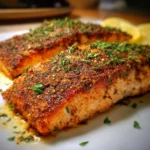
Baked Cajun Salmon Fillets
Ingredients
To create this show-stopping dish, you’ll need a handful of high-quality ingredients. Each component plays a crucial role in building the layers of flavor that make this salmon unforgettable.
- 4 (6-ounce) Salmon Fillets: The star of the show. Aim for fillets that are about 1 to 1.5 inches thick to ensure they cook evenly and remain moist. You can use skin-on or skinless fillets; skin-on often helps keep the fish from drying out and can get wonderfully crispy. Both wild-caught (like Sockeye or Coho) and responsibly farm-raised (like Atlantic) salmon work beautifully here.
- 2 Tablespoons Olive Oil: This is essential for helping the spices adhere to the salmon and for promoting a beautiful, lightly crisped exterior during baking. A good quality extra-virgin olive oil will also add a subtle, fruity note to the dish.
- 1 ½ Tablespoons Cajun Seasoning: This is the heart of the recipe’s flavor profile. You can use a pre-made store-bought blend for convenience. Look for one with a balanced mix of paprika, cayenne, garlic powder, and herbs. Alternatively, you can create your own custom blend to control the salt and spice levels (see tips section).
- 1 Teaspoon Smoked Paprika: While most Cajun seasonings contain paprika, adding an extra teaspoon of the smoked variety introduces a deep, smoky undertone that elevates the entire dish, giving it a complexity that mimics food cooked over an open flame.
- 1 Teaspoon Garlic Powder: This provides a foundational savory and aromatic flavor that pairs perfectly with both the salmon and the Cajun spices. It distributes more evenly than fresh garlic in a dry rub.
- ½ Teaspoon Onion Powder: Working in tandem with the garlic powder, onion powder adds another layer of sweet, savory depth to the spice crust.
- ½ Teaspoon Dried Thyme: Thyme contributes a slightly earthy, minty, and lemony note that cuts through the richness of the salmon and complements the heat of the Cajun seasoning.
- ½ Teaspoon Salt (or to taste): Essential for enhancing all the other flavors. Be mindful of the salt content in your store-bought Cajun seasoning; you may need to adjust this amount accordingly. It’s always best to start with less and add more if needed.
- ¼ Teaspoon Black Pepper, freshly ground: Freshly ground pepper provides a pungent bite that stands up to the other bold spices.
- 1 Lemon, cut into wedges for serving: A fresh squeeze of lemon juice after baking is non-negotiable. The bright acidity cuts through the fats in the salmon and awakens all the flavors of the spice blend.
- 2 Tablespoons Fresh Parsley, chopped for garnish: This adds a final touch of freshness and a vibrant pop of color, making the dish as beautiful as it is delicious.
Instructions
This recipe is designed for simplicity and speed, making it perfect for any night of the week. Follow these steps for flawless, flavor-packed salmon every time.
- Prepare for Baking: Begin by preheating your oven to 400°F (200°C). Proper preheating is crucial for ensuring the salmon starts cooking immediately and evenly the moment it enters the oven. Line a large baking sheet with parchment paper or a silicone baking mat. This is a key step for two reasons: it prevents the salmon from sticking and makes cleanup incredibly easy.
- Prepare the Salmon Fillets: Remove the salmon fillets from the refrigerator. Using a paper towel, gently pat each fillet completely dry on all sides. This step is vital for achieving a nice crust. Moisture on the surface of the fish will steam it rather than allowing it to bake, so a dry surface is essential for the oil and spices to adhere properly. Place the dried salmon fillets on the prepared baking sheet, leaving some space between each one to allow for even air circulation.
- Create the Spice Rub: In a small bowl, combine the Cajun seasoning, smoked paprika, garlic powder, onion powder, dried thyme, salt, and freshly ground black pepper. Use a whisk or a fork to mix them together thoroughly until you have a uniform, fragrant spice blend. Breaking up any clumps ensures that every bite of the salmon will be evenly seasoned.
- Season the Salmon: Drizzle the 2 tablespoons of olive oil evenly over the tops and sides of the salmon fillets. Use your fingers or a pastry brush to gently rub the oil all over the flesh of the fish. This creates a base for the spice rub to stick to. Now, take your prepared spice blend and sprinkle it generously and evenly over the top of each fillet. Don’t be shy here; you want a good, thick coating to form a flavorful crust. Gently press the spices into the salmon with your fingers to help them adhere.
- Bake to Perfection: Place the baking sheet on the center rack of your preheated oven. Bake for 12-15 minutes. The exact cooking time will depend on the thickness of your fillets. You’ll know the salmon is perfectly cooked when it becomes opaque and flakes easily when gently prodded with a fork at its thickest part. For ultimate precision, you can use an instant-read thermometer; the internal temperature should read between 135°F and 140°F (57°C to 60°C) for a moist, tender result. Be careful not to overcook it, as salmon can go from perfect to dry very quickly.
- Rest and Garnish: Once cooked, carefully remove the baking sheet from the oven. Let the salmon rest on the baking sheet for 2-3 minutes. This allows the juices to redistribute throughout the fillet, resulting in a more succulent piece of fish. Just before serving, sprinkle the freshly chopped parsley over the fillets and serve immediately with fresh lemon wedges on the side for squeezing.
Nutrition
- Serving Size: one normal portion
- Calories: 380
- Carbohydrates: 2g
- Protein: 34g