
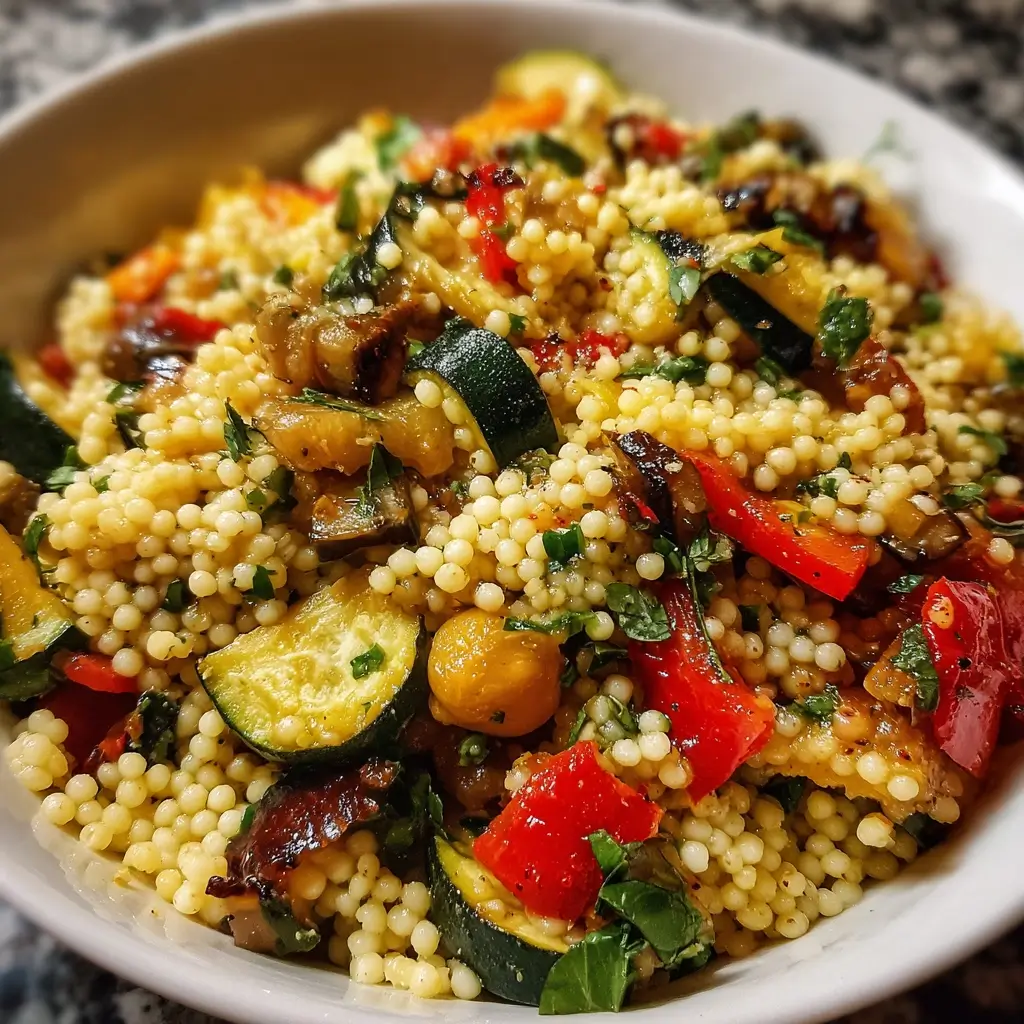

Of all the weeknight dinner dilemmas I’ve faced, the most common is the battle between time, health, and taste. It often feels like you can only pick two. A quick meal might not be the healthiest, and a truly delicious, wholesome dinner can seem to take hours. That was my reality until I perfected this Fast Mediterranean Veggie Couscous. The first time I made it, it was out of sheer necessity. The fridge was a collection of random vegetables, I had a box of couscous in the pantry, and only about 20 minutes before the “I’m hungry!” chorus began. I threw it all together, guided by the sunny flavors of the Mediterranean, and held my breath. The result was nothing short of a revelation. My entire family, including my usually-skeptical-of-veggies husband, devoured it. The fluffy, flavor-infused couscous, the crisp-tender vegetables, the salty punch of feta, and the bright, zesty lemon dressing created a harmony that tasted like it had been simmering for hours. Now, it’s our go-to recipe for busy weeknights, a reliable lifesaver that delivers a vibrant, satisfying, and genuinely healthy meal in under 20 minutes. It’s the dish that proved to me that you don’t have to compromise; you can have it all, even on a Tuesday night.
Ingredients
This recipe relies on fresh, simple components that come together to create something truly special. Each ingredient plays a crucial role in building the layers of flavor and texture that define this Mediterranean classic.
- For the Couscous:
- 1 cup Moroccan Couscous: These tiny pasta pearls are the star of the show. Moroccan couscous is much smaller than its Israeli or Pearl counterpart and cooks in just 5 minutes, making it ideal for a fast meal.
- 1 ¼ cups Vegetable Broth or Water: Using vegetable broth instead of water is a simple trick to infuse the couscous with a deep, savory flavor from the very beginning. Low-sodium broth is an excellent choice to control the salt level.
- For the Vegetable Medley:
- 1 can (15 ounces) Chickpeas (Garbanzo Beans): Rinsed and drained, these provide a fantastic source of plant-based protein and fiber, making the dish substantial and filling.
- 1 cup Cherry or Grape Tomatoes: Halved. Their sweetness bursts through, offering a juicy contrast to the other ingredients without making the salad watery.
- 1 English Cucumber: Diced. English cucumbers have thin skin and fewer seeds, providing a pure, crisp crunch.
- 1 Red Bell Pepper: Diced. It adds a sweet, crisp texture and a beautiful pop of vibrant color. Any color of bell pepper will work wonderfully.
- ½ cup Red Onion: Finely diced. It offers a pungent, sharp bite that cuts through the richness of the other ingredients. Soaking it in cold water for 10 minutes can mellow its flavor if you prefer.
- ½ cup Kalamata Olives: Halved. These are essential for that signature salty, briny, and unmistakably Mediterranean taste.
- ½ cup Crumbled Feta Cheese: This brings a creamy texture and a tangy, salty finish that ties the entire dish together.
- For the Lemon-Herb Vinaigrette:
- ¼ cup Extra Virgin Olive Oil: The foundation of any good Mediterranean dressing. A quality olive oil will lend a fruity, peppery note.
- ¼ cup Fresh Lemon Juice: This is non-negotiable! The bright acidity of fresh-squeezed lemon juice awakens all the other flavors. It’s the key to the dish’s fresh taste.
- 2 cloves Garlic: Minced. Fresh garlic provides an aromatic, pungent kick that is essential to the dressing.
- ½ cup Fresh Parsley: Finely chopped. It adds a clean, peppery, and bright herbaceous note.
- ¼ cup Fresh Mint: Finely chopped. Mint introduces a cool, refreshing counterpoint that elevates the salad from good to unforgettable.
- 1 teaspoon Dried Oregano: Complements the fresh herbs with its earthy, robust flavor profile.
- Salt and Black Pepper to taste: To season and enhance all the flavors.
Instructions
Follow these simple steps to create a perfect bowl of Mediterranean Veggie Couscous every single time. The key is in the timing and the technique of fluffing the couscous to ensure a light, airy texture.
Step 1: Cook the Couscous to Perfection
Begin by bringing the 1 ¼ cups of vegetable broth (or water) to a rolling boil in a medium saucepan. Once boiling, add a pinch of salt. Pour in the 1 cup of Moroccan couscous, give it a single, quick stir, and immediately turn off the heat. Cover the saucepan with a tight-fitting lid and move it off the hot burner. Let the couscous sit, covered and undisturbed, for 5 to 7 minutes. This is the magic step where the couscous absorbs the liquid and steams itself into fluffy perfection. Do not peek or stir during this time.
Step 2: Prepare the Vegetables and Herbs
While the couscous is steaming, use this time efficiently to prepare your mix-ins. This is what makes the recipe so fast! Wash and chop all your vegetables. Halve the cherry tomatoes, dice the English cucumber and red bell pepper, and finely dice the red onion. Halve the Kalamata olives. Rinse and drain the can of chickpeas thoroughly. Finely chop the fresh parsley and mint. Having everything prepped and ready in a large mixing bowl will make the final assembly a breeze.
Step 3: Whisk Together the Zesty Vinaigrette
In a small bowl or a glass jar with a lid, combine all the dressing ingredients. Add the ¼ cup of extra virgin olive oil, ¼ cup of fresh lemon juice, 2 minced cloves of garlic, the chopped fresh parsley and mint, and the dried oregano. Whisk vigorously until the oil and lemon juice have emulsified, creating a slightly thickened, cohesive dressing. If using a jar, simply seal the lid tightly and shake well for about 30 seconds. Season with salt and freshly ground black pepper to your preference.
Step 4: Fluff and Combine
Once the couscous has finished steaming, remove the lid. You will see that it has absorbed all the liquid. Take a fork and gently scrape and lift the grains to separate them. This is called “fluffing” and it’s a crucial step to prevent the couscous from becoming a dense, clumpy mass. The goal is to have light, individual grains.
Step 5: Assemble Your Masterpiece
Pour the still-warm, fluffed couscous into the large mixing bowl with all your prepared vegetables and chickpeas. Drizzle about three-quarters of the prepared vinaigrette over the top. Gently toss everything together until the couscous and vegetables are evenly coated. The warmth of the couscous will help it absorb the flavors of the dressing more effectively.
Step 6: Final Touches and Serving
Gently fold in the crumbled feta cheese and the halved Kalamata olives. You want to mix them in at the end to prevent the feta from breaking down too much. Give the salad a final taste and add more salt, pepper, or the remaining dressing if needed. You can serve the dish immediately while it’s slightly warm, or let it chill in the refrigerator for a more traditional cold salad experience.
Nutrition Facts
This dish is a powerhouse of balanced nutrition, making it as good for your body as it is for your taste buds.
- Servings: This recipe yields approximately 6 servings.
- Calories per Serving: Approximately 350-400 kcal.
- Protein (Approx. 12g): A significant portion of plant-based protein comes from the chickpeas and couscous, helping to keep you full and satisfied while supporting muscle maintenance.
- Fiber (Approx. 8g): Packed with fiber from the whole vegetables and chickpeas, this dish aids in healthy digestion and promotes a feeling of fullness, which can help with weight management.
- Healthy Fats (Approx. 15g): The majority of the fat content comes from the monounsaturated fats in the extra virgin olive oil and the fats in the feta cheese, which are beneficial for heart health.
- Vitamins and Minerals: This couscous salad is a rainbow of vegetables, meaning it’s rich in a wide array of essential nutrients. You’ll get Vitamin C from the bell peppers and tomatoes, iron from the chickpeas, and a host of antioxidants from the fresh herbs and lemon.
- Complex Carbohydrates (Approx. 45g): The couscous provides a steady release of energy, preventing the blood sugar spikes and crashes associated with more refined carbohydrates.
Preparation Time
This recipe is designed for maximum efficiency, making it a true weeknight warrior.
- Total Time: 15-20 minutes
- Prep Time: 10 minutes (This involves all the chopping of vegetables and whisking of the dressing, which can be done while the couscous cooks).
- Cook Time: 5-7 minutes (This is the hands-off time where the couscous steams).
The beauty of this dish is in its parallel processing. The active “prep” time happens simultaneously with the “cook” time, meaning from the moment you start to the moment it’s on the table is less than half an hour.
How to Serve
This Fast Mediterranean Veggie Couscous is incredibly versatile. It can be a standalone star or a fantastic supporting player in a larger meal. Here are some wonderful ways to serve it:
- As a Complete Vegetarian Main Course:
- Serve it warm or at room temperature in a large bowl for a light yet completely satisfying lunch or dinner.
- Top with an extra sprinkle of feta cheese, a drizzle of high-quality olive oil, and a few whole mint leaves for a beautiful presentation.
- As a Healthy and Hearty Side Dish:
- This couscous pairs beautifully with grilled proteins. It’s a classic accompaniment to:
- Grilled Chicken Skewers or a simple Lemon-Herb Grilled Chicken Breast.
- Flaky Grilled Salmon or Pan-Seared Shrimp.
- Grilled Beef or Lamb Kofta.
- Crispy Falafel for an extra plant-based boost.
- This couscous pairs beautifully with grilled proteins. It’s a classic accompaniment to:
- Perfect for Meal Prep:
- Portion the finished couscous into individual airtight containers for grab-and-go lunches throughout the week.
- Pro-Tip: To keep it extra fresh, you can store the dressing separately and add it just before eating. However, it also holds up remarkably well when pre-dressed.
- For Gatherings and Potlucks:
- This dish is a crowd-pleaser and travels exceptionally well. Make a double batch and bring it in a large serving bowl to your next BBQ, picnic, or potluck. It can be served cold or at room temperature, so you don’t have to worry about reheating.
- Creative Serving Ideas:
- Stuffed Bell Peppers: Hollow out raw bell peppers (any color) and stuff them with the couscous salad for a fun, edible bowl.
- Pita Pockets: Spoon the couscous into warm, soft pita bread for a delicious and portable sandwich. Adding a dollop of hummus or tzatziki inside takes it to the next level.
- Lettuce Wraps: For a low-carb option, serve spoonfuls of the couscous salad in crisp butter lettuce or romaine leaves.
Additional Tips
Unlock the full potential of this recipe with these eight expert tips that will elevate your couscous from great to absolutely exceptional.
- Toast Your Couscous: For an extra layer of nutty, complex flavor, try toasting the dry couscous before adding the liquid. Simply heat a teaspoon of olive oil in your saucepan over medium heat, add the dry couscous, and stir constantly for 2-3 minutes until it’s fragrant and slightly golden. Then, proceed with adding the boiling broth as directed.
- Respect the Fluffing Technique: The single most common mistake with couscous is ending up with a gummy, dense texture. The key is to let it steam, undisturbed, off the heat. When it’s done, don’t stir it with a spoon. Use a fork to gently scrape and lift the grains, breaking up any clumps and incorporating air. This ensures a light, fluffy result.
- Dress It While It’s Warm: Tossing the freshly fluffed, slightly warm couscous with the vinaigrette is a game-changer. The warm grains are more porous and will soak up the lemon, garlic, and herb flavors of the dressing much more effectively than cold couscous would.
- Salt Your Liquid: Just like with pasta, it’s essential to salt the vegetable broth or water before you add the couscous. This seasons the couscous from the inside out, building a foundation of flavor that you can’t achieve by just salting at the end.
- Tame the Onion’s Bite: If you or your family find the taste of raw red onion too sharp or overpowering, there’s an easy fix. After dicing the onion, place it in a small bowl of cold water for 10-15 minutes. Drain it well before adding it to the salad. This simple process mellows the pungent flavor significantly without sacrificing its satisfying crunch.
- Don’t Skimp on Fresh Herbs: While dried oregano has its place, the fresh parsley and mint are absolutely vital to the bright, vibrant character of this dish. They provide a freshness that dried herbs simply cannot replicate. If you can, always opt for fresh.
- Let the Flavors Marry: While this dish is fantastic served immediately, it gets even better with time. If you can, let it sit for at least 30 minutes at room temperature (or a few hours in the fridge) before serving. This allows the flavors of the dressing, veggies, and herbs to meld and deepen.
- Customize with the Seasons: Think of this recipe as a template. Feel free to swap out the vegetables based on what’s in season or what you have on hand. In the fall, try roasted butternut squash and kale. In the spring, add blanched asparagus and peas. Sun-dried tomatoes, artichoke hearts, or roasted zucchini are also fantastic additions.
FAQ Section
Here are answers to some of the most frequently asked questions about this Fast Mediterranean Veggie Couscous recipe.
1. Can I make this recipe vegan?
Absolutely! This recipe is very easy to make vegan. The only non-vegan ingredient is the feta cheese. You can simply omit it, and the salad will still be delicious. For that salty, briny flavor, you can add a few extra Kalamata olives or some chopped capers. Alternatively, there are many excellent plant-based feta cheese substitutes available in most grocery stores today that crumble and taste remarkably like the real thing.
2. How can I make this dish gluten-free?
Couscous is made from semolina wheat, so it is not gluten-free. However, you can easily substitute it to make the entire dish gluten-free. The best substitute is quinoa, which has a similar size and texture and is a complete protein. Simply cook the quinoa according to package directions and proceed with the recipe. Other great gluten-free options include millet or even brown rice, though these will alter the texture and cooking time.
3. How long will this couscous salad last in the refrigerator?
This salad stores beautifully. Place any leftovers in an airtight container and it will keep well in the refrigerator for 3 to 4 days. In fact, many people find that the flavor is even better on the second day as the ingredients have had more time to meld. The cucumber may lose a little of its crispness over time, but it will still be delicious.
4. Can I use Israeli (Pearl) Couscous instead of Moroccan couscous?
Yes, you can, but you must change the cooking method. Israeli or Pearl couscous consists of much larger pasta spheres and cannot be cooked by simply steaming. It needs to be boiled like regular pasta. Typically, you’ll boil it in salted water or broth for about 8-10 minutes until it’s al dente, then drain it well before adding it to the vegetables. It will result in a chewier, more pasta-like texture, which is also wonderful.
5. My couscous turned out clumpy. What did I do wrong?
Clumpy couscous is usually the result of one of two things: an incorrect liquid-to-couscous ratio or improper fluffing. Ensure you are using the correct measurements (typically 1 part couscous to 1.25 parts liquid). Most importantly, after the couscous has steamed, you must use a fork (not a spoon) to fluff it. Gently scrape the surface to separate the grains and introduce air. If you stir it vigorously with a spoon, you risk mashing the delicate grains together.
6. I want to add more protein. What are some good options?
This dish is a fantastic base for additional protein. For a non-vegetarian option, it’s incredible with leftover shredded rotisserie chicken, grilled chicken breast, or grilled shrimp. For a pescatarian twist, a can of high-quality, oil-packed tuna, flaked and mixed in, is a classic Mediterranean addition. To keep it vegetarian while boosting protein, you could add a can of cannellini beans alongside the chickpeas or top the salad with toasted slivered almonds or sunflower seeds.
7. Can I make this salad ahead of time for a party?
Yes, this is an ideal make-ahead dish. You can prepare the entire salad, including the dressing, up to 24 hours in advance and store it in a covered bowl in the refrigerator. For the absolute best texture and flavor, I recommend keeping the chopped fresh herbs and feta cheese separate and folding them in just before you serve it. This will ensure the herbs stay bright green and the feta remains distinct and creamy.
8. Is this recipe considered healthy?
Yes, this is an exceptionally healthy recipe. It is a cornerstone of the Mediterranean diet, which is consistently ranked as one of the healthiest eating patterns in the world. It is packed with fiber-rich vegetables, plant-based protein from chickpeas, healthy monounsaturated fats from olive oil, and a wide spectrum of vitamins and antioxidants. It’s a balanced, whole-food meal that is both filling and nourishing.
Fast Mediterranean Veggie Couscous
Ingredients
This recipe relies on fresh, simple components that come together to create something truly special. Each ingredient plays a crucial role in building the layers of flavor and texture that define this Mediterranean classic.
- For the Couscous:
- 1 cup Moroccan Couscous: These tiny pasta pearls are the star of the show. Moroccan couscous is much smaller than its Israeli or Pearl counterpart and cooks in just 5 minutes, making it ideal for a fast meal.
- 1 ¼ cups Vegetable Broth or Water: Using vegetable broth instead of water is a simple trick to infuse the couscous with a deep, savory flavor from the very beginning. Low-sodium broth is an excellent choice to control the salt level.
- For the Vegetable Medley:
- 1 can (15 ounces) Chickpeas (Garbanzo Beans): Rinsed and drained, these provide a fantastic source of plant-based protein and fiber, making the dish substantial and filling.
- 1 cup Cherry or Grape Tomatoes: Halved. Their sweetness bursts through, offering a juicy contrast to the other ingredients without making the salad watery.
- 1 English Cucumber: Diced. English cucumbers have thin skin and fewer seeds, providing a pure, crisp crunch.
- 1 Red Bell Pepper: Diced. It adds a sweet, crisp texture and a beautiful pop of vibrant color. Any color of bell pepper will work wonderfully.
- ½ cup Red Onion: Finely diced. It offers a pungent, sharp bite that cuts through the richness of the other ingredients. Soaking it in cold water for 10 minutes can mellow its flavor if you prefer.
- ½ cup Kalamata Olives: Halved. These are essential for that signature salty, briny, and unmistakably Mediterranean taste.
- ½ cup Crumbled Feta Cheese: This brings a creamy texture and a tangy, salty finish that ties the entire dish together.
- For the Lemon-Herb Vinaigrette:
- ¼ cup Extra Virgin Olive Oil: The foundation of any good Mediterranean dressing. A quality olive oil will lend a fruity, peppery note.
- ¼ cup Fresh Lemon Juice: This is non-negotiable! The bright acidity of fresh-squeezed lemon juice awakens all the other flavors. It’s the key to the dish’s fresh taste.
- 2 cloves Garlic: Minced. Fresh garlic provides an aromatic, pungent kick that is essential to the dressing.
- ½ cup Fresh Parsley: Finely chopped. It adds a clean, peppery, and bright herbaceous note.
- ¼ cup Fresh Mint: Finely chopped. Mint introduces a cool, refreshing counterpoint that elevates the salad from good to unforgettable.
- 1 teaspoon Dried Oregano: Complements the fresh herbs with its earthy, robust flavor profile.
- Salt and Black Pepper to taste: To season and enhance all the flavors.
Instructions
Follow these simple steps to create a perfect bowl of Mediterranean Veggie Couscous every single time. The key is in the timing and the technique of fluffing the couscous to ensure a light, airy texture.
Step 1: Cook the Couscous to Perfection
Begin by bringing the 1 ¼ cups of vegetable broth (or water) to a rolling boil in a medium saucepan. Once boiling, add a pinch of salt. Pour in the 1 cup of Moroccan couscous, give it a single, quick stir, and immediately turn off the heat. Cover the saucepan with a tight-fitting lid and move it off the hot burner. Let the couscous sit, covered and undisturbed, for 5 to 7 minutes. This is the magic step where the couscous absorbs the liquid and steams itself into fluffy perfection. Do not peek or stir during this time.
Step 2: Prepare the Vegetables and Herbs
While the couscous is steaming, use this time efficiently to prepare your mix-ins. This is what makes the recipe so fast! Wash and chop all your vegetables. Halve the cherry tomatoes, dice the English cucumber and red bell pepper, and finely dice the red onion. Halve the Kalamata olives. Rinse and drain the can of chickpeas thoroughly. Finely chop the fresh parsley and mint. Having everything prepped and ready in a large mixing bowl will make the final assembly a breeze.
Step 3: Whisk Together the Zesty Vinaigrette
In a small bowl or a glass jar with a lid, combine all the dressing ingredients. Add the ¼ cup of extra virgin olive oil, ¼ cup of fresh lemon juice, 2 minced cloves of garlic, the chopped fresh parsley and mint, and the dried oregano. Whisk vigorously until the oil and lemon juice have emulsified, creating a slightly thickened, cohesive dressing. If using a jar, simply seal the lid tightly and shake well for about 30 seconds. Season with salt and freshly ground black pepper to your preference.
Step 4: Fluff and Combine
Once the couscous has finished steaming, remove the lid. You will see that it has absorbed all the liquid. Take a fork and gently scrape and lift the grains to separate them. This is called “fluffing” and it’s a crucial step to prevent the couscous from becoming a dense, clumpy mass. The goal is to have light, individual grains.
Step 5: Assemble Your Masterpiece
Pour the still-warm, fluffed couscous into the large mixing bowl with all your prepared vegetables and chickpeas. Drizzle about three-quarters of the prepared vinaigrette over the top. Gently toss everything together until the couscous and vegetables are evenly coated. The warmth of the couscous will help it absorb the flavors of the dressing more effectively.
Step 6: Final Touches and Serving
Gently fold in the crumbled feta cheese and the halved Kalamata olives. You want to mix them in at the end to prevent the feta from breaking down too much. Give the salad a final taste and add more salt, pepper, or the remaining dressing if needed. You can serve the dish immediately while it’s slightly warm, or let it chill in the refrigerator for a more traditional cold salad experience.
Nutrition
- Serving Size: one normal portion
- Calories: 400
- Fat: 15g
- Carbohydrates: 45g
- Fiber: 8g
- Protein: 12g