

After a particularly hectic week, there’s nothing I crave more than a meal that’s both comforting and nourishing, without demanding hours in the kitchen. That’s when Honey Balsamic Roasted Vegetables become my absolute go-to. Honestly, this recipe has been a game-changer in our household. Even my kids, who are usually skeptical about anything green or orange, devour these vibrant, caramelized veggies. The sweet honey and tangy balsamic glaze transforms ordinary vegetables into something truly extraordinary. The aroma alone, filling the kitchen with a sweet and savory scent as they roast, is enough to make your mouth water. And the best part? It’s incredibly versatile. We’ve paired it with everything from grilled chicken to simple pasta dishes, and it always shines. If you’re looking for a side dish that’s healthy, flavorful, and easy to make, look no further. This Honey Balsamic Roasted Vegetables recipe is guaranteed to become a family favorite, just like it is in ours.
Ingredients for Honey Balsamic Roasted Vegetables
- Broccoli Florets: (1 large head) – Provides a hearty, slightly bitter base that beautifully soaks up the glaze.
- Carrots: (3-4 medium, peeled and chopped) – Adds sweetness and vibrant color, becoming tender and caramelized when roasted.
- Bell Peppers: (2, any color, seeded and chopped) – Contributes a sweet and slightly smoky flavor, and a satisfyingly soft texture.
- Red Onion: (1 large, quartered or sliced) – Offers a pungent, savory note that mellows and sweetens as it roasts.
- Zucchini or Yellow Squash: (2 medium, chopped) – Brings a mild, slightly sweet flavor and a tender texture to the mix.
- Olive Oil: (3 tablespoons) – Essential for roasting, it helps the vegetables caramelize and prevents them from drying out.
- Balsamic Vinegar: (3 tablespoons) – Provides a rich, tangy, and slightly sweet base for the glaze, adding depth of flavor.
- Honey: (2 tablespoons) – Sweetens the glaze and helps create a beautiful, sticky caramelization on the vegetables.
- Garlic Powder: (1 teaspoon) – Enhances the savory flavors and adds a subtle aromatic touch.
- Dried Thyme: (1 teaspoon) – Lends an earthy, slightly minty aroma that complements the balsamic and honey.
- Dried Rosemary: (½ teaspoon) – Offers a piney, fragrant note that pairs wonderfully with roasted vegetables.
- Salt: (to taste) – Essential for seasoning and enhancing the natural flavors of the vegetables.
- Black Pepper: (to taste) – Adds a touch of spice and depth to the overall flavor profile.
- Optional: Red Pepper Flakes: (¼ teaspoon or to taste) – For a hint of heat and added complexity.
- Fresh Parsley: (for garnish, optional) – Adds a fresh, vibrant touch and visual appeal.
Instructions for Perfect Honey Balsamic Roasted Vegetables
- Preheat Your Oven and Prepare Vegetables: Preheat your oven to 400°F (200°C). This high temperature is crucial for achieving perfectly roasted, slightly caramelized vegetables. While the oven is preheating, wash and chop all your vegetables into roughly equal sizes. Aim for pieces that are about 1-2 inches in size. This ensures even cooking and prevents some vegetables from becoming overcooked while others remain undercooked. Larger pieces will take longer to cook and will be softer, while smaller pieces will cook faster and be crisper.
- Combine Vegetables and Olive Oil: In a large bowl, toss all the chopped vegetables together. Drizzle with olive oil, ensuring all the vegetables are lightly coated. Olive oil is essential for roasting as it helps the vegetables caramelize, adds flavor, and prevents them from drying out in the oven’s heat. Toss thoroughly with your hands or a large spoon to distribute the oil evenly.
- Prepare the Honey Balsamic Glaze: In a small bowl, whisk together the balsamic vinegar, honey, garlic powder, dried thyme, dried rosemary, salt, and black pepper (and red pepper flakes, if using). Whisk until the honey is fully incorporated and the glaze is smooth. The balsamic vinegar provides tanginess, the honey adds sweetness and helps with caramelization, and the spices enhance the overall flavor profile. Taste the glaze and adjust seasoning if needed, adding a bit more salt or pepper to your preference.
- Pour Glaze Over Vegetables and Toss: Pour the honey balsamic glaze over the vegetables in the bowl. Toss everything together again, making sure every piece of vegetable is nicely coated with the glaze. This step is vital for infusing the vegetables with the delicious honey balsamic flavor and ensuring they roast beautifully. Even coating is key for consistent flavor in every bite.
- Arrange Vegetables on a Baking Sheet: Spread the glazed vegetables in a single layer on a large baking sheet. Using a large baking sheet is important to avoid overcrowding. Overcrowding will steam the vegetables instead of roasting them, resulting in soggy, not caramelized, vegetables. If necessary, use two baking sheets to ensure a single layer. If you have parchment paper or foil, you can line the baking sheet for easier cleanup, but it’s not essential.
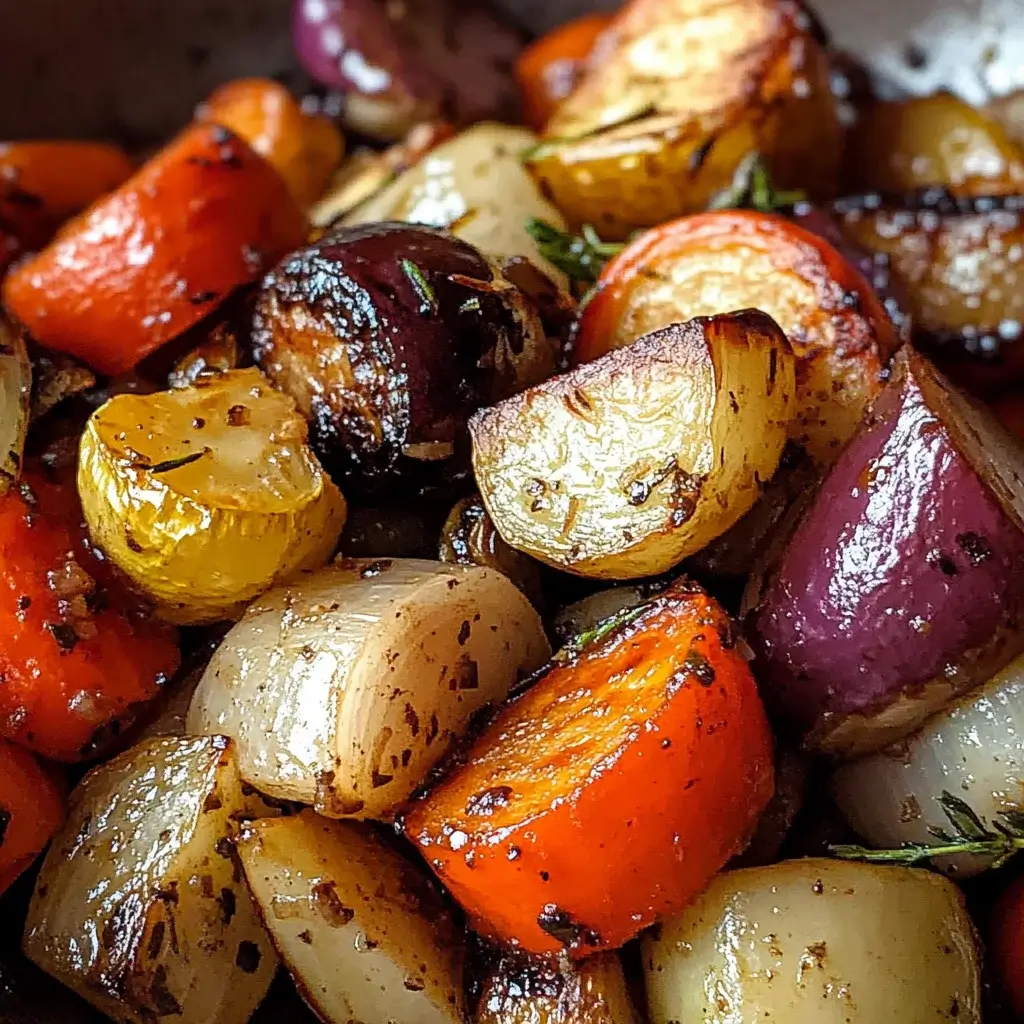
- Roast the Vegetables: Place the baking sheet in the preheated oven and roast for 25-35 minutes, or until the vegetables are tender-crisp and slightly caramelized. The roasting time will depend on the size of your vegetable pieces and your oven. Start checking for doneness around 25 minutes. Stir the vegetables halfway through the roasting time (around 15-20 minutes) to ensure even cooking and caramelization on all sides. This also prevents any sticking to the baking sheet.
- Check for Doneness: To check if the vegetables are done, pierce a carrot or broccoli floret with a fork. It should be tender but still have a slight bite – tender-crisp is the ideal texture for roasted vegetables. You also want to see some nice caramelization and slight browning around the edges of the vegetables. If they are not tender enough, return them to the oven for another 5-10 minutes, checking again for doneness.
- Garnish and Serve: Once the vegetables are perfectly roasted, remove the baking sheet from the oven. If desired, garnish with fresh parsley for a pop of color and fresh flavor. Serve immediately while they are warm and flavorful. Roasted vegetables are best enjoyed fresh out of the oven, but they can also be served at room temperature.
Nutrition Facts for Honey Balsamic Roasted Vegetables
(Note: Nutritional information is an estimate and may vary based on specific ingredients and serving sizes.)
Servings: 6
Calories per Serving: Approximately 150-180 kcal
- Total Fat: 8-10g
- Saturated Fat: 1-1.5g
Preparation Time for Honey Balsamic Roasted Vegetables
This recipe is wonderfully quick to prepare, making it perfect for busy weeknights or when you need a delicious side dish in a hurry.
- Prep Time: 15-20 minutes (This includes washing, chopping the vegetables, and mixing the glaze).
- Cook Time: 25-35 minutes (Roasting time in the oven).
- Total Time: Approximately 40-55 minutes.
From start to finish, you can have a flavorful and healthy side dish ready in under an hour. Most of the time is hands-off, spent letting the oven work its magic, roasting the vegetables to perfection.
How to Serve Honey Balsamic Roasted Vegetables
These Honey Balsamic Roasted Vegetables are incredibly versatile and can be served in a multitude of ways. Here are some delicious serving suggestions:
- As a Side Dish:
- Alongside Main Courses: Pair them with grilled or baked chicken, fish, steak, or tofu for a balanced and nutritious meal. They complement almost any protein beautifully.
- With Grains: Serve alongside quinoa, couscous, rice, or farro for a hearty and satisfying vegetarian or vegan meal. The roasted vegetables add flavor and texture to simple grains.
- With Pasta: Toss them with your favorite pasta, a drizzle of olive oil, and some Parmesan cheese (optional) for a simple and flavorful pasta dish.
- As Part of a Larger Meal:
- Holiday Side Dish: Perfect for Thanksgiving, Christmas, or Easter dinner as a healthy and flavorful alternative to heavier side dishes.
- Potluck Contribution: Roasted vegetables are a great dish to bring to potlucks or gatherings – they are crowd-pleasing, easy to transport, and can be served warm or at room temperature.
- BBQ Side: An excellent accompaniment to grilled meats and burgers at a barbecue.
- Creative Serving Ideas:
- Roasted Vegetable Salad: Let the roasted vegetables cool slightly and toss them with mixed greens, feta cheese or goat cheese, toasted nuts, and a light vinaigrette for a vibrant and flavorful salad.
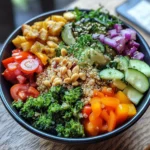
- Roasted Vegetable Bowls: Create nourishing bowls by layering roasted vegetables over a base of grains (like quinoa or brown rice), adding a protein source (beans, lentils, chickpeas, grilled chicken), and a flavorful sauce (tahini dressing, pesto).
- Roasted Vegetable Pizza Topping: Add roasted vegetables to your homemade or store-bought pizza for extra flavor and nutrients. They are delicious with goat cheese and a balsamic drizzle.
- Roasted Vegetable Frittata or Omelette: Incorporate leftover roasted vegetables into a frittata or omelette for a flavorful and healthy breakfast or brunch.
- Tacos or Wraps Filling: Use roasted vegetables as a filling for vegetarian tacos or wraps, adding salsa, avocado, and other desired toppings.
Additional Tips for the Best Honey Balsamic Roasted Vegetables
To ensure your Honey Balsamic Roasted Vegetables are absolutely perfect every time, here are some helpful tips and tricks:
- Cut Vegetables to Uniform Size: As mentioned earlier, cutting your vegetables into similar sizes is crucial for even cooking. This ensures that all the vegetables will be tender at the same time and prevents some from being overcooked while others are undercooked. Consistency in size promotes even roasting and texture.
- Don’t Overcrowd the Baking Sheet: Overcrowding is the biggest mistake people make when roasting vegetables. When the baking sheet is too crowded, the vegetables will steam instead of roast, resulting in soggy, not crispy, vegetables. Ensure vegetables are in a single layer with space around them for proper air circulation and caramelization. Use two baking sheets if necessary.
- Preheat the Baking Sheet (Optional): For extra crispy vegetables, you can preheat your baking sheet in the oven while it’s preheating. Carefully place the vegetables on the hot baking sheet once it’s preheated. This helps to sear the vegetables immediately and encourages better browning and crispiness.
- Use Fresh, High-Quality Vegetables: The flavor of roasted vegetables is heavily dependent on the quality of the vegetables themselves. Choose fresh, firm, and vibrant vegetables for the best taste and texture. Seasonal vegetables, when in their prime, will have the most flavor.
- Adjust Vegetables Based on Season and Preference: Feel free to customize the vegetable mix based on what’s in season and what you enjoy. Root vegetables like sweet potatoes, parsnips, and beets are excellent additions in the fall and winter. Asparagus, green beans, and snap peas are great for spring. Summer squash, corn, and tomatoes can also be roasted (though tomatoes might become quite soft).
- Experiment with Different Herbs and Spices: While thyme and rosemary are classic choices, you can experiment with other herbs and spices to change the flavor profile. Try oregano, basil, Italian seasoning, paprika, or cumin. A pinch of red pepper flakes adds a nice kick.
- Add Lemon Juice or Zest: A squeeze of fresh lemon juice or lemon zest at the end of roasting brightens the flavors and adds a touch of acidity that complements the sweetness of the honey and balsamic.
- Storage and Reheating: Leftover roasted vegetables can be stored in an airtight container in the refrigerator for 3-4 days. To reheat, you can warm them up in the oven at 350°F (175°C) for about 10-15 minutes, or until heated through. You can also reheat them in a skillet on the stovetop or in the microwave, although they might not be as crispy as freshly roasted vegetables. They are also delicious cold or at room temperature in salads or bowls.
Frequently Asked Questions (FAQ) About Honey Balsamic Roasted Vegetables
Q1: Can I use frozen vegetables for this recipe?
A: While fresh vegetables are recommended for the best flavor and texture in roasting, you can use frozen vegetables in a pinch. However, frozen vegetables contain more moisture and may not caramelize as well as fresh. If using frozen vegetables, thaw them completely and pat them dry thoroughly with paper towels before tossing with olive oil and glaze. This will help remove excess moisture and improve browning. You might also need to roast them for a slightly longer time.
Q2: Can I roast vegetables without olive oil?
A: Olive oil is crucial for roasting vegetables as it helps them caramelize, prevents them from drying out, and adds flavor. While you can try roasting without oil, the vegetables are likely to become dry, less flavorful, and won’t achieve that desirable roasted texture and browning. If you are trying to reduce oil, you can use a very small amount of olive oil or try a cooking spray, but the results will be different.
Q3: How do I prevent my vegetables from burning?
A: To prevent burning, make sure your oven temperature is accurate and not too high. Don’t overcrowd the baking sheet, as steaming can also lead to burning in some areas while others remain undercooked. Stir the vegetables halfway through roasting to ensure even cooking. If you notice the vegetables are browning too quickly, you can lower the oven temperature slightly or loosely cover the baking sheet with foil for part of the roasting time.
Q4: Can I prepare the vegetables ahead of time?
A: Yes, you can chop the vegetables ahead of time, even a day or two in advance. Store chopped vegetables in airtight containers in the refrigerator. You can also prepare the honey balsamic glaze ahead of time and store it in a sealed container at room temperature. However, it’s best to toss the vegetables with the glaze and roast them just before serving for the best texture and flavor.
Q5: What other vegetables can I add to this recipe?
A: This recipe is very versatile, and you can add or substitute many different vegetables based on your preference and availability. Other great vegetables for roasting include: sweet potatoes, butternut squash, Brussels sprouts, cauliflower, parsnips, beets, asparagus, green beans, fennel, and mushrooms. Consider roasting denser vegetables like potatoes and root vegetables for a longer time than quicker-cooking vegetables like zucchini and bell peppers.
Q6: Can I make this recipe vegan?
A: Yes, this recipe is easily made vegan by ensuring you use a vegan-friendly honey alternative, such as agave nectar, maple syrup, or brown rice syrup. All the other ingredients are naturally vegan-friendly.
Q7: How do I make the vegetables crispier?
A: For crispier roasted vegetables, ensure you are not overcrowding the baking sheet. Preheating the baking sheet can also help. Roasting at a slightly higher temperature (425°F or 220°C) for a shorter time can also encourage crispiness, but watch them closely to prevent burning. Make sure vegetables are thoroughly dried after washing and before tossing with oil, as excess moisture hinders crisping.
Q8: Can I use a different type of vinegar instead of balsamic?
A: While balsamic vinegar provides a unique rich and slightly sweet flavor that is key to this recipe, you can experiment with other types of vinegar if you don’t have balsamic on hand. Apple cider vinegar or red wine vinegar can be used as substitutes, but they will have a tangier and less sweet flavor profile. You may need to adjust the amount of honey to balance the acidity depending on the vinegar you choose.
Print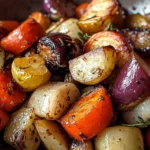
Honey Balsamic Roasted Vegetables
Ingredients
- Broccoli Florets: (1 large head) – Provides a hearty, slightly bitter base that beautifully soaks up the glaze.
- Carrots: (3-4 medium, peeled and chopped) – Adds sweetness and vibrant color, becoming tender and caramelized when roasted.
- Bell Peppers: (2, any color, seeded and chopped) – Contributes a sweet and slightly smoky flavor, and a satisfyingly soft texture.
- Red Onion: (1 large, quartered or sliced) – Offers a pungent, savory note that mellows and sweetens as it roasts.
- Zucchini or Yellow Squash: (2 medium, chopped) – Brings a mild, slightly sweet flavor and a tender texture to the mix.
- Olive Oil: (3 tablespoons) – Essential for roasting, it helps the vegetables caramelize and prevents them from drying out.
- Balsamic Vinegar: (3 tablespoons) – Provides a rich, tangy, and slightly sweet base for the glaze, adding depth of flavor.
- Honey: (2 tablespoons) – Sweetens the glaze and helps create a beautiful, sticky caramelization on the vegetables.
- Garlic Powder: (1 teaspoon) – Enhances the savory flavors and adds a subtle aromatic touch.
- Dried Thyme: (1 teaspoon) – Lends an earthy, slightly minty aroma that complements the balsamic and honey.
- Dried Rosemary: (½ teaspoon) – Offers a piney, fragrant note that pairs wonderfully with roasted vegetables.
- Salt: (to taste) – Essential for seasoning and enhancing the natural flavors of the vegetables.
- Black Pepper: (to taste) – Adds a touch of spice and depth to the overall flavor profile.
- Optional: Red Pepper Flakes: (¼ teaspoon or to taste) – For a hint of heat and added complexity.
- Fresh Parsley: (for garnish, optional) – Adds a fresh, vibrant touch and visual appeal.
Instructions
- Preheat Your Oven and Prepare Vegetables: Preheat your oven to 400°F (200°C). This high temperature is crucial for achieving perfectly roasted, slightly caramelized vegetables. While the oven is preheating, wash and chop all your vegetables into roughly equal sizes. Aim for pieces that are about 1-2 inches in size. This ensures even cooking and prevents some vegetables from becoming overcooked while others remain undercooked. Larger pieces will take longer to cook and will be softer, while smaller pieces will cook faster and be crisper.
- Combine Vegetables and Olive Oil: In a large bowl, toss all the chopped vegetables together. Drizzle with olive oil, ensuring all the vegetables are lightly coated. Olive oil is essential for roasting as it helps the vegetables caramelize, adds flavor, and prevents them from drying out in the oven’s heat. Toss thoroughly with your hands or a large spoon to distribute the oil evenly.
- Prepare the Honey Balsamic Glaze: In a small bowl, whisk together the balsamic vinegar, honey, garlic powder, dried thyme, dried rosemary, salt, and black pepper (and red pepper flakes, if using). Whisk until the honey is fully incorporated and the glaze is smooth. The balsamic vinegar provides tanginess, the honey adds sweetness and helps with caramelization, and the spices enhance the overall flavor profile. Taste the glaze and adjust seasoning if needed, adding a bit more salt or pepper to your preference.
- Pour Glaze Over Vegetables and Toss: Pour the honey balsamic glaze over the vegetables in the bowl. Toss everything together again, making sure every piece of vegetable is nicely coated with the glaze. This step is vital for infusing the vegetables with the delicious honey balsamic flavor and ensuring they roast beautifully. Even coating is key for consistent flavor in every bite.
- Arrange Vegetables on a Baking Sheet: Spread the glazed vegetables in a single layer on a large baking sheet. Using a large baking sheet is important to avoid overcrowding. Overcrowding will steam the vegetables instead of roasting them, resulting in soggy, not caramelized, vegetables. If necessary, use two baking sheets to ensure a single layer. If you have parchment paper or foil, you can line the baking sheet for easier cleanup, but it’s not essential.
- Roast the Vegetables: Place the baking sheet in the preheated oven and roast for 25-35 minutes, or until the vegetables are tender-crisp and slightly caramelized. The roasting time will depend on the size of your vegetable pieces and your oven. Start checking for doneness around 25 minutes. Stir the vegetables halfway through the roasting time (around 15-20 minutes) to ensure even cooking and caramelization on all sides. This also prevents any sticking to the baking sheet.
- Check for Doneness: To check if the vegetables are done, pierce a carrot or broccoli floret with a fork. It should be tender but still have a slight bite – tender-crisp is the ideal texture for roasted vegetables. You also want to see some nice caramelization and slight browning around the edges of the vegetables. If they are not tender enough, return them to the oven for another 5-10 minutes, checking again for doneness.
- Garnish and Serve: Once the vegetables are perfectly roasted, remove the baking sheet from the oven. If desired, garnish with fresh parsley for a pop of color and fresh flavor. Serve immediately while they are warm and flavorful. Roasted vegetables are best enjoyed fresh out of the oven, but they can also be served at room temperature.
Nutrition
- Serving Size: one normal portion
- Calories: 180
- Fat: 10g
- Saturated Fat: 1.5g