

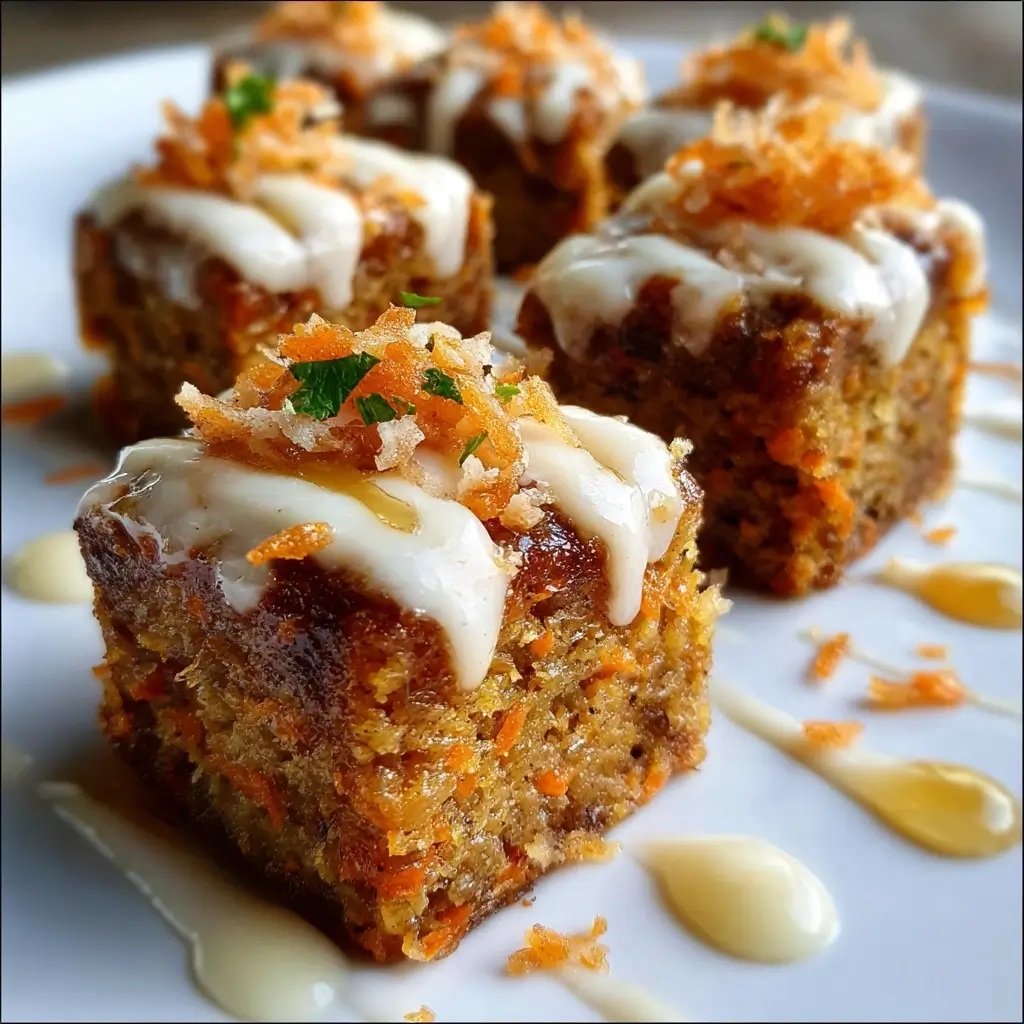
Of all the desserts that have graced my family’s table, none disappear quite as fast as these Honey Glazed Carrot Cake Bites. I remember the first time I decided to transform my classic, time-honored carrot cake recipe into a miniature, party-friendly version. I was skeptical. Would they have the same moist, tender crumb? Would the delicate balance of spice and sweetness translate to a smaller form? The moment of truth came during a bustling family get-together. I placed a platter of these glistening, gem-like bites on the dessert table, and within minutes, they were the center of attention. My nephew, usually a chocolate-only advocate, took one bite and his eyes widened. “This is the best part of the cake, but in one bite!” he declared. He was right. Each morsel is a perfect symphony: the warmth of cinnamon and nutmeg, the earthy sweetness of carrots, the tangy cream cheese frosting, and the final, shimmering kiss of a delicate honey glaze. They are more than just a dessert; they are an experience, a conversation starter, and the guaranteed star of any occasion. This recipe isn’t just about baking; it’s about creating tiny moments of pure joy, one irresistible bite at a time.
Ingredients
Here are the carefully selected components you’ll need to create these delectable treats. Using fresh, high-quality ingredients is the first step toward achieving the perfect texture and flavor. The ingredients are separated into two parts for clarity: the cake bites themselves and the signature frosting and glaze.
For the Carrot Cake Bites:
- 1 ½ cups Cake Flour: This low-protein flour creates a much softer, more tender crumb than all-purpose flour, which is essential for that melt-in-your-mouth texture.
- 1 teaspoon Baking Soda: The primary leavening agent that reacts with the acidic components to give the bites their lift.
- ½ teaspoon Salt: Crucial for balancing the sweetness and enhancing all the other flavors in the cake.
- 1 ½ teaspoons Ground Cinnamon: The quintessential warm spice that gives carrot cake its signature aromatic and comforting flavor.
- ½ teaspoon Ground Nutmeg: Adds a deep, sweet, and slightly woody note that beautifully complements the cinnamon.
- ¼ teaspoon Ground Ginger: Provides a subtle, zesty kick that brightens the overall spice profile.
- 2 Large Eggs: Should be at room temperature to ensure they mix evenly into the batter, creating a uniform texture.
- ¾ cup Granulated Sugar: Provides the primary sweetness and contributes to a moist, tender structure.
- ½ cup Brown Sugar, packed: Adds a deeper, caramel-like flavor and extra moisture due to its molasses content.
- ¾ cup Vegetable Oil: The secret to an incredibly moist and tender cake that stays fresh for days.
- 1 teaspoon Vanilla Extract: A fundamental flavor enhancer that rounds out the sweetness and complements the spices.
- 2 cups Finely Grated Carrots: This is about 3-4 medium carrots. Grate them fresh for the best moisture and flavor; avoid pre-shredded carrots which are often dry.
For the Cream Cheese Frosting & Honey Glaze:
- 8 ounces Cream Cheese, full-fat: Must be softened to room temperature to avoid a lumpy frosting. The block-style cream cheese is recommended over the whipped tub variety for better structure.
- 4 tablespoons Unsalted Butter, softened: Adds richness, flavor, and a smoother consistency to the frosting.
- 2 cups Powdered Sugar, sifted: Sifting is a non-negotiable step to ensure a silky-smooth, grit-free frosting.
- 1 teaspoon Vanilla Extract: Enhances the flavor of the cream cheese and butter.
- 2 tablespoons Honey: The star of the glaze, providing a unique floral sweetness that sets these bites apart. A mild clover or wildflower honey works best.
- 1 tablespoon Hot Water: Used to thin the honey just enough to create a perfectly drizzly, glaze-like consistency.
Instructions
Follow these detailed, step-by-step instructions to ensure your Honey Glazed Carrot Cake Bites are a stunning success. The process is broken down into three main stages: creating the cake batter, baking the bites, and finally, preparing and applying the frosting and glaze.
Part 1: Preparing the Carrot Cake Batter
- Preheat and Prepare: Begin by preheating your oven to 350°F (175°C). Generously grease and flour a 24-cup mini muffin tin. This double preparation of greasing and flouring is vital to prevent the moist cake bites from sticking.
- Combine Dry Ingredients: In a medium-sized bowl, whisk together the cake flour, baking soda, salt, ground cinnamon, ground nutmeg, and ground ginger. Whisking serves the same purpose as sifting, aerating the flour and ensuring the leavening agents and spices are evenly distributed. Set this bowl aside.
- Combine Wet Ingredients: In a separate, larger bowl, use an electric mixer (or a whisk and some elbow grease) to beat the two large eggs until they are light and frothy. Gradually beat in the granulated sugar and the packed brown sugar until the mixture is well combined and slightly thickened.
- Incorporate Oil and Vanilla: With the mixer on low speed, slowly stream in the vegetable oil. Continue mixing until the oil is fully incorporated and the batter is smooth. This slow addition helps create a stable emulsion, which is key to a moist cake. Stir in the vanilla extract.
- Marry Wet and Dry: Pour the dry ingredient mixture into the wet ingredient mixture in two or three additions. Mix on low speed only until the flour is just incorporated. Be very careful not to overmix at this stage; overmixing develops gluten and will result in tough, dense cake bites instead of light and tender ones.
- Fold in the Carrots: Switch from the mixer to a rubber spatula. Gently fold the 2 cups of finely grated carrots into the batter. Use a folding motion—scraping down the side of the bowl and folding the batter over the top—to incorporate the carrots without deflating the batter.
Part 2: Baking the Bites
- Fill the Muffin Tin: Carefully portion the batter into the prepared mini muffin cups, filling each one about two-thirds to three-quarters full. This leaves enough room for them to rise without spilling over. A small cookie scoop is an excellent tool for this, ensuring uniform size and clean portioning.
- Bake to Perfection: Place the mini muffin tin in the center rack of your preheated oven. Bake for 12 to 15 minutes. The bites are done when a wooden toothpick or cake tester inserted into the center of a bite comes out clean or with a few moist crumbs attached (but no wet batter).
- Initial Cooling: Once baked, remove the pan from the oven and place it on a wire cooling rack. Let the carrot cake bites cool in the pan for about 10 minutes. This allows them to set up slightly, making them easier to remove without breaking.
- Complete Cooling: After 10 minutes, carefully invert the pan onto the wire rack to release the bites. If any are stubborn, a thin knife or offset spatula run around the edge can help. Let the bites cool completely on the wire rack. This step is critical; frosting warm cake will result in a melted, runny mess.
Part 3: Preparing the Frosting and Glaze
- Make the Cream Cheese Frosting: While the cake bites are cooling, prepare the frosting. In a large bowl, use an electric mixer to beat the softened cream cheese and softened unsalted butter together on medium speed until the mixture is completely smooth and creamy, with no lumps. This should take about 2-3 minutes.
- Add Sugar and Vanilla: Turn the mixer down to low and gradually add the sifted powdered sugar, one cup at a time. Once the sugar is mostly incorporated, add the teaspoon of vanilla extract.
- Whip to Fluffy Perfection: Increase the mixer speed to medium-high and whip the frosting for another 2-3 minutes until it is light, fluffy, and holds its shape. Do not overbeat, as it can sometimes cause the frosting to become too soft.
- Frost the Cooled Bites: Once the carrot cake bites are completely cool to the touch, you can frost them. You can use a small offset spatula to spread a dollop of frosting on top of each bite for a rustic look, or transfer the frosting to a piping bag fitted with a star tip for a more elegant, professional finish.
- Prepare and Apply the Honey Glaze: In a small bowl, whisk together the 2 tablespoons of honey and the 1 tablespoon of hot water. The hot water will thin the honey to a perfect drizzling consistency. Immediately after whisking, use a spoon to lightly drizzle the honey glaze over the frosted carrot cake bites. The glaze will set slightly as it cools.
Nutrition Facts
- Servings: This recipe yields approximately 24 carrot cake bites.
- Calories per Serving: Approximately 165 kcal per bite.
- Vitamin A: Carrots are a fantastic source of beta-carotene, which the body converts into Vitamin A, essential for vision and immune function.
- Carbohydrates: These bites provide a quick source of energy, primarily from the flour and sugars.
- Fat: The oil, cream cheese, and butter contribute to the rich flavor and moist texture of the dessert.
Preparation Time
- Active Preparation Time: 25 minutes (includes mixing the batter and frosting).
- Baking Time: 12-15 minutes.
- Cooling and Assembly Time: 60 minutes (essential for proper cooling before frosting).
- Total Time: Approximately 1 hour and 40 minutes from start to finish.
How to Serve
These Honey Glazed Carrot Cake Bites are versatile and can be presented in numerous delightful ways to suit any occasion. Here are some ideas to elevate their presentation:
- On a Tiered Dessert Stand: For elegant events like bridal showers, afternoon tea, or holiday parties, arrange the bites on a two or three-tiered stand. This creates a stunning visual centerpiece for your dessert table.
- Party Platter Perfection:
- Arrange them in neat rows or a circular pattern on a large white or wooden platter.
- Garnish the platter with a sprinkle of finely chopped pecans or walnuts for a bit of crunch and visual appeal.
- A light dusting of cinnamon over the entire platter just before serving can enhance the aroma.
- Individual Servings: For a more formal sit-down dinner, place two or three bites on a small dessert plate for each guest. You can add a small mint sprig or a single fresh raspberry next to them for a pop of color.
- Brunch Buffet Star: Add them to your brunch spread alongside pastries, fruit, and other morning treats. Their bite-sized nature makes them a perfect sweet nibble to accompany coffee or tea.
- Gift-Giving and Bake Sales:
- Package them in small, clear-lidded bakery boxes tied with a ribbon for a beautiful and delicious homemade gift.
- Arrange them in decorative cupcake liners to make them easy to handle and sell at bake sales.
Additional Tips
Unlock the full potential of this recipe with these eight expert tips, designed to ensure flawless results and allow for creative customization.
- The Secret is in the Shred: For the most moist and flavorful cake, always grate your own carrots using the fine side of a box grater or a food processor’s fine shredding disc. Pre-shredded carrots from the store are often dry and thick, which will negatively impact the final texture.
- Room Temperature is Non-Negotiable: This tip cannot be overstated, especially for the frosting. Softened cream cheese and butter are essential for a smooth, lump-free consistency. Similarly, room temperature eggs incorporate more easily into the batter, creating more volume and a lighter cake.
- The Gentle Art of Folding: When adding the dry ingredients and especially the carrots, resist the urge to beat or stir vigorously. Overmixing develops gluten in the flour, leading to a tough, rubbery cake. A gentle folding motion with a spatula is all you need to combine the ingredients while preserving the batter’s light texture.
- Master the Muffin Tin Prep: Mini muffin tins are notorious for sticking. A quick spray of non-stick oil is often not enough for a moist cake like this. Take the extra minute to grease each cup thoroughly with butter or shortening, then dust with flour, tapping out any excess. This creates a foolproof non-stick barrier.
- Perfecting the Frosting Consistency: If your cream cheese frosting seems too thin, add more sifted powdered sugar, a tablespoon at a time, until it reaches your desired thickness. If it’s too thick, you can thin it with a teaspoon of milk or heavy cream.
- Patience in Cooling: Never, ever frost a warm cake bite. Even a slightly warm cake will cause the cream cheese frosting to melt into a greasy, separated puddle. The bites must be completely cool to the touch. You can even pop them in the refrigerator for 15 minutes to be absolutely sure.
- Nut and Fruit Variations: Feel free to customize! You can add ½ cup of finely chopped pecans or walnuts to the batter along with the dry ingredients for a lovely crunch. A ½ cup of raisins or drained crushed pineapple (squeeze out all excess liquid) can also be folded in with the carrots for extra flavor and moisture.
- The Art of the Drizzle: For a beautiful, delicate honey drizzle, don’t overheat the honey-water mixture. You just want it warm enough to be fluid. Use the tip of a spoon or a fork to flick the glaze back and forth over the frosted bites for a professional, Jackson Pollock-esque effect.
Frequently Asked Questions (FAQ)
Here are answers to some of the most common questions about making these Honey Glazed Carrot Cake Bites.
1. Can I make these carrot cake bites ahead of time?
Absolutely! These are a great make-ahead dessert. You can bake the cake bites up to two days in advance. Store them in an airtight container at room temperature. The frosting can also be made up to three days ahead and stored in an airtight container in the refrigerator. Let the frosting sit at room temperature for about 20-30 minutes to soften slightly before whipping it again for a minute to restore its fluffy texture. Frost and glaze the bites on the day you plan to serve them for the best results.
2. Can I freeze the carrot cake bites?
Yes, they freeze beautifully. For best results, freeze the unfrosted cake bites. Allow them to cool completely, then arrange them in a single layer on a baking sheet and flash-freeze for about an hour. Once solid, transfer them to a freezer-safe zip-top bag or airtight container. They can be frozen for up to 3 months. To thaw, simply place them on the counter at room temperature for an hour or two before frosting and glazing.
3. What if I don’t have a mini muffin tin?
No problem! You can adapt this recipe. You can bake it in a standard 12-cup muffin tin; just increase the baking time to about 18-22 minutes. Alternatively, you can bake it as a small sheet cake in an 8×8 inch pan for 25-30 minutes. Once cooled, you can frost the entire cake and cut it into small squares to create “bites.”
4. Can I substitute all-purpose flour for the cake flour?
You can, but the texture will be slightly different. Cake flour creates a more tender and delicate crumb. If you must use all-purpose flour, for every 1 cup of flour, remove 2 tablespoons of flour and replace it with 2 tablespoons of cornstarch. Whisk this mixture together very well before using it. This will help mimic the lower protein content of cake flour.
5. Why did my cream cheese frosting turn out runny?
This is a common issue with a few possible causes. The most likely culprit is that your cream cheese or butter was too warm/soft, almost melted. It should be softened but still cool to the touch. Another reason could be using a whipped, tub-style cream cheese, which contains more water and stabilizers. Always use the firm, block-style cream cheese. Lastly, over-whipping can sometimes heat and break down the frosting. If it happens, you can usually fix it by chilling the frosting in the refrigerator for 30 minutes, then re-whipping it briefly.
6. My cake bites turned out dry. What went wrong?
Dryness in carrot cake is usually due to one of three things. First, overbaking. Miniatures bake very quickly, so start checking for doneness at the 12-minute mark. Second, inaccurate flour measurement. Be sure to spoon your flour into the measuring cup and level it off, rather than scooping directly from the bag, which compacts the flour. Third, using pre-shredded, dry carrots instead of freshly grated ones, which provide essential moisture.
7. Can I reduce the sugar in this recipe?
While you can reduce the sugar slightly (by maybe a few tablespoons in the cake batter), keep in mind that sugar does more than just sweeten. It contributes significantly to the cake’s moisture, tenderness, and structure. Reducing it too much will result in a drier, more crumbly texture.
8. Can I use a different type of oil?
Yes. Any neutral-flavored oil will work well here. Canola oil, sunflower oil, or even a melted (and cooled) coconut oil would be fine substitutes for vegetable oil. Avoid strongly flavored oils like extra virgin olive oil, as they will overpower the delicate spices in the cake.
Honey Glazed Carrot Cake Bites
Ingredients
Here are the carefully selected components you’ll need to create these delectable treats. Using fresh, high-quality ingredients is the first step toward achieving the perfect texture and flavor. The ingredients are separated into two parts for clarity: the cake bites themselves and the signature frosting and glaze.
For the Carrot Cake Bites:
- 1 ½ cups Cake Flour: This low-protein flour creates a much softer, more tender crumb than all-purpose flour, which is essential for that melt-in-your-mouth texture.
- 1 teaspoon Baking Soda: The primary leavening agent that reacts with the acidic components to give the bites their lift.
- ½ teaspoon Salt: Crucial for balancing the sweetness and enhancing all the other flavors in the cake.
- 1 ½ teaspoons Ground Cinnamon: The quintessential warm spice that gives carrot cake its signature aromatic and comforting flavor.
- ½ teaspoon Ground Nutmeg: Adds a deep, sweet, and slightly woody note that beautifully complements the cinnamon.
- ¼ teaspoon Ground Ginger: Provides a subtle, zesty kick that brightens the overall spice profile.
- 2 Large Eggs: Should be at room temperature to ensure they mix evenly into the batter, creating a uniform texture.
- ¾ cup Granulated Sugar: Provides the primary sweetness and contributes to a moist, tender structure.
- ½ cup Brown Sugar, packed: Adds a deeper, caramel-like flavor and extra moisture due to its molasses content.
- ¾ cup Vegetable Oil: The secret to an incredibly moist and tender cake that stays fresh for days.
- 1 teaspoon Vanilla Extract: A fundamental flavor enhancer that rounds out the sweetness and complements the spices.
- 2 cups Finely Grated Carrots: This is about 3–4 medium carrots. Grate them fresh for the best moisture and flavor; avoid pre-shredded carrots which are often dry.
For the Cream Cheese Frosting & Honey Glaze:
- 8 ounces Cream Cheese, full-fat: Must be softened to room temperature to avoid a lumpy frosting. The block-style cream cheese is recommended over the whipped tub variety for better structure.
- 4 tablespoons Unsalted Butter, softened: Adds richness, flavor, and a smoother consistency to the frosting.
- 2 cups Powdered Sugar, sifted: Sifting is a non-negotiable step to ensure a silky-smooth, grit-free frosting.
- 1 teaspoon Vanilla Extract: Enhances the flavor of the cream cheese and butter.
- 2 tablespoons Honey: The star of the glaze, providing a unique floral sweetness that sets these bites apart. A mild clover or wildflower honey works best.
- 1 tablespoon Hot Water: Used to thin the honey just enough to create a perfectly drizzly, glaze-like consistency.
Instructions
Follow these detailed, step-by-step instructions to ensure your Honey Glazed Carrot Cake Bites are a stunning success. The process is broken down into three main stages: creating the cake batter, baking the bites, and finally, preparing and applying the frosting and glaze.
Part 1: Preparing the Carrot Cake Batter
- Preheat and Prepare: Begin by preheating your oven to 350°F (175°C). Generously grease and flour a 24-cup mini muffin tin. This double preparation of greasing and flouring is vital to prevent the moist cake bites from sticking.
- Combine Dry Ingredients: In a medium-sized bowl, whisk together the cake flour, baking soda, salt, ground cinnamon, ground nutmeg, and ground ginger. Whisking serves the same purpose as sifting, aerating the flour and ensuring the leavening agents and spices are evenly distributed. Set this bowl aside.
- Combine Wet Ingredients: In a separate, larger bowl, use an electric mixer (or a whisk and some elbow grease) to beat the two large eggs until they are light and frothy. Gradually beat in the granulated sugar and the packed brown sugar until the mixture is well combined and slightly thickened.
- Incorporate Oil and Vanilla: With the mixer on low speed, slowly stream in the vegetable oil. Continue mixing until the oil is fully incorporated and the batter is smooth. This slow addition helps create a stable emulsion, which is key to a moist cake. Stir in the vanilla extract.
- Marry Wet and Dry: Pour the dry ingredient mixture into the wet ingredient mixture in two or three additions. Mix on low speed only until the flour is just incorporated. Be very careful not to overmix at this stage; overmixing develops gluten and will result in tough, dense cake bites instead of light and tender ones.
- Fold in the Carrots: Switch from the mixer to a rubber spatula. Gently fold the 2 cups of finely grated carrots into the batter. Use a folding motion—scraping down the side of the bowl and folding the batter over the top—to incorporate the carrots without deflating the batter.
Part 2: Baking the Bites
- Fill the Muffin Tin: Carefully portion the batter into the prepared mini muffin cups, filling each one about two-thirds to three-quarters full. This leaves enough room for them to rise without spilling over. A small cookie scoop is an excellent tool for this, ensuring uniform size and clean portioning.
- Bake to Perfection: Place the mini muffin tin in the center rack of your preheated oven. Bake for 12 to 15 minutes. The bites are done when a wooden toothpick or cake tester inserted into the center of a bite comes out clean or with a few moist crumbs attached (but no wet batter).
- Initial Cooling: Once baked, remove the pan from the oven and place it on a wire cooling rack. Let the carrot cake bites cool in the pan for about 10 minutes. This allows them to set up slightly, making them easier to remove without breaking.
- Complete Cooling: After 10 minutes, carefully invert the pan onto the wire rack to release the bites. If any are stubborn, a thin knife or offset spatula run around the edge can help. Let the bites cool completely on the wire rack. This step is critical; frosting warm cake will result in a melted, runny mess.
Part 3: Preparing the Frosting and Glaze
- Make the Cream Cheese Frosting: While the cake bites are cooling, prepare the frosting. In a large bowl, use an electric mixer to beat the softened cream cheese and softened unsalted butter together on medium speed until the mixture is completely smooth and creamy, with no lumps. This should take about 2-3 minutes.
- Add Sugar and Vanilla: Turn the mixer down to low and gradually add the sifted powdered sugar, one cup at a time. Once the sugar is mostly incorporated, add the teaspoon of vanilla extract.
- Whip to Fluffy Perfection: Increase the mixer speed to medium-high and whip the frosting for another 2-3 minutes until it is light, fluffy, and holds its shape. Do not overbeat, as it can sometimes cause the frosting to become too soft.
- Frost the Cooled Bites: Once the carrot cake bites are completely cool to the touch, you can frost them. You can use a small offset spatula to spread a dollop of frosting on top of each bite for a rustic look, or transfer the frosting to a piping bag fitted with a star tip for a more elegant, professional finish.
- Prepare and Apply the Honey Glaze: In a small bowl, whisk together the 2 tablespoons of honey and the 1 tablespoon of hot water. The hot water will thin the honey to a perfect drizzling consistency. Immediately after whisking, use a spoon to lightly drizzle the honey glaze over the frosted carrot cake bites. The glaze will set slightly as it cools.
Nutrition
- Serving Size: one normal portion
- Calories: 165