
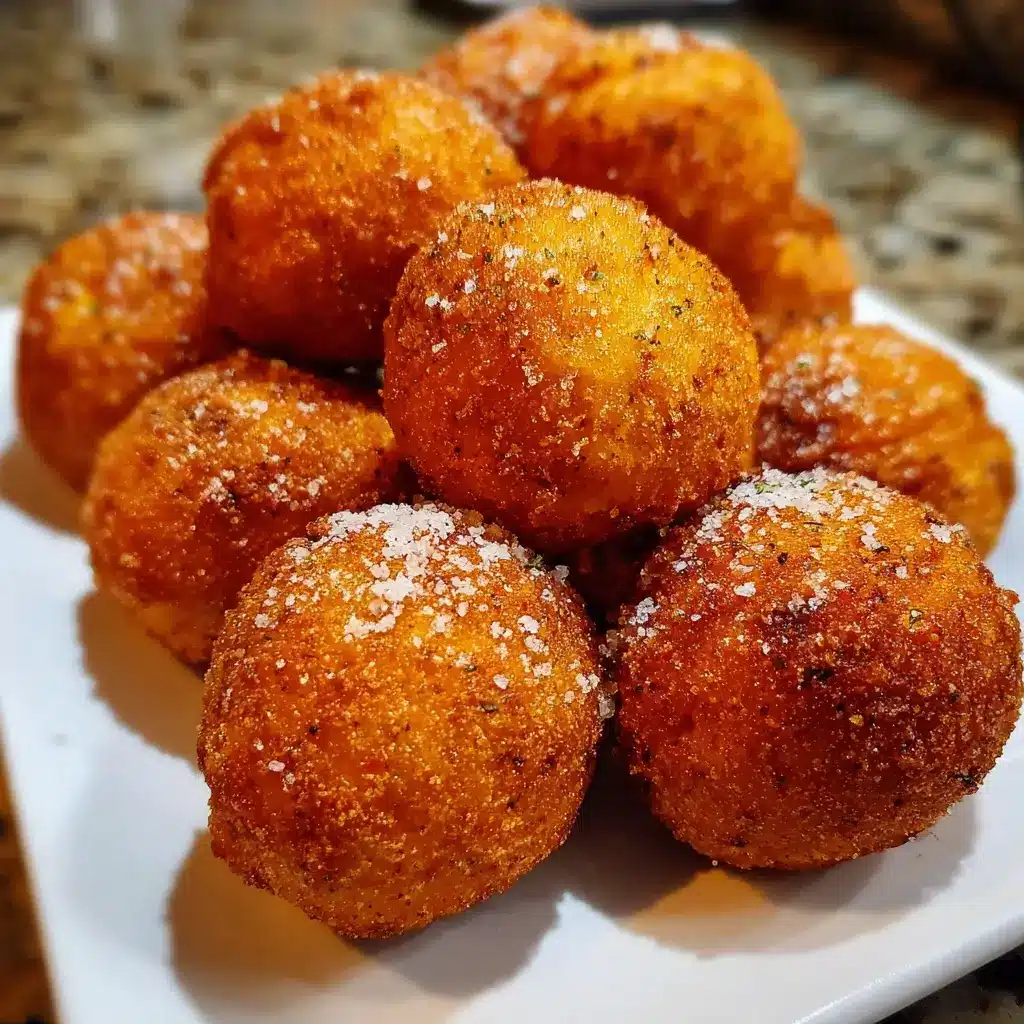
Of all the snacks that have graced my kitchen table, few have disappeared as quickly or been met with such universal delight as these Instant Sweet Potato Balls. I first stumbled upon a version of this recipe during a cool autumn afternoon, craving something warm, comforting, and just a little bit sweet. The vibrant orange of the sweet potatoes promised warmth, and the idea of a crispy-on-the-outside, chewy-on-the-inside treat was too tempting to ignore. The first batch was a revelation. The moment they came out of the hot oil, glistening and golden, my family gathered around, drawn by the incredible aroma. The first bite was pure magic—a satisfyingly crisp shell giving way to a soft, slightly stretchy, and wonderfully sweet interior. They were an instant hit, so much so that “Are you making the sweet potato balls?” has become a common question on weekends, holidays, and especially for movie nights. They have a delightful texture that the Taiwanese call “QQ,” a bouncy, chewy quality that is utterly addictive. This recipe has become my go-to for potlucks and family gatherings because it’s surprisingly simple to make, uses pantry-staple ingredients, and delivers a truly memorable and satisfying snack that brings a smile to everyone’s face.
Ingredients
Here is the simple list of ingredients you’ll need to create these wonderfully addictive sweet potato balls. Each component plays a crucial role in achieving the perfect balance of flavor and texture.
- 1 lb (about 450g) Sweet Potatoes: This is the star of the show. You’ll want about two medium-sized sweet potatoes. Varieties like Japanese sweet potatoes (Satsuma-imo) offer a drier, fluffier texture and a chestnut-like sweetness, while orange-fleshed varieties like Jewel or Garnet are moister and bring that classic vibrant color.
- 1 ¼ cups (about 150g) Glutinous Rice Flour: This is the secret ingredient and is absolutely essential. Do not substitute this with regular rice flour or all-purpose flour. Glutinous rice flour (also known as sweet rice flour or Mochiko) is what provides the signature chewy, mochi-like, “QQ” texture on the inside. You can find it in the international aisle of most supermarkets or at any Asian grocery store.
- ¼ cup (50g) Granulated Sugar: This adds a touch of sweetness to complement the natural sugars in the potatoes. You can adjust this amount slightly depending on the sweetness of your potatoes and your personal preference.
- 2-4 tablespoons Water (if needed): The amount of water you need will depend entirely on the moisture content of your sweet potatoes. Steamed potatoes will require less water than baked ones. This is used to bring the dough to the perfect, pliable consistency.
- 4 cups Neutral Oil for Frying: A neutral-flavored oil with a high smoke point is best, as it won’t impart any unwanted flavor to the sweet potato balls. Canola, vegetable, grapeseed, or peanut oil are all excellent choices.
Instructions
Follow these detailed step-by-step instructions carefully to ensure your sweet potato balls turn out perfectly crispy on the outside and wonderfully soft and chewy on the inside. We’ll break the process down into preparing the potatoes, forming the dough, and frying to perfection.
Step 1: Cook and Prepare the Sweet Potatoes
The foundation of this recipe is a perfectly cooked, smooth sweet potato mash. The method you use to cook the potatoes is important, as it affects the moisture level of your dough.
- Wash and Peel: Start by thoroughly washing the sweet potatoes to remove any dirt. Peel them using a vegetable peeler. Cut them into uniform, 1-inch cubes. This ensures they cook quickly and evenly.
- Steam the Potatoes: Place the sweet potato cubes in a steamer basket set over a pot of boiling water. Cover and steam for about 15-20 minutes. The potatoes are ready when they are “fork-tender,” meaning a fork can be inserted into a cube with very little resistance. Steaming is the preferred method because it introduces less water into the potatoes compared to boiling, which will give you more control over your dough’s consistency later.
- Mash Until Smooth: Immediately transfer the hot, steamed sweet potato cubes to a large mixing bowl. While they are still hot, use a potato masher or a large fork to mash them until they are as smooth as possible. It’s crucial to mash them while hot, as this breaks them down more easily. Strive for a silky-smooth puree with no lumps, as lumps will affect the final texture of your sweet potato balls.
Step 2: Form the Dough
This is where the magic happens. Combining the sweet potato mash with the glutinous rice flour creates the unique dough that gives these balls their signature texture.
- Add Sugar and Flour: To the bowl with the hot sweet potato mash, add the granulated sugar. Stir it in until the sugar has completely dissolved into the mash. The heat from the potatoes will help with this. Now, add the glutinous rice flour to the bowl.
- Mix and Knead: Using a spatula or wooden spoon, begin to mix the flour into the sweet potato mash. It will look shaggy and crumbly at first. Once it starts to come together, turn the mixture out onto a clean work surface and use your hands to knead it. Knead for about 3-5 minutes. The goal is to form a smooth, soft, and pliable dough that doesn’t stick to your hands. It should feel like soft modeling clay or Play-Doh.
- Adjust Consistency (If Needed): Feel the dough. If it feels too dry and crumbly and won’t come together, add water one tablespoon at a time, kneading well after each addition until it reaches the right consistency. Conversely, if your sweet potatoes were very moist and the dough feels too sticky, add a little more glutinous rice flour, one tablespoon at a time, until it is smooth and easy to handle.
Step 3: Shape and Fry the Sweet Potato Balls
The final step is shaping and frying. Proper oil temperature and technique are key to achieving that perfect golden, crispy exterior.
- Shape the Balls: Take a small piece of the dough and roll it between the palms of your hands to form a smooth, round ball about 1-inch in diameter. Try to keep them uniform in size so they cook evenly. Place the formed balls on a baking sheet lined with parchment paper to prevent them from sticking. Repeat with the remaining dough.
- Heat the Oil: Pour the neutral oil into a heavy-bottomed pot, wok, or deep skillet. You want the oil to be at least 2-3 inches deep. Heat the oil over medium heat until it reaches a temperature of 330-340°F (165-170°C). If you don’t have a thermometer, you can test the oil by inserting a wooden chopstick or the handle of a wooden spoon into the oil. If small, steady bubbles form around the wood, the oil is ready.
- First Fry: Carefully lower a batch of sweet potato balls into the hot oil, being sure not to overcrowd the pot. Frying in batches is crucial. Use a slotted spoon or spider strainer to gently move them around to prevent them from sticking together. Fry for 3-4 minutes. During this time, you’ll notice them float to the surface.
- Press and Fry: Once the balls are floating, use the back of your slotted spoon to gently press each ball against the side of the pot and then release. You will see it deflate slightly and then puff back up, often larger than before. This pressing action helps to expel air and creates a hollower interior and a crispier shell. Continue to fry and press for another 4-5 minutes, until they are puffed, light, and a pale golden color. Remove them from the oil and place them on a wire rack to drain.
- Second Fry (for Extra Crispiness): For an irresistibly crispy texture that lasts longer, a second fry is highly recommended. Increase the oil temperature to 375°F (190°C). Place the once-fried sweet potato balls back into the hotter oil and fry for another 1-2 minutes, or until they are a deep, beautiful golden brown and sound hollow when tapped.
- Drain and Serve: Immediately remove the balls from the oil and let them drain on the wire rack. This allows air to circulate around them, keeping them crispy. Serve them warm for the best experience.
Nutrition Facts
This recipe yields approximately 30-35 one-inch balls. The nutritional information is an estimate and can vary based on the size of the balls and the amount of oil absorbed.
- Servings: 6
- Calories Per Serving (approx. 5-6 balls): 280-320 kcal
Here are a few key nutritional highlights:
- Calories: Primarily from carbohydrates in the sweet potato and flour, and fat from the frying oil, these balls provide a quick source of energy.
- Carbohydrates (approx. 40g): The combination of complex carbs from the sweet potato and simple carbs from the sugar and flour makes this a satisfying and energizing snack.
- Vitamin A (High): Sweet potatoes are one of nature’s best sources of beta-carotene, which the body converts into Vitamin A. This vitamin is essential for good vision, immune function, and skin health.
- Dietary Fiber (approx. 3g): Sweet potatoes provide a good amount of dietary fiber, which is important for digestive health and helping you feel full.
- Fat (approx. 12g): The fat content comes almost entirely from the frying oil. Using an air fryer can significantly reduce this amount.
Preparation Time
This recipe is relatively quick, with most of the time spent on cooking the potatoes and frying in batches.
- Prep Time: 25 minutes (includes peeling, chopping, and mashing potatoes, and forming the dough balls)
- Cook Time: 25 minutes (includes steaming the potatoes and frying the balls in batches)
- Total Time: 50 minutes
How to Serve
These Instant Sweet Potato Balls are incredibly versatile and can be served in numerous ways, from a simple snack to a sophisticated dessert. Here are some ideas to inspire you:
- Classic and Simple:
- Serve them hot and fresh, right after frying. Their natural flavor is delightful on its own.
- Dust them lightly with powdered sugar or cinnamon sugar for a classic sweet shop feel.
- With Dipping Sauces:
- Sweetened Condensed Milk: A rich and creamy dip that is a classic pairing in many parts of Asia.
- Chocolate or Nutella Sauce: For an indulgent, dessert-like treat that kids and adults will love.
- Caramel or Butterscotch Dip: The buttery notes of caramel sauce pair beautifully with the earthy sweetness of the potato.
- Fruit Coulis: A tangy raspberry or strawberry coulis can cut through the richness and provide a fresh, bright contrast.
- As a Topping or Component:
- Use them as a topping for a bowl of vanilla bean ice cream. The contrast between the hot, crispy balls and the cold, creamy ice cream is divine.
- Add them to a yogurt or smoothie bowl for a fun textural element, similar to how boba is used.
- Skewer them with fresh fruit like strawberries and pineapple for a fun and colorful party snack.
- For a Holiday Platter:
- Arrange them on a platter for Thanksgiving or Christmas as a unique and delicious sweet side dish or appetizer.
- Sprinkle with festive additions like finely chopped pecans, a drizzle of maple syrup, or a pinch of nutmeg.
Additional Tips
To help you master this recipe and customize it to your liking, here are eight additional tips for success.
- Dough Consistency is Paramount: The feel of the dough is the most important indicator of success. It should be soft and pliable, not sticky or crumbly. If it’s too sticky, your potatoes were likely very moist; add more glutinous rice flour. If it’s too dry, add water a tiny bit at a time. The perfect dough will be easy to roll without cracking.
- Master the Double-Fry Method: Don’t skip the second fry if you want maximum, long-lasting crispiness. The first, lower-temperature fry cooks the inside and sets the shape. The second, high-temperature fry is a quick blast of heat that forces out any remaining moisture from the crust, making it incredibly crisp and golden.
- Maintain Consistent Oil Temperature: A kitchen thermometer is your best friend here. If the oil is too cool, the balls will absorb too much oil and become greasy. If it’s too hot, the outside will burn before the inside is cooked and chewy. Don’t overcrowd the pan, as this will cause the oil temperature to drop significantly.
- Embrace the Pressing Technique: Gently pressing the floating balls against the side of the pot is a key technique used by street food vendors. It helps to create a slightly hollow center and a thinner, crispier shell. Be gentle to avoid breaking them.
- Experiment with Fillings: Once you’ve mastered the basic recipe, try adding a filling! Flatten a piece of dough in your palm, place a small amount of filling in the center (like a dollop of red bean paste, a chocolate chip, or even a small cube of mozzarella cheese for a savory twist), and then carefully enclose it and roll it back into a ball.
- Make-Ahead and Storage Strategy: You can prepare the uncooked dough balls ahead of time. Place them on a parchment-lined tray, freeze them until solid, and then transfer them to a freezer-safe bag. You can fry them directly from frozen; just add a few extra minutes to the cooking time. Cooked sweet potato balls are best eaten fresh but can be stored in an airtight container at room temperature for a day. Reheat them in an air fryer or a toaster oven at 350°F (175°C) for 5-7 minutes to bring back their crispiness.
- Try the Air Fryer Method: For a healthier, lower-fat version, you can make these in an air fryer. Preheat your air fryer to 350°F (175°C). Lightly brush or spray the balls with oil and place them in the air fryer basket in a single layer. Air fry for 12-15 minutes, shaking the basket halfway through, until they are golden brown and puffed. Note that the texture will be slightly different—less crispy but still deliciously chewy.
- Sweet Potato Selection Matters: While any sweet potato will work, different varieties yield slightly different results. Japanese sweet potatoes (Satsuma-imo) have a higher starch content and less moisture, resulting in a fluffier interior. Orange-fleshed sweet potatoes like Garnet or Jewel have more moisture and will likely require less (or no) added water and possibly a bit more flour.
Frequently Asked Questions (FAQ)
Here are answers to some of the most common questions about making Instant Sweet Potato Balls.
1. Why are my sweet potato balls not crispy?
This is usually due to two main reasons: oil temperature or skipping the second fry. If your oil is not hot enough, the balls will absorb oil instead of quickly crisping up, leading to a soggy texture. Ensure your oil is at the correct temperature for both fries. The second, high-temperature fry is specifically designed to create an ultra-crisp shell.
2. Can I use all-purpose flour or regular rice flour instead of glutinous rice flour?
No, this substitution will not work. Glutinous rice flour (or sweet rice flour) is made from a specific type of sticky rice that is responsible for the unique chewy, springy, mochi-like texture. Using regular all-purpose or rice flour will result in a dense, bread-like ball without any of the signature chewiness.
3. Why did my sweet potato balls deflate and become flat after frying?
Deflating is often a sign that the inside was not fully cooked through, or the structure wasn’t strong enough. This can happen if the oil temperature was too high, causing the outside to brown too quickly before the inside could cook and set. It can also happen if the dough was too wet. Make sure to follow the cooking times and temperatures, and use the pressing technique to help build a strong outer shell.
4. Can I bake these sweet potato balls instead of frying them?
Yes, you can bake them for a healthier alternative. Place them on a parchment-lined baking sheet, brush them lightly with oil, and bake at 400°F (200°C) for 20-25 minutes, flipping them halfway through. However, be aware that the texture will be very different. They will be soft and slightly chewy but will not have the signature crispy, puffy shell that frying achieves.
5. How do I store leftovers and reheat them?
Leftover sweet potato balls are best enjoyed fresh but can be stored. Let them cool completely, then place them in an airtight container at room temperature for up to 24 hours. To reheat and restore their crispiness, place them in an air fryer or oven at 350°F (175°C) for 5-7 minutes. Microwaving is not recommended as it will make them soft and soggy.
6. My dough is incredibly sticky and hard to work with. What went wrong?
A super sticky dough is almost always caused by too much moisture. This can happen if you boil the sweet potatoes instead of steaming them, or if you used a particularly moist variety of sweet potato. To fix it, simply knead in more glutinous rice flour, one tablespoon at a time, until the dough becomes smooth, pliable, and no longer sticks to your hands.
7. Can I use canned sweet potato puree for this recipe?
Yes, you can use canned sweet potato puree as a shortcut. However, canned puree contains a lot of moisture. You will need to adjust the recipe by omitting the water entirely and likely adding significantly more glutinous rice flour to achieve the right dough consistency. Start with the recipe’s amount of flour and keep adding more until you get a workable, non-sticky dough.
8. Are these Instant Sweet Potato Balls gluten-free?
Yes, they are naturally gluten-free! The recipe uses sweet potatoes and glutinous rice flour. Despite its name, “glutinous” rice flour does not contain gluten; the term refers to the sticky, glue-like texture it creates when cooked. Just be sure to use a brand of flour that is certified gluten-free if you are serving someone with celiac disease to avoid any risk of cross-contamination.

Instant Sweet Potato Balls Recipe
Ingredients
Here is the simple list of ingredients you’ll need to create these wonderfully addictive sweet potato balls. Each component plays a crucial role in achieving the perfect balance of flavor and texture.
- 1 lb (about 450g) Sweet Potatoes: This is the star of the show. You’ll want about two medium-sized sweet potatoes. Varieties like Japanese sweet potatoes (Satsuma-imo) offer a drier, fluffier texture and a chestnut-like sweetness, while orange-fleshed varieties like Jewel or Garnet are moister and bring that classic vibrant color.
- 1 ¼ cups (about 150g) Glutinous Rice Flour: This is the secret ingredient and is absolutely essential. Do not substitute this with regular rice flour or all-purpose flour. Glutinous rice flour (also known as sweet rice flour or Mochiko) is what provides the signature chewy, mochi-like, “QQ” texture on the inside. You can find it in the international aisle of most supermarkets or at any Asian grocery store.
- ¼ cup (50g) Granulated Sugar: This adds a touch of sweetness to complement the natural sugars in the potatoes. You can adjust this amount slightly depending on the sweetness of your potatoes and your personal preference.
- 2–4 tablespoons Water (if needed): The amount of water you need will depend entirely on the moisture content of your sweet potatoes. Steamed potatoes will require less water than baked ones. This is used to bring the dough to the perfect, pliable consistency.
- 4 cups Neutral Oil for Frying: A neutral-flavored oil with a high smoke point is best, as it won’t impart any unwanted flavor to the sweet potato balls. Canola, vegetable, grapeseed, or peanut oil are all excellent choices.
Instructions
Follow these detailed step-by-step instructions carefully to ensure your sweet potato balls turn out perfectly crispy on the outside and wonderfully soft and chewy on the inside. We’ll break the process down into preparing the potatoes, forming the dough, and frying to perfection.
Step 1: Cook and Prepare the Sweet Potatoes
The foundation of this recipe is a perfectly cooked, smooth sweet potato mash. The method you use to cook the potatoes is important, as it affects the moisture level of your dough.
- Wash and Peel: Start by thoroughly washing the sweet potatoes to remove any dirt. Peel them using a vegetable peeler. Cut them into uniform, 1-inch cubes. This ensures they cook quickly and evenly.
- Steam the Potatoes: Place the sweet potato cubes in a steamer basket set over a pot of boiling water. Cover and steam for about 15-20 minutes. The potatoes are ready when they are “fork-tender,” meaning a fork can be inserted into a cube with very little resistance. Steaming is the preferred method because it introduces less water into the potatoes compared to boiling, which will give you more control over your dough’s consistency later.
- Mash Until Smooth: Immediately transfer the hot, steamed sweet potato cubes to a large mixing bowl. While they are still hot, use a potato masher or a large fork to mash them until they are as smooth as possible. It’s crucial to mash them while hot, as this breaks them down more easily. Strive for a silky-smooth puree with no lumps, as lumps will affect the final texture of your sweet potato balls.
Step 2: Form the Dough
This is where the magic happens. Combining the sweet potato mash with the glutinous rice flour creates the unique dough that gives these balls their signature texture.
- Add Sugar and Flour: To the bowl with the hot sweet potato mash, add the granulated sugar. Stir it in until the sugar has completely dissolved into the mash. The heat from the potatoes will help with this. Now, add the glutinous rice flour to the bowl.
- Mix and Knead: Using a spatula or wooden spoon, begin to mix the flour into the sweet potato mash. It will look shaggy and crumbly at first. Once it starts to come together, turn the mixture out onto a clean work surface and use your hands to knead it. Knead for about 3-5 minutes. The goal is to form a smooth, soft, and pliable dough that doesn’t stick to your hands. It should feel like soft modeling clay or Play-Doh.
- Adjust Consistency (If Needed): Feel the dough. If it feels too dry and crumbly and won’t come together, add water one tablespoon at a time, kneading well after each addition until it reaches the right consistency. Conversely, if your sweet potatoes were very moist and the dough feels too sticky, add a little more glutinous rice flour, one tablespoon at a time, until it is smooth and easy to handle.
Step 3: Shape and Fry the Sweet Potato Balls
The final step is shaping and frying. Proper oil temperature and technique are key to achieving that perfect golden, crispy exterior.
- Shape the Balls: Take a small piece of the dough and roll it between the palms of your hands to form a smooth, round ball about 1-inch in diameter. Try to keep them uniform in size so they cook evenly. Place the formed balls on a baking sheet lined with parchment paper to prevent them from sticking. Repeat with the remaining dough.
- Heat the Oil: Pour the neutral oil into a heavy-bottomed pot, wok, or deep skillet. You want the oil to be at least 2-3 inches deep. Heat the oil over medium heat until it reaches a temperature of 330-340°F (165-170°C). If you don’t have a thermometer, you can test the oil by inserting a wooden chopstick or the handle of a wooden spoon into the oil. If small, steady bubbles form around the wood, the oil is ready.
- First Fry: Carefully lower a batch of sweet potato balls into the hot oil, being sure not to overcrowd the pot. Frying in batches is crucial. Use a slotted spoon or spider strainer to gently move them around to prevent them from sticking together. Fry for 3-4 minutes. During this time, you’ll notice them float to the surface.
- Press and Fry: Once the balls are floating, use the back of your slotted spoon to gently press each ball against the side of the pot and then release. You will see it deflate slightly and then puff back up, often larger than before. This pressing action helps to expel air and creates a hollower interior and a crispier shell. Continue to fry and press for another 4-5 minutes, until they are puffed, light, and a pale golden color. Remove them from the oil and place them on a wire rack to drain.
- Second Fry (for Extra Crispiness): For an irresistibly crispy texture that lasts longer, a second fry is highly recommended. Increase the oil temperature to 375°F (190°C). Place the once-fried sweet potato balls back into the hotter oil and fry for another 1-2 minutes, or until they are a deep, beautiful golden brown and sound hollow when tapped.
- Drain and Serve: Immediately remove the balls from the oil and let them drain on the wire rack. This allows air to circulate around them, keeping them crispy. Serve them warm for the best experience.
Nutrition
- Serving Size: one normal portion
- Calories: 320
- Fat: 12g
- Carbohydrates: 40g
- Fiber: 3g