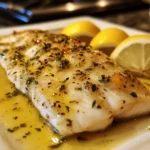

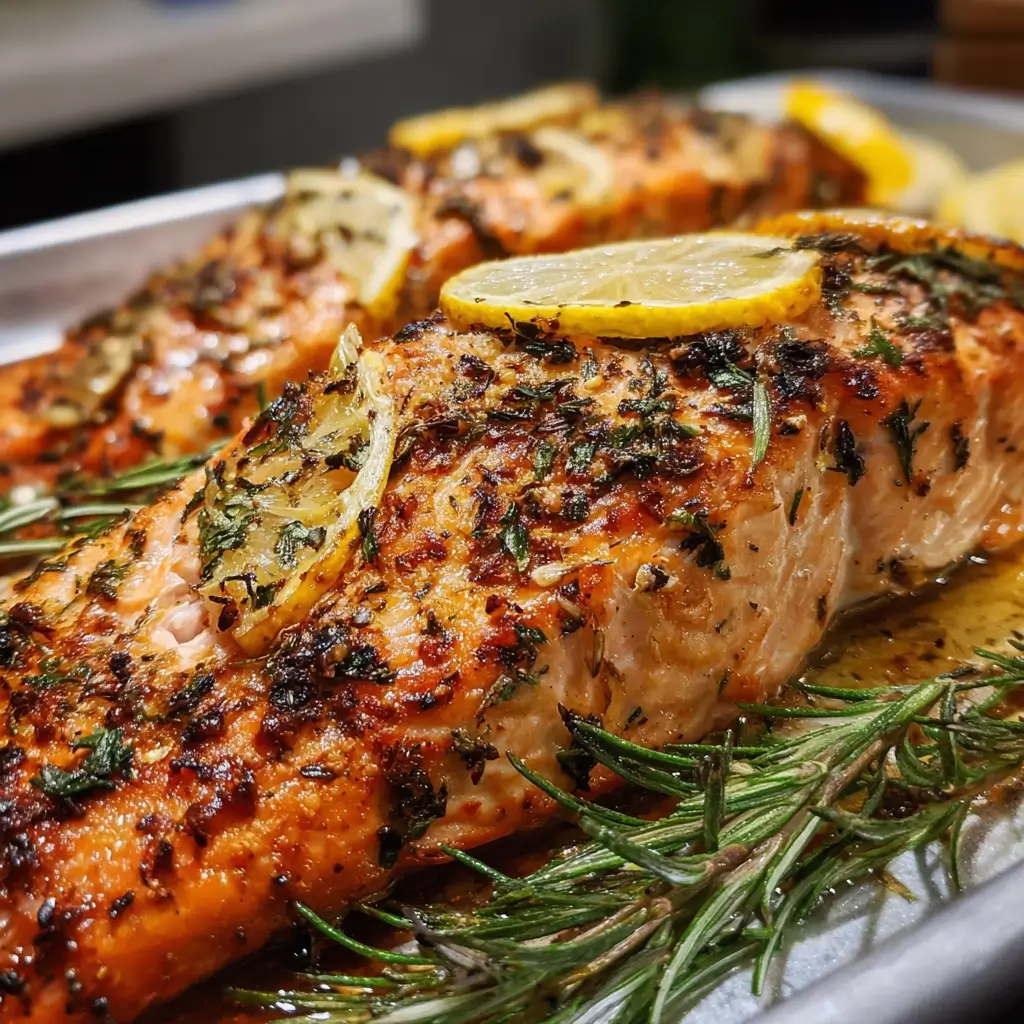
There are certain recipes in our family that are more than just food; they are an experience, a memory in the making. This Lemon Herb Baked Salmon is one of those dishes. I still remember the first time I made it on a busy Tuesday night, feeling uninspired and short on time. I grabbed a beautiful salmon fillet, a lemon from the fruit bowl, and a handful of fresh herbs from our little window garden. What emerged from the oven twenty minutes later was nothing short of miraculous. The aroma alone—a bright, zesty perfume of lemon and garlic mixed with the fresh scent of dill and parsley—had everyone migrating to the kitchen. The salmon itself was impossibly tender, flaking at the mere suggestion of a fork, with a flavor that was both vibrant and deeply comforting. It was an instant hit. Now, it’s our go-to for everything from quick weeknight dinners to elegant meals for guests. It’s the recipe my kids request, the one I share with friends who claim they “can’t cook fish,” and the one that never, ever fails to make a simple evening feel a little more special. This recipe isn’t just about feeding your family; it’s about creating a moment of pure, simple, and delicious joy.
Ingredients
This recipe relies on fresh, simple ingredients to create a symphony of flavor. Each component plays a crucial role, coming together to complement the rich taste of the salmon without overpowering it.
- 2 lbs (about 900g) Salmon Fillet: The star of the show. Look for a thick, center-cut fillet if possible, either with the skin on or off, based on your preference. Fresh, high-quality salmon will have a vibrant color and a mild, oceanic scent.
- 3 Tablespoons Extra Virgin Olive Oil: This is used to create the flavor paste and helps keep the salmon moist while baking. A good quality olive oil will add a subtle, fruity note.
- 1 Large Lemon: You will use both the zest and the juice of the lemon. The zest provides an intense, aromatic lemon flavor without too much tartness, while the juice adds a bright, acidic kick that cuts through the richness of the fish.
- 4 Cloves Garlic, Minced: Freshly minced garlic is essential for a pungent, savory depth of flavor that garlic powder simply can’t replicate.
- ¼ Cup Fresh Dill, Chopped: Dill has a unique, slightly tangy flavor that is a classic and perfect pairing for salmon. Its feathery fronds also add beautiful green flecks to the finished dish.
- ¼ Cup Fresh Parsley, Chopped: Flat-leaf or Italian parsley adds a clean, peppery, and fresh taste that brightens the overall flavor profile.
- 1 Teaspoon Sea Salt (or to taste): Salt is a flavor enhancer. It doesn’t just make the salmon salty; it elevates all the other flavors of the herbs, lemon, and garlic.
- ½ Teaspoon Freshly Ground Black Pepper (or to taste): Freshly ground pepper provides a hint of spice and a robust flavor that is far superior to pre-ground pepper.
Instructions
Follow these simple, step-by-step instructions to achieve perfectly flaky, moist, and flavorful baked salmon every single time. The process is straightforward and designed for a foolproof result.
Step 1: Prepare Your Oven and Baking Dish
First things first, preheat your oven to 400°F (200°C). Position a rack in the center of the oven to ensure even cooking. While the oven is heating up, prepare your baking dish or a rimmed baking sheet by lining it with parchment paper. This is a crucial step for easy cleanup and prevents the salmon from sticking.
Step 2: Pat the Salmon Dry
Remove the salmon fillet from its packaging and place it on a clean plate or cutting board. Using paper towels, gently pat the entire surface of the salmon dry. This includes the skin side if you are using a skin-on fillet. Removing excess moisture from the surface is key to helping the top of the salmon get a lovely, slightly roasted texture rather than just steaming in the oven.
Step 3: Create the Lemon Herb Marinade
In a small bowl, combine the extra virgin olive oil, the zest of the entire lemon, the juice of half the lemon, the minced garlic, chopped fresh dill, chopped fresh parsley, sea salt, and freshly ground black pepper. Whisk these ingredients together until they are well combined into a thick, fragrant paste. The aroma at this stage is a wonderful preview of the delicious meal to come.
Step 4: Season the Salmon
Place the dry salmon fillet onto your prepared parchment-lined baking sheet. Using your hands or a spoon, spread the lemon herb mixture evenly all over the top and sides of the salmon. Be generous and ensure every part of the fillet is coated in the flavorful marinade. This coating will not only season the fish but also create a protective barrier that locks in moisture during baking.
Step 5: Garnish with Lemon Slices
Take the remaining half of the lemon and slice it into thin rounds. Arrange these lemon slices in a single layer over the top of the herb-coated salmon fillet. As the salmon bakes, these slices will release their juice and essential oils, infusing the fish with even more bright, citrusy flavor and creating a beautiful presentation.
Step 6: Bake to Perfection
Place the baking sheet in the preheated oven. Bake for 12-18 minutes. The exact baking time will depend on the thickness of your salmon fillet. A good rule of thumb is to bake for approximately 6-8 minutes per inch of thickness. The salmon is done when it is opaque and flakes easily when gently pressed with a fork. Be very careful not to overcook it, as this can result in dry fish. If you have an instant-read thermometer, the internal temperature should reach 135-140°F (57-60°C) in the thickest part for a perfectly cooked, moist result.
Step 7: Rest and Serve
Once the salmon is cooked, carefully remove the baking sheet from the oven. Let the salmon rest on the pan for 3-5 minutes before serving. This brief resting period allows the juices to redistribute throughout the fillet, ensuring every bite is moist and tender. Serve immediately, garnished with a little extra fresh dill or parsley if desired.
Nutrition Facts
This recipe is as nutritious as it is delicious, offering a wealth of health benefits in every serving. The following information is an approximation based on the recipe serving 4 people.
- Servings: 4
- Calories per serving: Approximately 450 kcal
- High in Omega-3 Fatty Acids: Salmon is one of the best natural sources of Omega-3s, which are essential fats known for supporting brain health, reducing inflammation, and promoting a healthy heart.
- Excellent Source of Lean Protein: A single serving provides a significant amount of high-quality protein, which is crucial for building and repairing tissues, supporting muscle mass, and keeping you feeling full and satisfied.
- Rich in Vitamin D: Salmon is one of the few foods naturally rich in Vitamin D, a vital nutrient for bone health, immune function, and mood regulation.
- Packed with B Vitamins: This dish is a powerhouse of B vitamins, especially B12, B6, and niacin, which are all essential for energy production, brain function, and creating red blood cells.
- Contains Antioxidants: The garlic, lemon, and fresh herbs in this recipe contribute antioxidants that help protect your body’s cells from damage caused by free radicals.
Preparation time
This dish is the epitome of a quick and easy meal, perfect for busy weeknights without sacrificing flavor or quality. The total time is minimal, with most of it being hands-off baking time.
- Prep Time: 10 minutes. This includes gathering your ingredients, zesting and juicing the lemon, mincing the garlic, chopping the herbs, and preparing the salmon.
- Cook Time: 15 minutes. This is the average baking time, which may vary slightly depending on the thickness of your fillet and the specific temperature of your oven.
- Total Time: 25 minutes. From start to finish, you can have a gourmet-quality, healthy, and delicious meal on the table in under half an hour.
How to Serve
This Lemon Herb Baked Salmon is incredibly versatile and pairs beautifully with a wide variety of side dishes. Here are some ideas to help you create a complete and balanced meal, ranging from simple weeknight options to more elegant presentations for guests.
Classic Starchy Sides:
These sides are perfect for soaking up any delicious juices from the salmon and making the meal more substantial.
- Roasted Potatoes: Toss baby potatoes with olive oil, salt, pepper, and a sprinkle of rosemary. Roast them alongside the salmon for a simple, one-pan meal.
- Quinoa Pilaf: A fluffy bed of quinoa, perhaps tossed with toasted almonds and fresh parsley, offers a healthy, protein-packed base.
- Creamy Mashed Potatoes: For a more comforting and indulgent meal, serve the salmon over a scoop of creamy garlic mashed potatoes.
- Rice Pilaf: A simple rice pilaf with herbs or a lemon-infused basmati rice complements the flavors of the salmon perfectly.
Fresh and Roasted Vegetables:
Adding a vegetable side makes the meal well-rounded and nutritious.
- Roasted Asparagus: Asparagus is a classic pairing. Toss spears with olive oil, salt, and pepper and roast them for the last 10-12 minutes of the salmon’s cooking time.
- Steamed Green Beans: Simple steamed green beans tossed with a little butter and a squeeze of fresh lemon juice are a quick and delicious option.
- Garlic Sautéed Spinach: Quickly sauté fresh spinach with a bit of garlic and olive oil for a nutrient-dense side.
- A Simple Green Salad: A crisp salad with a light vinaigrette provides a refreshing contrast to the rich salmon. Arugula, mixed greens, cucumber, and cherry tomatoes work wonderfully.
Sauces and Garnishes:
While the salmon is incredibly flavorful on its own, a simple sauce or garnish can elevate it even further.
- Yogurt-Dill Sauce: Mix plain Greek yogurt with chopped fresh dill, a squeeze of lemon juice, and a pinch of salt for a creamy and cooling sauce.
- Extra Fresh Herbs: Sprinkle some additional chopped dill and parsley over the finished dish just before serving to enhance the fresh, herbaceous aroma and flavor.
- Lemon Wedges: Always serve with extra lemon wedges on the side so diners can add an extra spritz of bright acidity to their liking.
Additional tips
Want to take your baked salmon to the next level? Here are eight expert tips to ensure flawless results and allow for creative variations.
- Don’t Overcook the Salmon: This is the most important rule for cooking any fish. Overcooked salmon is dry and chalky. To check for doneness, use a fork to gently press on the thickest part of the fillet. If it flakes easily, it’s ready. For ultimate precision, use an instant-read thermometer and pull the salmon out of the oven when it reaches an internal temperature of 135°F (57°C). It will continue to cook slightly as it rests.
- The Importance of Patting Dry: Never skip the step of patting the salmon fillet dry with paper towels. A dry surface allows the olive oil and herb mixture to adhere better and helps the top of the salmon to roast slightly, creating a much better texture than if it were to steam from its own moisture.
- Skin-On for Extra Flavor and Moisture: If you can, buy salmon with the skin on. The skin provides a protective barrier between the flesh and the hot pan, helping to prevent the bottom from overcooking. It also contains a layer of fat that renders during cooking, adding extra flavor and moisture to the entire fillet. Even if you don’t eat the skin, it’s worth cooking with it on.
- Let the Salmon Come to Room Temperature: Before baking, let the salmon sit on the counter for 15-20 minutes. Placing a cold piece of fish directly into a hot oven can lead to uneven cooking. Allowing it to come closer to room temperature ensures that the entire fillet cooks more evenly from edge to center.
- Unleash the Power of Zest: While lemon juice provides acidity, lemon zest provides a powerful, aromatic lemon essence without making the dish overly sour. The oils in the zest are packed with flavor. Always zest your lemon before you cut it in half to juice it.
- Herb Variations: Don’t be afraid to experiment with other fresh herbs. While dill and parsley are classic, this recipe also works beautifully with fresh thyme, oregano, or finely chopped rosemary. You can create a completely different flavor profile simply by swapping the herbs.
- Choose Your Pan Wisely: For a single fillet, a ceramic or glass baking dish works well and promotes gentle, even cooking. If you are roasting vegetables alongside the salmon, a large, rimmed baking sheet is a better choice as it provides more surface area and allows for better air circulation, which helps everything roast rather than steam.
- The Final Squeeze: A final squeeze of fresh lemon juice over the salmon just before serving can work wonders. It reawakens all the flavors and adds a final burst of freshness that cuts through the richness of the fish, making every bite taste bright and vibrant.
FAQ section
Here are answers to some of the most frequently asked questions about making this Lemon Herb Baked Salmon recipe.
1. Can I use frozen salmon for this recipe?
Yes, you absolutely can. For the best results, make sure to thaw the salmon completely before you begin. The safest way to do this is to place it in the refrigerator overnight. If you’re in a hurry, you can place the vacuum-sealed salmon in a bowl of cold water for about an hour. Once thawed, pat it very dry with paper towels before proceeding with the recipe.
2. How do I know for sure when my salmon is cooked?
There are two reliable methods. The first is the “flake test”: insert a fork into the thickest part of the salmon and gently twist. If the fish flakes apart easily and is no longer translucent in the center, it’s done. The second, more precise method is to use a digital food thermometer. Insert it into the thickest part of the fillet; a reading of 135-140°F (57-60°C) is perfect for moist, tender salmon.
3. How should I store and reheat leftover salmon?
Store any leftover salmon in an airtight container in the refrigerator for up to 2-3 days. To reheat, it’s best to use a gentle method to avoid drying it out. Place it in a covered, oven-safe dish with a splash of water or broth and warm it in a 275°F (135°C) oven for about 10-15 minutes, or until just heated through. You can also enjoy leftover salmon cold, flaked over a salad or mixed into a pasta dish.
4. Can I use dried herbs instead of fresh ones?
While fresh herbs provide the best, most vibrant flavor for this recipe, you can use dried herbs in a pinch. The general rule is to use one-third the amount of dried herbs as you would fresh. So, for this recipe, you would use about 1.5 teaspoons of dried dill and 1.5 teaspoons of dried parsley.
5. What is the best type of salmon to use for baking?
Several types of salmon work well for baking. King (or Chinook) salmon has a very high fat content, making it rich, buttery, and less likely to dry out. Coho salmon is milder and has a firmer texture. Sockeye salmon is leaner with a deep red color and a more intense flavor. Atlantic salmon, which is typically farmed, is widely available and has a mild flavor and high fat content, making it a great, forgiving choice for this recipe.
6. My salmon skin stuck to the parchment paper. How can I prevent this?
This can sometimes happen if the skin isn’t dry enough or the pan isn’t hot enough. To prevent sticking, ensure you pat the skin side very dry. You can also lightly brush the parchment paper with a thin layer of olive oil right where you plan to place the salmon for an extra layer of non-stick protection.
7. Can I prepare this recipe ahead of time?
You can do some of the prep work in advance. You can chop the herbs and garlic and mix them with the olive oil, lemon zest, and seasonings. Store this marinade in an airtight container in the refrigerator for up to 24 hours. However, it’s best not to apply the marinade to the salmon until just before you are ready to bake it, as the acid in the lemon juice can start to “cook” the fish (like in ceviche) and change its texture if left on for too long.
8. Can I make this Lemon Herb Salmon on the grill?
Yes, this recipe is fantastic on the grill! To adapt it, create a “boat” out of a large piece of heavy-duty aluminum foil. Place the salmon in the foil boat, apply the lemon herb mixture, and top with lemon slices. Place the foil boat directly on a preheated grill over medium heat. Close the lid and grill for 12-15 minutes, or until the salmon is cooked through. This method also makes for incredibly easy cleanup.
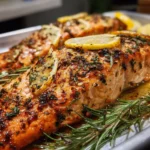
Lemon Herb Baked Salmon Recipe
Ingredients
This recipe relies on fresh, simple ingredients to create a symphony of flavor. Each component plays a crucial role, coming together to complement the rich taste of the salmon without overpowering it.
- 2 lbs (about 900g) Salmon Fillet: The star of the show. Look for a thick, center-cut fillet if possible, either with the skin on or off, based on your preference. Fresh, high-quality salmon will have a vibrant color and a mild, oceanic scent.
- 3 Tablespoons Extra Virgin Olive Oil: This is used to create the flavor paste and helps keep the salmon moist while baking. A good quality olive oil will add a subtle, fruity note.
- 1 Large Lemon: You will use both the zest and the juice of the lemon. The zest provides an intense, aromatic lemon flavor without too much tartness, while the juice adds a bright, acidic kick that cuts through the richness of the fish.
- 4 Cloves Garlic, Minced: Freshly minced garlic is essential for a pungent, savory depth of flavor that garlic powder simply can’t replicate.
- ¼ Cup Fresh Dill, Chopped: Dill has a unique, slightly tangy flavor that is a classic and perfect pairing for salmon. Its feathery fronds also add beautiful green flecks to the finished dish.
- ¼ Cup Fresh Parsley, Chopped: Flat-leaf or Italian parsley adds a clean, peppery, and fresh taste that brightens the overall flavor profile.
- 1 Teaspoon Sea Salt (or to taste): Salt is a flavor enhancer. It doesn’t just make the salmon salty; it elevates all the other flavors of the herbs, lemon, and garlic.
- ½ Teaspoon Freshly Ground Black Pepper (or to taste): Freshly ground pepper provides a hint of spice and a robust flavor that is far superior to pre-ground pepper.
Instructions
Follow these simple, step-by-step instructions to achieve perfectly flaky, moist, and flavorful baked salmon every single time. The process is straightforward and designed for a foolproof result.
Step 1: Prepare Your Oven and Baking Dish
First things first, preheat your oven to 400°F (200°C). Position a rack in the center of the oven to ensure even cooking. While the oven is heating up, prepare your baking dish or a rimmed baking sheet by lining it with parchment paper. This is a crucial step for easy cleanup and prevents the salmon from sticking.
Step 2: Pat the Salmon Dry
Remove the salmon fillet from its packaging and place it on a clean plate or cutting board. Using paper towels, gently pat the entire surface of the salmon dry. This includes the skin side if you are using a skin-on fillet. Removing excess moisture from the surface is key to helping the top of the salmon get a lovely, slightly roasted texture rather than just steaming in the oven.
Step 3: Create the Lemon Herb Marinade
In a small bowl, combine the extra virgin olive oil, the zest of the entire lemon, the juice of half the lemon, the minced garlic, chopped fresh dill, chopped fresh parsley, sea salt, and freshly ground black pepper. Whisk these ingredients together until they are well combined into a thick, fragrant paste. The aroma at this stage is a wonderful preview of the delicious meal to come.
Step 4: Season the Salmon
Place the dry salmon fillet onto your prepared parchment-lined baking sheet. Using your hands or a spoon, spread the lemon herb mixture evenly all over the top and sides of the salmon. Be generous and ensure every part of the fillet is coated in the flavorful marinade. This coating will not only season the fish but also create a protective barrier that locks in moisture during baking.
Step 5: Garnish with Lemon Slices
Take the remaining half of the lemon and slice it into thin rounds. Arrange these lemon slices in a single layer over the top of the herb-coated salmon fillet. As the salmon bakes, these slices will release their juice and essential oils, infusing the fish with even more bright, citrusy flavor and creating a beautiful presentation.
Step 6: Bake to Perfection
Place the baking sheet in the preheated oven. Bake for 12-18 minutes. The exact baking time will depend on the thickness of your salmon fillet. A good rule of thumb is to bake for approximately 6-8 minutes per inch of thickness. The salmon is done when it is opaque and flakes easily when gently pressed with a fork. Be very careful not to overcook it, as this can result in dry fish. If you have an instant-read thermometer, the internal temperature should reach 135-140°F (57-60°C) in the thickest part for a perfectly cooked, moist result.
Step 7: Rest and Serve
Once the salmon is cooked, carefully remove the baking sheet from the oven. Let the salmon rest on the pan for 3-5 minutes before serving. This brief resting period allows the juices to redistribute throughout the fillet, ensuring every bite is moist and tender. Serve immediately, garnished with a little extra fresh dill or parsley if desired.
Nutrition
- Serving Size: one normal portion
- Calories: 450