
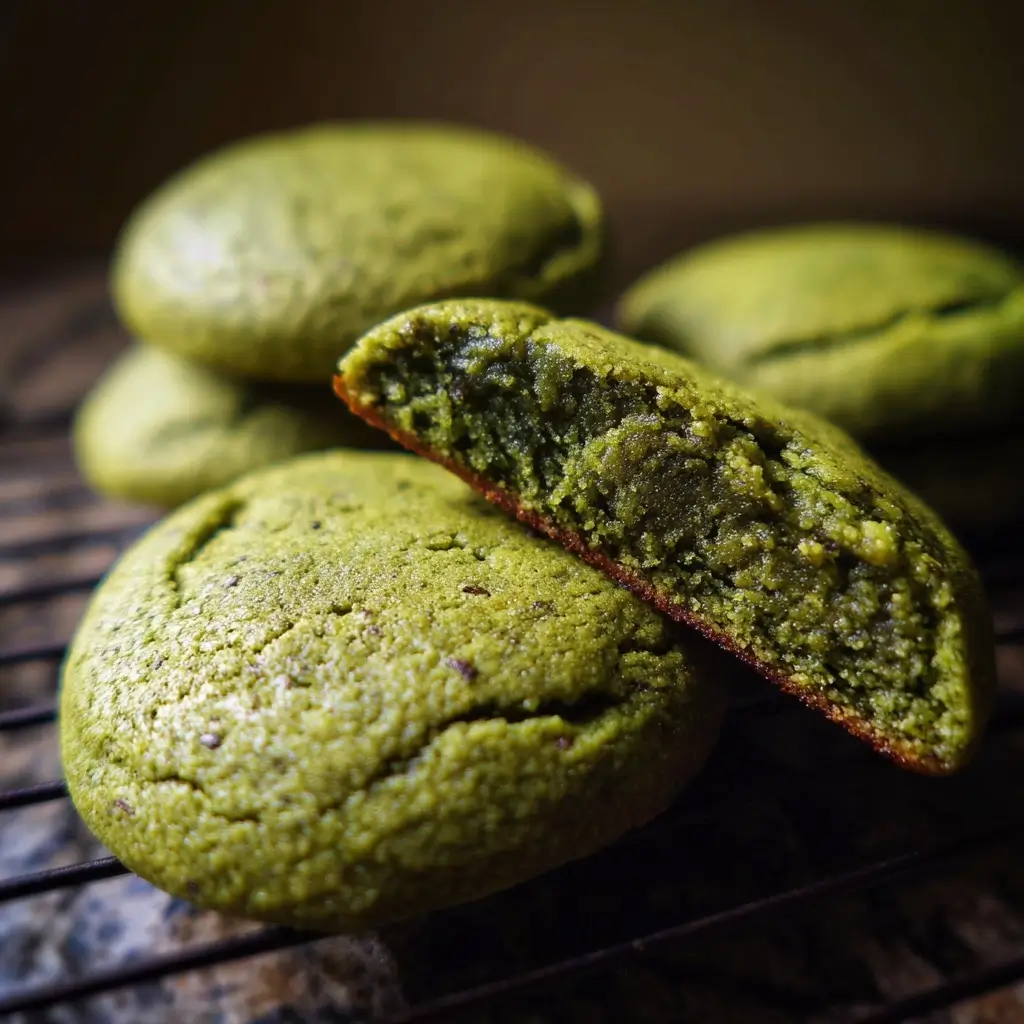

There are certain smells that instantly transport you back to a place of comfort, and for me, the aroma of freshly baked cookies is at the top of that list. But recently, I introduced a new scent into our home’s baking repertoire, one that combines the familiar sweetness of vanilla and butter with something more complex, earthy, and utterly captivating. The moment I pulled the first tray of these Matcha Green Tea Cookies from the oven, I knew we had a winner. The color alone was stunning—a vibrant, jeweled green that promised a unique flavor experience. My family, initially curious about the “green cookies,” gathered around the cooling rack. The first bite was met with a moment of thoughtful silence, followed by a chorus of “Wow!” The cookies strike an incredible balance: a subtle, grassy bitterness from the matcha is perfectly mellowed by the sweetness of the dough, with hints of vanilla and a rich, buttery finish. They are chewy in the center with slightly crisp edges, a texture that we all agree is cookie perfection. Since that first batch, these matcha green tea cookies have become a staple for afternoon snacks, special occasions, or just a Tuesday treat. They are a sophisticated twist on a classic, offering a flavor that feels both indulgent and refreshingly different.
The Enduring Allure of Matcha: More Than Just a Pretty Color
Before we tie on our aprons and preheat our ovens, let’s take a moment to appreciate the star ingredient of our recipe: matcha. What is this vibrant green powder that has taken the culinary world by storm? Matcha is not simply ground-up green tea leaves; it is a finely ground powder of specially grown and processed green tea leaves, traditionally used in Japanese tea ceremonies. The tea plants are shade-grown for about three to four weeks before harvest, which boosts their chlorophyll and L-theanine content. This meticulous process is what gives matcha its brilliant green color and its unique flavor profile—a complex blend of umami (a savory richness), slight bitterness, and a smooth, mellow finish.
The use of matcha extends far beyond the traditional tea bowl. Its fine, powdery texture and robust flavor make it a phenomenal ingredient for baking. Unlike regular green tea, which is steeped and then discarded, when you consume matcha, you are ingesting the entire tea leaf. This means you get a concentrated dose of its nutrients and antioxidants. In baking, this translates to an intense, consistent flavor and color that permeates every bite of your creation. It elevates a simple cookie from a sweet treat to a multi-layered sensory experience. The earthy notes of the matcha cut through the richness of the butter and sugar, preventing the cookies from being overly sweet and leaving a clean, pleasant aftertaste that invites you back for just one more.
Choosing the Right Matcha for Your Cookies: A Baker’s Guide
Walking down the tea aisle or browsing online, you’ll notice that matcha comes in different “grades,” most commonly labeled as “Ceremonial” and “Culinary.” For a newcomer, this can be confusing, but choosing the right one is crucial for the success of your Matcha Green Tea Cookies.
Ceremonial Grade Matcha: This is the highest quality matcha, made from the youngest tea leaves with the stems and veins meticulously removed. It has a very delicate, smooth, and naturally sweet flavor profile with minimal bitterness. It’s designed to be whisked with hot water and enjoyed on its own, where its subtle nuances can be fully appreciated. While you could use it for baking, it’s not recommended. Its delicate flavor would be largely lost when combined with strong ingredients like butter, sugar, and flour. Furthermore, it is significantly more expensive, making it an impractical choice for a batch of cookies.
Culinary Grade Matcha: This is your go-to for baking and cooking. Culinary grade matcha is made from slightly more mature leaves, which gives it a more robust, slightly more bitter, and bolder flavor profile. This stronger flavor is exactly what you need to stand up to the other ingredients in a recipe. It’s designed to be mixed, not drunk plain. Within the culinary grade, you might find sub-grades like “premium,” “latte,” or “ingredient” grade. For these cookies, a good quality culinary or premium grade will provide the perfect balance of vibrant color and distinct matcha flavor without breaking the bank. It will ensure that the green tea essence shines through, creating that signature taste we’re aiming for.
Ingredients for Perfect Matcha Green Tea Cookies
- 1 ½ cups (180g) All-Purpose Flour: The structural backbone of the cookie, providing the perfect chew and body.
- 1 ½ tablespoons High-Quality Culinary Grade Matcha Powder: The star of the show, providing the vibrant green color and distinctive earthy flavor.
- ½ teaspoon Baking Soda: The leavening agent that helps the cookies rise and spread to the perfect thickness.
- ¼ teaspoon Salt: A crucial flavor enhancer that balances the sweetness and highlights the complex notes of the matcha.
- ½ cup (113g) Unsalted Butter, softened to room temperature: The creamy foundation of our cookies, providing richness, tenderness, and that classic buttery taste.
- ½ cup (100g) Granulated Sugar: Provides sweetness and contributes to the cookies’ spread and crisp edges.
- ¼ cup (55g) Packed Light Brown Sugar: Adds moisture, a hint of molasses flavor, and is key to achieving a delightfully chewy center.
- 1 large Egg, at room temperature: Acts as a binder, holding the ingredients together and adding richness and structure.
- 1 teaspoon Pure Vanilla Extract: Complements and rounds out the matcha flavor, adding a familiar warmth and aroma.
- ¾ cup (130g) White Chocolate Chips (Optional): Creamy, sweet white chocolate is a classic and delicious pairing for the earthy bitterness of matcha.
Step-by-Step Instructions to Matcha Cookie Bliss
- Prepare Your Dry Ingredients: In a medium-sized bowl, whisk together the all-purpose flour, culinary grade matcha powder, baking soda, and salt. Sifting these ingredients together is highly recommended. This not only breaks up any clumps in the flour and matcha powder but also aerates the mixture, leading to a more tender and evenly textured cookie. Set this bowl aside.
- Cream Butter and Sugars: In a separate large mixing bowl, using either a stand mixer fitted with the paddle attachment or an electric hand mixer, beat the softened unsalted butter, granulated sugar, and packed light brown sugar together on medium speed. Continue creaming for about 3-4 minutes, or until the mixture is light, pale, and fluffy. This step is vital as it incorporates air into the dough, which is essential for the cookies’ texture.
- Incorporate Wet Ingredients: Add the room temperature large egg and pure vanilla extract to the creamed butter and sugar mixture. Beat on medium speed until everything is just combined, scraping down the sides of the bowl with a rubber spatula as needed to ensure all ingredients are evenly incorporated.
- Combine Wet and Dry Mixtures: Reduce the mixer speed to low and gradually add the dry ingredient mixture to the wet ingredients in two or three additions. Mix only until the flour is no longer visible. Be very careful not to overmix the dough at this stage. Overmixing develops the gluten in the flour, which can result in tough, dense cookies instead of soft and chewy ones.
- Fold in Add-ins (Optional): If you are using white chocolate chips, gently fold them into the cookie dough using a rubber spatula until they are evenly distributed.
- Chill the Dough: This is a crucial, non-negotiable step for perfect matcha cookies! Cover the mixing bowl with plastic wrap and refrigerate the dough for at least 1 hour, and up to 24 hours. Chilling the dough solidifies the butter, which prevents the cookies from spreading too much in the oven. It also allows the flavors to meld and deepen, resulting in a more flavorful cookie.
- Preheat and Prepare: When you’re ready to bake, preheat your oven to 350°F (175°C). Line two large baking sheets with parchment paper or silicone baking mats. This prevents the cookies from sticking and ensures even browning on the bottom.
- Scoop and Bake: Remove the chilled dough from the refrigerator. Using a medium cookie scoop (about 1.5 tablespoons), portion the dough into evenly sized balls. Place the dough balls about 2-3 inches apart on the prepared baking sheets to allow for spreading.
- Bake to Perfection: Bake for 10-12 minutes. The cookies are done when the edges are set and have just started to turn a very light golden brown, but the centers still look slightly soft and underdone. The vibrant green color should still be prominent. Be careful not to overbake, as this will result in a dry, crumbly cookie and can diminish the matcha’s color.
- Cool and Enjoy: Let the cookies cool on the baking sheet for 5 minutes. This allows them to set up slightly before you move them. After 5 minutes, carefully transfer the cookies to a wire rack to cool completely. The cookies will continue to cook slightly from the residual heat of the pan. Store in an airtight container at room temperature for up to 5 days.
The Science Behind the Perfect Texture: Chewy vs. Crispy
Every cookie lover has a preference: some crave a soft, chewy center, while others delight in a uniform, snappy crisp. The beauty of this Matcha Green Tea Cookie recipe is its versatility; with a few minor adjustments, you can steer the final texture toward your personal ideal. Understanding the science behind these changes can turn you into a true cookie connoisseur.
The ultimate texture of a cookie is a delicate dance between ingredients and technique. The ratio of fat (butter) to sugar to flour is paramount. Our recipe is balanced for a chewy center with crisp edges, thanks largely to the inclusion of brown sugar. The molasses in brown sugar is hygroscopic, meaning it attracts and holds onto moisture, which directly contributes to that desirable chewy interior.
If you desire a chewier cookie, there are a few things you can do. First, slightly increase the amount of brown sugar and decrease the granulated sugar by the same amount. Second, ensure you don’t overbake. Pulling the cookies from the oven when the centers are still visibly soft is key. The residual heat will finish the job without drying them out. Chilling the dough for a longer period (even overnight) also promotes chewiness by hydrating the flour more thoroughly.
For those who prefer a crispier cookie, the strategy is the opposite. You can increase the granulated sugar slightly, which promotes more spread and caramelization, leading to a crispier result. Using melted butter instead of creamed, softened butter can also create a denser, crispier cookie. Most importantly, extend the baking time by a minute or two. Bake until the edges are more pronouncedly golden brown and the center is fully set. After baking, letting them cool completely on the baking sheet instead of moving them to a wire rack will also help them crisp up further. By understanding these simple principles, you can tailor this matcha recipe to create your perfect cookie every time.
Nutrition Facts
- Servings: Approximately 24 cookies
- Calories per serving: Approximately 135 kcal (without white chocolate chips)
- Carbohydrates (16g): The primary source of energy in the cookies, coming from the flour and sugars, providing that satisfying, quick fuel boost.
- Fat (7g): Primarily from the butter and egg yolk, fat is essential for the cookie’s rich flavor, tender texture, and satisfying mouthfeel.
- Protein (2g): Contributed by the flour and egg, protein provides the structure that holds the cookie together as it bakes.
- Sugar (9g): The combination of granulated and brown sugar provides the sweetness and is crucial for the cookie’s texture, browning, and spread.
- Sodium (95mg): A small but mighty amount from the salt and baking soda, sodium enhances all the other flavors, making the sweet sweeter and the matcha more pronounced.
Disclaimer: These nutrition facts are an estimate and can vary based on the specific ingredients and brands used.
Preparation and Baking Time
This recipe is designed to be straightforward and rewarding. The total time is broken down into active preparation and passive chilling.
- Active Preparation Time: 15-20 minutes. This includes gathering and measuring your ingredients, mixing the dough, and portioning it out.
- Chilling Time: Minimum 1 hour. This passive time is essential for the dough’s flavor and texture.
- Baking Time: 10-12 minutes per batch.
- Total Time: Approximately 1 hour and 30 minutes (including minimum chilling time).
How to Serve Your Matcha Green Tea Cookies
These unique cookies deserve a presentation that’s just as special. Here are some delightful ways to serve and enjoy them:
- The Classic Pairing:
- Serve them warm with a tall, cold glass of milk.
- Pair them with a hot beverage. They are a natural match for a cup of green tea or even a traditional matcha latte, creating a wonderful “double matcha” experience. A simple black coffee or an Americano also works beautifully, as the coffee’s bitterness complements the matcha’s earthy notes.
- Elevated Desserts:
- Create matcha ice cream sandwiches. Place a scoop of high-quality vanilla bean, black sesame, or strawberry ice cream between two cookies for an unforgettable treat.
- Crumble the cookies over a bowl of yogurt or a smoothie bowl for a crunchy, flavorful topping.
- Use them as the base for a mini cheesecake or tart for a creative dessert fusion.
- Gifting and Special Occasions:
- Package them in a clear cellophane bag tied with a beautiful ribbon for an elegant and thoughtful homemade gift.
- Arrange them on a dessert platter alongside other treats like chocolate truffles and fresh berries for a stunning display of color and flavor at parties or gatherings.
Additional Tips for Matcha Cookie Mastery
- Don’t Skip the Sift: Matcha powder is notoriously clumpy. Sifting it with your other dry ingredients is non-negotiable. This ensures the matcha is evenly distributed, preventing bitter clumps and guaranteeing a uniform green color and flavor throughout every cookie.
- Room Temperature is Key: For the butter and egg, “room temperature” is crucial. Softened (not melted) butter creams much more efficiently with sugar, creating the air pockets necessary for a good texture. A room temperature egg incorporates more easily into the batter, creating a smoother, more stable dough.
- Embrace the Chill: We can’t stress this enough: do not skip chilling the dough. Chilling prevents the cookies from spreading into thin, greasy disks. It solidifies the fat, meaning the cookies bake up thicker and chewier. It also gives the flour time to hydrate fully, which deepens the flavor profile of the cookie.
- The Scoop on Uniformity: Use a spring-loaded cookie scoop for portioning the dough. This ensures that all your cookies are the same size, which means they will all bake evenly in the same amount of time. No more trays with some burnt and some raw cookies!
- Watch for Visual Cues, Not Just the Clock: Ovens can vary. Start checking your cookies at the 10-minute mark. The perfect matcha cookie will have set edges and a soft, slightly puffy center. They should not be browned (except for perhaps the very slightest hint of gold on the bottom edge). The vibrant green color is your best indicator.
- Add a “Pan Bang”: For chewier cookies with a crinkly top, try this trick. A minute or two before they are done, open the oven and lift the baking sheet a few inches, then drop it flat onto the oven rack. This “bang” causes the puffy center to collapse, creating a denser, chewier texture and attractive crinkles.
- Perfect Storage for Lasting Freshness: To keep your cookies soft and chewy, store them in an airtight container at room temperature. For an extra trick, add a slice of sandwich bread to the container. The cookies will absorb moisture from the bread, staying fresh for days.
- Experiment with Flavors: White chocolate is a classic pairing, but don’t be afraid to experiment. Macadamia nuts, toasted black sesame seeds, or a hint of citrus zest (like yuzu or lime) can add another fascinating dimension to these already complex cookies.
Frequently Asked Questions (FAQ)
1. Why did my matcha cookies turn brown/lose their vibrant green color?
This is a common issue and usually has two causes. First, overbaking is the main culprit. As the cookie bakes and the sugars caramelize, the brown color will overtake the green. Always pull them from the oven when they look slightly underdone in the center. Second, the quality of your matcha matters. Lower-quality matcha can have a duller, more olive-toned color to begin with, which will brown more easily. A high-quality culinary grade matcha will have a more vibrant color that holds up better to heat.
2. Can I use ceremonial grade matcha instead of culinary grade?
You can, but it’s not recommended. Ceremonial grade matcha has a much more delicate flavor that will be overpowered by the butter, sugar, and flour in the recipe. It is also significantly more expensive. Culinary grade matcha has a stronger, more robust flavor specifically suited for baking that will shine through in the final product.
3. Can I make the cookie dough ahead of time?
Absolutely! This dough is perfect for making ahead. You can prepare the dough and store it, tightly covered, in the refrigerator for up to 3 days. You can also scoop the dough into balls, place them on a baking sheet, and freeze them until solid. Once frozen, transfer the dough balls to a zip-top freezer bag. You can bake them directly from frozen; just add 2-3 minutes to the baking time.
4. Why is my cookie dough so sticky and hard to handle?
The dough will naturally be a bit soft before chilling. If it seems excessively sticky, it could be that your butter was too soft or even partially melted. This is another reason why the chilling step is so important. After an hour in the refrigerator, the dough should be firm and much easier to scoop and handle.
5. Can I make these cookies vegan or gluten-free?
Yes, with some substitutions. For a vegan version, use a high-quality vegan butter substitute and a “flax egg” (1 tablespoon ground flaxseed mixed with 3 tablespoons water, left to sit for 5 minutes) in place of the regular egg. For a gluten-free version, substitute the all-purpose flour with a good quality 1-to-1 gluten-free baking flour blend that contains xanthan gum.
6. What do matcha cookies taste like?
They have a truly unique flavor! They are not as one-dimensionally sweet as a typical sugar or chocolate chip cookie. You’ll first taste the familiar buttery sweetness, but this is quickly followed by the distinct flavor of matcha: a pleasant, slightly grassy, earthy note with a hint of savory “umami” and a very subtle, clean bitterness on the finish. When paired with white chocolate, the creamy sweetness of the chocolate perfectly balances the matcha’s complexity.
7. I’m not sure when the cookies are done baking. How can I tell?
Look at the edges and the surface. The very edges of the cookie should look set and dry, and perhaps have the faintest touch of golden brown. The center, however, should still look a little soft, puffy, and slightly under-baked. They will not look completely “done” when you pull them out. They will set up perfectly as they cool on the hot baking sheet for a few minutes.
8. My cookies spread way too much. What went wrong?
This is almost always due to one of three things: not chilling the dough long enough (or at all), using butter that was too soft or melted, or having an oven that is running hotter than the dial says. Ensure your butter is softened but not greasy, chill the dough for at least the minimum recommended time, and consider using an oven thermometer to verify your oven’s temperature is accurate.

Matcha Green Tea Cookies
Ingredients
- 1 ½ cups (180g) All-Purpose Flour: The structural backbone of the cookie, providing the perfect chew and body.
- 1 ½ tablespoons High-Quality Culinary Grade Matcha Powder: The star of the show, providing the vibrant green color and distinctive earthy flavor.
- ½ teaspoon Baking Soda: The leavening agent that helps the cookies rise and spread to the perfect thickness.
- ¼ teaspoon Salt: A crucial flavor enhancer that balances the sweetness and highlights the complex notes of the matcha.
- ½ cup (113g) Unsalted Butter, softened to room temperature: The creamy foundation of our cookies, providing richness, tenderness, and that classic buttery taste.
- ½ cup (100g) Granulated Sugar: Provides sweetness and contributes to the cookies’ spread and crisp edges.
- ¼ cup (55g) Packed Light Brown Sugar: Adds moisture, a hint of molasses flavor, and is key to achieving a delightfully chewy center.
- 1 large Egg, at room temperature: Acts as a binder, holding the ingredients together and adding richness and structure.
- 1 teaspoon Pure Vanilla Extract: Complements and rounds out the matcha flavor, adding a familiar warmth and aroma.
- ¾ cup (130g) White Chocolate Chips (Optional): Creamy, sweet white chocolate is a classic and delicious pairing for the earthy bitterness of matcha.
Instructions
- Prepare Your Dry Ingredients: In a medium-sized bowl, whisk together the all-purpose flour, culinary grade matcha powder, baking soda, and salt. Sifting these ingredients together is highly recommended. This not only breaks up any clumps in the flour and matcha powder but also aerates the mixture, leading to a more tender and evenly textured cookie. Set this bowl aside.
- Cream Butter and Sugars: In a separate large mixing bowl, using either a stand mixer fitted with the paddle attachment or an electric hand mixer, beat the softened unsalted butter, granulated sugar, and packed light brown sugar together on medium speed. Continue creaming for about 3-4 minutes, or until the mixture is light, pale, and fluffy. This step is vital as it incorporates air into the dough, which is essential for the cookies’ texture.
- Incorporate Wet Ingredients: Add the room temperature large egg and pure vanilla extract to the creamed butter and sugar mixture. Beat on medium speed until everything is just combined, scraping down the sides of the bowl with a rubber spatula as needed to ensure all ingredients are evenly incorporated.
- Combine Wet and Dry Mixtures: Reduce the mixer speed to low and gradually add the dry ingredient mixture to the wet ingredients in two or three additions. Mix only until the flour is no longer visible. Be very careful not to overmix the dough at this stage. Overmixing develops the gluten in the flour, which can result in tough, dense cookies instead of soft and chewy ones.
- Fold in Add-ins (Optional): If you are using white chocolate chips, gently fold them into the cookie dough using a rubber spatula until they are evenly distributed.
- Chill the Dough: This is a crucial, non-negotiable step for perfect matcha cookies! Cover the mixing bowl with plastic wrap and refrigerate the dough for at least 1 hour, and up to 24 hours. Chilling the dough solidifies the butter, which prevents the cookies from spreading too much in the oven. It also allows the flavors to meld and deepen, resulting in a more flavorful cookie.
- Preheat and Prepare: When you’re ready to bake, preheat your oven to 350°F (175°C). Line two large baking sheets with parchment paper or silicone baking mats. This prevents the cookies from sticking and ensures even browning on the bottom.
- Scoop and Bake: Remove the chilled dough from the refrigerator. Using a medium cookie scoop (about 1.5 tablespoons), portion the dough into evenly sized balls. Place the dough balls about 2-3 inches apart on the prepared baking sheets to allow for spreading.
- Bake to Perfection: Bake for 10-12 minutes. The cookies are done when the edges are set and have just started to turn a very light golden brown, but the centers still look slightly soft and underdone. The vibrant green color should still be prominent. Be careful not to overbake, as this will result in a dry, crumbly cookie and can diminish the matcha’s color.
- Cool and Enjoy: Let the cookies cool on the baking sheet for 5 minutes. This allows them to set up slightly before you move them. After 5 minutes, carefully transfer the cookies to a wire rack to cool completely. The cookies will continue to cook slightly from the residual heat of the pan. Store in an airtight container at room temperature for up to 5 days.
Nutrition
- Serving Size: one normal portion
- Calories: 135
- Sugar: 9g
- Sodium: 95mg
- Fat: 7g
- Carbohydrates: 16g
- Protein: 2g