
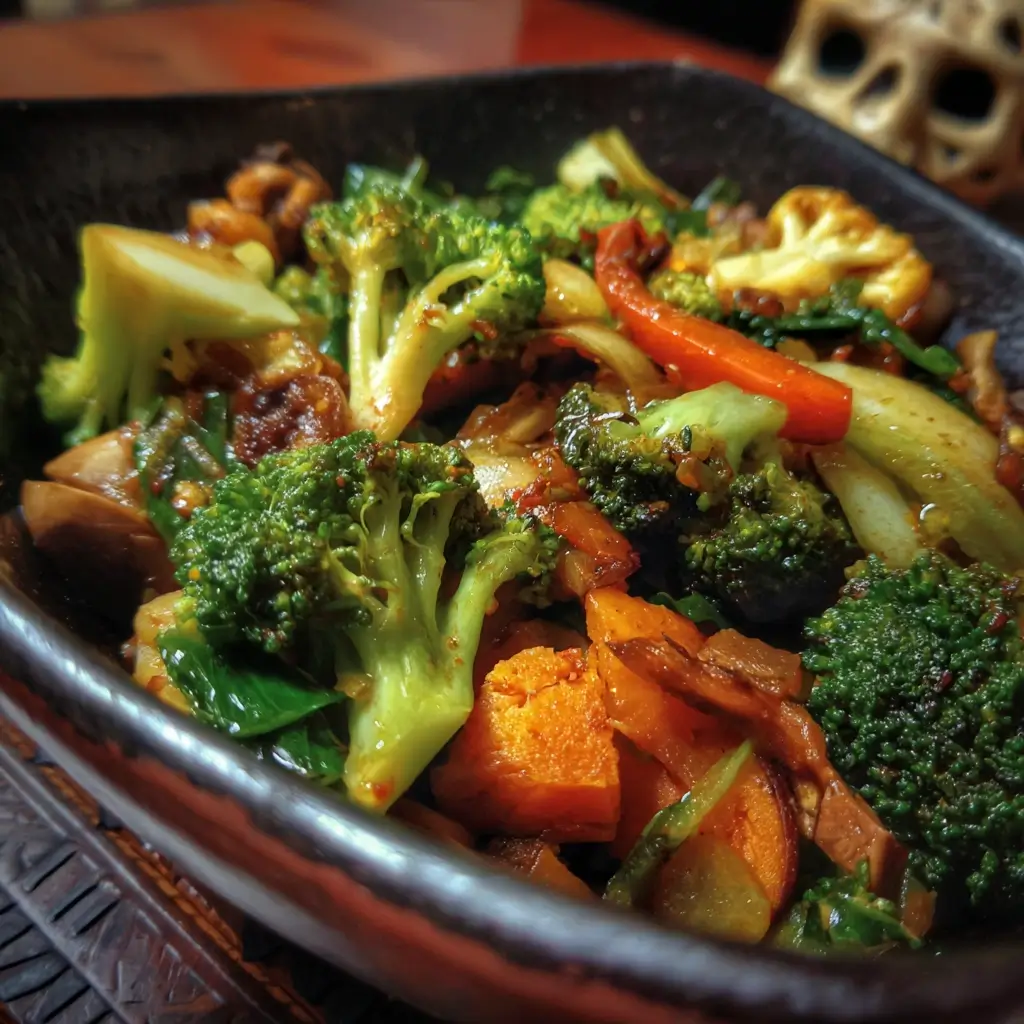

It started on a Tuesday, one of those evenings where the fridge felt both completely full and frustratingly empty. You know the feeling—a random assortment of vegetables from the week’s ambitious grocery run, all on the verge of losing their crisp, vibrant charm. The thought of letting them go to waste was unbearable, but the inspiration for a cohesive meal was nowhere to be found. That’s when the “Monster” was born. I decided to throw caution to the wind and unite every last vegetable in a single, glorious stir-fry. My family was skeptical at first, watching me chop an almost comical mountain of broccoli, carrots, bell peppers, and mushrooms. But as the kitchen filled with the sizzling aroma of ginger, garlic, and that magical, savory-sweet sauce, their doubts melted away. The result was more than just a meal; it was a revelation. A vibrant, crunchy, and deeply satisfying dish that we now affectionately call the Monster Veggie Stir-Fry. It’s our go-to for cleaning out the crisper drawer, our secret weapon for a healthy weeknight dinner, and a colorful testament to the idea that sometimes, the best meals come from a little bit of delicious chaos.
Why This Monster Veggie Stir-Fry Will Become Your New Favorite
Before we dive into the nuts and bolts of this recipe, let’s talk about why it’s a true game-changer in the kitchen. This isn’t just another stir-fry recipe; it’s a template for culinary freedom, a solution to weeknight dinner dilemmas, and a powerful tool for a healthier lifestyle.
First and foremost, its greatest strength is its unbeatable versatility. The term “Monster” refers not only to the potentially huge, satisfying portion it creates but also to its ability to absorb and conquer any vegetable you throw at it. Have half a zucchini, a lonely stalk of celery, or a handful of spinach? They all have a place here. This recipe empowers you to reduce food waste, save money, and tailor your meal to whatever is fresh, in season, or simply needs to be used up.
Secondly, it’s the epitome of a fast, healthy meal. In a world where we’re often forced to choose between what’s quick and what’s nutritious, this stir-fry delivers both. The entire cooking process happens in a flash, especially if you prep your ingredients ahead of time. You’re packing your plate with a rainbow of vegetables, each offering a unique profile of vitamins, minerals, and fiber. The homemade sauce allows you to control the sodium and sugar content, steering clear of the preservatives and mystery ingredients found in many store-bought bottles.
Finally, this recipe is incredibly family-friendly and adaptable. The “Monster” name itself can be a fun way to get kids excited about eating their vegetables. You can easily adjust the spice level, swap ingredients based on picky-eater preferences, and add various proteins to satisfy different dietary needs. It’s a single dish that can be customized on individual plates, making it a peaceful and delicious solution for households with diverse tastes. It teaches the fundamental techniques of stir-frying, giving you the confidence to move beyond the recipe and start creating your own signature dishes.
Ingredients
This recipe is divided into two key components: the vegetable and aromatic base that forms the body of the stir-fry, and the dynamic, flavor-packed sauce that brings it all to life.
For the Stir-Fry:
- 2 tablespoons high-heat cooking oil: Use an oil with a high smoke point like avocado, grapeseed, or peanut oil. This is crucial for achieving that signature stir-fry sizzle without burning.
- 1 large yellow onion, sliced: This forms the sweet, aromatic foundation of the dish, mellowing as it cooks to provide a deep layer of flavor.
- 4 cloves garlic, minced: A non-negotiable aromatic that adds a pungent, savory kick. Don’t be shy with the garlic; it’s a cornerstone of a great stir-fry.
- 1 tablespoon fresh ginger, grated or minced: Provides a warm, zesty, and slightly spicy counterpoint to the garlic, brightening up the entire dish.
- 2 heads of broccoli, cut into bite-sized florets: These little green trees are perfect for soaking up the sauce and providing a satisfying, tender-crisp texture.
- 1 head of cauliflower, cut into bite-sized florets: Offers a mild, slightly nutty flavor and a firm texture that holds up well to the high heat of stir-frying.
- 2 large carrots, peeled and thinly sliced on a diagonal: Adds a beautiful pop of orange, a natural sweetness, and a delightful crunch.
- 1 red bell pepper, seeds removed and sliced: Lends a sweet, fruity flavor and a vibrant splash of color that makes the dish visually appealing.
- 1 yellow or orange bell pepper, seeds removed and sliced: Complements the red pepper with its own unique sweetness and adds to the rainbow effect.
- 8 ounces cremini mushrooms, sliced: These provide a wonderful earthy, umami depth and a satisfying, meaty texture.
- 1 cup snap peas or snow peas: Add a burst of fresh, green flavor and an unmistakable crisp snap.
- Optional Protein: 1 block (14-16 oz) extra-firm tofu, pressed and cubed, OR 2 cups cooked chickpeas or edamame. This turns the stir-fry into a complete, protein-packed meal.
For the Ultimate Stir-Fry Sauce:
- ½ cup low-sodium soy sauce or tamari: The savory, umami-rich backbone of the sauce. Tamari is a great gluten-free alternative.
- ¼ cup water or vegetable broth: Helps to thin the sauce to the perfect consistency without diluting the flavor too much.
- 3 tablespoons maple syrup or honey: Adds a touch of sweetness to balance the salty and sour elements. Maple syrup keeps the recipe vegan.
- 2 tablespoons rice vinegar: Provides a mild, tangy acidity that cuts through the richness and brightens all the other flavors.
- 1 tablespoon sesame oil: A finishing oil with a powerful, nutty, and aromatic flavor. A little goes a long way.
- 1 tablespoon cornstarch: The secret ingredient for a glossy, thick sauce that beautifully coats every single vegetable instead of pooling at the bottom of the pan.
- 1 teaspoon sriracha or chili garlic sauce (optional): For those who like a little heat. Adjust the amount to your personal preference.
Instructions
The key to a successful stir-fry is a principle known as mise en place, a French term meaning “everything in its place.” Because the cooking process is so fast, you must have all your vegetables chopped, your aromatics minced, and your sauce whisked and ready to go before you even turn on the stove.
Step 1: Prepare the Ultimate Stir-Fry Sauce
In a small bowl or liquid measuring cup, combine all the sauce ingredients: low-sodium soy sauce (or tamari), water (or broth), maple syrup (or honey), rice vinegar, sesame oil, cornstarch, and optional sriracha. Whisk vigorously until the cornstarch is completely dissolved and there are no lumps. Set this bowl aside right next to your stove. This sauce is your flavor bomb, ready to be deployed.
Step 2: Ready Your Vegetables and Aromatics
Wash, dry, and chop all your vegetables as directed in the ingredients list. Keep harder vegetables (like carrots, broccoli, and cauliflower) in one group, and softer vegetables (like bell peppers, mushrooms, and snap peas) in another. This will help you time the cooking process perfectly. Mince your garlic and ginger and keep them in a small bowl together.
Step 3: Heat the Pan and Sauté Aromatics
Place a large wok or a heavy-bottomed skillet over high heat. Let it get screaming hot—you should see faint wisps of smoke. Add your high-heat cooking oil and swirl to coat the surface. Immediately add the sliced onion and stir-fry for 1-2 minutes until it begins to soften. Add the minced garlic and ginger to the pan and continue to stir-fry for another 30-60 seconds until fragrant. Be very careful not to burn them; burned garlic will make the entire dish bitter.
Step 4: Cook the Harder Vegetables
Add the group of harder vegetables to the wok: the broccoli florets, cauliflower florets, and sliced carrots. Add a splash (about 2 tablespoons) of water to the pan to help them steam and become tender-crisp. Stir-fry continuously for 4-5 minutes. You want them to be vibrant and slightly tender, but still have a bit of a bite.
Step 5: Add the Softer Vegetables and Protein
Now, add the softer vegetables to the wok: the sliced bell peppers, mushrooms, and snap peas. If you are using a pre-cooked protein like cubed tofu, chickpeas, or edamame, add it now as well. Continue to stir-fry everything together for another 3-4 minutes. The peppers should be tender-crisp, the mushrooms should have released their liquid and browned slightly, and the snap peas should be bright green and snappy.
Step 6: Sauce and Thicken
Give your prepared sauce a final quick whisk to ensure the cornstarch hasn’t settled. Pour the entire bowl of sauce over the vegetables in the wok. Stir continuously, making sure to coat every piece. The sauce will appear thin at first, but as it comes to a boil, the cornstarch will activate. Continue to stir for 1-2 minutes as the sauce bubbles, thickens, and transforms into a beautiful, glossy glaze that clings to all the ingredients.
Step 7: Serve Immediately
Once the sauce has thickened, remove the wok from the heat. Your Monster Veggie Stir-Fry is ready! Serve it immediately for the best texture and flavor.
Nutrition Facts
- Servings: 6-8 large servings
- Calories per serving: Approximately 250-300 kcal (this will vary based on optional protein and exact vegetables used)
- Rich in Fiber: This dish is a fiber powerhouse, thanks to the massive quantity and variety of vegetables. Fiber is essential for digestive health, helps regulate blood sugar levels, and contributes to a feeling of fullness, which can aid in weight management.
- Packed with Vitamins and Minerals: Each vegetable brings its own nutritional profile to the party. You’re getting a significant dose of Vitamin C from the bell peppers and broccoli (great for your immune system), Vitamin A from the carrots (important for vision), and a host of B vitamins and minerals like potassium and manganese.
- Source of Plant-Based Protein: By including optional tofu, edamame, or chickpeas, you transform this from a simple side dish into a complete meal. Plant-based proteins are excellent for heart health and provide sustained energy without the saturated fat found in some animal proteins.
- Full of Antioxidants: The vibrant colors of the vegetables—the deep green of broccoli, the bright orange of carrots, the rich red of bell peppers—are indicators of powerful antioxidants. These compounds help protect your cells from damage and reduce inflammation in the body.
- Customizable for Lower Sodium: By using low-sodium soy sauce and controlling the amount yourself, this homemade stir-fry is significantly lower in sodium than most restaurant versions or dishes made with pre-packaged sauces, making it a heart-healthy choice.
Preparation Time
This recipe is a testament to efficient cooking. The total time can be broken down as follows:
- Prep Time: 15-20 minutes. This is the most crucial phase and involves washing and chopping all the vegetables, mincing the aromatics, and whisking the sauce. Doing this upfront makes the cooking process smooth and lightning-fast.
- Cook Time: 10-12 minutes. The actual stir-frying process is incredibly quick. From the moment the oil hits the hot pan to the final thickening of the sauce, you’re only about ten minutes away from a delicious meal.
- Total Time: Approximately 30 minutes. A complete, healthy, and satisfying meal on the table in half an hour.
How to Serve
The beauty of a stir-fry lies in its versatility as a standalone meal or as a component of a larger spread. Here are some fantastic ways to serve your Monster Veggie Stir-Fry:
- Classic and Comforting:
- Steamed Rice: Serve a generous scoop of the stir-fry over a bed of fluffy white or brown rice. The rice is perfect for soaking up any extra delicious sauce.
- Quinoa: For a protein and fiber boost, serve it over cooked quinoa. Its nutty flavor pairs wonderfully with the savory sauce.
- Noodle Night:
- Udon or Soba Noodles: Toss the finished stir-fry with cooked udon, soba, or even ramen noodles for a hearty and satisfying noodle bowl.
- Rice Noodles: For a lighter, gluten-free option, serve over delicate rice vermicelli noodles.
- Low-Carb Options:
- Cauliflower Rice: Keep the veggie theme going by serving it over a bed of cauliflower rice.
- Lettuce Wraps: Spoon the stir-fry mixture into crisp, fresh lettuce cups (like butter lettuce or iceberg) for a fun, interactive, and low-carb meal.
- Don’t Forget the Toppings:
- Toasted Sesame Seeds: A sprinkle on top adds a nutty crunch and visual appeal.
- Chopped Nuts: Cashews or peanuts add a wonderful texture and richness.
- Fresh Herbs: Chopped cilantro or sliced green onions (scallions) add a final burst of fresh, bright flavor.
- A Squeeze of Lime: A fresh lime wedge served on the side allows each person to add a pop of acidity to their liking, brightening the entire dish.
Additional Tips for Stir-Fry Perfection
Mastering the art of the stir-fry is about understanding a few key techniques. Follow these tips to elevate your Monster Veggie Stir-Fry from great to absolutely unforgettable.
- The Pan Must Be Hot: This is the golden rule of stir-frying. Your wok or skillet must be preheated over high heat until it’s almost smoking. This intense heat is what sears the vegetables instantly, locking in their flavor and moisture, resulting in a crisp-tender texture rather than a steamed, soggy one.
- Don’t Crowd the Pan: This is the most common stir-fry mistake. If you add too many ingredients at once, the temperature of the pan will drop dramatically. Instead of stir-frying, the vegetables will steam in their own juices. If your pan isn’t large enough to handle all the veggies at once, it’s better to cook them in two separate batches and then combine them at the end.
- Cut Vegetables Uniformly (but Strategically): Chop your vegetables into roughly uniform, bite-sized pieces so they cook evenly. However, be strategic. Harder vegetables like carrots should be sliced more thinly than softer ones like bell peppers, which allows everything to reach that perfect tender-crisp state at the same time.
- Keep Things Moving: Stir-frying is an active cooking process. Use a spatula or wok chan to constantly toss and move the ingredients around the pan. This ensures that everything makes contact with the hot surface and cooks quickly and evenly without burning.
- Master the Sauce Thickener: The cornstarch slurry is what gives your sauce that restaurant-quality glossy texture. Always mix the cornstarch into the cold sauce liquids before adding it to the hot pan. If you add cornstarch directly to a hot liquid, it will clump up instantly.
- Customize Your “Monster”: This recipe is a blueprint, not a strict rulebook. Feel free to substitute any vegetables you have on hand. Bok choy, zucchini, asparagus, baby corn, and spinach (added at the very end) are all fantastic additions. This is your chance to be creative and prevent food waste.
- The Power of Aromatics: Don’t skimp on the garlic and ginger. They are the flavor foundation of the entire dish. Using fresh garlic and ginger will always yield a far superior taste compared to the jarred varieties.
- Finish with Toasted Sesame Oil: Notice that the sesame oil is in the sauce and not used as the primary cooking oil. This is because it has a low smoke point and can burn easily, imparting a bitter taste. Adding it at the end preserves its delicate, nutty, and aromatic flavor, adding a final professional touch to your dish.
Frequently Asked Questions (FAQ)
1. Can I use frozen vegetables for this stir-fry?
Yes, you absolutely can, which makes this recipe even more convenient. For best results, do not thaw the frozen vegetables beforehand. Add them directly from the freezer to the hot pan after you’ve cooked the fresh, harder vegetables. You may need to cook them for an extra minute or two to heat through. This prevents them from becoming mushy.
2. My stir-fry is always watery and soggy. What am I doing wrong?
This is a common issue and usually stems from two things: a pan that isn’t hot enough, or an overcrowded pan. Both issues cause the vegetables to steam instead of sear. Ensure your pan is on high heat and cook in batches if necessary. Also, make sure your vegetables are as dry as possible after washing them.
3. How can I make this recipe gluten-free?
It’s very simple to make this stir-fry gluten-free. The only ingredient you need to swap is the soy sauce. Use tamari, which is a Japanese sauce made from fermented soybeans with little to no wheat, or coconut aminos, which is a slightly sweeter, soy-free, and gluten-free alternative. Always double-check the label on your rice vinegar to ensure it’s certified gluten-free.
4. What’s the best protein to add to this stir-fry?
This recipe is incredibly versatile for adding protein. For plant-based options, extra-firm tofu (pressed and cubed), tempeh, edamame, or chickpeas are all excellent. If you eat meat, you can easily add thinly sliced chicken breast, flank steak (beef), or shrimp. Simply cook the protein first, remove it from the pan, cook your vegetables, and then add the cooked protein back in at the end with the sauce.
5. How long will the Monster Veggie Stir-Fry last in the fridge?
Leftovers can be stored in an airtight container in the refrigerator for up to 4 days. The vegetables will lose some of their crispness upon reheating, but the flavor will still be fantastic. Reheat in a skillet over medium heat or in the microwave.
6. My kids are picky eaters. How can I make this more appealing to them?
Focus on the vegetables they already like (carrots, broccoli, snap peas are often kid-friendly). You can also cut the vegetables into fun shapes. The name “Monster Stir-Fry” itself can be a big help! Serve it with a side of their favorite rice or noodles and let them top their own bowl with things like sesame seeds. Keeping the sauce milder (less sriracha) and slightly sweeter can also make it more palatable for younger children.
7. Can I prepare any parts of this recipe in advance?
Yes! This recipe is perfect for meal prep. You can wash and chop all the vegetables and store them in an airtight container in the fridge for 2-3 days. You can also whisk the sauce together and store it in a sealed jar in the fridge. When you’re ready to cook, the entire process will take less than 15 minutes.
8. What is the difference between soy sauce, tamari, and coconut aminos?
Soy sauce is the traditional choice, made from fermented soybeans and wheat, giving it a sharp, salty flavor. Tamari is typically made with little to no wheat, making it a great gluten-free option with a slightly darker, richer, and less salty flavor than soy sauce. Coconut aminos are made from fermented coconut sap. They are soy-free, gluten-free, and have a much milder, sweeter taste with significantly less sodium, making them a great choice for those with allergies or on low-sodium diets.

Monster Veggie Stir-Fry Recipe
Ingredients
This recipe is divided into two key components: the vegetable and aromatic base that forms the body of the stir-fry, and the dynamic, flavor-packed sauce that brings it all to life.
For the Stir-Fry:
- 2 tablespoons high-heat cooking oil: Use an oil with a high smoke point like avocado, grapeseed, or peanut oil. This is crucial for achieving that signature stir-fry sizzle without burning.
- 1 large yellow onion, sliced: This forms the sweet, aromatic foundation of the dish, mellowing as it cooks to provide a deep layer of flavor.
- 4 cloves garlic, minced: A non-negotiable aromatic that adds a pungent, savory kick. Don’t be shy with the garlic; it’s a cornerstone of a great stir-fry.
- 1 tablespoon fresh ginger, grated or minced: Provides a warm, zesty, and slightly spicy counterpoint to the garlic, brightening up the entire dish.
- 2 heads of broccoli, cut into bite-sized florets: These little green trees are perfect for soaking up the sauce and providing a satisfying, tender-crisp texture.
- 1 head of cauliflower, cut into bite-sized florets: Offers a mild, slightly nutty flavor and a firm texture that holds up well to the high heat of stir-frying.
- 2 large carrots, peeled and thinly sliced on a diagonal: Adds a beautiful pop of orange, a natural sweetness, and a delightful crunch.
- 1 red bell pepper, seeds removed and sliced: Lends a sweet, fruity flavor and a vibrant splash of color that makes the dish visually appealing.
- 1 yellow or orange bell pepper, seeds removed and sliced: Complements the red pepper with its own unique sweetness and adds to the rainbow effect.
- 8 ounces cremini mushrooms, sliced: These provide a wonderful earthy, umami depth and a satisfying, meaty texture.
- 1 cup snap peas or snow peas: Add a burst of fresh, green flavor and an unmistakable crisp snap.
- Optional Protein: 1 block (14-16 oz) extra-firm tofu, pressed and cubed, OR 2 cups cooked chickpeas or edamame. This turns the stir-fry into a complete, protein-packed meal.
For the Ultimate Stir-Fry Sauce:
- ½ cup low-sodium soy sauce or tamari: The savory, umami-rich backbone of the sauce. Tamari is a great gluten-free alternative.
- ¼ cup water or vegetable broth: Helps to thin the sauce to the perfect consistency without diluting the flavor too much.
- 3 tablespoons maple syrup or honey: Adds a touch of sweetness to balance the salty and sour elements. Maple syrup keeps the recipe vegan.
- 2 tablespoons rice vinegar: Provides a mild, tangy acidity that cuts through the richness and brightens all the other flavors.
- 1 tablespoon sesame oil: A finishing oil with a powerful, nutty, and aromatic flavor. A little goes a long way.
- 1 tablespoon cornstarch: The secret ingredient for a glossy, thick sauce that beautifully coats every single vegetable instead of pooling at the bottom of the pan.
- 1 teaspoon sriracha or chili garlic sauce (optional): For those who like a little heat. Adjust the amount to your personal preference.
Instructions
The key to a successful stir-fry is a principle known as mise en place, a French term meaning “everything in its place.” Because the cooking process is so fast, you must have all your vegetables chopped, your aromatics minced, and your sauce whisked and ready to go before you even turn on the stove.
Step 1: Prepare the Ultimate Stir-Fry Sauce
In a small bowl or liquid measuring cup, combine all the sauce ingredients: low-sodium soy sauce (or tamari), water (or broth), maple syrup (or honey), rice vinegar, sesame oil, cornstarch, and optional sriracha. Whisk vigorously until the cornstarch is completely dissolved and there are no lumps. Set this bowl aside right next to your stove. This sauce is your flavor bomb, ready to be deployed.
Step 2: Ready Your Vegetables and Aromatics
Wash, dry, and chop all your vegetables as directed in the ingredients list. Keep harder vegetables (like carrots, broccoli, and cauliflower) in one group, and softer vegetables (like bell peppers, mushrooms, and snap peas) in another. This will help you time the cooking process perfectly. Mince your garlic and ginger and keep them in a small bowl together.
Step 3: Heat the Pan and Sauté Aromatics
Place a large wok or a heavy-bottomed skillet over high heat. Let it get screaming hot—you should see faint wisps of smoke. Add your high-heat cooking oil and swirl to coat the surface. Immediately add the sliced onion and stir-fry for 1-2 minutes until it begins to soften. Add the minced garlic and ginger to the pan and continue to stir-fry for another 30-60 seconds until fragrant. Be very careful not to burn them; burned garlic will make the entire dish bitter.
Step 4: Cook the Harder Vegetables
Add the group of harder vegetables to the wok: the broccoli florets, cauliflower florets, and sliced carrots. Add a splash (about 2 tablespoons) of water to the pan to help them steam and become tender-crisp. Stir-fry continuously for 4-5 minutes. You want them to be vibrant and slightly tender, but still have a bit of a bite.
Step 5: Add the Softer Vegetables and Protein
Now, add the softer vegetables to the wok: the sliced bell peppers, mushrooms, and snap peas. If you are using a pre-cooked protein like cubed tofu, chickpeas, or edamame, add it now as well. Continue to stir-fry everything together for another 3-4 minutes. The peppers should be tender-crisp, the mushrooms should have released their liquid and browned slightly, and the snap peas should be bright green and snappy.
Step 6: Sauce and Thicken
Give your prepared sauce a final quick whisk to ensure the cornstarch hasn’t settled. Pour the entire bowl of sauce over the vegetables in the wok. Stir continuously, making sure to coat every piece. The sauce will appear thin at first, but as it comes to a boil, the cornstarch will activate. Continue to stir for 1-2 minutes as the sauce bubbles, thickens, and transforms into a beautiful, glossy glaze that clings to all the ingredients.
Step 7: Serve Immediately
Once the sauce has thickened, remove the wok from the heat. Your Monster Veggie Stir-Fry is ready! Serve it immediately for the best texture and flavor.
Nutrition
- Serving Size: one normal portion
- Calories: 300