
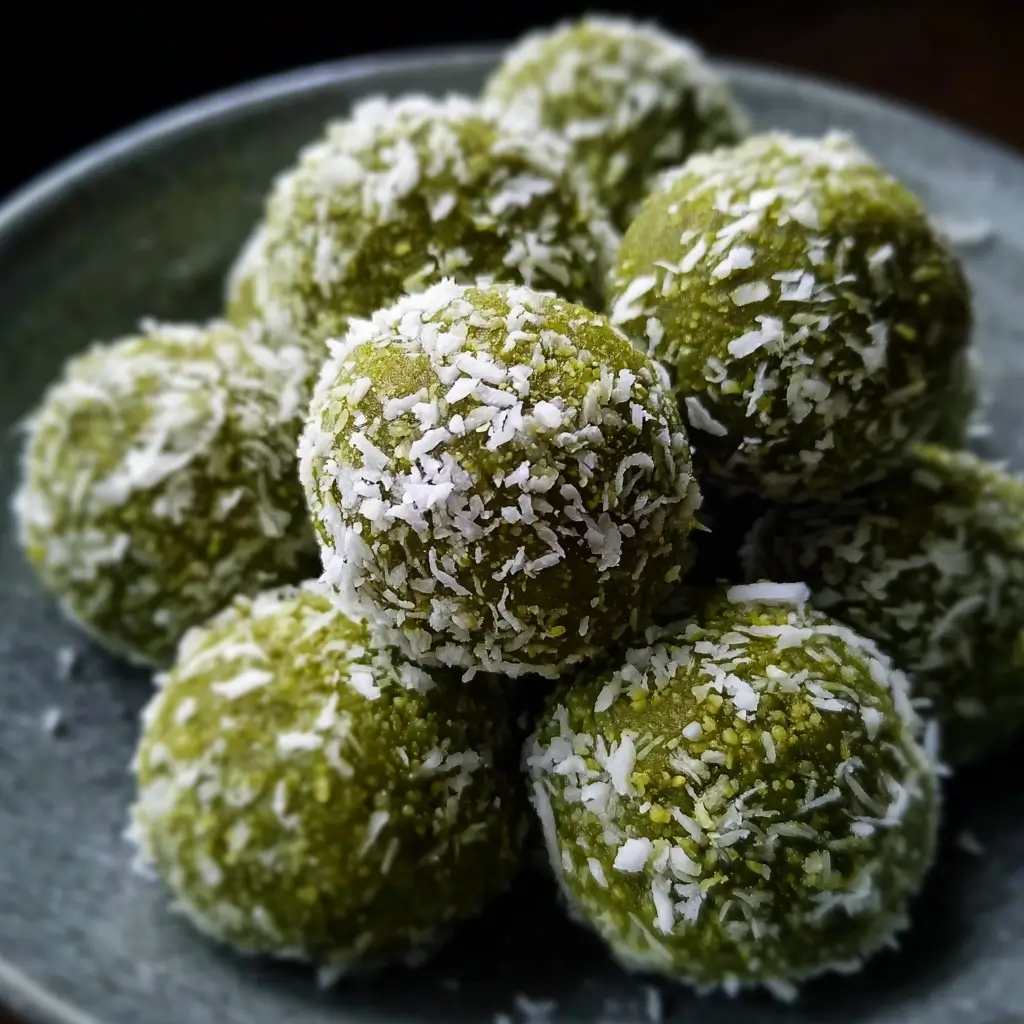
I still remember the first time I made these No-Bake Matcha Coconut Balls. It was a Tuesday afternoon, and that familiar 3 PM slump was hitting our household hard. I needed a snack that was quick, healthy, and wouldn’t lead to a sugar crash, but my kids are notoriously skeptical of anything green. I decided to take a chance on a recipe I’d been tinkering with, combining the earthy, vibrant notes of matcha with the sweet, tropical flavor of coconut. As I rolled the last vibrant green ball in a snowy coating of shredded coconut, my youngest peeked into the kitchen, dubbing them “little green monster eyes.” To my absolute shock, they were an instant hit! The subtle sweetness from the dates perfectly balanced the complex flavor of the matcha, and the coconut added a satisfying chewiness. Now, these energy bites are a staple in our fridge, ready to rescue us from afternoon slumps, fuel a workout, or serve as a guilt-free dessert. They are proof that a treat can be both incredibly delicious and genuinely good for you, a vibrant little powerhouse of flavor and energy that even the pickiest eaters in my family request.
Ingredients
Here is the simple list of whole-food ingredients you’ll need to create these delightful and energizing matcha coconut balls. Each component plays a crucial role in creating the perfect balance of flavor, texture, and nutrition.
- 1 cup (about 12-15) Pitted Medjool Dates: These are the natural sweetener and primary binder for the recipe. Medjool dates are large, soft, and have a rich, caramel-like flavor that forms the perfect sweet base without any refined sugar.
- 1 cup Unsweetened Shredded Coconut: This provides a wonderful chewy texture and a distinct tropical flavor that pairs beautifully with matcha. You’ll use some in the mixture and some for rolling.
- ½ cup Almond Flour: Made from finely ground almonds, this adds structure, a dose of healthy fats, and a subtle nutty flavor that complements the other ingredients. It also keeps the recipe gluten-free.
- 2 tablespoons High-Quality Culinary Grade Matcha Powder: This is the star of the show, providing the vibrant green color, a complex earthy flavor, and a wealth of antioxidants. Culinary grade is best for recipes as its flavor is more robust.
- 1 tablespoon Melted Coconut Oil: This helps to bind the ingredients together, adds to the creamy texture, and enhances the coconut flavor. Use unrefined for more coconut taste or refined for a neutral flavor.
- 1 tablespoon Chia Seeds (optional): For an extra boost of fiber, omega-3 fatty acids, and protein. They also help absorb excess moisture and contribute to the binding.
- 1 teaspoon Vanilla Extract: This rounds out the flavors, adding a hint of warmth that bridges the gap between the earthy matcha and the sweet dates.
- A pinch of Sea Salt: A small amount of salt is essential for enhancing all the other flavors in the recipe, making the sweetness of the dates and the complexity of the matcha pop.
Instructions
Follow these step-by-step instructions for foolproof matcha coconut balls every time. The process is incredibly simple and requires no baking, just a food processor and a little bit of rolling.
- Prepare the Dates: If your Medjool dates are not very soft, it’s a good idea to soak them in hot water for about 10-15 minutes. This will soften them up, making them much easier to blend into a smooth paste. Once soaked, drain the water thoroughly and pat them dry. Ensure all the pits have been removed.
- Combine Dry Ingredients: In the bowl of a food processor, add the unsweetened shredded coconut (reserving about ¼ cup for rolling later), almond flour, culinary grade matcha powder, optional chia seeds, and the pinch of sea salt. Pulse the mixture 3-4 times to combine everything evenly. This step ensures the matcha is well-distributed and you don’t end up with bitter clumps.
- Add Wet Ingredients and Blend: Add the drained, pitted dates, melted coconut oil, and vanilla extract to the food processor with the dry ingredients. Turn the food processor on and blend continuously for 1-2 minutes. The mixture will first look crumbly, like wet sand. Keep blending. As the dates break down completely, the mixture will start to clump together and form a large, sticky ball. You’ll know it’s ready when you can pinch a piece between your fingers and it holds its shape easily.
- Check the Consistency: If the mixture seems too dry and crumbly after a few minutes of blending, add another teaspoon of melted coconut oil or a tablespoon of water and blend again. If it seems too wet or sticky, add another tablespoon of almond flour or shredded coconut and pulse to combine.
- Roll the Balls: Spread the reserved ¼ cup of shredded coconut on a small plate or shallow dish. Using a small cookie scoop or a tablespoon, scoop out portions of the matcha dough. Roll each portion firmly between the palms of your hands to form a smooth, round ball, about 1 inch in diameter.
- Coat and Chill: Roll each freshly formed ball in the shredded coconut on the plate, pressing gently to ensure the coconut adheres to the surface. Place the finished balls on a parchment-lined baking sheet or plate.
- Set the Balls: For the best texture, transfer the baking sheet with the matcha coconut balls to the refrigerator to chill for at least 30 minutes. This allows the coconut oil to solidify, helping the balls firm up and hold their shape perfectly. Once chilled, they are ready to be enjoyed.
Nutrition Facts
These matcha coconut balls are designed to be a nutrient-dense snack. The nutritional information can vary slightly based on the exact ingredients used.
- Servings: This recipe makes approximately 18-20 one-inch balls.
- Calories: Approximately 90-110 calories per ball.
- Fiber (approx. 2g per ball): Sourced primarily from the dates, coconut, and chia seeds, fiber is crucial for digestive health, helping to promote regularity and keep you feeling full and satisfied for longer.
- Healthy Fats (approx. 6g per ball): The almond flour, coconut, and chia seeds provide monounsaturated and polyunsaturated fats. These fats are essential for brain health, reducing inflammation, and providing sustained energy.
- Antioxidants: Matcha is famously rich in a class of antioxidants called catechins, particularly EGCG (epigallocatechin gallate). These powerful compounds help protect your cells from damage caused by free radicals, supporting overall health and well-being.
- Iron (approx. 4% DV per ball): A plant-based source of iron comes from the dates and matcha powder. Iron is a vital mineral that helps transport oxygen in the blood, preventing fatigue and supporting energy metabolism.
- Potassium (approx. 3% DV per ball): Medjool dates are a good source of potassium, an important electrolyte that helps regulate fluid balance, muscle contractions, and nerve signals in the body.
Preparation Time
This recipe is prized for its speed and simplicity. There is no cooking time involved, only a bit of prep and chilling.
- Active Preparation Time: 15 minutes. This includes gathering your ingredients, blending the mixture in the food processor, and rolling the balls.
- Chilling Time: 30 minutes. While you can eat them right away, chilling is highly recommended to allow the balls to firm up and for the flavors to meld together for the best possible taste and texture.
- Total Time: Approximately 45 minutes from start to finish.
How to Serve
These versatile little spheres can be enjoyed in numerous ways, fitting into any part of your day where you need a boost of energy or a healthy treat.
- The Perfect Pre-Workout Fuel:
- Have one or two balls about 30-45 minutes before a workout. The natural sugars from the dates provide quick energy, while the fats from the coconut and almonds offer sustained fuel. The L-theanine in matcha can also promote focus during your exercise session.
- An Afternoon Pick-Me-Up:
- Pair a matcha ball with a cup of green tea, black coffee, or your favorite latte. It’s the ideal way to combat the mid-afternoon energy slump without resorting to sugary processed snacks.
- A Healthy and Elegant Dessert:
- Arrange them on a platter for guests as a light, healthy dessert option after a meal. Their vibrant green color makes them visually stunning.
- Serve one alongside a small bowl of fresh berries (like raspberries or strawberries) for a simple, elegant, and nutritious dessert.
- A Nutritious Lunchbox Addition:
- Pack a couple in your or your kids’ lunchboxes. They are a fantastic, mess-free way to add a dose of healthy fats, fiber, and energy to a midday meal. They hold their shape well at room temperature for a few hours.
- On-the-Go Snacking:
- Keep a small container of them in your bag for those moments when hunger strikes while you’re running errands, commuting, or traveling. They are far superior to a convenience store candy bar.
Additional Tips
Elevate your matcha coconut balls from great to absolutely perfect with these eight expert tips.
- Choose Your Matcha Wisely: The quality of your matcha powder will make or break this recipe. Opt for a high-quality culinary grade matcha. It has a stronger, more robust flavor that is designed to stand up to other ingredients, unlike the more delicate and expensive ceremonial grade, which is best reserved for drinking. A good culinary matcha will have a bright green color, not a dull, yellowish-brown hue.
- Control the Texture: The final texture depends heavily on your dates. If your mixture is too dry and won’t form a ball, your dates were likely not moist enough. Add a teaspoon of water or melted coconut oil at a time and blend until it comes together. If the mixture is too wet and sticky, it can be difficult to roll. Add a tablespoon of almond flour or extra shredded coconut to absorb the excess moisture.
- Master the Sweetness: Medjool dates provide plenty of natural sweetness. However, if you have a serious sweet tooth or if your dates are on the smaller side, you can add 1 to 2 teaspoons of maple syrup or agave nectar to the mixture. Conversely, if you prefer a more pronounced, earthy matcha flavor, you can slightly reduce the number of dates.
- Boost the Protein: To turn these into a more substantial post-workout snack, add a scoop of your favorite protein powder. A neutral or vanilla-flavored plant-based protein powder (like pea or brown rice protein) works best. You may need to add an extra splash of water or a bit more coconut oil to get the right consistency.
- Experiment with Flavor Twists: Don’t be afraid to customize! Add the zest of one lime or half an orange for a bright, citrusy note that cuts through the richness. A ¼ teaspoon of ground ginger can add a warm, spicy kick. For a deeper flavor, consider adding a tablespoon of cacao powder for a matcha-chocolate combination.
- The Secret to Non-Sticky Rolling: If the dough is sticking to your hands while rolling, lightly dampen your palms with water or coat them with a very thin layer of coconut oil. This creates a barrier and makes the rolling process much smoother and cleaner.
- Go Nut-Free Easily: If you have a nut allergy, you can easily substitute the almond flour. Use an equal amount of oat flour (simply blend rolled oats in a blender until fine) or sunflower seed flour. The taste and texture will be slightly different but still delicious.
- Double Batch and Freeze: These balls freeze beautifully. Make a double batch and store them in an airtight container or freezer bag. They will last for up to 3 months in the freezer. You can eat them straight from the freezer for a firmer, chewier treat, or let them sit at room temperature for 5-10 minutes to soften slightly. This way, you always have a healthy snack on hand.
FAQ Section
Here are answers to some of the most frequently asked questions about making and enjoying No-Bake Matcha Coconut Balls.
1. What does matcha taste like in these balls? I’m worried it will be bitter.
This is a common concern for those new to matcha! In this recipe, the matcha flavor is not overwhelming or bitter. It presents as a pleasant, complex, and slightly earthy green tea flavor. The natural sweetness from the Medjool dates and the creamy richness of the coconut and almond flour perfectly balance the matcha’s earthiness, creating a harmonious and sophisticated taste. Using a high-quality culinary grade matcha is key to avoiding bitterness.
2. Can I use a different sweetener instead of Medjool dates?
Medjool dates are ideal because they provide both sweetness and the sticky binding texture needed to hold the balls together. If you cannot use dates, you could try a combination of another dried fruit, like soft prunes or apricots (which will alter the flavor), along with a liquid sweetener. You might try blending ¾ cup of dried fruit with 3-4 tablespoons of maple syrup or agave nectar. You will likely need to adjust the dry ingredients to achieve the right consistency.
3. My mixture is too crumbly and won’t stick together. What did I do wrong?
This is the most common issue and it’s easily fixable! It almost always means your dates were too dry or you didn’t blend the mixture long enough. First, ensure you’ve blended for at least 2 full minutes to allow the dates to completely break down and release their natural stickiness. If it’s still crumbly, add 1 teaspoon of water or melted coconut oil and blend again. Repeat this process until the dough easily sticks together when you press it between your fingers.
4. Are these No-Bake Matcha Coconut Balls actually healthy?
Yes, they are a wonderfully healthy snack option. They are made entirely from whole-food ingredients. They contain no refined sugar, relying on dates for sweetness and fiber. They are packed with healthy fats from coconut and almonds, which provide lasting energy. The matcha itself is an antioxidant powerhouse. When enjoyed in moderation as part of a balanced diet, they are a fantastic, guilt-free way to satisfy a sweet craving and boost your energy levels.
5. How long do these matcha coconut balls last and how should I store them?
For optimal freshness and texture, store the balls in an airtight container in the refrigerator. They will stay fresh and delicious for up to two weeks. For long-term storage, they can be frozen for up to 3 months. When you want one, you can enjoy it directly from the freezer or let it thaw for a few minutes at room temperature.
6. I have a nut allergy. Can I still make this recipe?
Absolutely. To make this recipe nut-free, simply replace the ½ cup of almond flour with ½ cup of ground oat flour. You can make your own oat flour by blending rolled oats (use certified gluten-free oats if necessary) in a high-speed blender until they form a fine powder. Sunflower seed flour is another excellent nut-free alternative that can be used in a 1:1 ratio.
7. What is the real difference between ceremonial and culinary grade matcha?
Ceremonial grade matcha is made from the youngest, most tender tea leaves from the top of the tea plant. It has a very delicate, smooth, and naturally sweet flavor and is intended to be whisked with water and consumed on its own. Culinary grade matcha is made from slightly older leaves, giving it a more robust, stronger, and slightly more astringent flavor profile that is specifically designed to be mixed with other ingredients like milk, flour, and sweeteners in lattes, smoothies, and baked goods like these energy balls. Using ceremonial grade here would be a waste of its delicate flavor and your money.
8. Are these snacks suitable for kids?
Yes, many kids love them! The sweetness from the dates and coconut often makes the matcha flavor very palatable for younger taste buds. It’s a fantastic way to introduce them to a new, healthy flavor profile. You can market them as “Hulk Balls” or “Green Monster Bites” to make them more fun. As matcha contains caffeine (though less than coffee and balanced by L-theanine), you may want to limit consumption to one ball for younger children, especially later in the day.
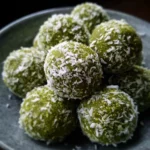
No-Bake Matcha Coconut Balls
Ingredients
Here is the simple list of whole-food ingredients you’ll need to create these delightful and energizing matcha coconut balls. Each component plays a crucial role in creating the perfect balance of flavor, texture, and nutrition.
- 1 cup (about 12–15) Pitted Medjool Dates: These are the natural sweetener and primary binder for the recipe. Medjool dates are large, soft, and have a rich, caramel-like flavor that forms the perfect sweet base without any refined sugar.
- 1 cup Unsweetened Shredded Coconut: This provides a wonderful chewy texture and a distinct tropical flavor that pairs beautifully with matcha. You’ll use some in the mixture and some for rolling.
- ½ cup Almond Flour: Made from finely ground almonds, this adds structure, a dose of healthy fats, and a subtle nutty flavor that complements the other ingredients. It also keeps the recipe gluten-free.
- 2 tablespoons High-Quality Culinary Grade Matcha Powder: This is the star of the show, providing the vibrant green color, a complex earthy flavor, and a wealth of antioxidants. Culinary grade is best for recipes as its flavor is more robust.
- 1 tablespoon Melted Coconut Oil: This helps to bind the ingredients together, adds to the creamy texture, and enhances the coconut flavor. Use unrefined for more coconut taste or refined for a neutral flavor.
- 1 tablespoon Chia Seeds (optional): For an extra boost of fiber, omega-3 fatty acids, and protein. They also help absorb excess moisture and contribute to the binding.
- 1 teaspoon Vanilla Extract: This rounds out the flavors, adding a hint of warmth that bridges the gap between the earthy matcha and the sweet dates.
- A pinch of Sea Salt: A small amount of salt is essential for enhancing all the other flavors in the recipe, making the sweetness of the dates and the complexity of the matcha pop.
Instructions
Follow these step-by-step instructions for foolproof matcha coconut balls every time. The process is incredibly simple and requires no baking, just a food processor and a little bit of rolling.
- Prepare the Dates: If your Medjool dates are not very soft, it’s a good idea to soak them in hot water for about 10-15 minutes. This will soften them up, making them much easier to blend into a smooth paste. Once soaked, drain the water thoroughly and pat them dry. Ensure all the pits have been removed.
- Combine Dry Ingredients: In the bowl of a food processor, add the unsweetened shredded coconut (reserving about ¼ cup for rolling later), almond flour, culinary grade matcha powder, optional chia seeds, and the pinch of sea salt. Pulse the mixture 3-4 times to combine everything evenly. This step ensures the matcha is well-distributed and you don’t end up with bitter clumps.
- Add Wet Ingredients and Blend: Add the drained, pitted dates, melted coconut oil, and vanilla extract to the food processor with the dry ingredients. Turn the food processor on and blend continuously for 1-2 minutes. The mixture will first look crumbly, like wet sand. Keep blending. As the dates break down completely, the mixture will start to clump together and form a large, sticky ball. You’ll know it’s ready when you can pinch a piece between your fingers and it holds its shape easily.
- Check the Consistency: If the mixture seems too dry and crumbly after a few minutes of blending, add another teaspoon of melted coconut oil or a tablespoon of water and blend again. If it seems too wet or sticky, add another tablespoon of almond flour or shredded coconut and pulse to combine.
- Roll the Balls: Spread the reserved ¼ cup of shredded coconut on a small plate or shallow dish. Using a small cookie scoop or a tablespoon, scoop out portions of the matcha dough. Roll each portion firmly between the palms of your hands to form a smooth, round ball, about 1 inch in diameter.
- Coat and Chill: Roll each freshly formed ball in the shredded coconut on the plate, pressing gently to ensure the coconut adheres to the surface. Place the finished balls on a parchment-lined baking sheet or plate.
- Set the Balls: For the best texture, transfer the baking sheet with the matcha coconut balls to the refrigerator to chill for at least 30 minutes. This allows the coconut oil to solidify, helping the balls firm up and hold their shape perfectly. Once chilled, they are ready to be enjoyed.
Nutrition
- Serving Size: one normal portion
- Calories: 110
- Fat: 6g
- Fiber: 2g