
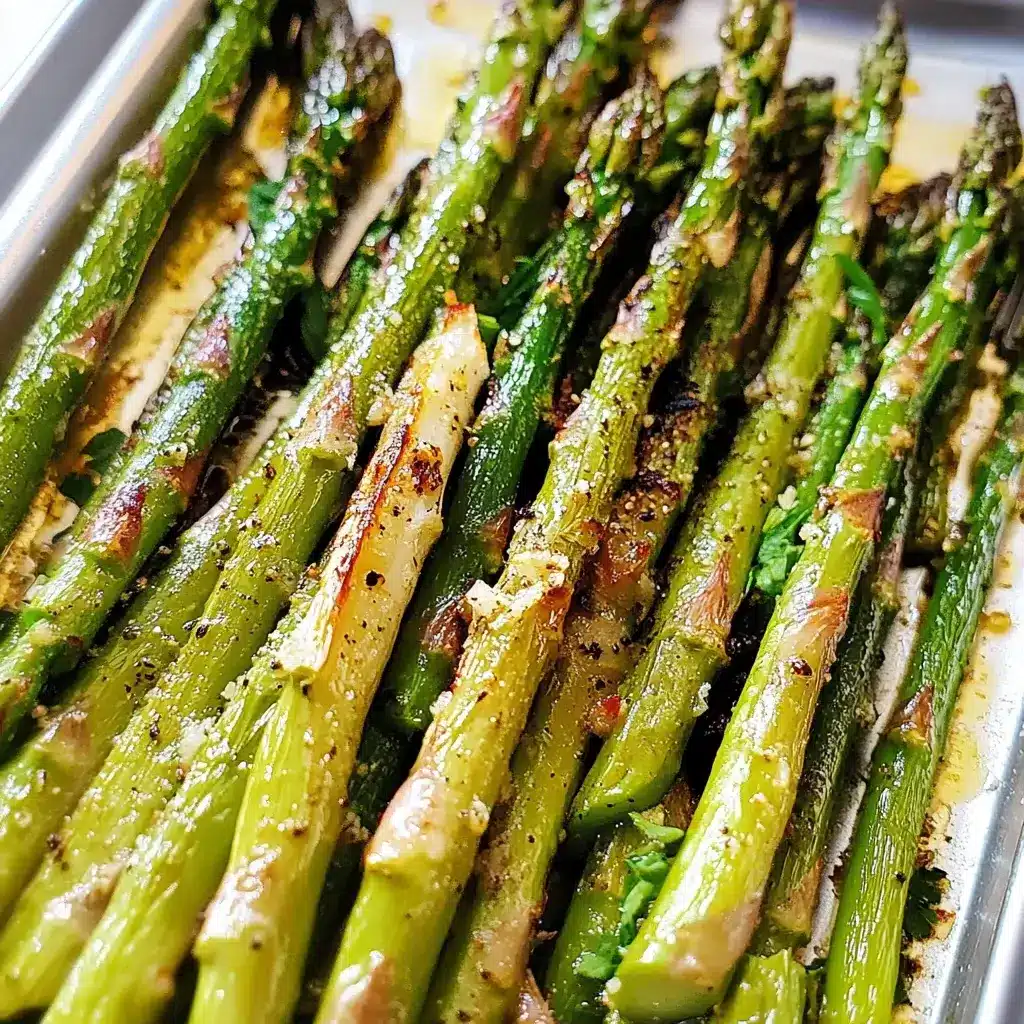
It’s funny how some of the simplest recipes can become absolute staples in your kitchen. Oven roasted asparagus is one of those for me. For years, I struggled to get my family to eat their greens, especially my youngest. Then, I stumbled upon this ridiculously easy method of roasting asparagus, and suddenly, it was gone in minutes! The natural sweetness of the asparagus comes out, and the slight char adds this amazing smoky flavor that even picky eaters can’t resist. Honestly, it’s become a weekly side dish, and I often find myself making extra just to snack on cold from the fridge the next day. It’s the perfect balance of healthy, delicious, and incredibly simple – a true weeknight winner in our house!
Ingredients
- Fresh Asparagus: 2 pounds, choose firm, bright green spears. Medium thickness is ideal for even cooking.
- Olive Oil: 2 tablespoons, extra virgin olive oil is recommended for its flavor and health benefits.
- Salt: ½ teaspoon, kosher salt or sea salt enhances the natural flavors.
- Black Pepper: ¼ teaspoon, freshly ground black pepper for a bit of subtle spice.
- Garlic Powder (Optional): ½ teaspoon, adds a savory depth if desired.
Instructions
- Preheat your Oven and Prepare Asparagus: Preheat your oven to 400°F (200°C). While the oven is heating, rinse the asparagus under cold water and snap off the tough, woody ends. You can usually feel where the asparagus naturally wants to break – this is the point where the tender stalk begins. Alternatively, you can trim the bottom inch or two with a knife.
- Toss with Oil and Seasoning: In a large bowl, toss the asparagus spears with olive oil, ensuring they are evenly coated. Sprinkle with salt, black pepper, and garlic powder (if using). Use your hands or tongs to distribute the seasoning evenly.
- Arrange on Baking Sheet: Spread the seasoned asparagus in a single layer on a baking sheet. Avoid overcrowding the pan, as this can steam the asparagus instead of roasting it. If necessary, use two baking sheets.
- Roast to Perfection: Roast in the preheated oven for 12-15 minutes, or until the asparagus is tender-crisp and bright green with slightly browned tips. The cooking time will vary depending on the thickness of your asparagus spears. Thicker spears will require a few extra minutes.
- Check for Doneness: To check if the asparagus is done, pierce a spear with a fork. It should be tender but still have a slight bite – you don’t want it to be mushy. The tips should be slightly browned and crisp.
- Serve Immediately: Once roasted, remove the asparagus from the oven and serve immediately. It’s best enjoyed hot or warm. You can add a squeeze of fresh lemon juice or a sprinkle of Parmesan cheese just before serving for extra flavor, if desired.
Nutrition Facts
Servings: 4
Calories Per Serving: Approximately 80 calories (estimated, may vary based on olive oil quantity and asparagus thickness)
- Vitamin K: High (Essential for blood clotting and bone health)
- Vitamin C: Good Source (Supports immune function and acts as an antioxidant)
- Folate (Vitamin B9): Good Source (Important for cell growth and development)
- Fiber: Moderate Source (Promotes digestive health and satiety)
- Potassium: Moderate Source (Important for blood pressure regulation)
- Vitamin A: Present (Important for vision, immune function, and cell growth)
(Note: Nutritional information is an estimate and can vary based on specific ingredients and portion sizes. Consult a nutrition professional for precise dietary information.)
Preparation Time
Prep Time: 5 minutes (This includes washing, trimming, and seasoning the asparagus)
Cook Time: 12-15 minutes (Roasting time in the oven)
Total Time: 17-20 minutes (From start to finish, a quick and easy side dish!)
How to Serve Oven Roasted Asparagus
Oven roasted asparagus is incredibly versatile and pairs well with a wide variety of dishes. Here are some delicious ways to serve it:
- As a Classic Side Dish:
- Alongside grilled or roasted chicken, fish, or steak.
- With baked or pan-seared salmon for a healthy and flavorful meal.
- Accompanying a hearty lentil loaf or vegetarian main course.
- Served with scrambled eggs or an omelet for a nutritious breakfast or brunch.
- Part of a balanced plate with quinoa or brown rice and a protein source.
- Incorporated into Salads:
- Chilled roasted asparagus added to a vibrant spring salad with mixed greens, strawberries, and goat cheese.
- Warm roasted asparagus combined with a grain salad like farro or couscous, with lemon vinaigrette.
- Asparagus salad with hard-boiled eggs, Dijon mustard dressing, and crispy bacon bits.
- Roasted asparagus and tomato salad with balsamic glaze and fresh basil.
- In Pasta and Risotto Dishes:
- Folded into creamy pasta dishes like fettuccine Alfredo or primavera pasta.
- Stirred into a lemon and asparagus risotto for a fresh and vibrant flavor.
- Added to a pasta salad with pesto, cherry tomatoes, and mozzarella balls.
- Used as a topping for asparagus and ricotta ravioli.
- As Part of Appetizers and Sharing Platters:
- Served as a simple appetizer with a dipping sauce like aioli, hummus, or romesco.
- Arranged on a charcuterie board alongside cheeses, cured meats, and olives.
- Wrapped in prosciutto and grilled or baked for a more substantial appetizer.
- Used as a topping for bruschetta with ricotta cheese and lemon zest.
- Creative Culinary Uses:
- Blended into a creamy asparagus soup for a light and healthy starter.
- Pureed and added to quiches or frittatas for extra flavor and nutrients.
- Chopped and incorporated into omelets or breakfast burritos.
- Used as a pizza topping with goat cheese and caramelized onions.
- Served as a component in a Buddha bowl or nourish bowl with grains, protein, and other vegetables.
Additional Tips for Perfect Oven Roasted Asparagus
Roasting asparagus is incredibly straightforward, but a few key tips can elevate your dish from good to absolutely fantastic. Here are eight additional tips to ensure your oven roasted asparagus is always perfectly tender-crisp and flavorful:
- Choose Asparagus of Similar Thickness: For even cooking, try to select asparagus spears that are roughly the same thickness. If you have a mix of thick and thin spears, you can separate them and roast the thicker spears for a minute or two longer. This prevents the thinner spears from becoming overcooked and mushy while ensuring the thicker ones are cooked through.
- Don’t Overcrowd the Baking Sheet: This is crucial for roasting, not steaming. When asparagus spears are packed too tightly on the baking sheet, they will steam instead of roast, resulting in soggy, less flavorful asparagus. Ensure you spread the asparagus in a single layer with some space between the spears. If you’re cooking a large batch, use two baking sheets to avoid overcrowding.
- Adjust Roasting Time Based on Thickness: The recipe suggests a roasting time of 12-15 minutes, but this is a guideline. The exact cooking time will depend on the thickness of your asparagus spears and your oven. Thinner spears will cook faster (around 8-10 minutes), while thicker spears may need up to 15-20 minutes. Start checking for doneness around the 10-minute mark and adjust the time accordingly.
- Use Enough Olive Oil (But Not Too Much): Olive oil is essential for roasting asparagus as it helps to prevent it from drying out and encourages browning. However, you don’t want to drown the asparagus in oil. Two tablespoons for two pounds of asparagus is generally a good ratio. The asparagus should be lightly coated, not swimming in oil. Too much oil can make the asparagus greasy.
- Season Generously: Salt and pepper are essential seasonings for roasted asparagus. Don’t be shy with the salt, as it enhances the natural flavors of the asparagus. Taste and adjust seasoning after roasting if needed. You can also experiment with other seasonings like garlic powder, onion powder, red pepper flakes for a touch of heat, or Italian seasoning for a herbaceous flavor.
- Roast at the Right Temperature: 400°F (200°C) is a great temperature for roasting asparagus. It’s hot enough to create browning and crispiness but not so high that it burns the asparagus before it’s cooked through. If you prefer a slightly more charred flavor, you can increase the oven temperature to 425°F (220°C) but keep a closer eye on it to prevent burning.
- Consider Adding Lemon Juice or Zest: A squeeze of fresh lemon juice after roasting brightens the flavors of the asparagus and adds a touch of acidity that complements the savory notes. You can also add lemon zest to the olive oil before roasting for a more infused lemon flavor. Lemon and asparagus are a classic and delicious pairing.
- Don’t Overcook: The key to perfect roasted asparagus is to cook it until it’s tender-crisp. Overcooked asparagus will be mushy and lose its vibrant green color. You want the spears to be slightly tender but still have a bit of bite. They should be bright green and slightly browned at the tips. As soon as they reach this stage, remove them from the oven to prevent overcooking.
Frequently Asked Questions (FAQ) About Oven Roasted Asparagus
Q1: Can I roast frozen asparagus?
A: Yes, you can roast frozen asparagus, but the texture will be slightly softer than fresh asparagus. There’s no need to thaw frozen asparagus before roasting. Roast it directly from frozen, but you may need to increase the roasting time by a few minutes (around 5-7 minutes extra). Be sure to spread it in a single layer to avoid steaming. Frozen asparagus tends to release more moisture, so pat it dry with paper towels after roasting if needed.
Q2: How do I store leftover roasted asparagus?
A: Store leftover roasted asparagus in an airtight container in the refrigerator for up to 3-4 days. It’s best enjoyed within the first two days for optimal texture and flavor.
Q3: What’s the best way to reheat roasted asparagus?
A: Reheating roasted asparagus can be tricky as it can become mushy. The best way to reheat it is gently in a skillet over medium-low heat with a little olive oil or butter. You can also reheat it in the oven at a low temperature (around 300°F or 150°C) for a few minutes, but watch it closely to prevent overcooking. Microwaving is generally not recommended as it can make the asparagus soggy. Cold roasted asparagus is also delicious in salads or as a snack.
Q4: Can I add cheese to roasted asparagus?
A: Absolutely! Cheese pairs wonderfully with roasted asparagus. Parmesan cheese is a classic choice – you can sprinkle grated Parmesan over the asparagus during the last few minutes of roasting or after it comes out of the oven. Other great cheese options include Pecorino Romano, Asiago, or even crumbled feta or goat cheese after roasting for a tangy contrast.
Q5: Can I roast asparagus without olive oil?
A: While olive oil is recommended for the best flavor and texture, you can roast asparagus without it. If you’re oil-free, you can use a little vegetable broth or water to lightly coat the asparagus to prevent it from drying out too much. However, the asparagus may not brown as nicely and might be slightly drier in texture.
Q6: What are some other flavor variations for roasted asparagus?
A: There are endless flavor variations for roasted asparagus! Besides garlic powder, you can try:
- Lemon and Herb: Add lemon zest and fresh herbs like thyme, rosemary, or oregano.
- Balsamic Glazed: Drizzle balsamic glaze over the asparagus after roasting.
- Spicy: Add red pepper flakes or a pinch of cayenne pepper for heat.
- Garlic and Chili: Roast with minced garlic and red chili flakes.
- Everything Bagel Seasoning: Sprinkle everything bagel seasoning before roasting.
- Soy Sauce and Ginger: Toss with soy sauce and grated ginger for an Asian-inspired flavor.
Q7: How do I know when asparagus is bad or spoiled?
A: Fresh asparagus should be firm and bright green. Signs of spoilage include:
- Slimy or Mushy Texture: If the asparagus feels slimy or mushy, it’s likely going bad.
- Strong, Unpleasant Odor: Asparagus should have a mild, fresh scent. A strong, sour, or ammonia-like smell indicates spoilage.
- Dull or Dark Green Color: Asparagus that has lost its bright green color and become dull or dark green is past its prime.
- Wrinkled or Dry Spears: While some slight wrinkling is normal with age, excessively wrinkled or dry spears indicate the asparagus is losing moisture and quality.
If you notice any of these signs, it’s best to discard the asparagus.
Q8: Can I roast asparagus on parchment paper or aluminum foil?
A: Yes, you can roast asparagus on parchment paper or aluminum foil. Parchment paper prevents sticking and makes cleanup easier. Aluminum foil also works well and can help with even heat distribution. If using foil, you can lightly grease it to prevent sticking. Roasting directly on a baking sheet also works perfectly fine and can encourage better browning. It’s a matter of personal preference and convenience.
Print
Oven Roasted Asparagus
Ingredients
- Fresh Asparagus: 2 pounds, choose firm, bright green spears. Medium thickness is ideal for even cooking.
- Olive Oil: 2 tablespoons, extra virgin olive oil is recommended for its flavor and health benefits.
- Salt: ½ teaspoon, kosher salt or sea salt enhances the natural flavors.
- Black Pepper: ¼ teaspoon, freshly ground black pepper for a bit of subtle spice.
- Garlic Powder (Optional): ½ teaspoon, adds a savory depth if desired.
Instructions
- Preheat your Oven and Prepare Asparagus: Preheat your oven to 400°F (200°C). While the oven is heating, rinse the asparagus under cold water and snap off the tough, woody ends. You can usually feel where the asparagus naturally wants to break – this is the point where the tender stalk begins. Alternatively, you can trim the bottom inch or two with a knife.
- Toss with Oil and Seasoning: In a large bowl, toss the asparagus spears with olive oil, ensuring they are evenly coated. Sprinkle with salt, black pepper, and garlic powder (if using). Use your hands or tongs to distribute the seasoning evenly.
- Arrange on Baking Sheet: Spread the seasoned asparagus in a single layer on a baking sheet. Avoid overcrowding the pan, as this can steam the asparagus instead of roasting it. If necessary, use two baking sheets.
- Roast to Perfection: Roast in the preheated oven for 12-15 minutes, or until the asparagus is tender-crisp and bright green with slightly browned tips. The cooking time will vary depending on the thickness of your asparagus spears. Thicker spears will require a few extra minutes.
- Check for Doneness: To check if the asparagus is done, pierce a spear with a fork. It should be tender but still have a slight bite – you don’t want it to be mushy. The tips should be slightly browned and crisp.
- Serve Immediately: Once roasted, remove the asparagus from the oven and serve immediately. It’s best enjoyed hot or warm. You can add a squeeze of fresh lemon juice or a sprinkle of Parmesan cheese just before serving for extra flavor, if desired.
Nutrition
- Serving Size: one normal portion
- Calories: 80