
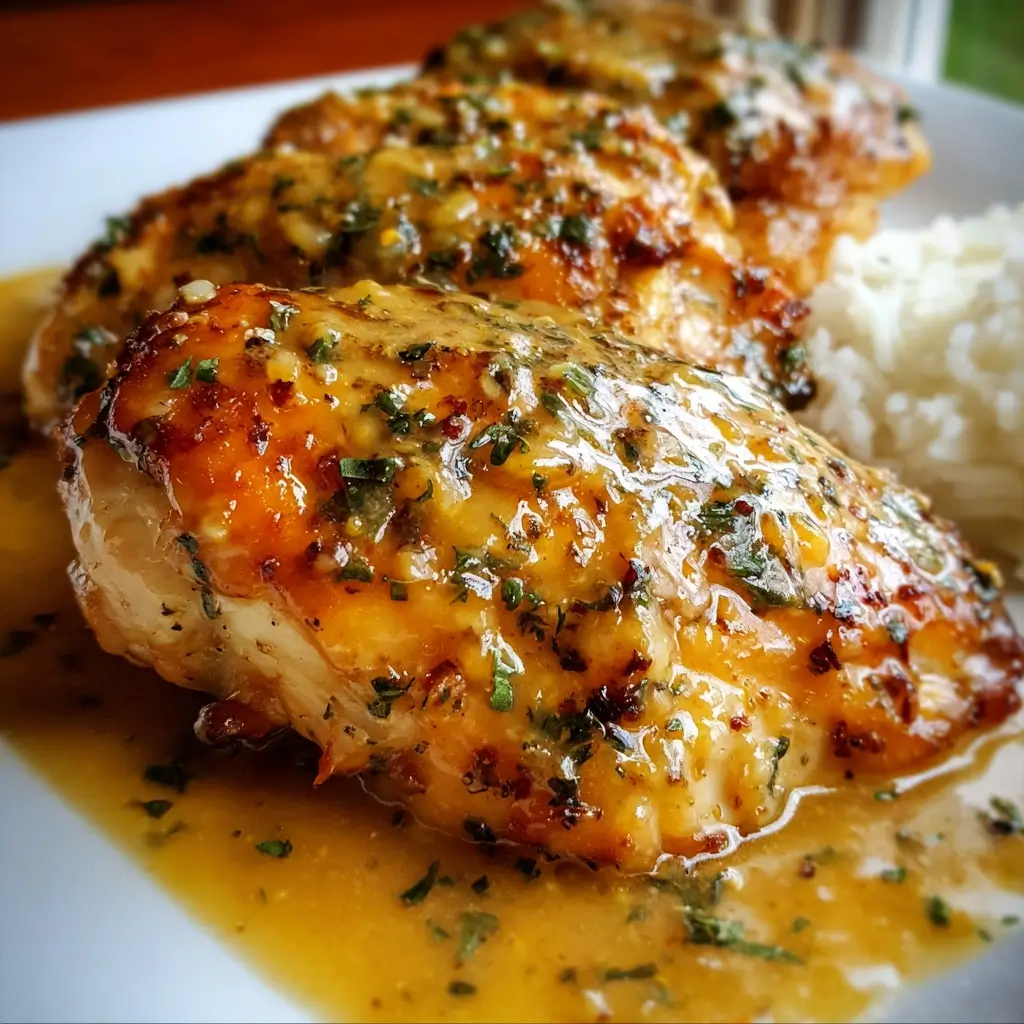
Of all the culinary battles waged in a busy household, the war on the weeknight dinner is by far the most relentless. It’s a daily struggle against the clock, against picky eaters, and against the sheer exhaustion that settles in after a long day. For a long time, my dinner rotation was a predictable, if not slightly monotonous, cycle of the same few meals. Then, one evening, fueled by a desire for something new but constrained by a lack of time and energy, this Quick Maple Dijon Chicken recipe was born. I remember the skepticism on my family’s faces as I whisked together what seemed like a random assortment of pantry staples. But the moment the sweet and tangy aroma began to fill the kitchen, I saw their expressions soften. The first bite was a revelation. The chicken was perfectly tender and juicy, enveloped in a luscious, glossy sauce that was the perfect symphony of sweet maple, sharp Dijon, and savory garlic. It was an instant hit. Plates were cleaned, and there were even requests for seconds. Since that day, this recipe has become our undisputed weeknight champion. It’s the meal I turn to when I need a guaranteed win—something that feels elegant and special but comes together in under 30 minutes. It’s proof that you don’t need hours or a laundry list of complicated ingredients to create a meal that is truly memorable, comforting, and delicious.
The Ultimate Quick Maple Dijon Chicken Recipe: Your New Weeknight Favorite
Welcome to what might just become the most requested recipe in your home. This dish is the epitome of sophisticated simplicity. The magic lies in the sauce—a perfectly balanced concoction of sweet, pure maple syrup and tangy, pungent Dijon mustard, elevated with a hint of garlic and savory chicken broth. When glazed over tender, golden-brown chicken breasts, it creates a meal that tastes like it came from a high-end bistro but was secretly made in your kitchen in less time than it takes to watch an episode of your favorite show. Forget bland and boring chicken; prepare to elevate your dinner game with this unforgettable recipe.
The Science of Flavor: Why This Combination Works
Before we dive into the ingredients, let’s talk about why this recipe is so successful. The pairing of maple and mustard is a classic culinary technique rooted in the principle of flavor balancing.
- Sweet and Tangy Harmony: The natural, earthy sweetness of pure maple syrup perfectly cuts through and mellows the sharp, acidic bite of Dijon mustard. Neither flavor overpowers the other; instead, they meld into a complex, mouthwatering taste that is more than the sum of its parts.
- The Maillard Reaction: By searing the chicken first, we create a beautiful golden-brown crust. This isn’t just for looks; it’s a chemical process called the Maillard reaction, which develops hundreds of new flavor compounds, adding a deep, savory, and almost nutty dimension to the meat.
- Building a Pan Sauce: The secret to the incredible sauce is using the same pan the chicken was cooked in. Those little browned bits left in the pan (called “fond”) are packed with concentrated flavor. When you add the liquids for the sauce, you “deglaze” the pan, lifting all that flavor off the bottom and incorporating it into the sauce for an unmatched depth.
This recipe isn’t just a set of instructions; it’s a lesson in basic cooking techniques that will make you a more confident and skilled home cook.
Ingredients You’ll Need
Simplicity is key. This recipe relies on a handful of high-quality pantry staples to create its signature flavor.
- Boneless, Skinless Chicken Breasts (4 medium, about 1.5 lbs): The lean canvas for our incredible sauce. We recommend pounding them to an even thickness for consistent cooking.
- Olive Oil (2 tablespoons): Used for searing the chicken, it helps create a beautiful golden crust and prevents sticking.
- Salt (1 teaspoon): Essential for seasoning the chicken and enhancing all the other flavors in the dish.
- Black Pepper (1/2 teaspoon): Adds a mild, woody spice that complements the sweetness of the maple and the tang of the mustard.
- Minced Garlic (3 cloves): Provides a fragrant, aromatic, and savory base for the sauce. Freshly minced is always best.
- Chicken Broth (1/2 cup): This creates the body of the sauce and helps to deglaze the pan, scraping up all the flavorful bits. Use low-sodium to better control the saltiness.
- Pure Maple Syrup (1/4 cup): The sweet heart of the sauce. Use 100% pure maple syrup, not breakfast or pancake syrup, for the best authentic flavor.
- Dijon Mustard (3 tablespoons): The tangy soul of the sauce. Its sharp, complex flavor is the perfect counterpoint to the maple syrup.
- Apple Cider Vinegar (1 tablespoon): A secret weapon that adds a bright, acidic note, balancing the richness and waking up all the flavors.
- Fresh Thyme or Parsley (1 tablespoon, chopped, for garnish): An optional but highly recommended final touch that adds a pop of color and fresh, herbaceous flavor.
Step-by-Step Instructions for Perfect Maple Dijon Chicken
Follow these detailed steps to ensure a flawless result every time. The entire process is designed for efficiency and maximum flavor development.
Part 1: Preparing the Chicken
- Even Out the Chicken: Place the chicken breasts between two sheets of plastic wrap or parchment paper. Using a meat mallet, rolling pin, or the bottom of a heavy pan, gently pound the chicken to an even thickness of about 1/2 to 3/4 inch. This is the most important step for ensuring the chicken cooks quickly and evenly without drying out.
- Season Generously: Pat the chicken breasts completely dry with paper towels. A dry surface is crucial for achieving a perfect sear. Season both sides of each chicken breast with salt and black pepper.
Part 2: Searing for Flavor
- Heat the Pan: Place a large skillet (cast iron, stainless steel, or non-stick) over medium-high heat. Add the olive oil and let it heat up until it shimmers.
- Sear the Chicken: Carefully place the seasoned chicken breasts in the hot skillet. Be sure not to crowd the pan; cook in two batches if necessary. Cook for 4-6 minutes per side, without moving them, until they are golden brown and cooked through. The internal temperature should reach 165°F (74°C) on a meat thermometer.
- Set Aside and Rest: Once cooked, transfer the chicken to a clean plate and tent loosely with foil to keep it warm. Allowing the chicken to rest is crucial for it to reabsorb its juices, ensuring a tender and moist final product. Do not wipe out the skillet.
Part 3: Crafting the Luscious Pan Sauce
- Sauté the Aromatics: Reduce the heat to medium. Add the minced garlic to the same skillet and sauté for about 30 seconds until fragrant, stirring constantly to prevent it from burning.
- Deglaze the Pan: Pour in the chicken broth and apple cider vinegar. Use a wooden spoon or spatula to scrape up all the browned bits (the fond) from the bottom of the pan. This is where the deep, savory flavor comes from!
- Whisk in the Stars: Add the pure maple syrup and Dijon mustard to the skillet. Whisk everything together until the sauce is smooth and well combined.
- Simmer and Thicken: Bring the sauce to a simmer and let it cook for 3-5 minutes, stirring occasionally, until it has thickened slightly and can coat the back of a spoon. Taste the sauce and adjust seasoning with a pinch more salt or pepper if needed.
Part 4: Bringing It All Together
- Return Chicken to the Pan: Return the rested chicken breasts and any accumulated juices from the plate back into the skillet with the sauce.
- Glaze and Serve: Spoon the sauce over the chicken breasts, turning them to coat completely. Let them warm through in the sauce for about a minute.
- Garnish and Enjoy: Transfer the chicken to serving plates, spooning any extra sauce over the top. Garnish with fresh chopped parsley or thyme and serve immediately.
Nutrition Facts
This provides an estimated nutritional breakdown per serving, assuming the recipe makes four servings.
- Servings: 4
- Calories per Serving: Approximately 380 kcal
- Protein (42g): An excellent source of high-quality protein, crucial for building and repairing tissues, supporting muscle mass, and keeping you feeling full and satisfied.
- Carbohydrates (18g): Primarily from the pure maple syrup, these provide a quick source of energy.
- Fat (14g): Mostly unsaturated fats from the olive oil, which are beneficial for heart health.
- Sugar (15g): Naturally occurring sugars from the maple syrup. Be mindful of this if you are monitoring your sugar intake.
- Sodium (750mg): Primarily from the added salt and chicken broth. Using low-sodium broth can help reduce this amount.
Disclaimer: Nutritional information is an estimate and can vary based on the specific ingredients and portion sizes used.
Preparation Time
This recipe is designed to be on your table in under 30 minutes, making it a true weeknight hero.
- Prep Time: 10 minutes (Includes pounding and seasoning the chicken, and measuring ingredients).
- Cook Time: 15-20 minutes (Includes searing the chicken and making the sauce).
- Total Time: 25-30 minutes
How to Serve Your Maple Dijon Chicken
The beauty of this dish is its versatility. It pairs wonderfully with a wide variety of sides, allowing you to customize your meal based on your mood and dietary preferences.
- For a Classic, Comforting Meal:
- Creamy Mashed Potatoes: The perfect vehicle for soaking up every last drop of the delicious sauce.
- Roasted Vegetables: Asparagus, broccoli, or Brussels sprouts tossed in olive oil and roasted until tender-crisp provide a healthy and flavorful counterpoint.
- Steamed Green Beans: A simple, crisp, and fresh side that adds a vibrant color to the plate.
- For a Lighter, Health-Conscious Option:
- Quinoa or Farro: Serve the chicken over a bed of fluffy quinoa or nutty farro for a boost of fiber and protein.
- Cauliflower Rice: A fantastic low-carb alternative to traditional rice that readily absorbs the sauce.
- A Large Green Salad: A simple salad with a light vinaigrette makes for a fresh and balanced meal.
- For Soaking Up the Sauce:
- Crusty Bread: A warm baguette or sourdough slice is essential for mopping the plate clean.
- Egg Noodles or Couscous: Fluffy couscous or buttered egg noodles are excellent bases that complement the chicken beautifully.
- Finishing Touches and Garnishes:
- Sprinkle with fresh chopped parsley or thyme for a burst of freshness.
- Add a pinch of red pepper flakes to the sauce for a subtle kick of heat.
- Top with crumbled, crispy ham for an extra layer of savory flavor and texture.
Additional Tips for Recipe Success
These eight tips will take your Maple Dijon Chicken from great to absolutely spectacular.
- Don’t Crowd the Pan: This is a golden rule of cooking. Giving the chicken breasts enough space in the skillet ensures they sear rather than steam. A proper sear develops the Maillard reaction, creating that deep flavor and golden-brown crust. If your skillet isn’t large enough, cook the chicken in two batches.
- The Importance of Patting the Chicken Dry: Before seasoning, use paper towels to pat the chicken completely dry. Moisture is the enemy of a good sear. A dry surface allows the oil to make direct contact with the meat, resulting in a crispier, more flavorful crust.
- Invest in a Meat Thermometer: The single best way to guarantee perfectly cooked chicken—not dry, not undercooked—is to use an instant-read meat thermometer. Insert it into the thickest part of the breast; it’s done when it registers 165°F (74°C). This takes all the guesswork out of cooking.
- Choose Your Mustard Wisely: While the recipe calls for Dijon, you can experiment. A whole-grain mustard will add a wonderful texture and a milder tang. Avoid standard yellow mustard, as its flavor is too one-dimensional and vinegary for this sauce.
- Real Maple Syrup Is Non-Negotiable: This cannot be stressed enough. Use 100% pure maple syrup. Breakfast syrups are mostly corn syrup with artificial flavoring and will not provide the same rich, complex, and authentic flavor. The quality of your syrup directly impacts the quality of your sauce.
- Let the Chicken Rest: After cooking, let the chicken rest on a plate for 5-10 minutes before slicing or returning it to the sauce. This allows the muscle fibers to relax and reabsorb the juices. If you cut into it immediately, all that flavorful juice will run out onto your cutting board, leaving you with dry meat.
- Master the Art of Deglazing: Don’t fear the brown bits! The “fond” left in the pan after searing is a flavor treasure chest. When you add the broth, use your spoon to scrape vigorously. This simple technique is the secret to a restaurant-quality pan sauce.
- For a Creamier Sauce Variation: If you prefer a richer, creamier sauce, you can add a splash (about 2-3 tablespoons) of heavy cream or full-fat coconut milk at the very end. Whisk it in after the sauce has thickened and let it warm through for a minute before adding the chicken back in.
Frequently Asked Questions (FAQ)
Here are answers to some common questions you might have about this recipe.
1. Can I use chicken thighs instead of breasts?
Absolutely! Boneless, skinless chicken thighs are a great substitute. They are naturally more flavorful and forgiving than breasts. The cooking time may be slightly longer, around 6-8 minutes per side, depending on their thickness. As always, use a meat thermometer to ensure they reach an internal temperature of 165°F (74°C).
2. Can I make this recipe ahead of time?
Yes, this recipe works well for meal prep. You can cook the chicken and sauce completely, let it cool, and store it in an airtight container in the refrigerator. It makes for fantastic leftovers for lunch the next day.
3. How do I store and reheat leftovers?
Store leftovers in an airtight container in the refrigerator for up to 3-4 days. To reheat, you can gently warm the chicken and sauce in a skillet over low heat until warmed through. You can also microwave it, but be careful not to overcook the chicken, which can make it tough.
4. Is this recipe gluten-free?
Yes, this recipe is naturally gluten-free. All the core ingredients—chicken, olive oil, maple syrup, vinegar, and spices—are gluten-free. Just be sure to double-check that your chicken broth and Dijon mustard are certified gluten-free, as some brands can have hidden gluten-containing additives.
5. My sauce is too thin or too thick. How can I fix it?
This is an easy fix! If your sauce is too thin, simply let it simmer for a few more minutes on the stove. The excess liquid will evaporate, and the sauce will reduce and thicken. If your sauce is too thick, whisk in a tablespoon or two of chicken broth or water until it reaches your desired consistency.
6. Can I use this sauce as a marinade?
Yes, this sauce makes an excellent marinade! Whisk the sauce ingredients together and pour over the raw chicken in a zip-top bag or shallow dish. Let it marinate in the refrigerator for at least 30 minutes and up to 4 hours. Any longer, and the vinegar in the mustard can start to break down the texture of the chicken.
7. What if I don’t have fresh garlic?
While fresh garlic offers the best flavor, you can substitute it with 1 teaspoon of garlic powder in a pinch. Add the garlic powder to the pan along with the other sauce ingredients (maple syrup and mustard) rather than sautéing it in the oil.
8. Can I bake this chicken instead of pan-searing it?
Yes, baking is a great option. For the best flavor, we still recommend searing the chicken in a hot, oven-safe skillet for 2-3 minutes per side to get that golden crust. Then, pour the sauce over the chicken and transfer the entire skillet to a preheated 400°F (200°C) oven. Bake for 10-15 minutes, or until the chicken is cooked through. This method yields incredibly tender results.
Print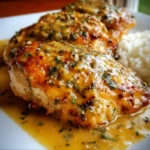
Quick Maple Dijon Chicken Recipe
Ingredients
Simplicity is key. This recipe relies on a handful of high-quality pantry staples to create its signature flavor.
- Boneless, Skinless Chicken Breasts (4 medium, about 1.5 lbs): The lean canvas for our incredible sauce. We recommend pounding them to an even thickness for consistent cooking.
- Olive Oil (2 tablespoons): Used for searing the chicken, it helps create a beautiful golden crust and prevents sticking.
- Salt (1 teaspoon): Essential for seasoning the chicken and enhancing all the other flavors in the dish.
- Black Pepper (1/2 teaspoon): Adds a mild, woody spice that complements the sweetness of the maple and the tang of the mustard.
- Minced Garlic (3 cloves): Provides a fragrant, aromatic, and savory base for the sauce. Freshly minced is always best.
- Chicken Broth (1/2 cup): This creates the body of the sauce and helps to deglaze the pan, scraping up all the flavorful bits. Use low-sodium to better control the saltiness.
- Pure Maple Syrup (1/4 cup): The sweet heart of the sauce. Use 100% pure maple syrup, not breakfast or pancake syrup, for the best authentic flavor.
- Dijon Mustard (3 tablespoons): The tangy soul of the sauce. Its sharp, complex flavor is the perfect counterpoint to the maple syrup.
- Apple Cider Vinegar (1 tablespoon): A secret weapon that adds a bright, acidic note, balancing the richness and waking up all the flavors.
- Fresh Thyme or Parsley (1 tablespoon, chopped, for garnish): An optional but highly recommended final touch that adds a pop of color and fresh, herbaceous flavor.
Instructions
Follow these detailed steps to ensure a flawless result every time. The entire process is designed for efficiency and maximum flavor development.
Part 1: Preparing the Chicken
- Even Out the Chicken: Place the chicken breasts between two sheets of plastic wrap or parchment paper. Using a meat mallet, rolling pin, or the bottom of a heavy pan, gently pound the chicken to an even thickness of about 1/2 to 3/4 inch. This is the most important step for ensuring the chicken cooks quickly and evenly without drying out.
- Season Generously: Pat the chicken breasts completely dry with paper towels. A dry surface is crucial for achieving a perfect sear. Season both sides of each chicken breast with salt and black pepper.
Part 2: Searing for Flavor
- Heat the Pan: Place a large skillet (cast iron, stainless steel, or non-stick) over medium-high heat. Add the olive oil and let it heat up until it shimmers.
- Sear the Chicken: Carefully place the seasoned chicken breasts in the hot skillet. Be sure not to crowd the pan; cook in two batches if necessary. Cook for 4-6 minutes per side, without moving them, until they are golden brown and cooked through. The internal temperature should reach 165°F (74°C) on a meat thermometer.
- Set Aside and Rest: Once cooked, transfer the chicken to a clean plate and tent loosely with foil to keep it warm. Allowing the chicken to rest is crucial for it to reabsorb its juices, ensuring a tender and moist final product. Do not wipe out the skillet.
Part 3: Crafting the Luscious Pan Sauce
- Sauté the Aromatics: Reduce the heat to medium. Add the minced garlic to the same skillet and sauté for about 30 seconds until fragrant, stirring constantly to prevent it from burning.
- Deglaze the Pan: Pour in the chicken broth and apple cider vinegar. Use a wooden spoon or spatula to scrape up all the browned bits (the fond) from the bottom of the pan. This is where the deep, savory flavor comes from!
- Whisk in the Stars: Add the pure maple syrup and Dijon mustard to the skillet. Whisk everything together until the sauce is smooth and well combined.
- Simmer and Thicken: Bring the sauce to a simmer and let it cook for 3-5 minutes, stirring occasionally, until it has thickened slightly and can coat the back of a spoon. Taste the sauce and adjust seasoning with a pinch more salt or pepper if needed.
Part 4: Bringing It All Together
- Return Chicken to the Pan: Return the rested chicken breasts and any accumulated juices from the plate back into the skillet with the sauce.
- Glaze and Serve: Spoon the sauce over the chicken breasts, turning them to coat completely. Let them warm through in the sauce for about a minute.
- Garnish and Enjoy: Transfer the chicken to serving plates, spooning any extra sauce over the top. Garnish with fresh chopped parsley or thyme and serve immediately.
Nutrition
- Serving Size: one normal portion
- Calories: 380
- Sugar: 15g
- Sodium: 750mg
- Fat: 14g
- Carbohydrates: 18g
- Protein: 42g