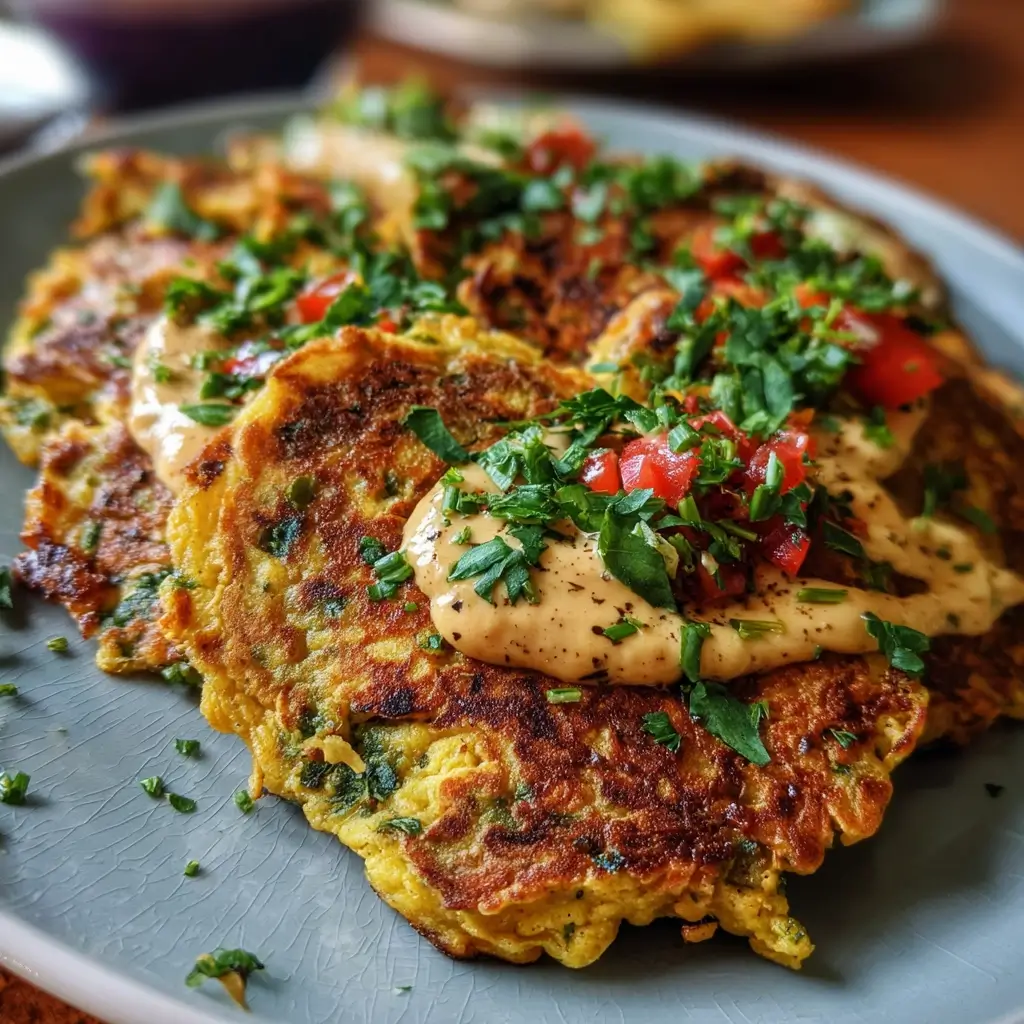
I remember the first time I made these Savory Chickpea Pancakes. It was a Saturday morning, and the usual debate was in full swing: the kids wanted something fun and pancake-shaped, while my partner and I were craving something savory, wholesome, and not loaded with sugar. The sweet-versus-savory breakfast standoff is a familiar scene in our house. I’d been playing with the idea of using chickpea flour, a staple in my pantry, for something other than a binder or a batter for frying. That’s when the lightbulb went on. What if I could create a pancake that satisfied everyone? I whisked together the simple, golden batter, fragrant with cumin and a hint of garlic, and poured the first one into the hot skillet. The kitchen filled with a warm, nutty aroma that was instantly comforting. The result was nothing short of a revelation. The pancake was beautifully golden, with irresistibly crispy, lacey edges and a soft, slightly custardy center. I served them stacked high, topped with creamy avocado, fresh cilantro, and a dollop of tangy yogurt. The kids, initially skeptical of their non-sweet “pancakes,” were won over by the fun shape and delicious, hearty flavor. My partner declared them a new weekend staple. Now, this Savory Chickpea Pancake recipe is our go-to for a satisfying brunch, a quick and healthy lunch, or even a light “breakfast-for-dinner” meal. They are endlessly versatile, incredibly easy, and a fantastic way to pack protein and fiber into a meal that feels like a treat.
Ingredients
- 2 cups (240g) Chickpea Flour (also known as Besan or Garbanzo Bean Flour): The star of the show, this gluten-free flour provides a wonderful nutty flavor, a tender texture, and a fantastic boost of plant-based protein and fiber. Ensure it’s fresh for the best taste.
- 2 cups (480ml) Lukewarm Water: Using lukewarm water helps the chickpea flour dissolve more easily, preventing lumps and creating a smoother batter.
- 2 tablespoons Olive Oil or Avocado Oil (plus more for cooking): This adds richness to the batter, helps prevent sticking, and contributes to those delicious crispy edges.
- 1 teaspoon Ground Cumin: Provides a warm, earthy, and slightly smoky flavor that is a classic pairing with chickpeas.
- 1 teaspoon Garlic Powder: Adds a savory, aromatic depth without the harshness of raw garlic.
- ½ teaspoon Ground Turmeric: This not only gives the pancakes a beautiful, vibrant golden hue but also adds a subtle, peppery warmth.
- ½ teaspoon Black Salt (Kala Namak) (Optional): This magical ingredient has a slightly sulfurous aroma that mimics the taste of eggs, adding a unique and savory complexity. If you don’t have it, regular sea salt works perfectly.
- ½ teaspoon Fine Sea Salt (or to taste): Balances and enhances all the other flavors in the batter. Adjust according to your preference and whether you used black salt.
- ¼ teaspoon Freshly Ground Black Pepper: For a touch of gentle spice and heat.
- Optional Mix-ins:
- ¼ cup finely chopped fresh cilantro or parsley: For a burst of fresh, herbaceous flavor.
- 2 tablespoons finely chopped red onion or scallions: For a mild, savory bite and a bit of texture.
- 1 finely chopped green chili or a pinch of red pepper flakes: For those who enjoy a little kick of heat.
Instructions
- Prepare the Batter: In a large mixing bowl, add the chickpea flour, ground cumin, garlic powder, turmeric, black salt (if using), fine sea salt, and black pepper. Use a whisk to combine all the dry ingredients thoroughly. This step is crucial to ensure the spices are evenly distributed, so every bite is flavorful.
- Hydrate the Flour: Create a well in the center of your dry ingredients. Slowly pour in the lukewarm water while continuously whisking from the center outwards. This technique helps to incorporate the liquid gradually and is the best way to prevent a lumpy batter. Continue to whisk until the batter is completely smooth and has a consistency similar to that of traditional pancake batter or heavy cream—not too thick, not too thin.
- Add Fat and Aromatics: Whisk in the 2 tablespoons of olive oil or avocado oil. If you are using any optional mix-ins like chopped cilantro, red onion, or green chili, fold them into the batter now with a spatula.
- Rest the Batter (The Secret Step): Cover the bowl with a clean kitchen towel or plastic wrap and let the batter rest at room temperature for at least 30 minutes. You can even let it rest for up to 2 hours. This resting period is vital. It allows the chickpea flour to fully absorb the water, which results in a more tender pancake with a superior texture and deeper flavor. It also helps the batter become more cohesive, making the pancakes easier to flip.
- Heat the Pan: Place a non-stick skillet or a well-seasoned cast-iron pan over medium heat. A good, even heat is key to a perfectly cooked pancake. Add about a teaspoon of oil to the pan and swirl it around to coat the bottom. You’ll know the pan is ready when a drop of water sizzles and evaporates instantly, or the oil shimmers slightly.
- Cook the First Side: Once the pan is hot, give your rested batter a quick stir, as some of the flour may have settled. Pour approximately ¼ to ⅓ cup of batter per pancake into the center of the pan. Gently use the back of the measuring cup or a spoon to spread the batter into a round shape, about 4-5 inches in diameter. Let it cook undisturbed for 3-4 minutes. You will see small bubbles forming on the surface, and the edges will start to look dry, firm, and slightly lifted from the pan. The top surface will change from glossy to matte.
- Flip and Cook the Second Side: Using a thin, flexible spatula, carefully slide it under the pancake. If it’s ready, it will release easily. Flip it over confidently and cook for another 2-3 minutes on the second side, or until it’s golden brown and cooked through. The center should feel firm to a gentle touch.
- Serve and Repeat: Transfer the cooked pancake to a plate. You can keep the cooked pancakes warm in a low-temperature oven (around 200°F or 90°C) on a baking sheet while you cook the rest of the batter. Add a little more oil to the pan between each pancake to prevent sticking. Repeat the process with the remaining batter until it’s all used up. Serve immediately with your favorite toppings.
Nutrition Facts
- Servings: This recipe makes approximately 8-10 pancakes. A serving size is 2 pancakes.
- Calories per serving: Approximately 250-300 kcal (depending on the amount of oil used and toppings).
- High in Plant-Based Protein: Chickpea flour is an excellent source of protein, which is essential for muscle repair, immune function, and keeping you feeling full and satisfied long after your meal.
- Excellent Source of Fiber: Rich in dietary fiber, these pancakes support healthy digestion, help regulate blood sugar levels, and contribute to overall gut health.
- Rich in Iron: A crucial mineral for carrying oxygen in the blood and preventing fatigue, these pancakes provide a significant plant-based source of iron.
- Good Source of Folate (Vitamin B9): Folate is vital for cell growth and metabolism. Getting enough folate is particularly important for overall health and well-being.
- Packed with Magnesium: This essential mineral plays a role in over 300 enzyme reactions in the human body, including energy production, nerve function, and blood pressure regulation.
Preparation Time
The total time for this recipe is about 45 minutes, but most of that is hands-off resting time.
- Active Preparation Time: 10-15 minutes (mixing the batter and cooking).
- Resting Time: 30 minutes (minimum). This is a crucial, non-negotiable step for the best texture, allowing the flour to hydrate fully.
How to Serve
These savory chickpea pancakes are a wonderfully versatile canvas. They can be dressed up or down for any meal of the day. Here are some of our favorite ways to serve them:
For a Hearty Breakfast or Brunch:
- The Classic Avocado Toast Style: Top a warm pancake with mashed avocado, a sprinkle of red pepper flakes, everything bagel seasoning, and a squeeze of fresh lime juice.
- With a Sunny-Side-Up Egg: The runny yolk creates a delicious, rich sauce that pairs beautifully with the nutty pancake.
- Loaded with Sautéed Veggies: Serve with a generous helping of sautéed mushrooms, spinach, and cherry tomatoes. A drizzle of balsamic glaze takes this to the next level.
- Alongside Breakfast Meats: They are a perfect complement to sizzling turkey slices or savory beef links for a complete, protein-packed breakfast.
For a Quick and Healthy Lunch:
- As a Wrap or Taco: Use the pancake as a gluten-free wrap. Fill it with hummus, grilled vegetables, fresh greens, and crumbled feta or a dairy-free alternative.
- Deli-Style Stack: Layer a pancake with your favorite sliced cheese, lean ham, and crisp lettuce for a satisfying open-faced sandwich.
- With a Fresh Salad: Serve alongside a simple arugula salad dressed with lemon vinaigrette for a light yet filling lunch.
For a Light Dinner or Appetizer:
- Topped with Greek Yogurt and Herbs: A dollop of thick Greek yogurt or a plant-based alternative, a sprinkle of fresh dill, and some chopped cucumber creates a refreshing and light meal.
- As a Base for Curry: Use the pancakes to scoop up a flavorful lentil or chickpea curry, similar to how you would use naan or roti.
- Cut into Wedges for Dipping: Slice the pancakes into triangles and serve them on a platter with an assortment of dips like hummus, baba ghanoush, or a spicy tomato chutney.
Additional Tips
- Don’t Skip the Rest: It bears repeating: letting the batter rest for at least 30 minutes is the single most important step for achieving the perfect texture. This allows the starches in the flour to swell and soften, resulting in a tender, not gummy, pancake.
- Get the Batter Consistency Right: The ideal batter should flow easily but not be watery. It should be the consistency of heavy cream or a slightly thin pancake batter. If it seems too thick, add more water one tablespoon at a time. If it’s too thin, whisk in a tablespoon of chickpea flour.
- Ensure Your Pan is Properly Heated: A medium-hot pan is crucial. If the pan is too cool, the pancake will absorb too much oil and become greasy. If it’s too hot, the outside will burn before the inside has a chance to cook through. The shimmer of the oil is your best visual cue.
- Master the Flip: Use a thin, wide, and flexible spatula. This allows you to get fully underneath the pancake without tearing it. Wait until the edges are clearly dry and lifting before you attempt to flip. A confident, quick wrist motion is all you need.
- Experiment with Spices: This recipe is a fantastic base for customization. Feel free to experiment with other spices. A pinch of smoked paprika can add a lovely smoky depth, while a teaspoon of curry powder can transport the flavor profile to another region entirely.
- Make-Ahead Batter: The batter can be made up to 24 hours in advance. Store it in an airtight container in the refrigerator. It may thicken slightly upon chilling, so you might need to whisk in a tablespoon or two of water to bring it back to the right consistency before cooking.
- Batch Cooking and Storing: These pancakes are great for meal prep. Cook a full batch and let them cool completely. Store them in an airtight container in the refrigerator for up to 4 days. Separate layers with parchment paper to prevent sticking.
- How to Reheat for Best Results: While you can microwave them, the best way to reheat these pancakes is in a toaster, a toaster oven, or a dry non-stick skillet over medium heat for a minute or two per side. This method helps to bring back their wonderful crispy edges.
Frequently Asked Questions (FAQ)
1. What exactly is chickpea flour?
Chickpea flour, also known as garbanzo bean flour, gram flour, or besan, is a flour made from finely ground dried chickpeas. It’s naturally gluten-free and has been a staple in Indian, Pakistani, and Middle Eastern cuisines for centuries. It has a distinctive earthy, nutty flavor and is packed with protein and fiber, making it a highly nutritious alternative to wheat flour.
2. My pancakes are falling apart when I try to flip them. What am I doing wrong?
This is a common issue with a few likely causes. First, your batter might be too thin; try whisking in a little more chickpea flour. Second, you may not have let the batter rest long enough. The resting period is crucial for the batter to become cohesive. Third, you might be trying to flip it too soon. Wait until the edges are visibly dry and lifting from the pan, and the top is mostly matte. Finally, ensure you’re using a good non-stick or well-seasoned cast-iron pan.
3. Are these pancakes the same as Socca or Besan Chilla?
They are very similar and belong to the same family of chickpea flour flatbreads. Socca is a traditional dish from Nice, France, typically made with just chickpea flour, water, olive oil, and salt, and is often cooked in a large pan and served in rough slices. Besan Chilla is its Indian counterpart, often thinner and more like a crêpe, and commonly includes spices like turmeric and cumin, as well as mix-ins like onions, tomatoes, and cilantro. This recipe is a hybrid, borrowing the heartiness of socca and the flavorful spices of a chilla, made into a familiar pancake shape.
4. Can I make this recipe oil-free?
Yes, you can. You can omit the oil from the batter, though it does add a nice richness and tenderness. For cooking, you will need an excellent quality non-stick pan. Cook over medium-low heat to prevent sticking, and be aware that you may not achieve the same level of crispy edges that you get when using oil.
5. How do I store and reheat leftover pancakes?
Let the pancakes cool completely, then store them in an airtight container in the refrigerator for up to 4 days. To reheat, you have a few options. For the best texture, place them in a toaster or toaster oven until warmed through and slightly crisp. Alternatively, you can warm them in a dry skillet over medium heat for a minute on each side. While microwaving is quick, it can make them soft and a bit rubbery.
6. Can I add other vegetables or cheese to the batter?
Absolutely! This recipe is incredibly adaptable. You can add up to ½ cup of finely chopped or grated vegetables. Good options include spinach, grated zucchini (squeeze out the excess water first), grated carrots, or finely chopped bell peppers. If you eat dairy, ½ cup of crumbled feta or grated Parmesan cheese mixed into the batter is also delicious.
7. My batter seems too thick/thin. How can I fix it?
The consistency of chickpea flour can vary slightly by brand. Don’t worry, this is an easy fix. If the batter feels too thick and doesn’t pour easily (more like a thick paste), whisk in lukewarm water, one tablespoon at a time, until it reaches the consistency of heavy cream. If the batter looks too thin and watery, simply whisk in more chickpea flour, one tablespoon at a time, until it has the right body.
8. Can I freeze these pancakes?
Yes, they freeze beautifully! Cook the pancakes as directed and let them cool completely. Stack them with a small piece of parchment paper between each one to prevent them from sticking together. Place the stack in a freezer-safe zip-top bag or airtight container. They can be frozen for up to 3 months. Reheat them directly from frozen in a toaster or a warm skillet until heated through.

Savory Chickpea Pancakes Recipe
Ingredients
- 2 cups (240g) Chickpea Flour (also known as Besan or Garbanzo Bean Flour): The star of the show, this gluten-free flour provides a wonderful nutty flavor, a tender texture, and a fantastic boost of plant-based protein and fiber. Ensure it’s fresh for the best taste.
- 2 cups (480ml) Lukewarm Water: Using lukewarm water helps the chickpea flour dissolve more easily, preventing lumps and creating a smoother batter.
- 2 tablespoons Olive Oil or Avocado Oil (plus more for cooking): This adds richness to the batter, helps prevent sticking, and contributes to those delicious crispy edges.
- 1 teaspoon Ground Cumin: Provides a warm, earthy, and slightly smoky flavor that is a classic pairing with chickpeas.
- 1 teaspoon Garlic Powder: Adds a savory, aromatic depth without the harshness of raw garlic.
- ½ teaspoon Ground Turmeric: This not only gives the pancakes a beautiful, vibrant golden hue but also adds a subtle, peppery warmth.
- ½ teaspoon Black Salt (Kala Namak) (Optional): This magical ingredient has a slightly sulfurous aroma that mimics the taste of eggs, adding a unique and savory complexity. If you don’t have it, regular sea salt works perfectly.
- ½ teaspoon Fine Sea Salt (or to taste): Balances and enhances all the other flavors in the batter. Adjust according to your preference and whether you used black salt.
- ¼ teaspoon Freshly Ground Black Pepper: For a touch of gentle spice and heat.
- Optional Mix-ins:
- ¼ cup finely chopped fresh cilantro or parsley: For a burst of fresh, herbaceous flavor.
- 2 tablespoons finely chopped red onion or scallions: For a mild, savory bite and a bit of texture.
- 1 finely chopped green chili or a pinch of red pepper flakes: For those who enjoy a little kick of heat.
Instructions
- Prepare the Batter: In a large mixing bowl, add the chickpea flour, ground cumin, garlic powder, turmeric, black salt (if using), fine sea salt, and black pepper. Use a whisk to combine all the dry ingredients thoroughly. This step is crucial to ensure the spices are evenly distributed, so every bite is flavorful.
- Hydrate the Flour: Create a well in the center of your dry ingredients. Slowly pour in the lukewarm water while continuously whisking from the center outwards. This technique helps to incorporate the liquid gradually and is the best way to prevent a lumpy batter. Continue to whisk until the batter is completely smooth and has a consistency similar to that of traditional pancake batter or heavy cream—not too thick, not too thin.
- Add Fat and Aromatics: Whisk in the 2 tablespoons of olive oil or avocado oil. If you are using any optional mix-ins like chopped cilantro, red onion, or green chili, fold them into the batter now with a spatula.
- Rest the Batter (The Secret Step): Cover the bowl with a clean kitchen towel or plastic wrap and let the batter rest at room temperature for at least 30 minutes. You can even let it rest for up to 2 hours. This resting period is vital. It allows the chickpea flour to fully absorb the water, which results in a more tender pancake with a superior texture and deeper flavor. It also helps the batter become more cohesive, making the pancakes easier to flip.
- Heat the Pan: Place a non-stick skillet or a well-seasoned cast-iron pan over medium heat. A good, even heat is key to a perfectly cooked pancake. Add about a teaspoon of oil to the pan and swirl it around to coat the bottom. You’ll know the pan is ready when a drop of water sizzles and evaporates instantly, or the oil shimmers slightly.
- Cook the First Side: Once the pan is hot, give your rested batter a quick stir, as some of the flour may have settled. Pour approximately ¼ to ⅓ cup of batter per pancake into the center of the pan. Gently use the back of the measuring cup or a spoon to spread the batter into a round shape, about 4-5 inches in diameter. Let it cook undisturbed for 3-4 minutes. You will see small bubbles forming on the surface, and the edges will start to look dry, firm, and slightly lifted from the pan. The top surface will change from glossy to matte.
- Flip and Cook the Second Side: Using a thin, flexible spatula, carefully slide it under the pancake. If it’s ready, it will release easily. Flip it over confidently and cook for another 2-3 minutes on the second side, or until it’s golden brown and cooked through. The center should feel firm to a gentle touch.
- Serve and Repeat: Transfer the cooked pancake to a plate. You can keep the cooked pancakes warm in a low-temperature oven (around 200°F or 90°C) on a baking sheet while you cook the rest of the batter. Add a little more oil to the pan between each pancake to prevent sticking. Repeat the process with the remaining batter until it’s all used up. Serve immediately with your favorite toppings.
Nutrition
- Serving Size: one normal portion
- Calories: 300