
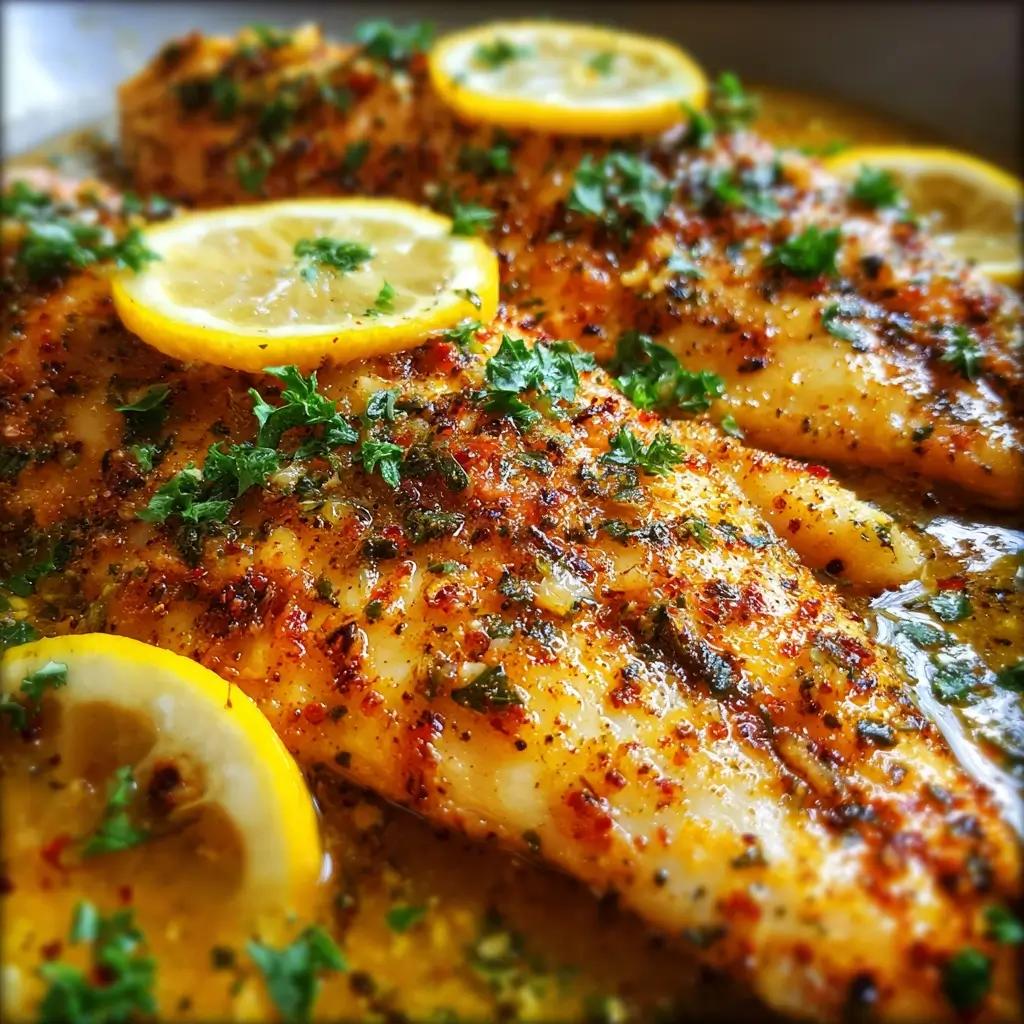
Of all the weeknight dinner dilemmas, the one that stumps me the most is the search for a meal that is simultaneously lightning-fast, incredibly delicious, and genuinely healthy. It often feels like you can only pick two. For years, my family’s evenings were a rotation of the same old standbys, meals that were quick but uninspired. Then, this Speedy Lemon Garlic Tilapia entered our lives, and it was nothing short of a culinary revelation. The first time I made it, the entire house filled with the irresistible aroma of sizzling garlic and bright, zesty lemon. My husband, usually reserved in his praise, took one bite and looked up from his plate with wide eyes. The kids, who often approach fish with suspicion, cleaned their plates without a single complaint. The tilapia was perfectly flaky, bathed in a buttery, garlicky sauce that was so simple yet tasted so elegant. It felt like a restaurant-quality dish that I had somehow managed to whip up in less than 20 minutes. It has since become our go-to recipe for busy Tuesdays, special-occasion-feeling Thursdays, and any day we need a reminder that a spectacular meal doesn’t require hours of effort.
Ingredients
Here is the simple, yet powerful, list of ingredients you’ll need to create this vibrant and flavorful fish dish. Each component plays a crucial role in building the layers of flavor that make this recipe so special.
- 4 Tilapia Fillets (about 6 ounces each): The star of the show. Tilapia is a mild, white fish with a slightly sweet flavor and a firm, flaky texture. It’s an excellent canvas for the bold flavors of lemon and garlic. You can use fresh or frozen fillets; if using frozen, ensure they are thoroughly thawed before you begin.
- 2 Tablespoons Olive Oil: This is used for searing the fish. A good quality olive oil not only prevents sticking but also imparts a subtle, fruity undertone to the dish. We are looking for a high smoke point oil, so regular or light olive oil works just as well as extra-virgin here.
- 4 Cloves Garlic, Minced: The aromatic heart of the recipe. Freshly minced garlic provides a pungent, savory depth that is essential. While garlic powder can be used in a pinch, the flavor of fresh cloves is vastly superior and truly elevates the sauce.
- 3 Tablespoons Unsalted Butter: This creates the rich, velvety base of the sauce. Using unsalted butter allows you to control the final saltiness of the dish, adding a creamy texture that beautifully coats the fish.
- 1/4 Cup Fresh Lemon Juice: This provides the bright, zesty acidity that cuts through the richness of the butter and complements the mildness of the tilapia. Freshly squeezed lemon juice is non-negotiable for the best flavor; the bottled variety can often taste metallic or overly sour.
- 1/4 Cup Chicken or Vegetable Broth: This adds volume and a savory background note to the sauce, preventing it from becoming too rich or overpowering. It helps to deglaze the pan, lifting all the delicious browned bits from the bottom.
- 2 Tablespoons Fresh Parsley, Chopped: More than just a garnish, fresh parsley adds a clean, peppery freshness that brightens the entire dish. It provides a beautiful pop of color and a final layer of flavor.
- Salt and Freshly Ground Black Pepper to taste: The essential seasonings. These are used to season the fish directly before cooking and to adjust the final taste of the sauce, enhancing all the other flavors.
Instructions
Follow these simple, step-by-step instructions to achieve perfectly cooked, flaky tilapia with a luscious lemon garlic sauce every single time. The key is to work efficiently, as the entire process comes together very quickly.
- Prepare the Tilapia: Begin by preparing your fish fillets. Gently pat each tilapia fillet completely dry with paper towels. This step is crucial. Removing excess moisture from the surface of the fish is the secret to achieving a beautiful, golden-brown sear instead of just steaming the fish in the pan. Season both sides of the fillets generously with salt and freshly ground black pepper.
- Sear the First Side: Place a large non-stick or cast-iron skillet over medium-high heat. Add the 2 tablespoons of olive oil. Allow the oil to heat up until it shimmers slightly or a drop of water sizzles instantly upon contact. Carefully place the seasoned tilapia fillets in the hot pan, ensuring you do not overcrowd it. You may need to cook in two batches depending on the size of your skillet. Cook the fillets for about 3-4 minutes on the first side, undisturbed. Resisting the urge to move them allows a perfect crust to form. You’ll see the edges of the fish turning opaque and golden.
- Flip and Cook Through: Using a thin fish spatula, carefully flip the fillets. Cook for another 2-3 minutes on the second side. The exact time will depend on the thickness of your fillets. The fish is cooked through when it is opaque all the way to the center and flakes easily when gently prodded with a fork. Once cooked, transfer the tilapia from the skillet to a clean plate and set it aside.
- Build the Sauce: Reduce the heat under the skillet to medium. Add the 3 tablespoons of unsalted butter to the same pan. As the butter melts, use a wooden spoon to scrape up any browned bits (fond) left from the fish—this is packed with flavor!
- Sauté the Aromatics: Once the butter is melted and foamy, add the 4 cloves of minced garlic. Sauté for about 30-60 seconds, stirring constantly, until the garlic is fragrant. Be very careful not to let it burn, as burnt garlic will turn the sauce bitter.
- Deglaze and Simmer: Pour in the 1/4 cup of chicken or vegetable broth and the 1/4 cup of fresh lemon juice. Bring the mixture to a simmer, allowing it to bubble gently for 2-3 minutes. This will reduce the sauce slightly and meld all the flavors together.
- Finish and Serve: Turn off the heat. Stir the 2 tablespoons of chopped fresh parsley into the sauce. Taste the sauce and add another pinch of salt and pepper if you feel it needs it. Return the cooked tilapia fillets to the skillet, spooning the luscious lemon garlic sauce generously over each one. Serve immediately and enjoy.
Nutrition Facts
This recipe is not only quick and delicious but also a fantastic choice for a healthy, balanced meal. The nutritional information is an estimate and can vary based on the specific ingredients and portion sizes used.
- Servings: 4
- Calories Per Serving: Approximately 350 kcal
- Protein (40g): Tilapia is an excellent source of high-quality, lean protein, which is essential for muscle repair, immune function, and keeping you feeling full and satisfied.
- Healthy Fats (18g): The majority of the fat in this dish comes from heart-healthy monounsaturated fats in the olive oil, with a smaller amount from the butter. These fats are crucial for brain health and nutrient absorption.
- Low in Carbohydrates (3g): With virtually no carbohydrates, this dish is naturally low-carb and keto-friendly, making it a great option for various dietary preferences.
- Vitamin C (15% of DV): The generous amount of fresh lemon juice provides a significant boost of Vitamin C, a powerful antioxidant that supports the immune system and skin health.
- Sodium (300mg): By using unsalted butter and seasoning the dish yourself, you have complete control over the sodium content, making it a much healthier alternative to processed meals.
Preparation Time
This recipe is designed for speed and efficiency, making it the perfect solution for a busy weeknight.
- Prep Time: 5-7 minutes. This includes thawing the fish (if necessary), patting it dry, gathering and mincing the garlic, juicing the lemon, and chopping the parsley.
- Cook Time: 10-12 minutes. This covers the time it takes to sear the fish on both sides and whip up the quick pan sauce.
- Total Time: Under 20 minutes from start to finish.
How to Serve
The beauty of this Speedy Lemon Garlic Tilapia lies in its versatility. It pairs wonderfully with a wide array of side dishes, allowing you to customize your meal based on your mood and dietary needs. Here are some serving suggestions to inspire you:
- For a Classic, Restaurant-Style Meal:
- Creamy Mashed Potatoes: The perfect vessel to soak up every last drop of the delicious lemon garlic sauce.
- Steamed or Roasted Asparagus: The earthy flavor of asparagus spears, especially when drizzled with a little olive oil and roasted until tender-crisp, is a classic and elegant pairing for fish.
- Fluffy Rice Pilaf: A bed of herbed rice pilaf complements the delicate fish and adds a satisfying, hearty element to the plate.
- For a Light and Healthy Option:
- Quinoa Salad: A vibrant salad made with quinoa, cherry tomatoes, cucumber, and a light vinaigrette.
- Zucchini Noodles (Zoodles): Keep it low-carb by serving the tilapia and sauce over a bed of sautéed zucchini noodles.
- A Simple Green Salad: A crisp salad with mixed greens, a few slices of avocado, and a simple lemon vinaigrette keeps the meal fresh and light.
- Steamed Green Beans: Simply steamed and lightly salted green beans provide a nutritious and crunchy side.
- For a Comforting and Hearty Dinner:
- Creamy Parmesan Orzo or Risotto: The rich, cheesy flavor of a creamy orzo or risotto stands up beautifully to the bright acidity of the lemon sauce.
- Roasted Root Vegetables: A medley of roasted carrots, parsnips, and potatoes brings a sweet, earthy depth to the meal.
- Crusty Bread: A slice of warm, crusty sourdough or baguette is essential for mopping up the incredible pan sauce.
- Garnishes and Toppings:
- A sprinkle of red pepper flakes for a touch of heat.
- Extra fresh parsley or a different fresh herb like dill or chives.
- A few lemon wedges on the side for those who love an extra citrusy kick.
- A scattering of capers in the sauce for a briny, salty pop of flavor.
Additional Tips
Unlock the full potential of this recipe and ensure flawless results with these eight professional tips.
- Don’t Crowd the Pan: This is one of the most important rules for getting a great sear. If you place too many fillets in the pan at once, the pan’s temperature will drop, and the fish will steam instead of sear. Cook in batches if necessary to give each fillet enough space.
- The Pan Must Be Hot: Before the fish even thinks about touching the skillet, the oil must be hot and shimmering. A hot pan instantly sears the surface of the tilapia, creating that desirable golden crust and helping to prevent it from sticking.
- Use a Fish Spatula (or Thin Metal Spatula): A flexible, thin-bladed fish spatula is the ideal tool for flipping delicate fillets. It can slide cleanly under the fish without tearing the crust or breaking the fillet apart.
- Embrace Fresh Ingredients: While you can use bottled lemon juice or dried parsley in a pinch, the flavor difference when using fresh ingredients is monumental. The vibrant, clean taste of fresh lemon juice and the bright, peppery notes of fresh parsley are what make this dish sing.
- Don’t Be Afraid to Deglaze: When you add the broth and lemon juice to the hot pan, make sure to scrape the bottom with a wooden spoon. Those browned bits left behind by the fish are concentrated flavor bombs that will form the savory foundation of your sauce.
- A Splash of White Wine Works Wonders: For an even more complex and elegant sauce, substitute half of the chicken broth with a dry white wine like Sauvignon Blanc or Pinot Grigio. Add the wine to the pan after the garlic and let it cook for a minute to burn off the alcohol before adding the broth and lemon juice.
- Know When to Stop Cooking: The number one mistake when cooking fish is overcooking it, which leads to a dry, rubbery texture. Tilapia is done when its internal temperature reaches 145°F (63°C), but an easier visual cue is that it turns from translucent to opaque and flakes easily with a fork. It’s better to slightly undercook it and let it finish cooking from the residual heat on the plate.
- Make Extra Sauce: This lemon garlic butter sauce is liquid gold. Don’t hesitate to double the sauce ingredients (butter, garlic, lemon juice, broth). You can spoon the extra sauce over your side dishes like rice, potatoes, or vegetables for a cohesive and extra-flavorful meal.
Frequently Asked Questions (FAQ)
Here are answers to some of the most common questions about making this Speedy Lemon Garlic Tilapia.
1. Can I use frozen tilapia fillets for this recipe?
Absolutely! Frozen tilapia is a convenient and budget-friendly option. The key is to thaw it properly before cooking. The best method is to place the frozen fillets in the refrigerator overnight. For a quicker thaw, you can place the sealed fillets in a bowl of cold water for about 30-60 minutes, changing the water every 15 minutes until they are pliable. Most importantly, make sure to pat them completely dry with paper towels before seasoning and cooking.
2. How do I know for sure when the tilapia is cooked?
There are two reliable ways to check for doneness. The visual method is to gently insert a fork into the thickest part of the fillet and twist slightly. If the fish is cooked, it will flake apart easily and the flesh will be opaque all the way through. The most accurate method is to use an instant-read thermometer; the internal temperature should register 145°F (63°C).
3. My fish stuck to the pan! What did I do wrong?
Sticking is usually caused by one of three things: the pan wasn’t hot enough when you added the fish, you didn’t use enough oil, or you tried to flip it too soon. Ensure your pan and oil are properly preheated. When you place the fish in the pan, let it cook undisturbed for at least 3 minutes to form a solid crust, which will allow it to release naturally from the pan’s surface.
4. Can I use a different type of fish?
Yes, this recipe is very adaptable. The lemon garlic sauce is fantastic with almost any mild white fish. Great substitutes for tilapia include cod, haddock, pollock, swai, or even sole. You may need to adjust the cooking time slightly depending on the thickness of the fillets you choose.
5. How should I store and reheat leftovers?
Store any leftover tilapia and sauce in an airtight container in the refrigerator for up to 2 days. To reheat, it’s best to avoid the microwave, which can make the fish rubbery. Instead, gently reheat it in a skillet over low heat with a splash of water or broth to keep it moist, or warm it in a low-temperature oven (around 275°F or 135°C) until just heated through.
6. Is tilapia a healthy fish to eat?
Tilapia is a very popular fish because it is an affordable source of lean protein. It’s low in calories, fat, and carbohydrates. While it doesn’t contain as many omega-3 fatty acids as fatty fish like salmon, it is still a nutritious choice and a great way to incorporate more fish into your diet as recommended by health organizations.
7. My sauce seems too thin. How can I thicken it?
If your sauce is thinner than you’d like, you can simply let it simmer for a few extra minutes to allow more of the liquid to evaporate and reduce. For a richer, thicker sauce, you can create a “beurre manié” by mashing a teaspoon of flour with a teaspoon of softened butter into a paste. Whisk this paste into the simmering sauce and cook for another minute until it thickens.
8. Can I make this recipe on the grill or in the oven?
Yes! To bake it, place the seasoned tilapia in a baking dish, pour the prepared sauce over the top, and bake at 400°F (200°C) for 10-15 minutes, or until cooked through. To grill it, you can create foil packets. Place each fillet on a large piece of foil, top with butter, garlic, and lemon slices, seal the packet, and grill over medium heat for about 10-12 minutes.
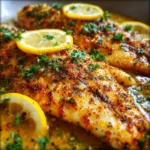
Speedy Lemon Garlic Tilapia
Ingredients
Here is the simple, yet powerful, list of ingredients you’ll need to create this vibrant and flavorful fish dish. Each component plays a crucial role in building the layers of flavor that make this recipe so special.
- 4 Tilapia Fillets (about 6 ounces each): The star of the show. Tilapia is a mild, white fish with a slightly sweet flavor and a firm, flaky texture. It’s an excellent canvas for the bold flavors of lemon and garlic. You can use fresh or frozen fillets; if using frozen, ensure they are thoroughly thawed before you begin.
- 2 Tablespoons Olive Oil: This is used for searing the fish. A good quality olive oil not only prevents sticking but also imparts a subtle, fruity undertone to the dish. We are looking for a high smoke point oil, so regular or light olive oil works just as well as extra-virgin here.
- 4 Cloves Garlic, Minced: The aromatic heart of the recipe. Freshly minced garlic provides a pungent, savory depth that is essential. While garlic powder can be used in a pinch, the flavor of fresh cloves is vastly superior and truly elevates the sauce.
- 3 Tablespoons Unsalted Butter: This creates the rich, velvety base of the sauce. Using unsalted butter allows you to control the final saltiness of the dish, adding a creamy texture that beautifully coats the fish.
- 1/4 Cup Fresh Lemon Juice: This provides the bright, zesty acidity that cuts through the richness of the butter and complements the mildness of the tilapia. Freshly squeezed lemon juice is non-negotiable for the best flavor; the bottled variety can often taste metallic or overly sour.
- 1/4 Cup Chicken or Vegetable Broth: This adds volume and a savory background note to the sauce, preventing it from becoming too rich or overpowering. It helps to deglaze the pan, lifting all the delicious browned bits from the bottom.
- 2 Tablespoons Fresh Parsley, Chopped: More than just a garnish, fresh parsley adds a clean, peppery freshness that brightens the entire dish. It provides a beautiful pop of color and a final layer of flavor.
- Salt and Freshly Ground Black Pepper to taste: The essential seasonings. These are used to season the fish directly before cooking and to adjust the final taste of the sauce, enhancing all the other flavors.
Instructions
Follow these simple, step-by-step instructions to achieve perfectly cooked, flaky tilapia with a luscious lemon garlic sauce every single time. The key is to work efficiently, as the entire process comes together very quickly.
- Prepare the Tilapia: Begin by preparing your fish fillets. Gently pat each tilapia fillet completely dry with paper towels. This step is crucial. Removing excess moisture from the surface of the fish is the secret to achieving a beautiful, golden-brown sear instead of just steaming the fish in the pan. Season both sides of the fillets generously with salt and freshly ground black pepper.
- Sear the First Side: Place a large non-stick or cast-iron skillet over medium-high heat. Add the 2 tablespoons of olive oil. Allow the oil to heat up until it shimmers slightly or a drop of water sizzles instantly upon contact. Carefully place the seasoned tilapia fillets in the hot pan, ensuring you do not overcrowd it. You may need to cook in two batches depending on the size of your skillet. Cook the fillets for about 3-4 minutes on the first side, undisturbed. Resisting the urge to move them allows a perfect crust to form. You’ll see the edges of the fish turning opaque and golden.
- Flip and Cook Through: Using a thin fish spatula, carefully flip the fillets. Cook for another 2-3 minutes on the second side. The exact time will depend on the thickness of your fillets. The fish is cooked through when it is opaque all the way to the center and flakes easily when gently prodded with a fork. Once cooked, transfer the tilapia from the skillet to a clean plate and set it aside.
- Build the Sauce: Reduce the heat under the skillet to medium. Add the 3 tablespoons of unsalted butter to the same pan. As the butter melts, use a wooden spoon to scrape up any browned bits (fond) left from the fish—this is packed with flavor!
- Sauté the Aromatics: Once the butter is melted and foamy, add the 4 cloves of minced garlic. Sauté for about 30-60 seconds, stirring constantly, until the garlic is fragrant. Be very careful not to let it burn, as burnt garlic will turn the sauce bitter.
- Deglaze and Simmer: Pour in the 1/4 cup of chicken or vegetable broth and the 1/4 cup of fresh lemon juice. Bring the mixture to a simmer, allowing it to bubble gently for 2-3 minutes. This will reduce the sauce slightly and meld all the flavors together.
- Finish and Serve: Turn off the heat. Stir the 2 tablespoons of chopped fresh parsley into the sauce. Taste the sauce and add another pinch of salt and pepper if you feel it needs it. Return the cooked tilapia fillets to the skillet, spooning the luscious lemon garlic sauce generously over each one. Serve immediately and enjoy.
Nutrition
- Serving Size: one normal portion
- Calories: 350
- Sodium: 300mg
- Fat: 18g
- Carbohydrates: 3g
- Protein: 40g