
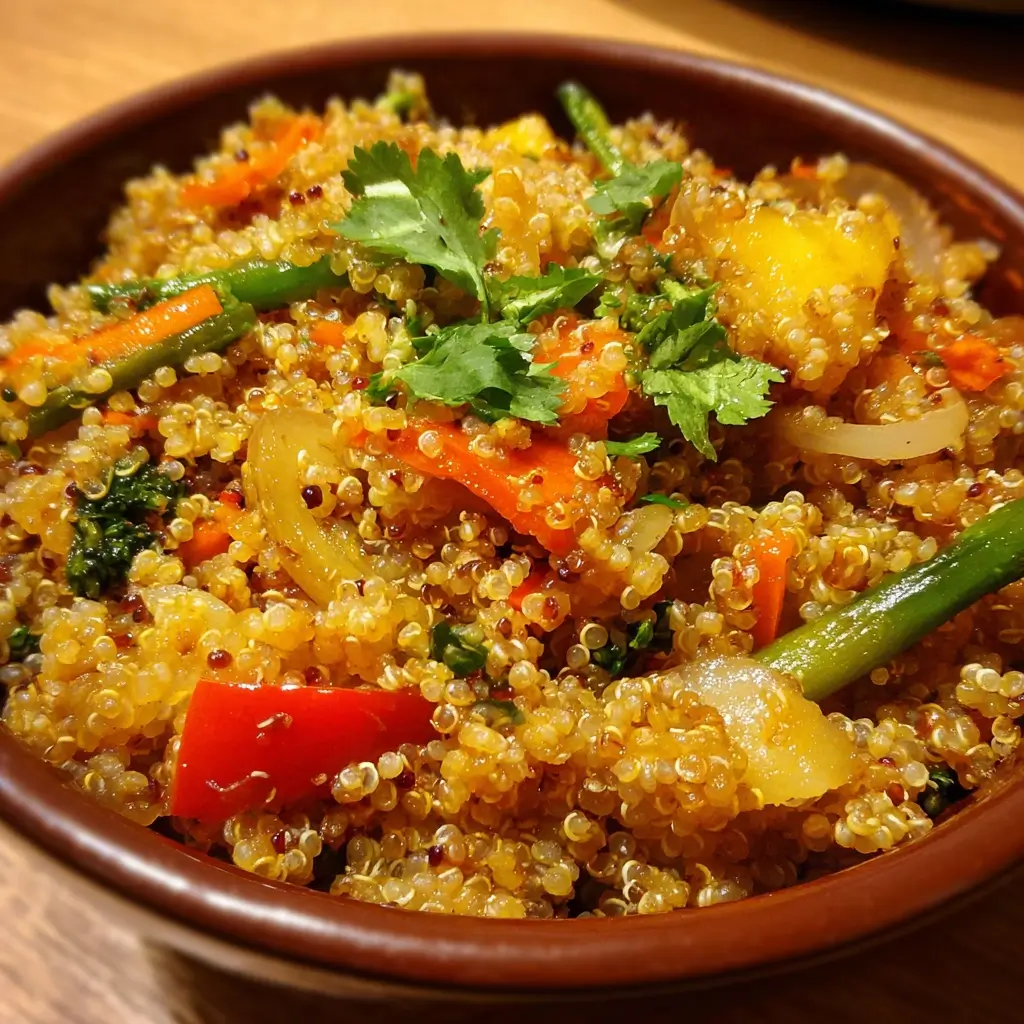
There are certain cravings that hit with an undeniable force, and for my family, the desire for a savory, satisfying bowl of fried rice is a frequent visitor. For years, it was our go-to takeout order on busy weeknights. However, as we became more conscious of our health goals, I started looking for ways to recreate those beloved flavors in a more nutritious, homemade format. My journey led me to a culinary game-changer: quinoa. The first time I swapped rice for this protein-packed powerhouse, I was nervous. Would the kids notice? Would it have that same comforting, “moreish” quality? The result was nothing short of a revelation. This Vegetable Fried Quinoa recipe not only satisfied our craving but completely surpassed our expectations. It was lighter, yet more filling, and packed with so much more texture and nutty flavor. Now, it’s not just a “healthy substitute”; it’s a dish requested by name, a vibrant, one-pan marvel that has become a cornerstone of our family’s meal rotation. It’s the meal I turn to when I need something quick, delicious, and guaranteed to make everyone at the table happy and nourished.
Why This Vegetable Fried Quinoa Recipe Will Become Your New Favorite
Before we dive into the specific steps, it’s important to understand what makes this dish so special. It’s more than just a simple stir-fry; it’s a masterclass in texture, flavor, and nutrition. This isn’t just a healthy alternative; in many ways, it’s an upgrade.
First and foremost is the star ingredient: quinoa. Unlike white rice, which is primarily a carbohydrate, quinoa is a complete protein, meaning it contains all nine essential amino acids. This makes the dish incredibly satisfying and satiating, keeping you fuller for longer. Its unique, slightly firm texture holds up beautifully to the high heat of stir-frying, ensuring each grain remains distinct and never turns to mush—a common pitfall with leftover rice. The subtle, nutty flavor of quinoa also adds a new layer of complexity that plain rice simply can’t match.
Second, this recipe is the epitome of versatility. Think of it as a template, a “clean-out-the-fridge” champion. While the recipe below provides a classic and delicious combination of vegetables, you can easily adapt it based on what you have on hand. Wilting spinach, a lonely bell pepper, a handful of mushrooms, or a stray zucchini can all find a happy home in this dish. This adaptability not only reduces food waste but also keeps the meal exciting and new each time you make it.
Finally, it delivers that quintessential “fried rice” experience without the guilt. The secret lies in the sauce and the cooking technique. The combination of savory tamari (or soy sauce), fragrant toasted sesame oil, and a touch of rice vinegar perfectly mimics the umami-rich flavor profile you crave. By using high heat and not crowding the pan, you achieve those delicious, slightly crispy bits that are the hallmark of any good fried grain dish. It’s a meal that feels indulgent and comforting while actively contributing to your well-being, making it a true win-win for any home cook.
Ingredients
Here are the components you’ll need to create this vibrant and flavorful dish. Each ingredient plays a crucial role in building the final taste and texture profile.
- 1 cup uncooked quinoa (white, red, or tricolor), rinsed thoroughly: This is the base of our dish, providing a fluffy, protein-rich, and nutty foundation. Rinsing is essential to remove saponin, a natural coating that can taste bitter.
- 2 tablespoons avocado oil or other high-heat neutral oil, divided: Used for sautéing. A high-smoke-point oil is crucial for stir-frying to prevent burning and smoking.
- 2 large eggs, lightly beaten: Adds classic fried rice texture, richness, and an extra boost of protein.
- 1 small yellow onion, finely chopped: Forms the aromatic base, providing a deep, savory sweetness.
- 2 cloves garlic, minced: A non-negotiable aromatic that adds a pungent, savory depth of flavor.
- 1 tablespoon fresh ginger, grated or minced: Provides a warm, zesty spice that cuts through the richness and brightens the entire dish.
- 1 medium carrot, small-diced: Adds a subtle sweetness, vibrant color, and a pleasant, firm crunch.
- 1 red bell pepper, small-diced: Contributes a fresh, slightly sweet flavor and a beautiful splash of red.
- 1 cup frozen peas: These add pops of sweetness and a soft texture. Using frozen peas means they cook quickly and retain their bright green color.
- 1 cup frozen corn: Provides sweetness and a satisfying textural contrast. Like the peas, frozen is perfect for convenience.
- 3 tablespoons tamari or low-sodium soy sauce: The primary source of salty, umami flavor. Use tamari for a gluten-free option.
- 1 tablespoon toasted sesame oil: A finishing oil with an intensely nutty and fragrant aroma. It’s added at the end to preserve its delicate flavor.
- 1 teaspoon rice vinegar: A secret ingredient that adds a touch of acidity to balance the savory sauce and brighten all the flavors.
- 2 scallions (green onions), thinly sliced, for garnish: Adds a fresh, mild oniony bite and a professional-looking finish.
- 1 tablespoon toasted sesame seeds, for garnish: Provides a final layer of nutty flavor and a delightful crunch.
Instructions
Follow these step-by-step instructions for perfect, fluffy, and flavorful fried quinoa every time. The key is to have all your ingredients prepped and ready to go before you start cooking.
Step 1: Cook the Quinoa to Perfection
The single most important step for great fried quinoa is using cold, day-old cooked quinoa. This allows the grains to dry out and firm up, preventing them from becoming mushy in the pan. If you don’t have leftover quinoa, cook it at least a few hours in advance. To cook, combine 1 cup of thoroughly rinsed quinoa with 1 ¾ cups of water or vegetable broth in a medium saucepan. Bring to a boil, then reduce the heat to a low simmer, cover, and cook for 15-18 minutes, or until all the liquid is absorbed. Remove from heat and let it stand, covered, for 5 minutes. Fluff with a fork, then spread it out on a baking sheet and let it cool completely. For best results, refrigerate for at least 4 hours or overnight.
Step 2: Prepare the Aromatics and Vegetables
This dish comes together very quickly, so preparation is key. This is the concept of mise en place—having everything in its place. Finely chop the yellow onion, mince the garlic, and grate the ginger. Dice the carrot and red bell pepper into small, uniform pieces so they cook evenly. Have your frozen peas and corn measured and ready. Thinly slice the scallions for the garnish.
Step 3: Scramble the Eggs
Heat 1 tablespoon of the avocado oil in a large skillet, non-stick pan, or wok over medium-high heat. Pour in the lightly beaten eggs and scramble them, breaking them into small pieces with a spatula as they cook. This should only take about 1-2 minutes. Once cooked, transfer the scrambled eggs to a separate plate and set them aside.
Step 4: Sauté the Aromatics and Hard Vegetables
Return the skillet to medium-high heat and add the remaining 1 tablespoon of avocado oil. Add the chopped onion and sauté for 2-3 minutes until it begins to soften and become translucent. Add the minced garlic and grated ginger, and cook for another minute until fragrant, stirring constantly to prevent burning. Add the diced carrots and bell pepper to the skillet. Stir-fry for 3-4 minutes until they are crisp-tender. You want them to retain a slight bite.
Step 5: Combine and Fry
Add the cooled, cooked quinoa to the skillet with the vegetables. Use your spatula to break up any large clumps. Spread the quinoa evenly across the surface of the pan and let it cook, undisturbed, for a minute or two to allow it to toast and get slightly crispy. This step is crucial for developing flavor. Add the frozen peas and corn and stir everything together to combine. Continue to cook for another 2-3 minutes, stirring frequently, until the frozen vegetables are heated through.
Step 6: Sauce and Finish
In a small bowl, whisk together the tamari (or soy sauce) and rice vinegar. Pour the sauce mixture over the quinoa and vegetables. Stir everything well to ensure every grain is evenly coated. Add the cooked scrambled eggs back into the pan. Drizzle the toasted sesame oil over the top. Give it all one final, thorough toss to combine all the ingredients. Cook for one more minute.
Step 7: Garnish and Serve
Remove the skillet from the heat. Taste and adjust seasoning if necessary, though it should be well-balanced. Serve the vegetable fried quinoa immediately in bowls, garnished generously with the sliced scallions and toasted sesame seeds.
Nutrition Facts
This recipe is designed to be as nourishing as it is delicious.
- Servings: 4 large servings
- Calories per serving: Approximately 450 kcal
- Protein (Approx. 18g per serving): Quinoa and eggs make this dish a protein powerhouse, essential for muscle repair, immune function, and keeping you feeling full and satisfied.
- Fiber (Approx. 10g per serving): With a wealth of fiber from the quinoa and vegetables, this meal supports digestive health, helps regulate blood sugar levels, and contributes to satiety.
- Healthy Fats (Approx. 18g per serving): The avocado oil and sesame oil provide heart-healthy monounsaturated and polyunsaturated fats, which are vital for brain health and reducing inflammation.
- Vitamin A (High): Carrots and bell peppers are excellent sources of Vitamin A, an important antioxidant that supports vision, immune function, and cell growth.
- Iron (Significant): Quinoa is a good plant-based source of iron, a mineral crucial for carrying oxygen in the blood and preventing fatigue.
Preparation Time
This meal is ideal for a busy weeknight, especially if the quinoa is cooked in advance.
- Prep Time: 15 minutes (assuming quinoa is already cooked)
- Cook Time: 15 minutes
- Total Time: 30 minutes
If you need to cook the quinoa from scratch, add an additional 25-30 minutes for cooking and at least 30 minutes for cooling.
How to Serve
This Vegetable Fried Quinoa is incredibly versatile and can be served in a variety of delicious ways.
- As a Complete Main Course:
- Serve it hot, straight from the pan, in a large bowl.
- Top with a drizzle of sriracha or chili garlic sauce for a spicy kick.
- Add a sprinkle of red pepper flakes for gentle heat.
- A dollop of kimchi on the side can add a wonderful fermented tang and probiotics.
- As a Nutritious Side Dish:
- Pair it with a main protein like grilled chicken breast, baked salmon, or pan-seared tofu.
- Serve it alongside Asian-inspired beef skewers or sautéed shrimp.
- It makes an excellent, healthy alternative to plain rice or noodles in any meal.
- Build-a-Bowl Style:
- Use the fried quinoa as the base for a vibrant and satisfying “power bowl.”
- Top with additional fresh or roasted vegetables like broccoli, edamame, or bok choy.
- Add a creamy element like sliced avocado or a dollop of yum yum sauce.
- Include extra crunch with chopped peanuts or cashews.
- For Meal Prep:
- Portion the cooled fried quinoa into individual airtight containers for easy grab-and-go lunches throughout the week.
- It’s delicious eaten cold, straight from the fridge, or can be quickly reheated in the microwave.
Additional Tips
Elevate your fried quinoa game from good to unforgettable with these eight professional tips.
- The Cold Quinoa Rule is Non-Negotiable: This cannot be overstated. Using warm, freshly cooked quinoa will result in a sticky, mushy texture. Chilled, day-old quinoa has had time for its starches to retrograde and for the surface of the grains to dry, allowing it to fry up beautifully and remain separate.
- Don’t Crowd the Pan: Use the largest skillet or wok you own. Crowding the pan steams the ingredients instead of frying them. You want everything to have contact with the hot surface to develop color and that coveted toasty flavor. If your pan is too small, cook in two batches.
- High Heat is Your Friend: Authentic stir-frying relies on high, consistent heat. Get your pan very hot before adding the oil. This allows the vegetables to become crisp-tender quickly without getting soggy and helps the quinoa to get those delicious crispy bits.
- Prep Everything First (Mise en Place): Stir-frying is a fast cooking process. You won’t have time to chop an onion while the garlic is in the pan. Have every single ingredient—chopped vegetables, minced aromatics, measured sauce—ready and within arm’s reach before you turn on the stove.
- Customize Your Vegetable Medley: Don’t be afraid to experiment. This recipe is a fantastic way to use up leftover vegetables. Broccoli florets, sliced mushrooms, bok choy, zucchini, edamame, and cabbage all work wonderfully. Just be mindful of cooking times—add harder vegetables like broccoli first and quicker-cooking ones like spinach at the very end.
- Boost the Protein: For an even more substantial meal, add another protein source. You can add diced firm tofu, cooked chickpeas, or edamame along with the vegetables. For non-vegetarians, diced cooked chicken, ham, or shrimp can be tossed in at the end.
- Master the Sauce: The sauce is what brings everything together. Taste it before you add it to the pan. Want it a little sweeter? Add a half-teaspoon of maple syrup or honey. Want more depth? A splash of oyster sauce (if not vegetarian) or mushroom-based vegetarian stir-fry sauce can add incredible umami.
- The Finishing Touch Matters: Don’t skip the garnishes. The fresh bite of scallions, the nutty crunch of toasted sesame seeds, and a drizzle of sriracha or chili oil at the end are not just for looks. They add final layers of texture and flavor that complete the dish and make it feel truly special.
Frequently Asked Questions (FAQ)
Here are answers to some common questions about making this vegetable fried quinoa recipe.
1. Can I use freshly cooked quinoa if I’m in a hurry?
You can, but the texture will be softer and slightly stickier. For the best possible result, day-old quinoa is highly recommended. If you must use fresh quinoa, spread it in a thin layer on a baking sheet and place it in the freezer for 15-20 minutes to rapidly cool it down and help it dry out before adding it to the skillet.
2. How can I make this recipe vegan?
This recipe is very easy to make vegan. Simply omit the scrambled eggs. To compensate for the missing protein and texture, you can add 1 cup of shelled edamame, a block of pressed and cubed firm tofu (sauté it first until golden), or a can of drained and rinsed chickpeas.
3. How do I ensure this recipe is 100% gluten-free?
Quinoa is naturally gluten-free. The only ingredient you need to be mindful of is the soy sauce. To make it gluten-free, use tamari, which is a Japanese soy sauce traditionally made without wheat, or look for a certified gluten-free soy sauce.
4. How long will this vegetable fried quinoa last in the refrigerator?
Stored in an airtight container, the fried quinoa will stay fresh and delicious in the refrigerator for up to 4 days. The flavors may even meld and become richer overnight. It’s an excellent recipe for meal prepping.
5. Can I freeze this dish?
Yes, you can freeze vegetable fried quinoa. Let it cool completely, then transfer it to a freezer-safe bag or container. It can be frozen for up to 2 months. To reheat, thaw it in the refrigerator overnight and then stir-fry it briefly in a hot pan or microwave it until heated through. The texture of the vegetables may be slightly softer after freezing.
6. My quinoa turned out mushy. What went wrong?
There are a few likely culprits for mushy quinoa. You may have used too much water when initially cooking it (stick to a 1:1.75 quinoa-to-water ratio). You might have used warm, freshly cooked quinoa. Or, you may have overcrowded the pan, causing the ingredients to steam. Ensure you use cold quinoa and a large, hot pan for the best texture.
7. Can I use a different grain instead of quinoa?
Absolutely. While quinoa provides unique nutritional benefits, this recipe works well with other cooked and cooled grains. Try it with brown rice for a classic take, or experiment with more robust grains like farro or barley for a chewier texture.
8. How can I add more spice to this dish?
There are several ways to turn up the heat. You can add 1-2 teaspoons of sriracha or chili garlic sauce to the sauce mixture. Alternatively, add a pinch of red pepper flakes or a finely minced fresh chili (like a serrano or Thai chili) along with the garlic and ginger for a more direct, vibrant heat.
Vegetable Fried Quinoa Recipe
Ingredients
Here are the components you’ll need to create this vibrant and flavorful dish. Each ingredient plays a crucial role in building the final taste and texture profile.
- 1 cup uncooked quinoa (white, red, or tricolor), rinsed thoroughly: This is the base of our dish, providing a fluffy, protein-rich, and nutty foundation. Rinsing is essential to remove saponin, a natural coating that can taste bitter.
- 2 tablespoons avocado oil or other high-heat neutral oil, divided: Used for sautéing. A high-smoke-point oil is crucial for stir-frying to prevent burning and smoking.
- 2 large eggs, lightly beaten: Adds classic fried rice texture, richness, and an extra boost of protein.
- 1 small yellow onion, finely chopped: Forms the aromatic base, providing a deep, savory sweetness.
- 2 cloves garlic, minced: A non-negotiable aromatic that adds a pungent, savory depth of flavor.
- 1 tablespoon fresh ginger, grated or minced: Provides a warm, zesty spice that cuts through the richness and brightens the entire dish.
- 1 medium carrot, small-diced: Adds a subtle sweetness, vibrant color, and a pleasant, firm crunch.
- 1 red bell pepper, small-diced: Contributes a fresh, slightly sweet flavor and a beautiful splash of red.
- 1 cup frozen peas: These add pops of sweetness and a soft texture. Using frozen peas means they cook quickly and retain their bright green color.
- 1 cup frozen corn: Provides sweetness and a satisfying textural contrast. Like the peas, frozen is perfect for convenience.
- 3 tablespoons tamari or low-sodium soy sauce: The primary source of salty, umami flavor. Use tamari for a gluten-free option.
- 1 tablespoon toasted sesame oil: A finishing oil with an intensely nutty and fragrant aroma. It’s added at the end to preserve its delicate flavor.
- 1 teaspoon rice vinegar: A secret ingredient that adds a touch of acidity to balance the savory sauce and brighten all the flavors.
- 2 scallions (green onions), thinly sliced, for garnish: Adds a fresh, mild oniony bite and a professional-looking finish.
- 1 tablespoon toasted sesame seeds, for garnish: Provides a final layer of nutty flavor and a delightful crunch.
Instructions
Follow these step-by-step instructions for perfect, fluffy, and flavorful fried quinoa every time. The key is to have all your ingredients prepped and ready to go before you start cooking.
Step 1: Cook the Quinoa to Perfection
The single most important step for great fried quinoa is using cold, day-old cooked quinoa. This allows the grains to dry out and firm up, preventing them from becoming mushy in the pan. If you don’t have leftover quinoa, cook it at least a few hours in advance. To cook, combine 1 cup of thoroughly rinsed quinoa with 1 ¾ cups of water or vegetable broth in a medium saucepan. Bring to a boil, then reduce the heat to a low simmer, cover, and cook for 15-18 minutes, or until all the liquid is absorbed. Remove from heat and let it stand, covered, for 5 minutes. Fluff with a fork, then spread it out on a baking sheet and let it cool completely. For best results, refrigerate for at least 4 hours or overnight.
Step 2: Prepare the Aromatics and Vegetables
This dish comes together very quickly, so preparation is key. This is the concept of mise en place—having everything in its place. Finely chop the yellow onion, mince the garlic, and grate the ginger. Dice the carrot and red bell pepper into small, uniform pieces so they cook evenly. Have your frozen peas and corn measured and ready. Thinly slice the scallions for the garnish.
Step 3: Scramble the Eggs
Heat 1 tablespoon of the avocado oil in a large skillet, non-stick pan, or wok over medium-high heat. Pour in the lightly beaten eggs and scramble them, breaking them into small pieces with a spatula as they cook. This should only take about 1-2 minutes. Once cooked, transfer the scrambled eggs to a separate plate and set them aside.
Step 4: Sauté the Aromatics and Hard Vegetables
Return the skillet to medium-high heat and add the remaining 1 tablespoon of avocado oil. Add the chopped onion and sauté for 2-3 minutes until it begins to soften and become translucent. Add the minced garlic and grated ginger, and cook for another minute until fragrant, stirring constantly to prevent burning. Add the diced carrots and bell pepper to the skillet. Stir-fry for 3-4 minutes until they are crisp-tender. You want them to retain a slight bite.
Step 5: Combine and Fry
Add the cooled, cooked quinoa to the skillet with the vegetables. Use your spatula to break up any large clumps. Spread the quinoa evenly across the surface of the pan and let it cook, undisturbed, for a minute or two to allow it to toast and get slightly crispy. This step is crucial for developing flavor. Add the frozen peas and corn and stir everything together to combine. Continue to cook for another 2-3 minutes, stirring frequently, until the frozen vegetables are heated through.
Step 6: Sauce and Finish
In a small bowl, whisk together the tamari (or soy sauce) and rice vinegar. Pour the sauce mixture over the quinoa and vegetables. Stir everything well to ensure every grain is evenly coated. Add the cooked scrambled eggs back into the pan. Drizzle the toasted sesame oil over the top. Give it all one final, thorough toss to combine all the ingredients. Cook for one more minute.
Step 7: Garnish and Serve
Remove the skillet from the heat. Taste and adjust seasoning if necessary, though it should be well-balanced. Serve the vegetable fried quinoa immediately in bowls, garnished generously with the sliced scallions and toasted sesame seeds.
Nutrition
- Serving Size: one normal portion
- Calories: 450
- Fat: 18g
- Fiber: 10g
- Protein: 18g