
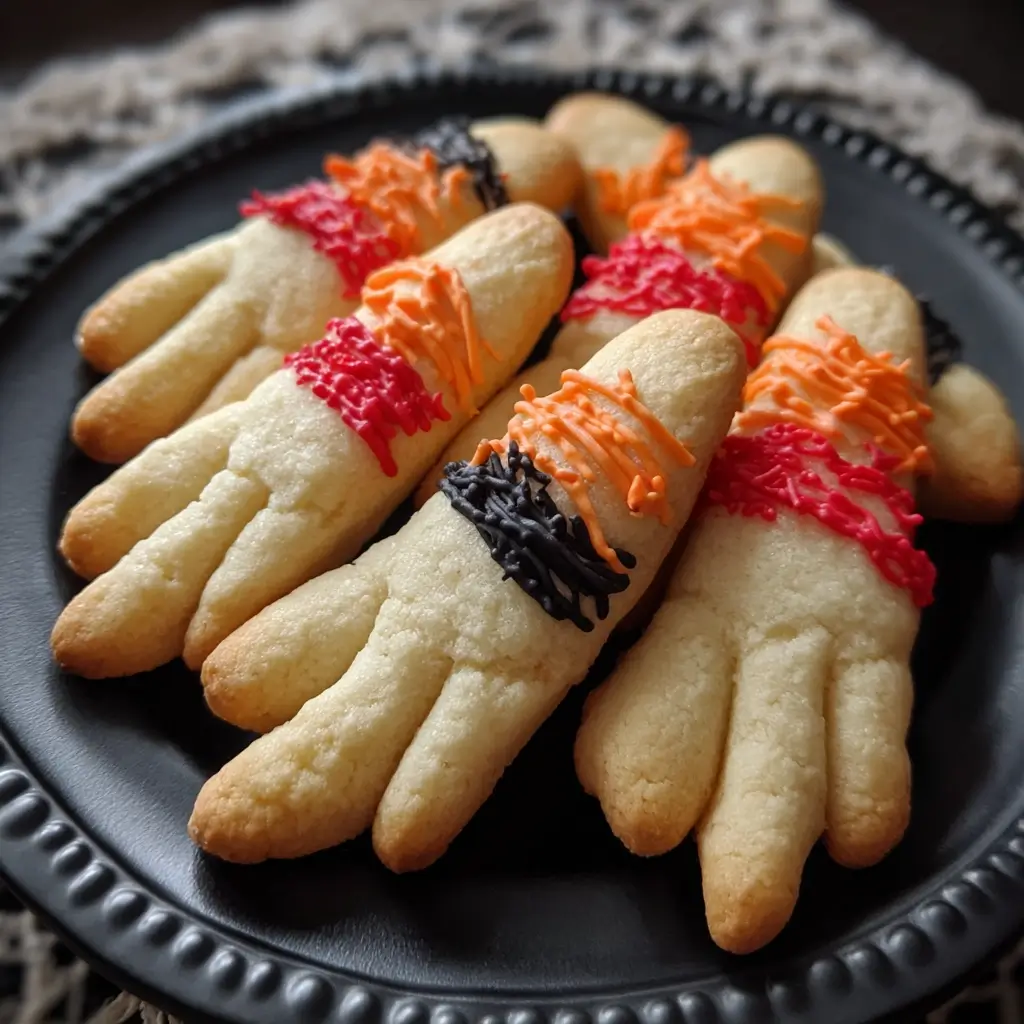

Every year, as the crisp autumn air begins to bite and the leaves turn to fiery shades of orange and red, my family knows what’s coming. It’s not just the pumpkins on the porch or the skeletons in the closet; it’s the official start of spooky baking season. And at the top of that list, the most requested, most beloved, and most delightfully creepy recipe is for these Witch Finger Sugar Cookies. The first time I made them, my kids were hesitant, circling the plate with a mixture of fear and fascination. “Are we really supposed to eat them?” my youngest asked, poking a gnarled, almond-nailed finger. But once the first brave soul took a bite, their eyes widened. The hesitation vanished, replaced by pure delight. These aren’t just a novelty; they are genuinely delicious cookies. The base is a buttery, not-too-sweet sugar cookie with a hint of almond that makes them incredibly moreish. The texture is perfectly crumbly and tender, a stark contrast to their grotesque appearance. They became an instant Halloween party legend, the centerpiece of our dessert table that gets everyone talking, laughing, and reaching for just one more. This recipe has been tweaked and perfected over the years to ensure they look perfectly gnarled and spooky without sacrificing that incredible flavor. Get ready to create the most memorable treat of your Halloween season!
Ingredients
Crafting these ghoulishly good witch fingers requires a handful of simple, high-quality ingredients. Each component plays a vital role in achieving the perfect balance of buttery texture, rich flavor, and a convincingly creepy appearance. Ensure your butter and egg are at room temperature for the best results.
- 1 cup Unsalted Butter, softened: Using softened, room temperature butter is the key to a light and tender cookie. It allows the butter to cream properly with the sugar, incorporating air into the dough. Unsalted butter gives you complete control over the salt content.
- 1 cup Granulated Sugar: This provides the classic sweetness for our sugar cookie base and contributes to their crisp edges and tender centers.
- 1 large Egg, at room temperature: The egg acts as a binder, holding the dough together. A room temperature egg will mix more evenly into the creamed butter and sugar, creating a smoother, more uniform dough.
- 1 teaspoon Almond Extract: This is the secret ingredient that elevates these cookies from simple sugar cookies to something truly special. The nutty, aromatic flavor of almond extract is the perfect complement to the almond “fingernail.”
- 1 teaspoon Vanilla Extract: Pure vanilla extract adds a layer of warm, familiar flavor that balances the almond and enhances the buttery notes of the cookie.
- 2 ¾ cups All-Purpose Flour: This provides the structure for our cookies. Be sure to measure it correctly—spoon the flour into your measuring cup and level it off, rather than scooping directly from the bag—to avoid a dry, dense cookie.
- 1 teaspoon Baking Powder: This leavening agent gives the cookies a slight lift, preventing them from being too dense and ensuring a tender crumb.
- ½ teaspoon Salt: Salt is a crucial flavor enhancer. It balances the sweetness of the sugar and brings out the nuances of the butter, vanilla, and almond.
- ¾ cup Blanched Almonds (whole or slivered): These will be our witchy “fingernails.” Blanched almonds, which have had their skins removed, have a paler, more bone-like color that works perfectly. Whole almonds can be pressed in, or you can use slivered almonds for a sharper look.
- Red Decorating Gel or Seedless Raspberry Jam (optional): A small dab of red gel or jam under the almond “nail” creates a gruesome, bloody effect that takes these cookies to the next level of spooky.
Instructions
Follow these detailed steps carefully to conjure up a batch of perfectly creepy and delicious witch finger cookies. The process involves creating a stable dough, chilling it for easy handling, and carefully shaping each finger for maximum visual impact. Don’t rush the chilling or shaping process—patience is the key to preventing your witches’ fingers from spreading into unrecognizable blobs in the oven.
Step 1: Cream the Butter and Sugar
In the large bowl of a stand mixer fitted with the paddle attachment, or using a hand mixer in a large mixing bowl, combine the softened unsalted butter and granulated sugar. Beat on medium-high speed for 3-4 minutes. The mixture should become pale in color, light, and fluffy. This step is essential for incorporating air into the dough, which results in a tender final product.
Step 2: Add Wet Ingredients
Add the room temperature egg, almond extract, and vanilla extract to the creamed butter and sugar. Beat again on medium speed until everything is thoroughly combined and the mixture is smooth. Scrape down the sides and bottom of the bowl with a rubber spatula to ensure all ingredients are evenly incorporated.
Step 3: Combine Dry Ingredients
In a separate medium bowl, whisk together the all-purpose flour, baking powder, and salt. Whisking them first ensures that the baking powder and salt are evenly distributed throughout the flour, which means every cookie will be perfectly leavened and seasoned.
Step 4: Mix the Dough
With the mixer on its lowest speed, gradually add the dry ingredient mixture to the wet ingredients in three or four additions. Mix only until the flour is just combined and no dry streaks remain. Be very careful not to overmix at this stage. Overmixing develops the gluten in the flour, which can result in tough, hard cookies instead of tender, crumbly ones. The dough will be soft and pliable.
Step 5: Chill the Dough
Divide the dough in half, wrap each half tightly in plastic wrap, and flatten them into discs. Refrigerate the dough for at least 30-45 minutes, or up to 2 hours. Chilling the dough is a non-negotiable step. It solidifies the butter, which prevents the cookies from spreading too much during baking, ensuring they hold their distinct finger shape. It also makes the dough much easier to handle and less sticky.
Step 6: Preheat Oven and Prepare Baking Sheets
When you’re ready to bake, preheat your oven to 325°F (165°C). Line two large baking sheets with parchment paper. Parchment paper prevents the cookies from sticking and helps them bake more evenly.
Step 7: Shape the Witch Fingers
Working with one disc of dough at a time while keeping the other chilled, take a small portion of dough (about 1 to 1 ½ tablespoons). On a lightly floured surface, roll the dough into a thin log, about 4-5 inches long and about ½-inch thick. Remember that the cookies will puff up slightly, so a thinner log is better.
To create the gnarled witchy look, gently squeeze the log in two places to create the knuckles. The log should be slightly thicker at the knuckles and thinner in between. Use the back of a small knife or a toothpick to press shallow lines into the dough at the knuckle areas to mimic the lines on a real finger.
Step 8: Add the Fingernail and Finishing Touches
For the final, gruesome touch, firmly press a blanched almond into the tip of each cookie log to serve as the fingernail. If you are using the optional red gel or jam for a “bloody” look, you can either add a tiny dab to the cookie before pressing on the almond, or you can carefully lift the almond after baking and add the “blood” underneath.
Step 9: Bake the Cookies
Place the shaped fingers onto the prepared baking sheets, leaving about 2 inches of space between each cookie to allow for slight spreading. Bake for 20-25 minutes, or until the edges are lightly golden brown. The centers should still look pale. The longer baking time at a lower temperature helps the cookies bake through without browning too much, maintaining their pale, spooky color.
Step 10: Cool and Decorate (Optional)
Let the cookies cool on the baking sheet for 5 minutes before carefully transferring them to a wire rack to cool completely. If you didn’t add the red gel before baking, you can do so now. Once the cookies are cool, you can also use a small, clean paintbrush to dust a little bit of green food coloring powder or cocoa powder around the knuckles to give them an even more decrepit, “dirty” appearance.
Nutrition Facts
This is an estimate for one witch finger cookie, based on the recipe making approximately 36 cookies. The actual nutritional value will vary depending on the exact size of your cookies and the specific brands of ingredients used.
- Servings: 36 Cookies
- Calories per serving: Approximately 110 kcal. This is a delightful treat, perfect for enjoying in moderation during the Halloween festivities.
- Fat: 6g. The majority of the fat comes from the unsalted butter, which is essential for the cookie’s rich flavor and tender texture.
- Carbohydrates: 13g. Primarily from the all-purpose flour and granulated sugar, providing the energy and structure for this spooky snack.
- Protein: 1.5g. A small amount of protein is contributed by the egg, flour, and the almond “fingernail.”
- Sugar: 6g. This provides the classic sweetness of a sugar cookie, perfectly balanced so as not to be overwhelming.
Preparation Time
Creating these masterpieces of culinary horror is a journey, not a sprint. The total time can be broken down into active and inactive periods, making it easy to plan your baking day.
- Active Preparation Time: 40-50 minutes. This includes mixing the dough (10-15 minutes) and the intricate, creative process of shaping each individual finger (30-35 minutes).
- Inactive Chilling Time: 30-45 minutes. This is the crucial time the dough spends in the refrigerator. You can use this time to clean up, prepare your baking sheets, or get your decorative elements ready.
- Baking Time: 20-25 minutes per batch.
- Total Time: Approximately 1 hour 45 minutes.
How to Serve
The presentation of your Witch Finger Sugar Cookies is half the fun! Move beyond simply placing them on a plate and embrace the spooky spirit with these creative serving suggestions.
- The Graveyard Platter:
- Crush chocolate sandwich cookies (like Oreos) into fine crumbs to create “dirt.”
- Spread the cookie “dirt” over a large platter or baking sheet.
- “Bury” the witch fingers by sticking them upright in the dirt, as if they are clawing their way out of the ground.
- For extra effect, add gummy worms wriggling through the dirt and a few “tombstone” shaped crackers or cookies.
- The Witch’s Cauldron:
- Find a small, black bowl or a novelty cauldron serving dish.
- Fill the bottom of the cauldron with a dark-colored dip. A rich chocolate pudding, dark chocolate hummus, or a “blood clot” raspberry jam works wonderfully.
- Arrange the witch fingers around the rim of the cauldron, with the tips pointing inwards, ready for dipping. This creates a dramatic and interactive centerpiece.
- Specimen Jars:
- For an adult Halloween party, serve the cookies in large, clear glass jars.
- Gently stack the cookies inside the jars, layering them carefully.
- Create a creepy, hand-written label for the jar that says “Pickled Witch Fingers – Grade A” or “Specimen #1313.” It’s a simple touch that adds a huge amount of thematic flair.
- The “Bloody” Dipping Station:
- Serve the plain witch fingers on a platter alongside a small bowl of “blood.”
- The “blood” can be a thinned-out seedless raspberry or strawberry jam, or even a red-tinted cream cheese frosting.
- This allows guests to customize the gruesomeness of their own cookie and adds a fun, interactive element to the dessert table.
Additional Tips
To ensure your witch finger cookies are a spooky success every time, keep these eight pro tips in mind.
- Don’t Skip the Chill: We can’t stress this enough. Chilling the dough is the most important step for preventing spread. If your kitchen is warm, or if you’re taking a long time to shape the cookies, pop the baking sheet with the shaped fingers back into the fridge for 10 minutes before baking. This will guarantee they hold their gnarled shape.
- The Knuckle Trick: To get really realistic-looking knuckles, don’t just squeeze the dough. After squeezing, use the dull side of a butter knife to gently press three shallow, horizontal lines into the knuckle area. This small detail makes a huge difference in the final appearance.
- Secure the Nail: Sometimes the almond “fingernail” can pop off during or after baking. To secure it, you can brush a tiny bit of egg wash (one egg white lightly beaten with a teaspoon of water) onto the tip of the cookie before pressing the almond on. The egg wash acts like glue.
- Go Green for a Ghastly Look: For a truly witchy vibe, add a few drops of green food coloring to the wet ingredients (when you add the egg and extracts). A mossy green dough creates an even more gruesome and eye-catching cookie. Start with a little color and add more until you reach your desired shade of ghoulish green.
- Don’t Overbake: The key to a pale, creepy-looking finger is to bake at a lower temperature and pull them from the oven before they get too brown. They should be firm to the touch and lightly golden on the very bottom and edges, but the tops should remain pale.
- Make-Ahead Magic: You can prepare the cookie dough up to 3 days in advance. Keep it tightly wrapped in the refrigerator. You can also freeze the raw, shaped cookie fingers. Place them on a baking sheet in a single layer and freeze until solid, then transfer them to a freezer-safe bag or container. They can be baked directly from frozen; just add 2-3 minutes to the baking time.
- Perfect Flour Measurement: The most common cause of dry, crumbly dough is too much flour. Instead of scooping your measuring cup into the flour bag (which compacts it), use a spoon to fluff up the flour in its container. Then, spoon the flour into your measuring cup until it’s overflowing and use the back of a knife to level it off.
- Nut-Free Nail Option: If you have nut allergies to consider, you can still create a fantastic witch finger. Instead of an almond, use a pumpkin seed (pepita), a dried cranberry half, or even a large, dark-colored sprinkle for the “nail.” You can also bake them plain and paint a “nail” on with a bit of melted chocolate or colored frosting once they’ve cooled.
Frequently Asked Questions (FAQ)
Here are answers to some of the most common questions about baking this delightfully dreadful recipe.
Q1: Why did my witch fingers spread out and lose their shape in the oven?
A: This is the most common issue and it almost always comes down to two things: the dough wasn’t cold enough, or there was too little flour. Ensure you chill the dough for at least 30-45 minutes before shaping. If your kitchen is warm, chill the shaped cookies on the baking sheet for 10 minutes before they go into the oven. Also, be sure you’re measuring your flour correctly using the spoon-and-level method.
Q2: How do I get the “bloody” effect under the fingernail?
A: You have two options. The easiest is to use a tube of red decorating gel. Place a small dot of gel on the tip of the cookie dough before pressing the almond on top. A little will ooze out around the edges for a perfect gruesome look. Alternatively, you can bake the cookies and, once cooled, carefully use a small knife to lift the almond, place a dab of seedless raspberry jam underneath, and press the nail back down.
Q3: Can I make these cookies without almond extract?
A: Absolutely. While the almond extract gives them their signature flavor, you can simply omit it and double the amount of vanilla extract for a classic vanilla sugar cookie. For a different twist, you could try using ½ teaspoon of peppermint extract for a “cool” witchy vibe or even a little citrus zest for brightness.
Q4: Can I freeze the baked cookies?
A: Yes! These cookies freeze beautifully. Let them cool completely, then place them in a single layer on a baking sheet to freeze solid. Once frozen, transfer them to an airtight, freezer-safe container or bag, placing parchment paper between the layers to protect them. They will keep well in the freezer for up to 3 months. Thaw at room temperature before serving.
Q5: My dough is very crumbly and won’t come together. What did I do wrong?
A: A crumbly dough is usually a sign of too much flour or not enough fat/moisture. First, check your flour measurement method. If you’re sure it was correct, you can try adding a teaspoon of milk or cream to the dough and mixing briefly until it comes together. You can also try kneading it with your hands for a moment; the warmth from your hands can help the butter soften and bind the dough.
Q6: What is the best kind of almond to use for the fingernails?
A: Blanched almonds are ideal because their skin has been removed, giving them a pale, bone-like color that looks fantastic as a fingernail. You can use whole blanched almonds for a rounded nail or blanched slivered almonds for a sharper, more claw-like appearance. Both work great!
Q7: Can I make this recipe gluten-free?
A: Yes, you can adapt this recipe for a gluten-free diet. Use a high-quality “cup-for-cup” or “measure-for-measure” gluten-free all-purpose flour blend that contains xanthan gum. The texture may be slightly different—often a bit sandier—but they will still be delicious and spooky. Follow the recipe as written, simply substituting the flour.
Q8: How do I store leftover witch finger cookies?
A: Store the cooled cookies in an airtight container at room temperature. They will stay fresh and delicious for up to 5 days. Placing a piece of bread in the container can help keep them soft, though their natural texture is pleasantly crumbly and crisp. Avoid refrigerating the baked cookies, as this can dry them out.
Witch Finger Sugar Cookies Recipe
Ingredients
Crafting these ghoulishly good witch fingers requires a handful of simple, high-quality ingredients. Each component plays a vital role in achieving the perfect balance of buttery texture, rich flavor, and a convincingly creepy appearance. Ensure your butter and egg are at room temperature for the best results.
- 1 cup Unsalted Butter, softened: Using softened, room temperature butter is the key to a light and tender cookie. It allows the butter to cream properly with the sugar, incorporating air into the dough. Unsalted butter gives you complete control over the salt content.
- 1 cup Granulated Sugar: This provides the classic sweetness for our sugar cookie base and contributes to their crisp edges and tender centers.
- 1 large Egg, at room temperature: The egg acts as a binder, holding the dough together. A room temperature egg will mix more evenly into the creamed butter and sugar, creating a smoother, more uniform dough.
- 1 teaspoon Almond Extract: This is the secret ingredient that elevates these cookies from simple sugar cookies to something truly special. The nutty, aromatic flavor of almond extract is the perfect complement to the almond “fingernail.”
- 1 teaspoon Vanilla Extract: Pure vanilla extract adds a layer of warm, familiar flavor that balances the almond and enhances the buttery notes of the cookie.
- 2 ¾ cups All-Purpose Flour: This provides the structure for our cookies. Be sure to measure it correctly—spoon the flour into your measuring cup and level it off, rather than scooping directly from the bag—to avoid a dry, dense cookie.
- 1 teaspoon Baking Powder: This leavening agent gives the cookies a slight lift, preventing them from being too dense and ensuring a tender crumb.
- ½ teaspoon Salt: Salt is a crucial flavor enhancer. It balances the sweetness of the sugar and brings out the nuances of the butter, vanilla, and almond.
- ¾ cup Blanched Almonds (whole or slivered): These will be our witchy “fingernails.” Blanched almonds, which have had their skins removed, have a paler, more bone-like color that works perfectly. Whole almonds can be pressed in, or you can use slivered almonds for a sharper look.
- Red Decorating Gel or Seedless Raspberry Jam (optional): A small dab of red gel or jam under the almond “nail” creates a gruesome, bloody effect that takes these cookies to the next level of spooky.
Instructions
Follow these detailed steps carefully to conjure up a batch of perfectly creepy and delicious witch finger cookies. The process involves creating a stable dough, chilling it for easy handling, and carefully shaping each finger for maximum visual impact. Don’t rush the chilling or shaping process—patience is the key to preventing your witches’ fingers from spreading into unrecognizable blobs in the oven.
Step 1: Cream the Butter and Sugar
In the large bowl of a stand mixer fitted with the paddle attachment, or using a hand mixer in a large mixing bowl, combine the softened unsalted butter and granulated sugar. Beat on medium-high speed for 3-4 minutes. The mixture should become pale in color, light, and fluffy. This step is essential for incorporating air into the dough, which results in a tender final product.
Step 2: Add Wet Ingredients
Add the room temperature egg, almond extract, and vanilla extract to the creamed butter and sugar. Beat again on medium speed until everything is thoroughly combined and the mixture is smooth. Scrape down the sides and bottom of the bowl with a rubber spatula to ensure all ingredients are evenly incorporated.
Step 3: Combine Dry Ingredients
In a separate medium bowl, whisk together the all-purpose flour, baking powder, and salt. Whisking them first ensures that the baking powder and salt are evenly distributed throughout the flour, which means every cookie will be perfectly leavened and seasoned.
Step 4: Mix the Dough
With the mixer on its lowest speed, gradually add the dry ingredient mixture to the wet ingredients in three or four additions. Mix only until the flour is just combined and no dry streaks remain. Be very careful not to overmix at this stage. Overmixing develops the gluten in the flour, which can result in tough, hard cookies instead of tender, crumbly ones. The dough will be soft and pliable.
Step 5: Chill the Dough
Divide the dough in half, wrap each half tightly in plastic wrap, and flatten them into discs. Refrigerate the dough for at least 30-45 minutes, or up to 2 hours. Chilling the dough is a non-negotiable step. It solidifies the butter, which prevents the cookies from spreading too much during baking, ensuring they hold their distinct finger shape. It also makes the dough much easier to handle and less sticky.
Step 6: Preheat Oven and Prepare Baking Sheets
When you’re ready to bake, preheat your oven to 325°F (165°C). Line two large baking sheets with parchment paper. Parchment paper prevents the cookies from sticking and helps them bake more evenly.
Step 7: Shape the Witch Fingers
Working with one disc of dough at a time while keeping the other chilled, take a small portion of dough (about 1 to 1 ½ tablespoons). On a lightly floured surface, roll the dough into a thin log, about 4-5 inches long and about ½-inch thick. Remember that the cookies will puff up slightly, so a thinner log is better.
To create the gnarled witchy look, gently squeeze the log in two places to create the knuckles. The log should be slightly thicker at the knuckles and thinner in between. Use the back of a small knife or a toothpick to press shallow lines into the dough at the knuckle areas to mimic the lines on a real finger.
Step 8: Add the Fingernail and Finishing Touches
For the final, gruesome touch, firmly press a blanched almond into the tip of each cookie log to serve as the fingernail. If you are using the optional red gel or jam for a “bloody” look, you can either add a tiny dab to the cookie before pressing on the almond, or you can carefully lift the almond after baking and add the “blood” underneath.
Step 9: Bake the Cookies
Place the shaped fingers onto the prepared baking sheets, leaving about 2 inches of space between each cookie to allow for slight spreading. Bake for 20-25 minutes, or until the edges are lightly golden brown. The centers should still look pale. The longer baking time at a lower temperature helps the cookies bake through without browning too much, maintaining their pale, spooky color.
Step 10: Cool and Decorate (Optional)
Let the cookies cool on the baking sheet for 5 minutes before carefully transferring them to a wire rack to cool completely. If you didn’t add the red gel before baking, you can do so now. Once the cookies are cool, you can also use a small, clean paintbrush to dust a little bit of green food coloring powder or cocoa powder around the knuckles to give them an even more decrepit, “dirty” appearanceFollow these detailed steps carefully to conjure up a batch of perfectly creepy and delicious witch finger cookies. The process involves creating a stable dough, chilling it for easy handling, and carefully shaping each finger for maximum visual impact. Don’t rush the chilling or shaping process—patience is the key to preventing your witches’ fingers from spreading into unrecognizable blobs in the oven.
Step 1: Cream the Butter and Sugar
In the large bowl of a stand mixer fitted with the paddle attachment, or using a hand mixer in a large mixing bowl, combine the softened unsalted butter and granulated sugar. Beat on medium-high speed for 3-4 minutes. The mixture should become pale in color, light, and fluffy. This step is essential for incorporating air into the dough, which results in a tender final product.
Step 2: Add Wet Ingredients
Add the room temperature egg, almond extract, and vanilla extract to the creamed butter and sugar. Beat again on medium speed until everything is thoroughly combined and the mixture is smooth. Scrape down the sides and bottom of the bowl with a rubber spatula to ensure all ingredients are evenly incorporated.
Step 3: Combine Dry Ingredients
In a separate medium bowl, whisk together the all-purpose flour, baking powder, and salt. Whisking them first ensures that the baking powder and salt are evenly distributed throughout the flour, which means every cookie will be perfectly leavened and seasoned.
Step 4: Mix the Dough
With the mixer on its lowest speed, gradually add the dry ingredient mixture to the wet ingredients in three or four additions. Mix only until the flour is just combined and no dry streaks remain. Be very careful not to overmix at this stage. Overmixing develops the gluten in the flour, which can result in tough, hard cookies instead of tender, crumbly ones. The dough will be soft and pliable.
Step 5: Chill the Dough
Divide the dough in half, wrap each half tightly in plastic wrap, and flatten them into discs. Refrigerate the dough for at least 30-45 minutes, or up to 2 hours. Chilling the dough is a non-negotiable step. It solidifies the butter, which prevents the cookies from spreading too much during baking, ensuring they hold their distinct finger shape. It also makes the dough much easier to handle and less sticky.
Step 6: Preheat Oven and Prepare Baking Sheets
When you’re ready to bake, preheat your oven to 325°F (165°C). Line two large baking sheets with parchment paper. Parchment paper prevents the cookies from sticking and helps them bake more evenly.
Step 7: Shape the Witch Fingers
Working with one disc of dough at a time while keeping the other chilled, take a small portion of dough (about 1 to 1 ½ tablespoons). On a lightly floured surface, roll the dough into a thin log, about 4-5 inches long and about ½-inch thick. Remember that the cookies will puff up slightly, so a thinner log is better.
To create the gnarled witchy look, gently squeeze the log in two places to create the knuckles. The log should be slightly thicker at the knuckles and thinner in between. Use the back of a small knife or a toothpick to press shallow lines into the dough at the knuckle areas to mimic the lines on a real finger.
Step 8: Add the Fingernail and Finishing Touches
For the final, gruesome touch, firmly press a blanched almond into the tip of each cookie log to serve as the fingernail. If you are using the optional red gel or jam for a “bloody” look, you can either add a tiny dab to the cookie before pressing on the almond, or you can carefully lift the almond after baking and add the “blood” underneath.
Step 9: Bake the Cookies
Place the shaped fingers onto the prepared baking sheets, leaving about 2 inches of space between each cookie to allow for slight spreading. Bake for 20-25 minutes, or until the edges are lightly golden brown. The centers should still look pale. The longer baking time at a lower temperature helps the cookies bake through without browning too much, maintaining their pale, spooky color.
Step 10: Cool and Decorate (Optional)
Let the cookies cool on the baking sheet for 5 minutes before carefully transferring them to a wire rack to cool completely. If you didn’t add the red gel before baking, you can do so now. Once the cookies are cool, you can also use a small, clean paintbrush to dust a little bit of green food coloring powder or cocoa powder around the knuckles to give them an even more decrepit, “dirty” appearance.
Nutrition
- Serving Size: one normal portion
- Calories: 110
- Sugar: 6g
- Fat: 6g
- Carbohydrates: 13g
- Protein: 1.5g